Traveling to Kenya as an active wheelchair user and adaptive diver can be a life-changing adventure. From rolling through savannahs on safari to exploring vibrant coral reefs in the Indian Ocean, Kenya offers accessible experiences for travelers of all abilities. With thoughtful planning and realistic expectations, you can enjoy Kenya’s wild beauty comfortably, safely, and independently. Kenya in a wheelchair can be possible.
Let’s explore practical tips on accessible safaris, accommodations, ground transport, and adaptive scuba diving. This guide to travel Kenya in a wheelchair combines useful details with a warm, empowering tone to get you excited about what’s possible.
Accessible Safaris in Kenya
Yes, you can go on safari! Thanks to specialized tour operators, wheelchair users can experience world-famous wildlife reserves without leaving their comfort zone. Many safari companies provide 4×4 vehicles fitted with ramps, tie-downs, and raised ceilings. These features let you roll in and remain in your wheelchair throughout the game drive if you prefer.
Game drives typically explore expansive plains, woodlands, and riverbanks. Some parks are flat and more accessible than others. With private conservancies, you get a quieter, more flexible experience. Expect sightings of elephants, giraffes, lions, and countless antelope. The open design of safari vehicles offers fantastic visibility, even from a seated position.
Adaptive safari-friendly camps now include tents and lodges with level access, wide doors, and spacious bathrooms. Even when a bathroom lacks fixed grab bars or a roll-in shower, good operators often bring portable equipment like shower chairs or ramps. They can also adjust your tent’s location for proximity to the dining area. Staff are usually happy to assist with moving across uneven ground.
Safari terrain can be bumpy and dusty. To stay comfortable, use an extra seat cushion and consider strapping in if needed. Bring a scarf or dust mask for dry season trips. A track wheel, front wheel or freewheel off-road front wheel, or power assist device can greatly improve your independence on camp paths.
For long game drives, ask for a split schedule: morning and late afternoon sessions with a midday break. Don’t hesitate to rest when needed. Also, stay hydrated, wear a hat and sunscreen, and bring any medication you need for pain or muscle spasms. With good communication and preparation, the safari experience becomes smooth and deeply rewarding.
Finding Accessible Accommodation
Kenya offers accessible places to stay in cities, on the coast, and in the bush. Options range from budget guesthouses to luxury lodges. While not every place meets global accessibility standards, many go above and beyond to help guests with disabilities. Ocean Tribe can help with planning there.
Larger city hotels often have at least one or two adapted rooms with wide doors, step-free entry, and bathroom features like roll-in showers and grab bars. Always contact the hotel in advance to confirm the room setup. Ask clear questions about bathroom layout, door widths, and access routes.
At the beach, many resorts are single-story and spacious. Paved pathways, ramps to common areas, and helpful staff make coastal stays relaxing. Some properties even offer beach wheelchairs or help accessing the sand. If you’re budget-conscious, newer apartments or rentals may be suitable, especially those built with lifts or ground-floor entry.
In safari regions, lodges vary in accessibility. Luxury camps are more likely to have adapted tents. Even basic camps can work with a few modifications. Many operators travel with equipment like commode chairs, so ask what’s available. Good operators also keep tents close to central areas and help with transfers over rough ground.
Wherever you stay, charge medical devices in advance. Bring a plug adapter and backup battery for peace of mind. Power outages are rare in the city but more common in rural areas. Carry essential aids like a portable grab bar, shower stool, or transfer board if you need them.
Getting Around Kenya in a Wheelchair
Getting around requires some strategy. Public transport isn’t accessible, so plan to use private transfers or tour vehicles. Fortunately, a few companies offer vans with ramps or lifts. Book these in advance, especially for airport pickups or long-distance travel.
Kenya’s main airports provide wheelchair assistance. Staff can meet you on arrival and help with immigration and baggage. Still, carry important removable parts of your wheelchair—like the joystick or cushion—in the cabin. Always tag your chair clearly.
In cities, sidewalks are often uneven and rarely ramped. To explore, consider hiring a car and driver. It’s affordable and more convenient than self-driving. Drivers are generally helpful and will assist with folding chairs or offering a hand at curbs.
Long-distance trips can be done by road or train. Domestic flights may involve small planes with no boarding ramps, so check if transfer assistance is available. The modern train between Nairobi and Mombasa is a great alternative. It offers elevators and staff who assist wheelchair users.
Bring a basic wheelchair repair kit and extra charger. If something breaks, replacement parts may be hard to find quickly. Also, save emergency contacts in your phone and carry a local SIM or international plan.
Adaptive Scuba Diving in Kenya
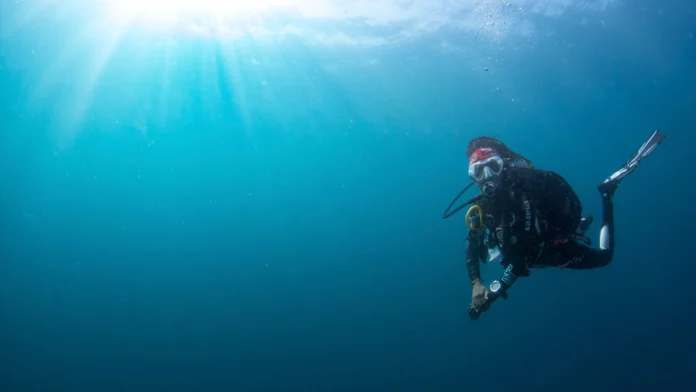
Kenya’s warm Indian Ocean isn’t just for sunbathing—it’s an incredible place to scuba dive, even with a disability. Diving is one of the few sports where a wheelchair becomes irrelevant. Underwater, we all float and move freely.
Ocean Tribe, based in Diani Beach, specializes in adaptive diving. Led by a wheelchair-using instructor trainer, their team has extensive experience supporting disabled divers. Whether you’re paraplegic, an amputee, or someone with limited mobility, they can create a tailored experience to suit your needs.
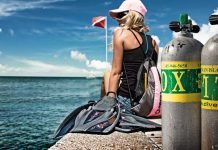
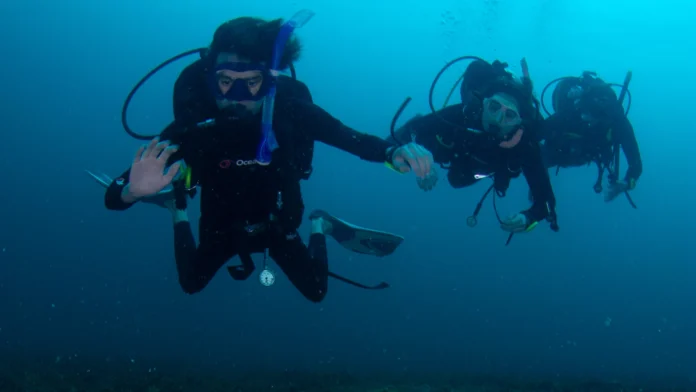
Introductory dives begin in a pool, where you learn to use the gear and practice breathing. If you’re comfortable, you can progress to shallow reef dives. Instructors adjust techniques to match your mobility and always dive with close supervision. Safety is the priority, and training moves at your pace. We offer all SSI courses for divers of any ability and for those divers whose condition might prevent them earning a full certification we have the SSI Classified Diver program.
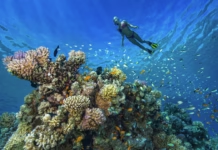
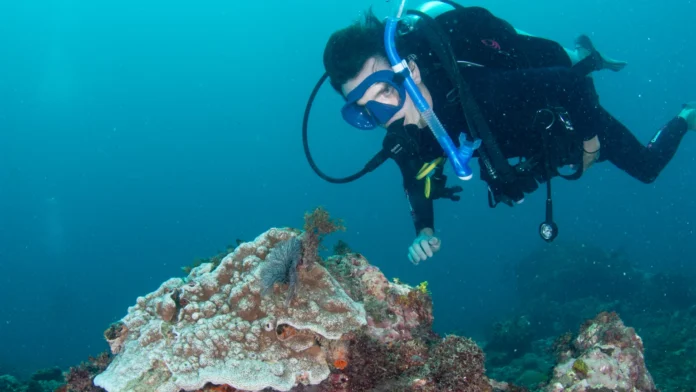
The reefs of Kenya are stunning. Expect to see coral gardens, angelfish, turtles, moray eels, and more. Visibility is usually excellent, and water temperatures are warm year-round. You won’t need to wear a thick wetsuit. Adaptive gear like webbed gloves or modified fins can make diving easier. Ocean Tribe has much of this on hand.
The dive team helps with boat access and transfers. We leave wheelchairs behind when on smaller dive boats. If needed, staff will carry you safely. Once in the water, the sense of freedom is profound. Many divers say it feels like flying.
If diving interests you, get medical clearance in advance. Bring your prescription mask or familiar wetsuit if preferred. Let the dive center know your exact needs so they can prepare the right gear and plan.
Final Thoughts: Travel with Confidence
Traveling with a disability always takes extra preparation. To travel Kenya in a wheelchair, some infrastructure may be lacking, and assistance might be improvised. But the experiences on offer are rich, authentic, and unforgettable.
Be clear about your needs, carry backup gear, and build flexibility into your plans. Talk openly with your tour operator or dive center. Choose partners who understand disability and want to make your trip easy and empowering.
Kenya welcomes travelers with open arms. From the wide savannahs to the blue ocean, the country offers adventure, beauty, and the chance to push beyond your limits. You’ll return with new memories, confidence, and stories you’ll tell for life.
So pack your spirit of adventure and get ready. Magical Kenya is waiting. And yes — it can be wheelchair accessible.