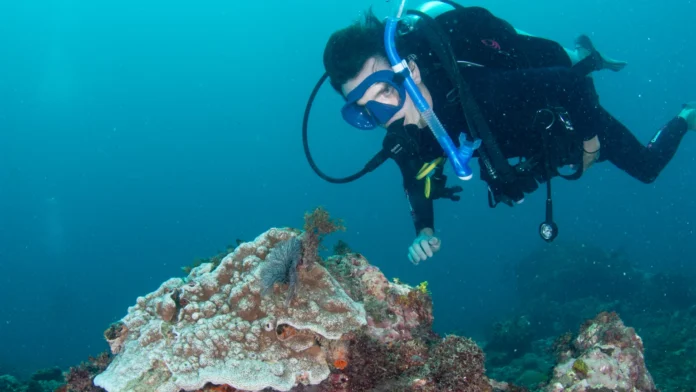
Scuba diving gives you freedom like nothing else. For paraplegic divers, choosing the right equipment makes all the difference in safety, comfort, and enjoyment. Over the years working in scuba diving as a paraplegic, I have refined my paraplegic dive equipment setup so it stays light, streamlined, and easy to manage both in and out of the water. Here is the equipment I find works best and why.
Backplate and Wing BC
A backplate and wing BC is one of the best options for paraplegic divers. It distributes weight evenly and helps you stay in a balanced trim position. This makes buoyancy control much easier. Integrated weights remove the need for a belt. This setup also allows for smooth donning and doffing. It stays light for travel while still giving stability once you are in the water.
Sidemount Diving
Sidemount is another strong option. You can clip tanks on in the water, which avoids lifting heavy cylinders on land. It gives excellent trim and flexibility. It also allows you to use multiple gases. For divers looking ahead, it is a great first step into technical diving.
Lightweight Regulator with Transmitter
A lightweight balanced regulator is a must for comfort and travel. I prefer to pair it with a wireless transmitter. This reduces hoses and prevents entanglement. A small button gauge serves as a useful backup. Overall this setup stays neat and practical.
Air2 or Octopus
Your alternate air source comes down to preference. An Air2 combines the BC inflator and octopus in one. This cuts down hoses even more. Some divers prefer a standard octopus because it is easier to handle in air sharing. Both are effective. Choose the one that feels natural and safe for you.
Wrist Mounted Dive Computer
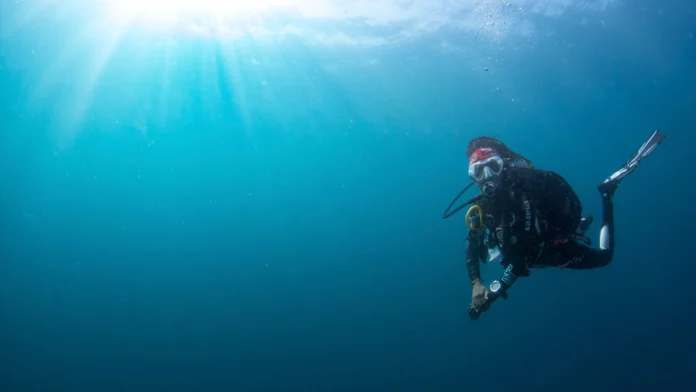
A wristwatch style dive computer with air integration is simple and effective. It avoids large arm units or dangling consoles that might catch when putting on or removing gear. Your dive data is right where you need it. Larger consoles suit divers who want a bigger screen. For me the wrist computer stays clean and practical.
Mask and Snorkel
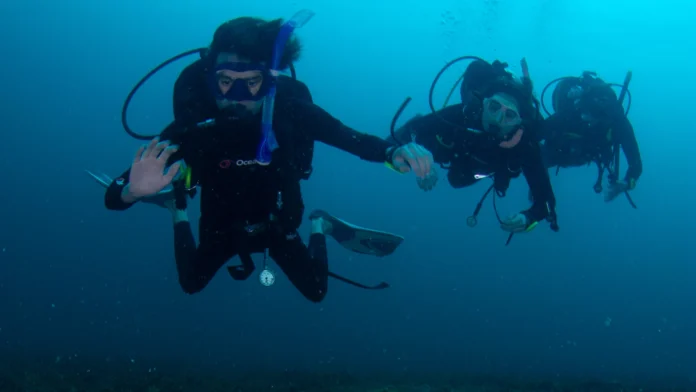
Low volume masks are best because they clear with little effort. A strap cover makes donning and doffing easier. I also carry a foldable snorkel. It tucks into a pocket when not in use and avoids clutter.
Gloves
I use molded webbed gloves. They give me dexterity and propulsion without fins. Neoprene gloves are another choice if you want warmth or padding. The right glove depends on your diving style.
Wetsuits and Thermal Protection
A wetsuit should offer warmth and flexibility. In warm water I use light stretchy suits or thermal rash guards. In cooler conditions I add zips or thermal layers. Free diving suits can also help by giving more movement in the arms.
Dive Boots
Dive boots protect the feet. They are useful on rocks, pool decks, and boat ladders. Dive socks are a lighter option. Heavy boots can cause feet to drag so lighter is usually better.
Useful Extras: DPV
A diver propulsion vehicle is one of the best extras for paraplegic divers. It reduces strain and lets you cover more ground. It makes exploration easier and adds independence.
My Personal Dive Setup
Primary system
Equipment locker
Frequently Asked Questions About Paraplegic Dive Equipment Setup
What is the best BC for paraplegic divers?
A backplate and wing with integrated weights works best. It balances your position, keeps you streamlined, and makes entry and exit easier.
Is sidemount good for paraplegic diving?
Yes. Sidemount allows you to clip tanks on in the water and keeps trim excellent. It is also a pathway into technical diving.
What type of mask should I use?
Low volume masks are easiest to clear. Adding a strap cover makes putting them on and taking them off more comfortable.
Do paraplegic divers need fins?
Not always. Some divers use fins. Others prefer webbed gloves for propulsion with their arms.
What is the most useful extra?
A diver propulsion vehicle. It reduces effort, increases range, and gives more freedom underwater.
Final Thoughts
A paraplegic dive equipment setup should always focus on freedom, comfort, and safety. My own system is light, streamlined, and flexible. From my BC to my computers and gloves, each piece supports independence underwater. With the right equipment, adaptive diving opens the ocean to new possibilities and pure adventure.
About Mark
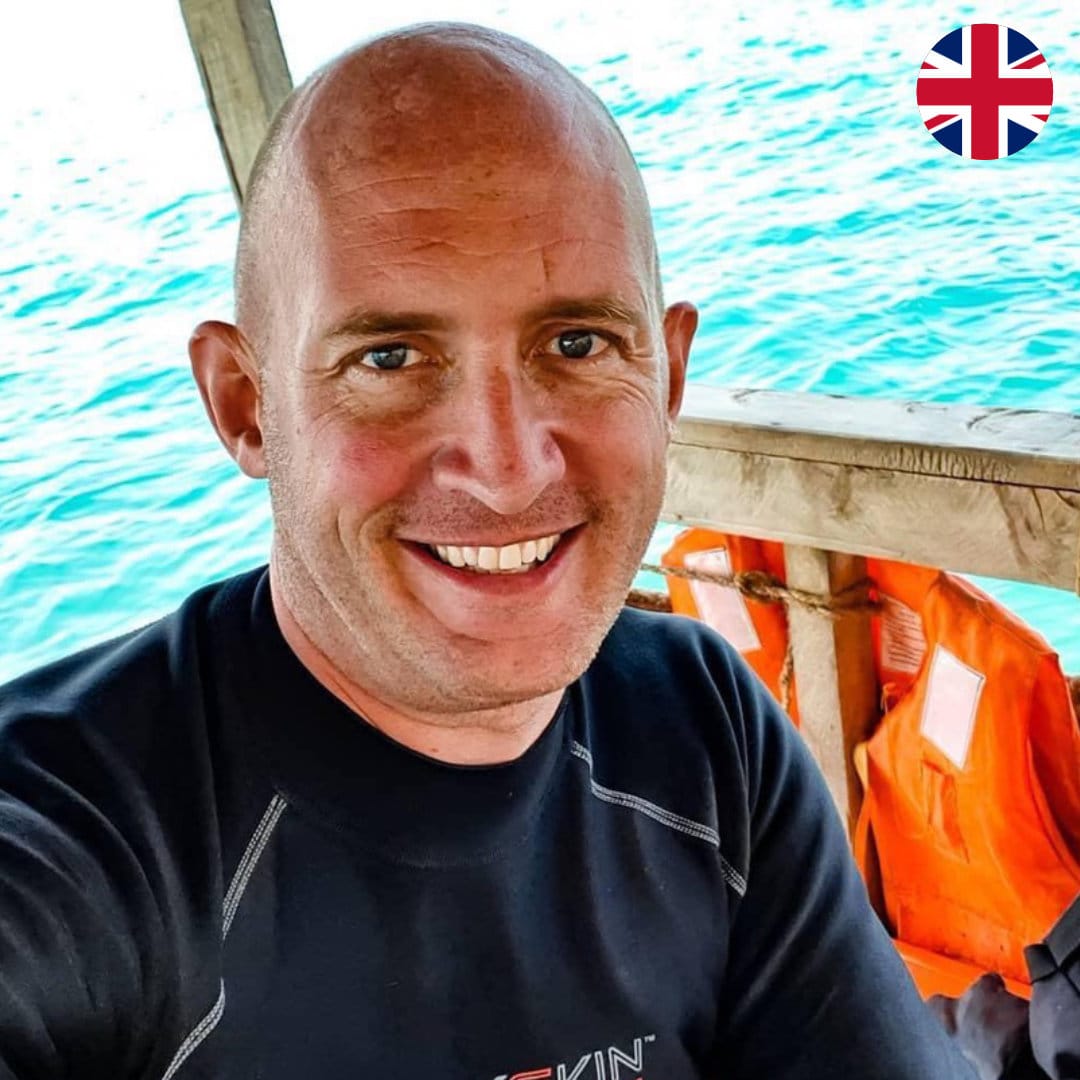
Mark Slingo is an award-winning SSI Instructor Trainer and adaptive diving specialist based in Diani Beach, Kenya. After a diving accident left him paraplegic, Mark continued his journey underwater and now shares both his personal experience and professional expertise with divers from around the world. He has trained hundreds of divers and instructors, with a strong focus on inclusive practices and opening the ocean to people of all abilities. Through his dive center, Ocean Tribe, Mark combines world-class training with environmental awareness, community projects, and accessible adventures that prove diving is for everyone.