Adaptive diving is one of the most rewarding areas of scuba diving, yet it is still misunderstood by many divers and dive professionals. Questions about safety, training, accessibility, equipment adaptations, and what is actually possible underwater are common — especially from instructors considering working with divers with disabilities for the first time.
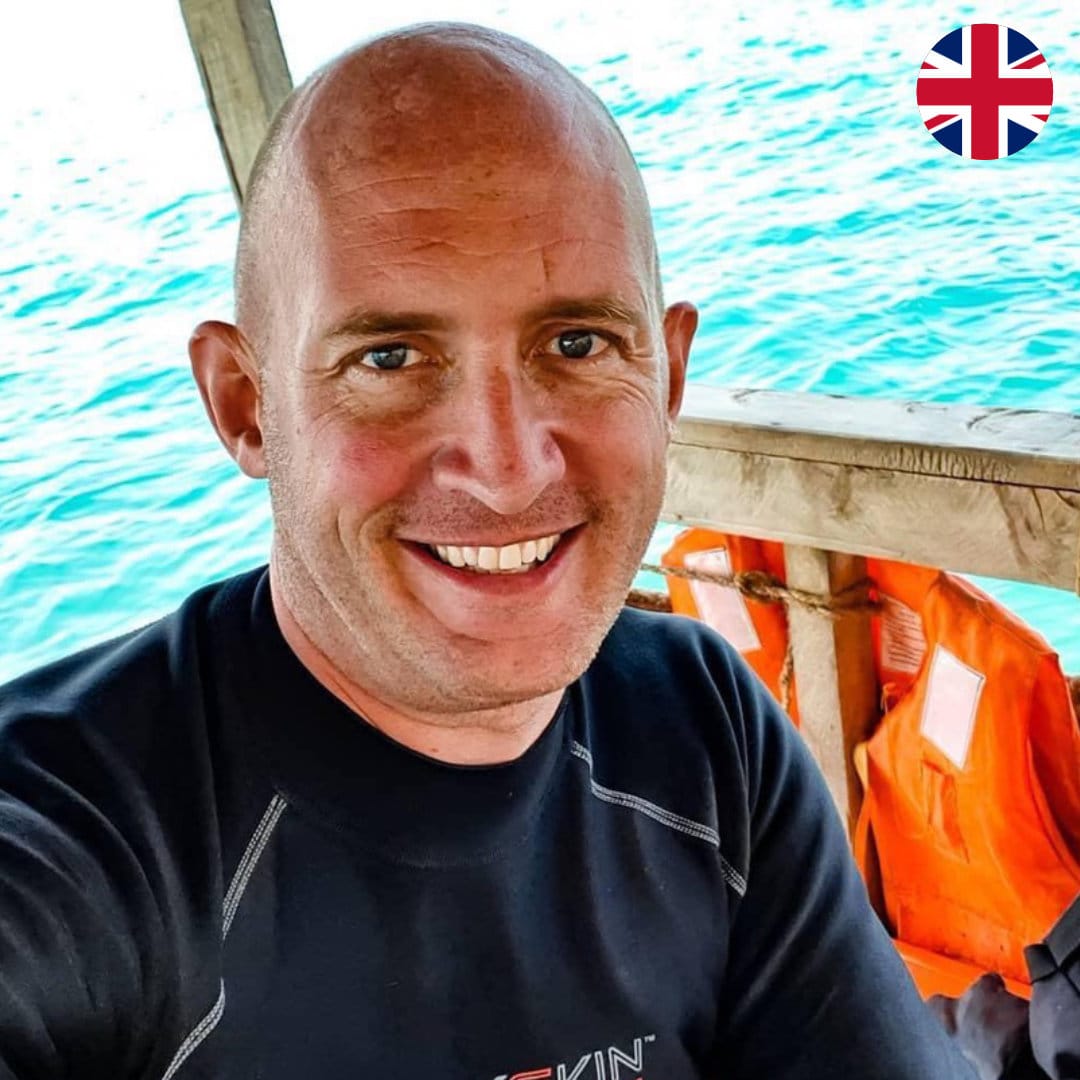
In this new video, Ocean Tribe Instructor Trainer Mark answers many of the most common questions about adaptive diving, inclusive diver training, and his own journey back into the underwater world after the accident that left him paralysed from the waist down.
Diving Changed — But It Didn’t End
One of the biggest misconceptions about disability and scuba diving is that an injury automatically means the end of adventure, exploration, or professional involvement in diving. In reality, adaptive scuba diving has opened the underwater world to people with a huge range of physical disabilities.
For Mark, returning to diving after paralysis was not simply about getting back underwater. It was about rebuilding confidence, adapting techniques, learning new approaches, and discovering that many of the perceived barriers to diving were actually logistical or educational rather than impossible obstacles.
Today, Mark works as an SSI Instructor Trainer and teaches both recreational and professional-level scuba diving, including the SSI Classified Diving programs designed specifically for divers with disabilities.
What Is Adaptive Diving?
Adaptive diving refers to the modification of scuba training, techniques, procedures, or equipment to safely support divers with physical, sensory, or other disabilities.
Every diver is different. Some adaptive divers may require very small modifications, while others may need significant assistance from their dive team or specialised teaching approaches. The goal is not to lower standards or ignore safety — it is to find safe and effective ways for people to experience scuba diving within their abilities.
Adaptive diving may involve:
- Modified entries and exits
- Alternative finning techniques
- Buoyancy adaptations
- Team-based diving approaches
- Equipment customisation
- Additional surface support
- Adjusted teaching methods
- Enhanced dive planning and communication
In many cases, divers with disabilities can become extremely capable and independent underwater divers.
Questions Covered in the Video
In this video, Mark discusses topics including:
- How he returned to diving after paralysis
- What adaptive diving actually looks like in practice
- Common misconceptions about disabled divers
- What instructors need to know before getting involved
- How dive centres can become more inclusive
- The realities of boat diving with a disability
- Safety considerations in adaptive diving
- Training pathways for dive professionals
- Funny and challenging moments from his diving career since the accident
The video is intended both for divers with disabilities and for dive professionals interested in making diving more accessible.
Why More Dive Professionals Should Consider Adaptive Diving
Many instructors are nervous about teaching divers with disabilities simply because they lack experience or exposure. However, adaptive diving often becomes one of the most rewarding forms of instruction an instructor can undertake.
Teaching adaptive divers develops:
- Better communication skills
- More creative problem solving
- Greater patience and empathy
- Improved understanding of diving techniques
- Stronger team diving practices
It also allows dive centres to welcome a wider community into the sport and create truly inclusive diving environments.
SSI Classified Diving Programs at Ocean Tribe
Ocean Tribe in Diani Beach, Kenya offers:
- SSI Classified Diving Programs
- SSI Classified Diving Instructor Seminars
- Adaptive scuba experiences
- Professional training for dive leaders and instructors
- Support for divers with physical disabilities
Instructor seminars can also be conducted at other dive centres for teams interested in introducing adaptive diving programs.
Useful Resources
Divers With Disabilities Handbook
https://oceantribe.co/uploads/Ocean-Tribe-Divers-With-Disabilities-Handbook-V.1_compressed.pdf
SSI Classified Diving Instructor Courses
https://oceantribe.co/Downloads/Classified-Diving-Instructor-Courses.pdf
Learn More About the SSI Classified Diver Program
https://oceantribe.co/scuba-diving-courses/classified-diving-centre/empowering-disabled-divers-understanding-the-ssi-classified-diver-program/
What Instructors Learn From Teaching Divers With Disabilities
https://oceantribe.co/news-offers/what-instructors-learn-from-teaching-divers-with-disabilities/
FAQs
Can paraplegics go scuba diving?
Yes. Many paraplegic divers safely participate in scuba diving around the world. Training, support requirements, and adaptations vary depending on the individual diver.
Is adaptive diving safe?
Adaptive diving follows structured risk management and training procedures. Like all scuba diving, safety depends on proper training, planning, supervision, and appropriate diving conditions.
Do dive instructors need special training to work with disabled divers?
Formal adaptive diving training is highly recommended. Programs such as the SSI Classified Diving Instructor Seminar help instructors understand safe teaching methods, diver assessment, and adaptive techniques.
Can disabled divers become dive professionals?
In some cases, yes. Many divers with disabilities continue into leadership or instructional roles depending on their abilities, experience, and agency standards.
Does adaptive diving require special equipment?
Not always. Some divers use standard scuba equipment, while others may benefit from modified harnesses, propulsion methods, weighting systems, or entry and exit assistance.