If you’re looking to stay underwater longer and feel more in control of your dives, the solution is simple: improve your air consumption. It’s not just about breathing less. It’s about moving more efficiently, staying relaxed, and developing better habits in the water. Below are key areas every diver should focus on, along with courses offered at Ocean Tribe that turn those actions into instinct.
Be Relaxed
The fastest way to improve your air consumption is to relax. Tension raises your heart rate, increases your oxygen demand, and leads to shallow, fast breathing. Instead, focus on calm, steady breaths and smooth movements. The more at ease you are, the slower you breathe, and the longer your tank lasts. Divers who master this calm state often see a noticeable increase in bottom time on every dive.
Make Sure You Have a Good Trim
Trim is your body’s position in the water. A diver with proper trim stays horizontal and balanced, gliding through the water with minimal resistance. When your body is angled or out of balance, you kick harder and breathe more. Proper trim reduces drag and helps you move more naturally, which can significantly improve your air consumption on every dive.
Work on Your Lung Volume and Breathing Technique
Learning to control buoyancy with your lungs—rather than constantly inflating or deflating your BC—makes a major difference. When you rely on small shifts in breath volume to make micro-adjustments in depth, you stay more stable and conserve air. Add in deep, diaphragmatic breathing with slow, controlled exhales, and you’ll find your breathing becomes both more efficient and more comfortable underwater.
Streamline Yourself and Your Equipment
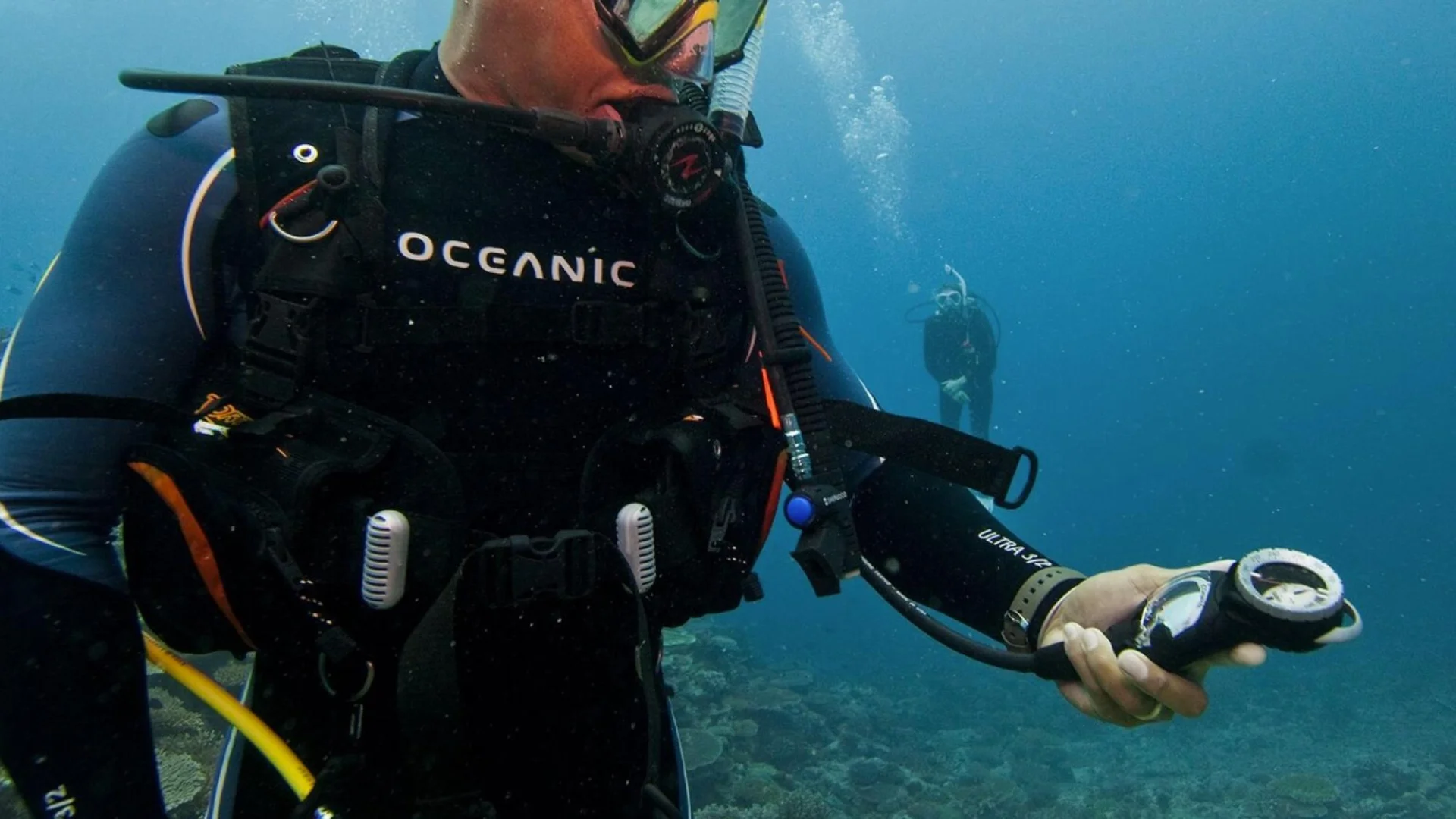
Improving your air consumption is also about how you set up your gear. Unsecured hoses, bulky accessories, or poor trim can increase water resistance and force you to work harder to move. Streamlining your equipment setup helps reduce drag, keeps your profile clean, and allows for more efficient propulsion with fewer wasted breaths.
Work on Your Propulsion
The way you kick has a direct effect on your breathing rate. Large, rapid flutter kicks require more effort and spike your oxygen use. Switching to slow, deliberate frog kicks or modified back kicks helps you cover distance with less effort. Efficient propulsion means less muscle fatigue, a lower heart rate, and ultimately, better air consumption. Short story. The more you move the quicker you use your air. Make yourself efficient to maximise your air.
Physical Condition
Your overall fitness, comfort, and thermal protection all influence how much air you use. A cold or unfit diver will naturally breathe harder. Staying fit, hydrated, and properly equipped for conditions will improve your baseline efficiency and help you avoid unnecessary stress that leads to higher air consumption. It’s also critical to ensure your gear is well-maintained, with no leaks or inefficiencies that waste air before you even notice.
Courses That Help You Improve Your Air Consumption
At Ocean Tribe in Diani, we offer SSI specialty courses specifically designed to help you improve your air consumption by building better in-water habits and planning techniques.
Perfect Buoyancy is the starting point for most divers looking to dive longer and more efficiently. You’ll learn how to adjust your trim, control your buoyancy through breath, and glide effortlessly underwater. The skills you build here have a direct impact on air use and comfort.
Deep Diving takes it further by teaching you how pressure affects your breathing rate and how to plan dives using Surface Air Consumption (SAC) calculations. By understanding how your gas usage changes with depth, you can better manage your air and avoid unnecessary stress during deep dives.
Freediver courses are the best way to work on air management. They teach you about minimal movement for maximum efficiency and breathing techniques. An invaluable skill set to have even as a scuba diver.
Courses might help on some tips but the real way to solve it is dive experience and working on the techniques shown above.
Improve Your Air Consumption—One Dive at a Time
To improve your air consumption, start with small changes. Breathe slowly, stay streamlined, master your buoyancy, and move with intention. If you wish, build on those habits with structured training through courses like Perfect Buoyancy and Deep Diving at Ocean Tribe.
You’ll not only dive longer. You’ll dive better.