Glide into Galu
A colourful, easy-going reef where coral bommies, sandy patches, turtles and hidden macro life create a dive worth slowing down for.
Galu gives you time to look closer
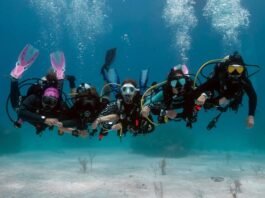
Located just south of Diani Beach, Galu is a colourful and accessible reef suited to a wide range of divers. The reef begins at approximately six metres before passing across a coral plateau and gently descending towards deeper sand and scattered coral bommies.
Calm conditions, varied depths and good marine-life diversity make Galu popular for relaxed fun dives, underwater photography and training dives.


From shallow coral to deeper sand
Galu begins at around six metres, with a coral plateau at approximately ten metres. The main reef then slopes gently towards sand patches and scattered bommies around eighteen metres.
Deeper routes can reach a maximum of approximately 25 metres when suitable for the certification and experience of the divers.
Your actual route and maximum depth will be decided during the dive briefing and may change with conditions.
Galu dive briefing
Watch the original Ocean Tribe briefing for an introduction to the reef layout and the way the site is normally approached.

Why divers enjoy this reef
A forgiving profile does not mean a boring dive. Galu combines accessible conditions with an impressive amount of marine-life variety.
Colourful coral structure
Hard and soft corals, including staghorn, brain and leather corals, provide shelter for a lively reef community.
Photography friendly
Gentle profiles and a mixture of reef and sand create opportunities for wide-angle scenes and close-up marine-life photographs.
Relaxed exploration
Conditions are often calm with gentle current, making Galu suitable for training and comfortable reef dives.
Galu’s reef residents
Look above the reef, beneath the ledges and across the sand. Different parts of Galu reward different styles of observation.
Turtles
Galu is regularly visited by turtles, which may be seen resting beneath ledges or gliding over the reef.
Schooling fish
Yellow snapper, fusiliers and sergeant majors add movement and colour above the coral.
Sand and reef hunters
Look for reef octopus, blue-spotted rays, crocodile fish, moray eels and occasional guitar rays.
Camouflage experts
Leaf fish, ghost pipefish, nudibranchs, ribbon eels and dwarf lionfish reward careful searching.
A natural underwater studio
Galu’s gentle reef profile allows photographers to settle into the dive and concentrate on composition. Coral scenery, schooling fish and passing turtles can provide strong wide-angle subjects.
The reef’s smaller residents are equally rewarding. Search slowly around coral heads, sheltered ledges and the edges of sandy patches.


Log Galu in MySSI
Record the route you actually completed rather than the site’s maximum possible depth. Your dive computer provides your personal depth, bottom time and water-temperature information.
One reef, several ways to enjoy it
Newer divers
The shallow sections and generally relaxed profile can help newer divers build confidence and enjoy the reef.
Training dives
Galu is commonly used for Open Water training and other dives where a flexible range of depths is useful.
Experienced observers
Photographers and marine-life enthusiasts can spend the dive searching for Galu’s more elusive reef residents.
Slow down and let the reef come alive
Tell the Ocean Tribe team your certification, recent experience and interests. The final dive sites are selected for the group and the conditions on the day.