

Why Do I Use More Air Than Other Divers?
Improve scuba air consumption with better buoyancy, less unnecessary effort and more confidence. Understand your gas use and enjoy more relaxed diving.
Diving skills · Confidence · Diani, KenyaYour pressure gauge is a planning tool. It is not a scorecard.
You finish a dive, check your pressure gauge and realise your buddy has considerably more air left. Sound familiar?
It is a common frustration, particularly for newer divers. If you want to improve scuba air consumption, the aim is to become more comfortable and efficient underwater. Better buoyancy, less unnecessary effort and more confidence can all help.
Different divers. Different breathing demands.
Divers have different breathing demands, experience levels and responses to being underwater. Swimming hard, struggling with buoyancy or feeling anxious can all increase the demand for breathing gas.
Someone who appears to use very little air might know the site, feel completely at home in their equipment and move with very little effort. That does not mean you should expect to match them immediately.
Your priority is to monitor your own supply and communicate honestly with your buddy. There is no prize for finishing with the most air.
Further reading: DAN’s Giant Stride: A New Diver’s Guide.
Deeper dives use more gas.
You can breathe at a comfortable rate and still use your cylinder’s contents much faster on a deeper dive. Your regulator supplies gas at the pressure surrounding you: at greater depth, each same-sized breath contains more gas.
Approximate values in seawater at sea level, for the same breathing volume and rate. These are pressure comparisons, not predicted dive durations or gas reserves.
For otherwise comparable breathing and effort, you use approximately twice as much cylinder gas at 20 metres as at 5 metres. A deeper dive finishing sooner does not necessarily mean your technique has become worse.
Source: DAN’s Smart Guide to Air Consumption.
Your buddy’s cylinder matters too
A diver using a larger cylinder may see a smaller pressure drop while breathing the same quantity of gas as someone using a smaller cylinder. Comparing “how many bar we used” only makes sense when you also account for cylinder capacity and the dive profile.
For a more useful comparison, ask your instructor about a surface-adjusted gas consumption rate expressed in litres per minute. Some compatible dive computers can calculate this when correctly configured.
Further reading: Suunto: Gas Consumption.
Improve scuba air consumption with better buoyancy and trim.
How much effort are you using simply to stay where you want to be? Constant kicking, swimming with your feet hanging down or repeatedly adding and releasing BCD gas can all make a dive feel harder.
Find your balance
Work on holding your depth without constant finning. Check your weighting with an instructor using your actual equipment and cylinder configuration.
Find your trim
A comfortable, streamlined body position helps you move with less resistance while keeping your fins clear of the reef.
Excess weight can make buoyancy management harder, but removing weight without checking your needs is not the answer. Focused coaching helps you understand what is right for your setup.
Ocean Tribe’s SSI Perfect Buoyancy course works on weighting, body position, equipment setup and controlled movement, with personal feedback from an instructor.
Start with how you sit and move in the water.
At Ocean Tribe in Diani, our Perfect Buoyancy training builds on the skills you learn during Open Water. We fine-tune your weighting, trim and alignment so you can stay clear of the reef and move more efficiently through the water.
That is why we include this training in our Divemaster internships too. Good buoyancy is more than holding your depth: it helps reduce unnecessary effort and can improve air consumption. We focus on making the dive easier, rather than asking you to restrict your breathing.
Move less. Notice more.
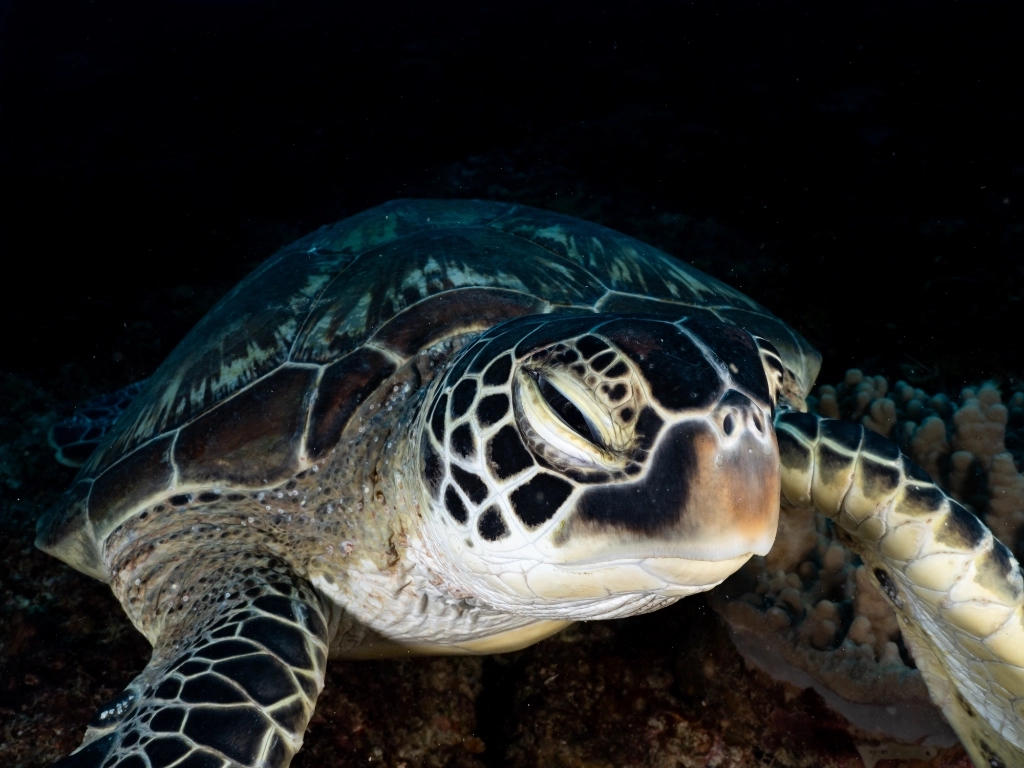
Relaxed divers often make a few controlled fin strokes, glide and look around. They are not continuously paddling with their hands or swimming as though they are doing lengths in a pool.
Slow down, keep your arms comfortable and follow the route and pace agreed with your guide. Currents, cameras and demanding tasks can increase effort and distract you from changes in your breathing.
Further reading: SSI: Scuba Diving Breathing — How to Stay Calm and Conserve Air.
Breathe comfortably. Never ration your breaths.
“Use less air” can sound like an instruction to breathe less. The goal is to reduce unnecessary effort while continuing to breathe comfortably.
Do not skip breaths to save gas
Breathe continuously. Avoid deliberately shallow breathing, forced breathing routines or pauses intended to stretch your supply. Skip breathing can reduce ventilation and allow carbon dioxide to build up, contributing to headaches, air hunger and anxiety.
Let better technique reduce your workload. Do not try to make a demanding dive manageable by withholding the breathing your body needs.
Source: DAN: Your Lungs and Diving.
Confidence starts before you enter the water
You do not have to be visibly panicking to feel tense underwater. Unfamiliar equipment, buoyancy concerns or worrying about being first to reach the agreed ascent pressure can take up considerable attention.
- Give yourself time to prepare and check your equipment.
- Tell your guide about concerns before the dive.
- Review the plan and communication signals.
- Choose depths and conditions appropriate to your experience.
- Consider a refresher after a break from diving.
If anxiety interferes with monitoring your depth, gas or buddy, postponing the dive is a sensible decision. Confidence develops through manageable experiences and support.
Further reading: DAN: Distraction, Discomfort and Disorientation.
Check your kit. Stay comfortably warm.
A leaking regulator or inflator can use gas without that gas ever reaching your lungs. Equipment that is difficult to breathe from can make a dive more demanding too. Complete your checks, investigate persistent bubbles and report breathing resistance or other faults to the dive team before continuing.
Source: DAN’s Smart Guide to Air Consumption.
Becoming cold can increase gas consumption and distract you. Choose exposure protection for the water temperature, dive duration and your own comfort rather than copying what another diver wears.
Further reading: DAN: Diving Dry.
Compare your dives. Not your buddies.
To track improvement, compare dives with similar depths, conditions, equipment and activity levels. Record whether you felt comfortable, held your depth easily or spent much of the dive swimming hard.
Ask your instructor to help interpret the numbers. Your gas plan must allow for ascent and foreseeable problems, including assisting a buddy. It should never depend on an arbitrary finishing pressure copied from someone else.
Never hide a low reading because you feel embarrassed. Your buddy and guide need accurate information to make safe decisions.
Further reading: SSI: Gas Consumption and Planning.
Unexpected breathlessness is a reason to act
Using more gas than your buddy is one thing. Feeling unable to get enough air is another. Stop exerting yourself, signal your buddy or guide and follow your training to end the dive under control. Do not restrict your breathing or rush to the surface.
Reference: NOAA Diving Manual.
Let’s clear the air.
Will Nitrox make my cylinder last longer?
Nitrox does not reduce your gas consumption. It can provide longer no-decompression limits than air at appropriate depths, but that is different from providing more breathing gas. Monitor your supply and follow the limits for your analysed mixture.
Source: SSI: Enriched Air Nitrox Training.
Should I use a bigger cylinder?
A larger cylinder may provide more gas at the same pressure, but it does not automatically reduce your breathing demand. Discuss cylinder choice, fit, weighting and the dive plan with your instructor or dive centre.
Can the Perfect Buoyancy course help?
It provides focused practice on weighting, trim, control and movement. Reducing unnecessary effort may help your gas consumption, but results vary with your experience, conditions and individual needs. The main goal is a more controlled, comfortable dive.
What if I reach the agreed pressure before everyone else?
Tell your buddy or guide promptly and follow the agreed plan. Do not delay reporting it, separate from your buddy or try to stretch your gas by skipping breaths.
Mark Slingo
SSI Instructor Trainer · Ocean Tribe Founder
Mark founded Ocean Tribe and works in recreational diver training, instructor development and adaptive diving. Based in Diani, Kenya, he helps divers and dive professionals develop their skills and confidence underwater.
Make your next dive feel easier.
The best reason to improve scuba air consumption is to enjoy better control, less unnecessary effort and more attention for the marine life around you.
Tell us what feels challenging. We can help you identify whether weighting, trim, equipment familiarity or confidence after a break deserves attention.