Discover your
ocean of
possibility.
Adaptive scuba training that puts your abilities first. Explore the underwater world with personalised instruction, qualified support and a dive team built around you.
Your team.
Your ocean.
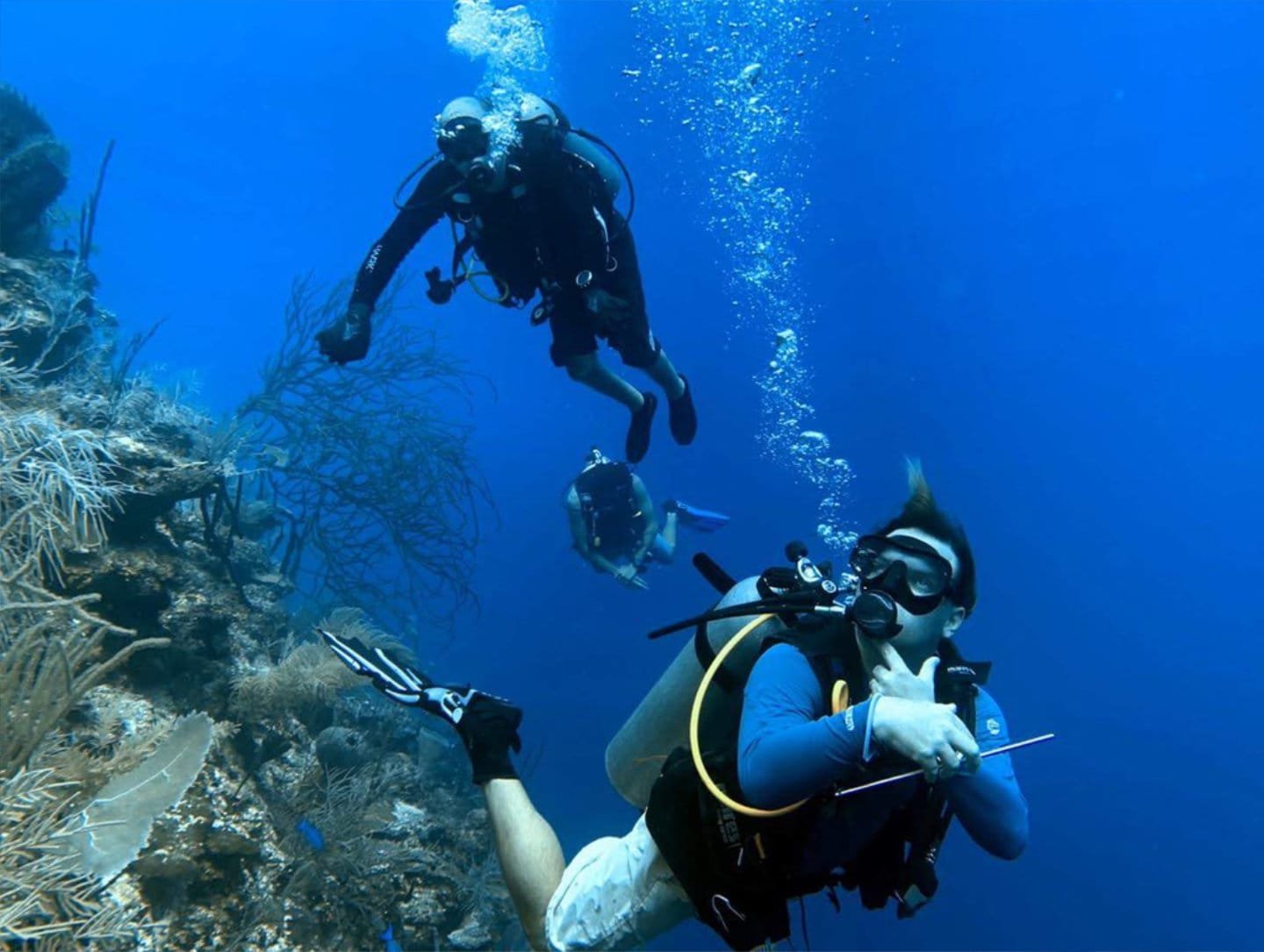
A different approach. The same adventure.
The SSI Classified Diver Program adapts Open Water Diver training for people who need assistance with some of the skills required for an autonomous diver certification.
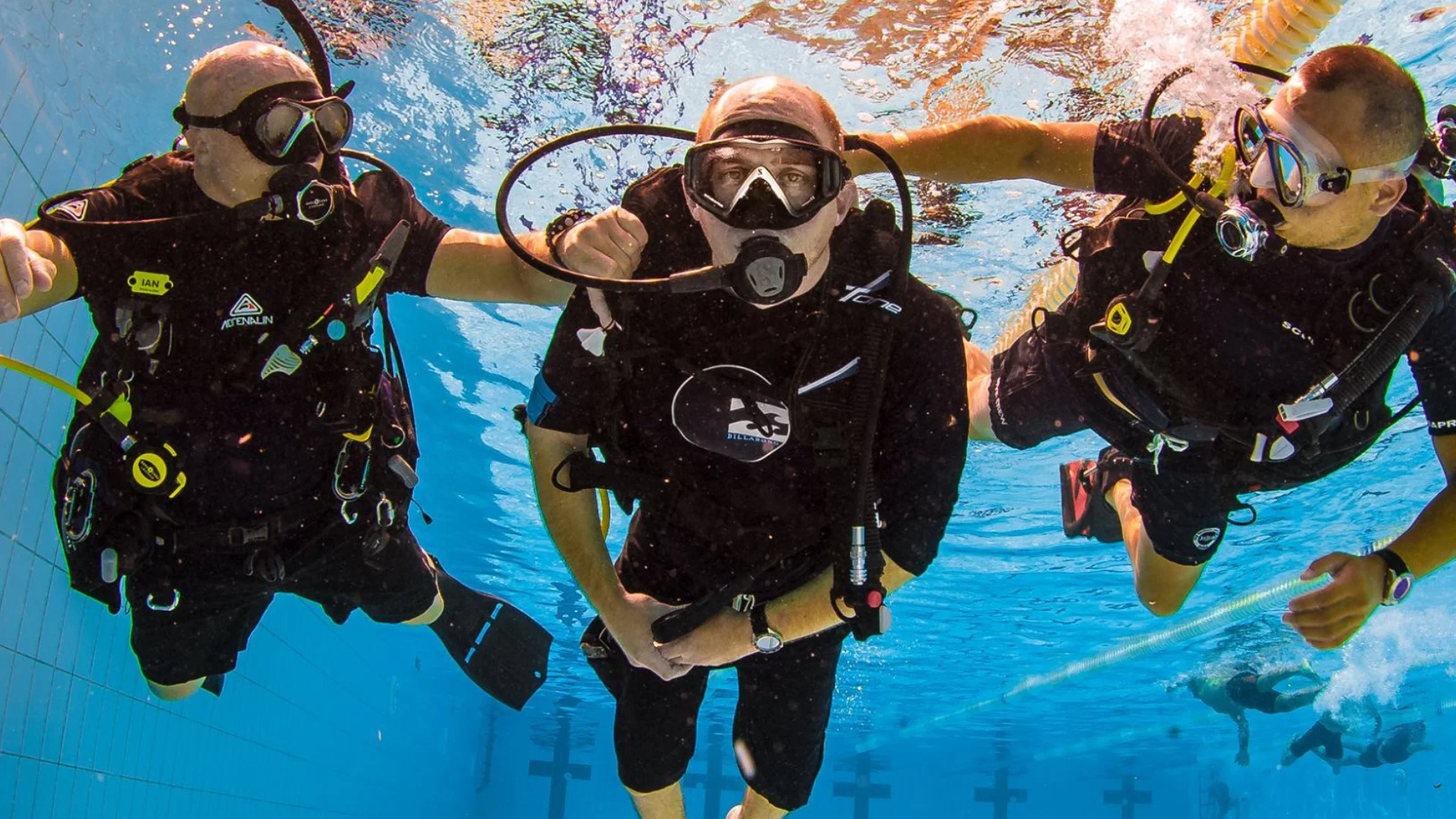
You learn the theory, practise in confined water and progress to open-water training with appropriate support. Your instructor adapts techniques, communication and equipment to your individual needs.
Your classification reflects your abilities in the water and the assistance you need. It helps dive centres plan the right team for your future dives.
Three levels. One shared ocean.
Each level describes the qualified support you need when diving. Your instructor assesses your skills and assistance needs in the water.
One Classified Dive Buddy
A Level 1 Classified Diver must dive with one certified Classified Dive Buddy.
Two Classified Dive Buddies
A Level 2 Classified Diver must dive with two certified Classified Dive Buddies.
Two buddies and a professional
A Level 3 Classified Diver must dive with two certified Classified Dive Buddies and one Classified Dive Professional.
Support requirements follow the SSI Classified Diving programme . Always dive within the conditions and limits of your training.
Let’s start with what works for you.
Tell us about your goals, experience and support needs. Participation is assessed individually, with medical clearance and appropriate training arrangements.
Mobility and physical disabilities
Discuss movement, equipment fit, transfers and water entry with your instructor. Adaptive techniques and buddy assistance can be considered as part of your individual training plan.
Sensory and communication needs
Tell us which communication methods work best for you. Your team can discuss suitable signals and ways to communicate clearly before, during and after a dive.
Different learning and support needs
Talk to us about pacing, repetition, breaks and additional assistance. Your instructor can discuss an approach suited to your needs, while considering the programme’s medical and training requirements.
Already certified or returning to diving?
Share your certification, recent diving experience and any changes in your abilities. We can discuss an assessment and appropriate training or support for your return to the water.
What happens before training starts?
We discuss your needs, review the required medical documentation and plan equipment, access and support. Medical clearance and an instructor assessment help determine appropriate participation.
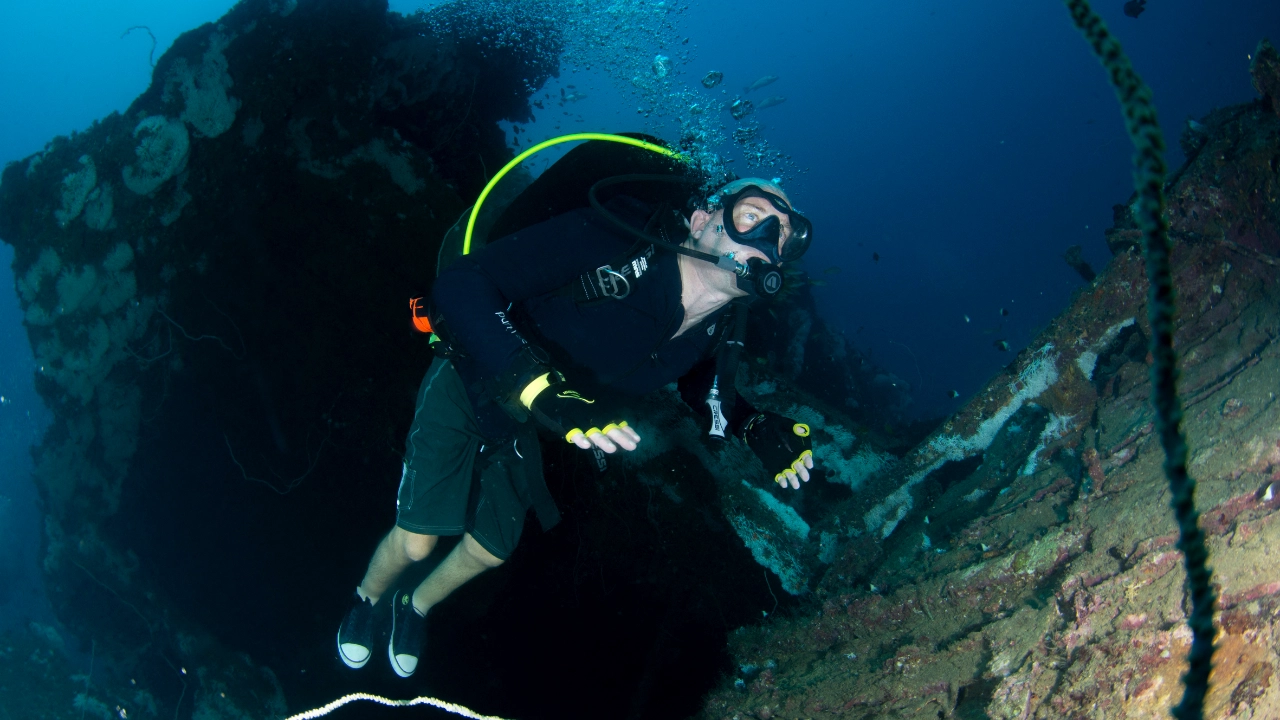

Personal experience. Professional expertise.
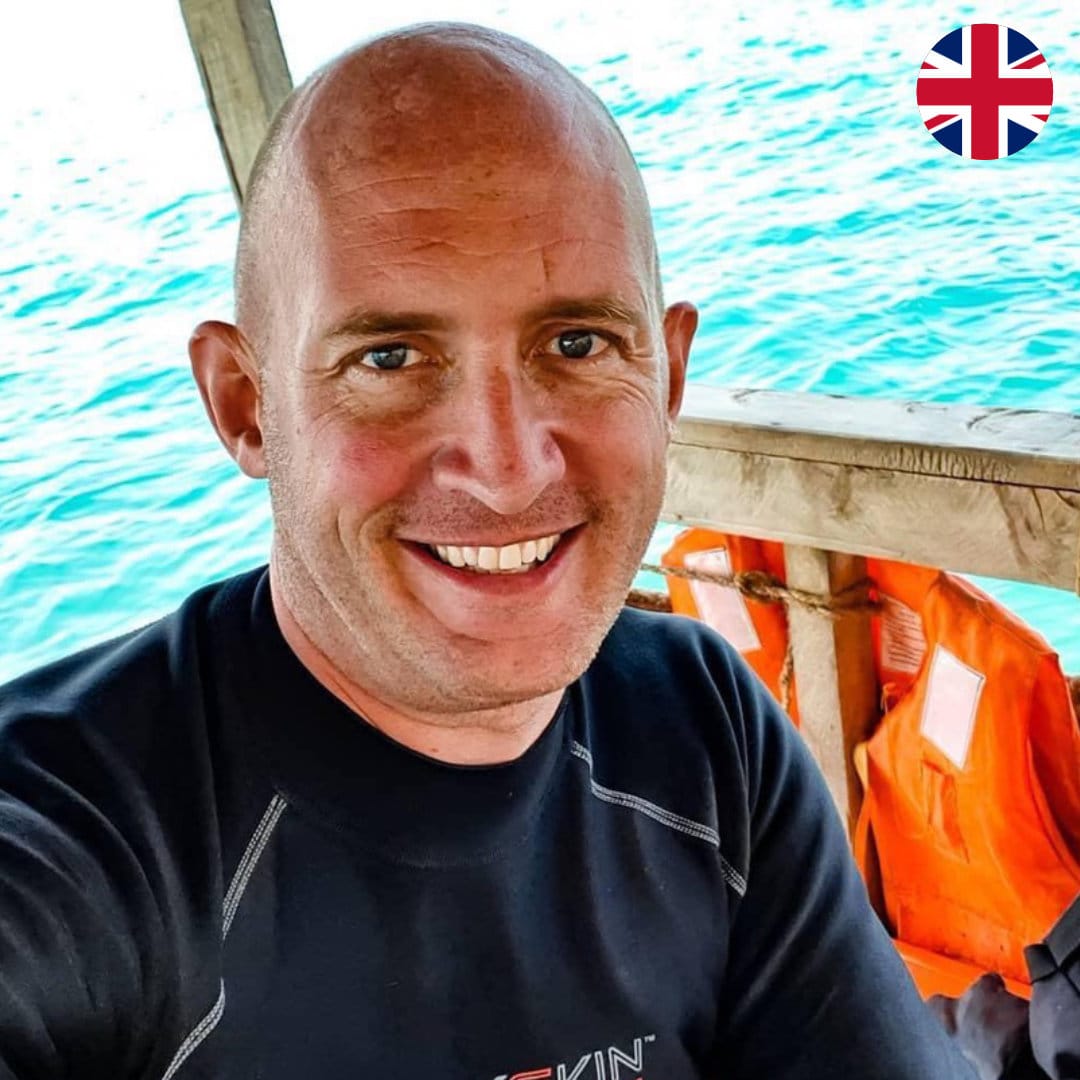
Mark Slingo is an SSI Instructor Trainer and PADI Course Director who leads Ocean Tribe in Diani Beach. As a paraplegic dive professional, he brings personal experience to adaptive diving and instructor training.
Following a life-changing accident in 2005, Mark returned to the ocean and built a career training divers and professionals. His experience shapes Ocean Tribe’s approach to inclusive scuba training.
Different approaches to adaptive diving.
Ask your chosen centre how its training, certification and buddy arrangements apply to your circumstances.
SSI Classified Diving
Adaptive Open Water training with a classification that records the required buddy and professional support.
PADI Adaptive Techniques
Training for professionals in adapting teaching techniques, with an Adaptive Support Diver course for divers who support buddies with disabilities.
Handicapped Scuba Association
An organisation specialising in adaptive diver, buddy and instructor training.
Start with a conversation. Build from there.
We’ll help you understand the next steps and plan a training approach around your individual needs.
Tell us your goals
Share your experience, what you’d like to try and the support that helps you learn.
Plan your participation
Discuss medical clearance, equipment, access and the appropriate dive team.
Build your confidence
Learn the theory and practise skills in confined water at a suitable pace.
Explore together
Progress to open water when ready, with the support your classification requires.
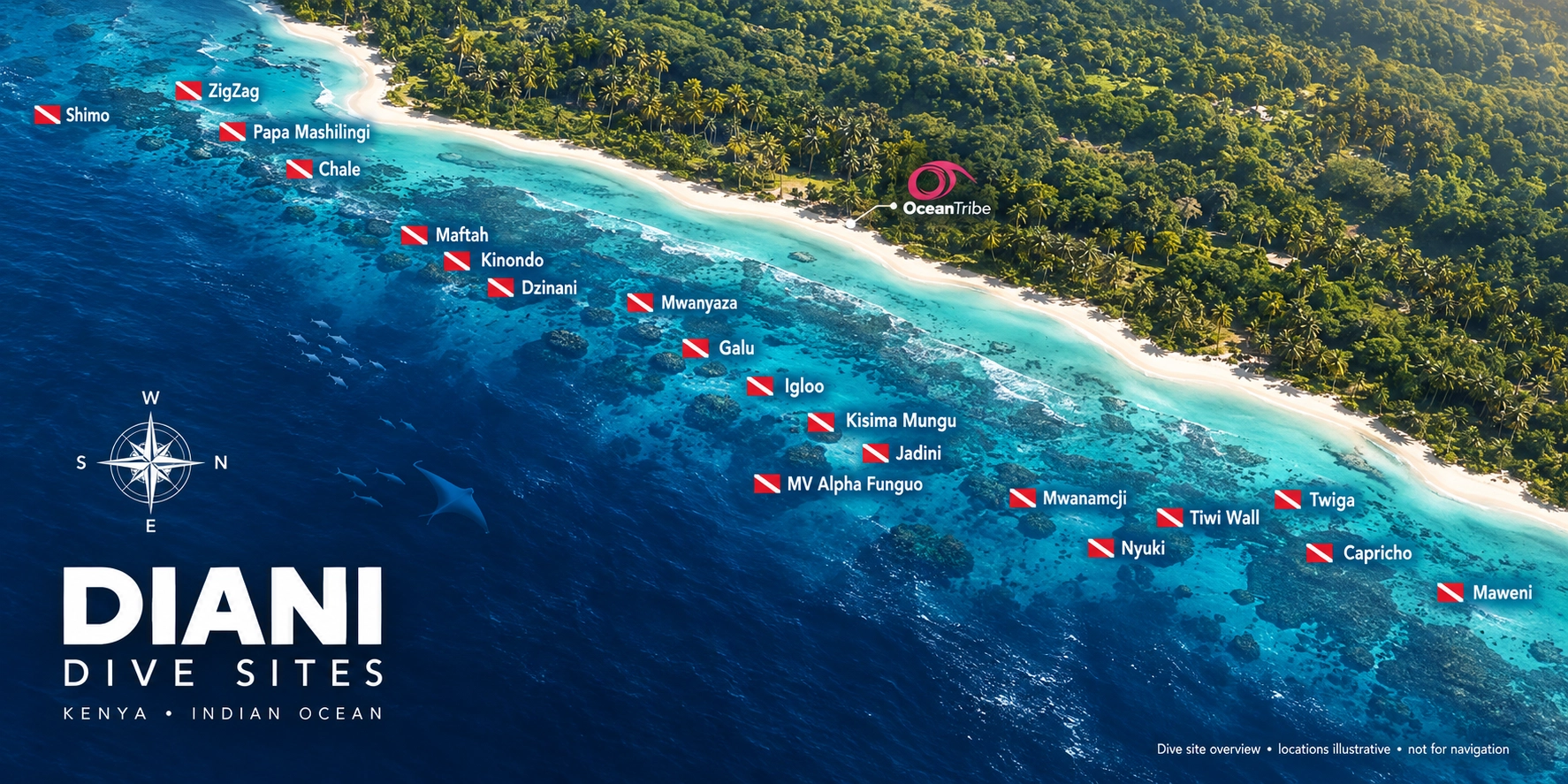
Your ocean adventure can start in Diani.
Tell us about your goals and support needs. Let’s explore how the SSI Classified Diver Program could help you experience the underwater world.