Divemaster internship.Every course has a purpose.
Your Divemaster internship course inclusions explained: up to eleven courses, three recognition ratings and the Divemaster qualification—depending on your starting level and successful completion of the requirements.
Develop the diver.
Build the professional.
Train for the work.
Not just the card.
Our Divemaster internship course inclusions are chosen to develop a capable diver who can progress into professional responsibility. Personal control, specialist experience, emergency skills, leadership and theory all have a place.
The full beginner pathway includes the eleven programmes below. If you already hold relevant certifications, we review your qualifications and experience to identify the training you need.
Recognition ratings are earned as your completed courses and logged dives meet SSI’s requirements. They are milestones in your development, rather than three extra courses.
Your Divemaster internship course inclusions
Each programme contributes something different. Together, they build the practical skills, knowledge and judgement you will draw on as a dive professional.
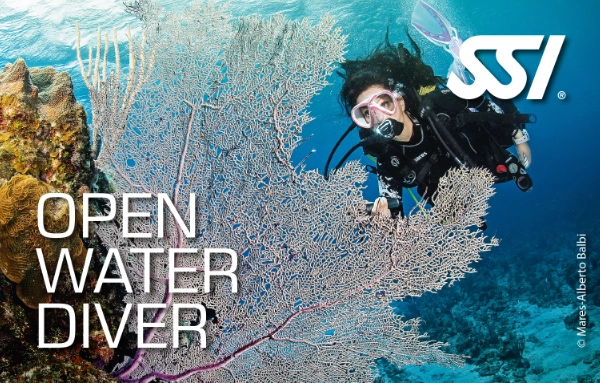
Open Water Diver
Open Water Diver is the opening course in scuba diving. If you join the internship as a beginner, it introduces the equipment, knowledge and practical skills that form the basis of your diving.
Every stage of your dive career builds on these foundations. We include Open Water so you can develop reliable core skills before refining them through specialties and moving into rescue and professional training.
Open Water is included when required by your starting level. Already certified? We build your pathway from your existing qualifications and experience.
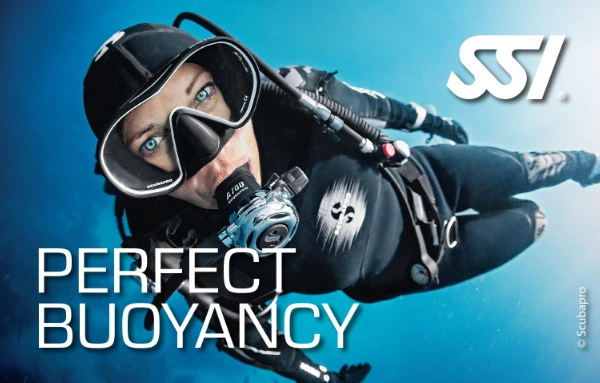
Perfect Buoyancy
Perfect Buoyancy develops the skills you first learn on Open Water. You fine-tune your weighting, adjust your trim and work on your alignment and position in the water.
Good trim and buoyancy help you stay clear of the reef and move more efficiently. Reducing unnecessary effort can also improve your air consumption. As a Divemaster, this control gives you a more stable position from which to observe and lead your group.
The aim is comfortable, efficient movement supported by appropriate weighting and good body position.
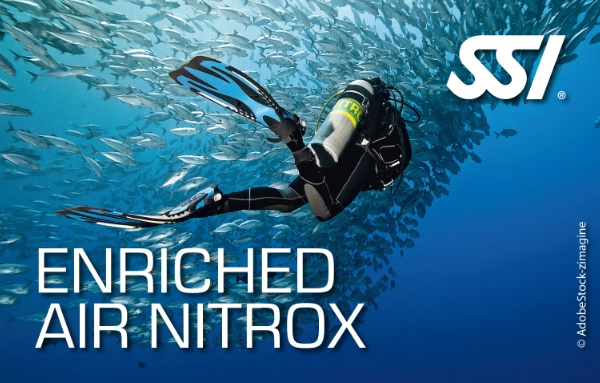
Enriched Air Nitrox
Enriched Air Nitrox can extend your available no-decompression bottom time compared with air at the same depth, within the limits of your mix and dive plan. You learn to analyse the gas, use the relevant planning tables and set your dive computer correctly.
Divemasters are often asked to make several dives in a day. Understanding Nitrox is therefore a valuable working skill: you need to plan your own dives correctly, understand oxygen limits and be comfortable using the gas and computer settings appropriate to the dive.
Any bottom-time benefit remains subject to gas supply, oxygen exposure and all other dive limits.
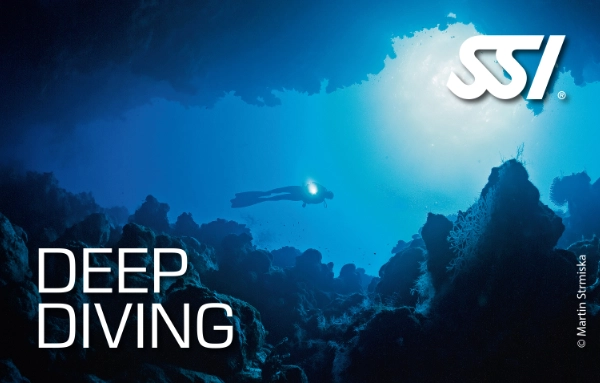
Deep Diving
The full SSI Deep Diving specialty develops the procedures and planning needed for recreational dives deeper than the 18-metre Open Water limit, progressing towards a maximum of 40 metres on successful completion.
A Divemaster needs a sound understanding of deeper diving, including gas planning, depth-related effects and appropriate procedures. The full specialty develops these subjects beyond the introductory deep dive in a general Advanced Open Water course.
Your qualification, experience, conditions and the group’s limits determine the depth appropriate to each dive.
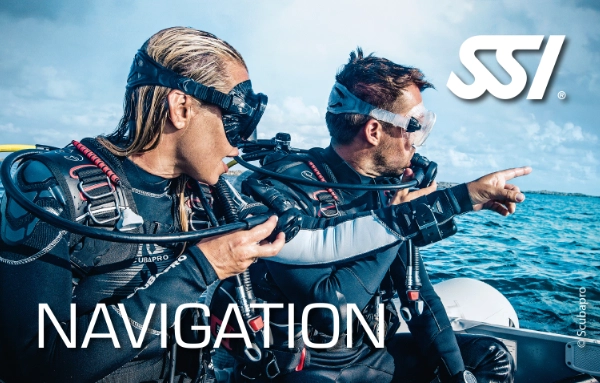
Navigation
Navigation develops your ability to find your way underwater using a compass and natural reference points. You practise following routes, maintaining orientation and returning towards your planned exit.
Finding your way is a key part of leading dives. You need to know where you are taking the group and how to bring them back. Stronger navigation also makes your own diving more comfortable because you can understand the route rather than simply follow someone else.
Navigation is included as a full course in the internship pathway, with prior qualifications considered when planning your training.
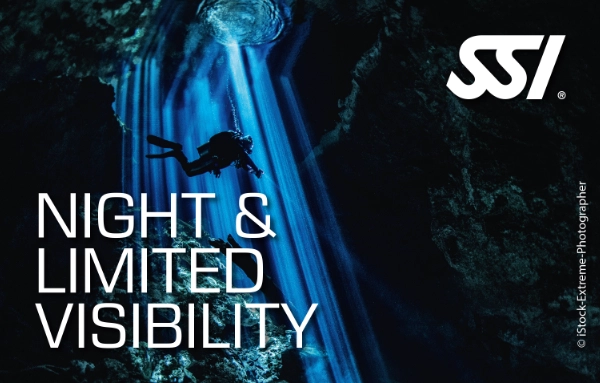
Night & Limited Visibility
Night diving introduces a different view of the underwater world, including marine life and behaviours you may not notice during daylight. The course also develops the procedures used when darkness or limited visibility changes the dive.
Leading night dives can be part of a Divemaster’s work. You need to understand lighting, signalling, orientation and the practical challenge of keeping your group together. We include this course so those procedures become part of your preparation as a dive leader.
The experience combines the appeal of night-time marine life with the discipline needed to manage a group.
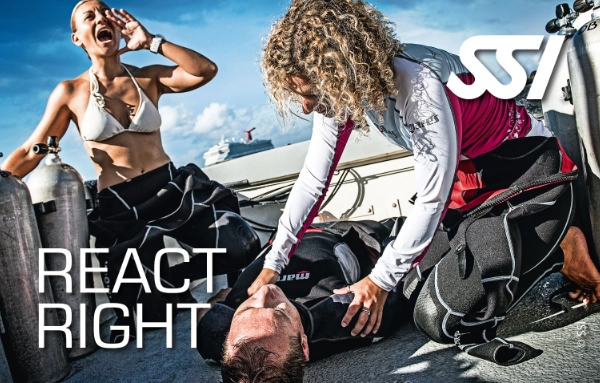
React Right
React Right develops first-response skills, including first aid, CPR and emergency oxygen administration. These skills support the emergency-care requirements of your professional pathway.
As a Divemaster, you will be in a position of responsibility for a dive group. You need to be able to respond when someone needs help, use the available emergency equipment and support the group until further assistance arrives.
We review the currency of any emergency-care qualifications you already hold and arrange the training your pathway requires.
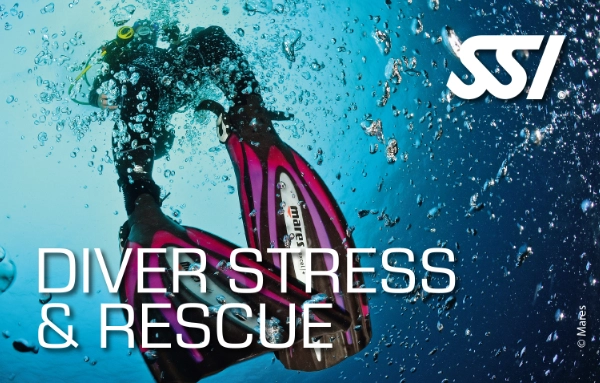
Diver Stress & Rescue
Diver Stress & Rescue is a core stage in your professional development. This is where your attention broadens towards other divers: recognising stress, identifying problems and responding before a situation escalates.
The best outcome is that a rescue never becomes necessary. You learn to address developing stress and problems, while also preparing for an emergency. That includes practising the recovery of an unconscious diver, removal from the water as a team and initiating the emergency response chain.
We include rescue training to develop both your awareness of other divers and your ability to act when prevention is no longer enough.
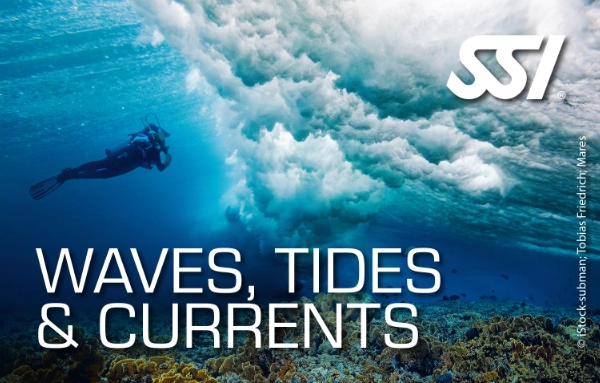
Waves, Tides & Currents
Learn more about how waves, tides and currents work and how they influence diving conditions. Connect that understanding with site choice, entries, exits, routes and suitable arrangements for a group.
A Divemaster needs to assess whether a dive should go ahead, be changed or be called off. You also need to appreciate how conditions affect a site’s suitability and how it should be organised for training. Being able to read the sea is a major part of making those decisions.
This course supports the judgement behind the dive plan, including recognising when conditions are unsuitable.
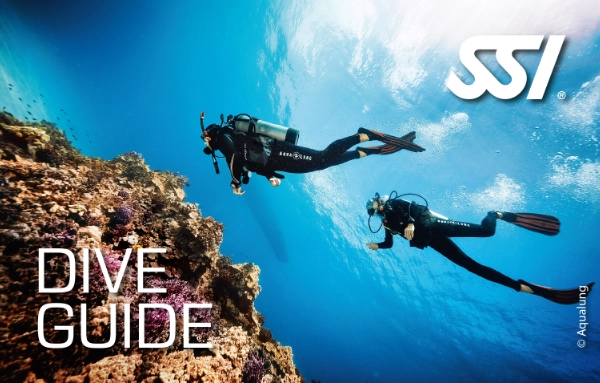
Dive Guide
Dive Guide brings the leadership side of the pathway together. You learn how to lead dives, work with people, keep a group together and apply the procedures expected of a capable dive leader.
The other courses develop your diving skills and knowledge; Dive Guide applies them to looking after a group. Planning, briefings, communication and supervision become part of a complete experience for the certified divers you guide.
Guiding competence develops through practice, feedback and assessment as you work towards professional responsibility.
Science of Diving
Science of Diving explores the physics, physiology, decompression theory, equipment and environmental knowledge behind diving. It helps explain why things happen, rather than leaving you with a list of rules to remember.
As a Divemaster, divers will ask you how equipment works, why pressure affects the body and how the principles of diving fit together. They look to you for informed answers. This course builds that understanding—and it is an interesting part of becoming a more knowledgeable diver yourself.
Knowing the science supports clear explanations, informed decisions and your progression towards SSI Divemaster.
Why isn’t Advanced Open Water included?
Because this internship develops skills through complete specialty courses, rather than requiring a separate introductory course as another step.
Advanced Open Water
SSI’s Advanced Open Water course introduces specialty diving through five training dives, including Deep Diving and Navigation. It is a useful way to explore different activities and decide what you would like to study further.
It is not a core requirement for SSI Divemaster. Professional prerequisites instead specify the relevant qualifications, experience, knowledge and assessed skills.
Our full-specialty pathway
You complete the full specialty programmes listed in your internship, including Deep Diving, Navigation and Night & Limited Visibility, while developing the other professional prerequisites.
That makes a separate Advanced Open Water introductory course unnecessary within this core pathway. This is a different training route—not a claim that completing it automatically issues an Advanced Open Water course certification.
SSI’s Advanced Open Water course explained ↗SSI Divemaster requirements ↗
Three milestones along the way
As your specialty training and verified dives build up, the internship pathway can earn these three SSI recognition ratings. They are issued when you meet the requirements, not simply when you book.
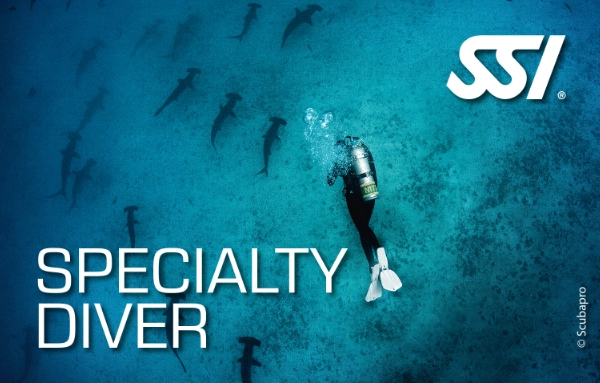
Specialty Diver
2 specialties + 12 divesAn early recognition of your continuing training and logged experience.
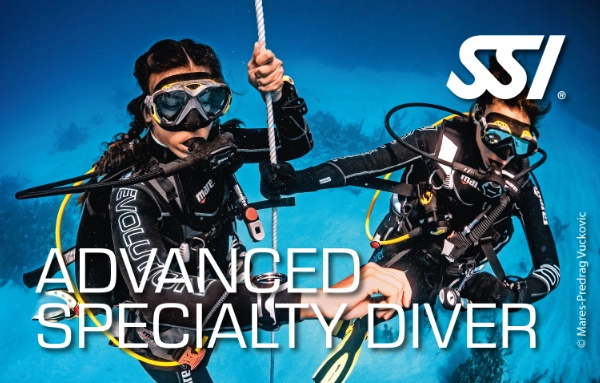
Advanced Specialty Diver
4 specialties + 24 divesRecognises completed specialty programmes and experience. It is different from the Advanced Open Water course.
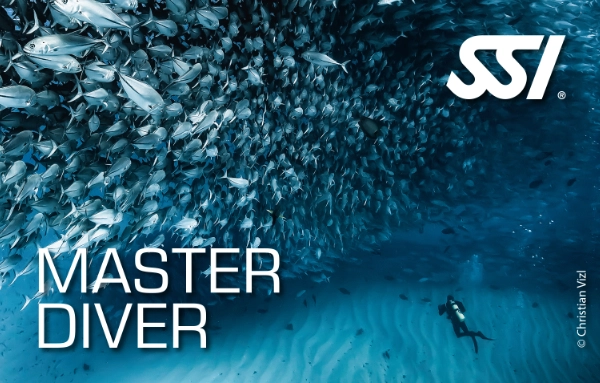
Master Diver
Deep + Rescue + 3 specialties + 50 divesA recreational recognition earned through the required training and logged dives—not a professional leadership qualification.
Recognitions do not replace the practical assessments or professional requirements for Divemaster. See SSI’s current recognition pathway →
Bring it together.
Become a Divemaster.
Dive Guide develops leadership. Science of Diving builds the supporting knowledge. Alongside the required assessments, experience and active-status requirements, they form the route to SSI Divemaster.
SSI’s current Divemaster standard includes at least 60 logged open-water dives totalling 40 hours, a minimum age of 18 and the required rescue and specialist experience. The necessary professional exams and documentation must also be completed.
The result is a professional qualification for guiding certified divers and assisting within the scope permitted by SSI standards. It does not authorise you to teach Open Water Diver courses independently.
Explore Divemaster internships →Divemaster + Marine Guide.
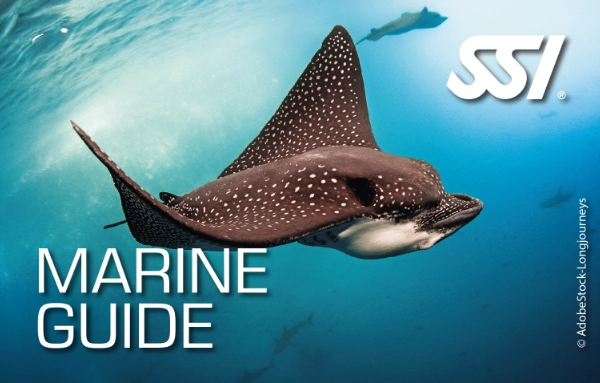
A good guide helps divers notice more. Ecological knowledge helps you explain what they are seeing and encourage thoughtful behaviour around marine life.
Our internship upgrade adds Marine Ecology and four additional SSI ecology programmes. The five-course selection below gives you a broad foundation for guiding in Diani.
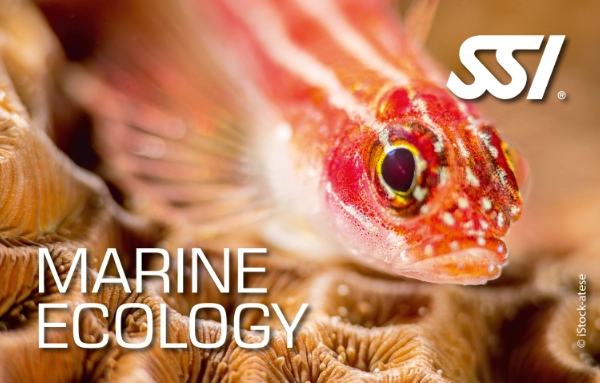
Marine Ecology
The foundation: understand habitats, interactions and the wider ecosystem.
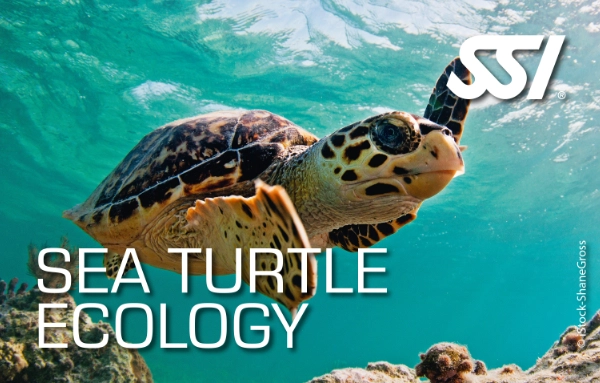
Sea Turtle Ecology
Learn more about the turtles divers hope to encounter.
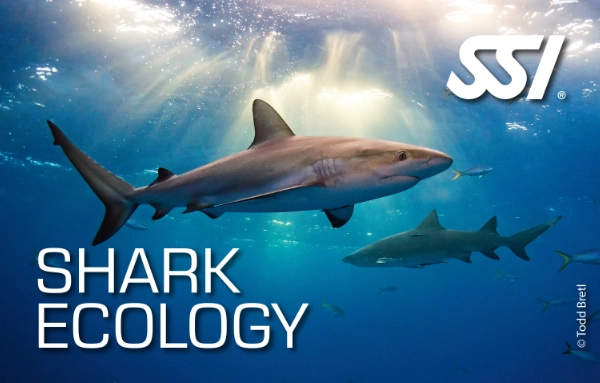
Shark Ecology
Bring informed understanding to conversations about sharks.
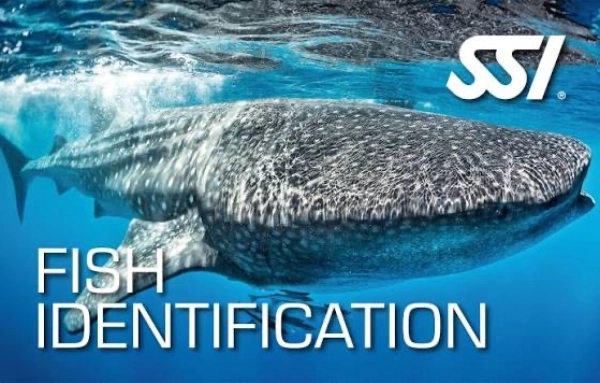
Fish Identification
Help guests put names to the fish they have seen.
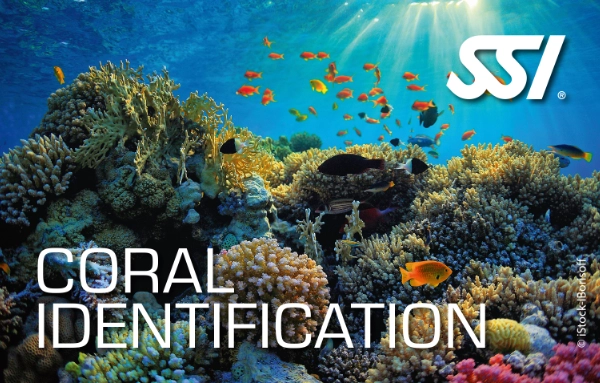
Coral Identification
Recognise the reef’s living structure and explain its importance.
Choose your professional setup
A familiar, well-fitting setup helps you develop consistent routines. Discuss the equipment option attached to your Divemaster internship quote and what you already own.
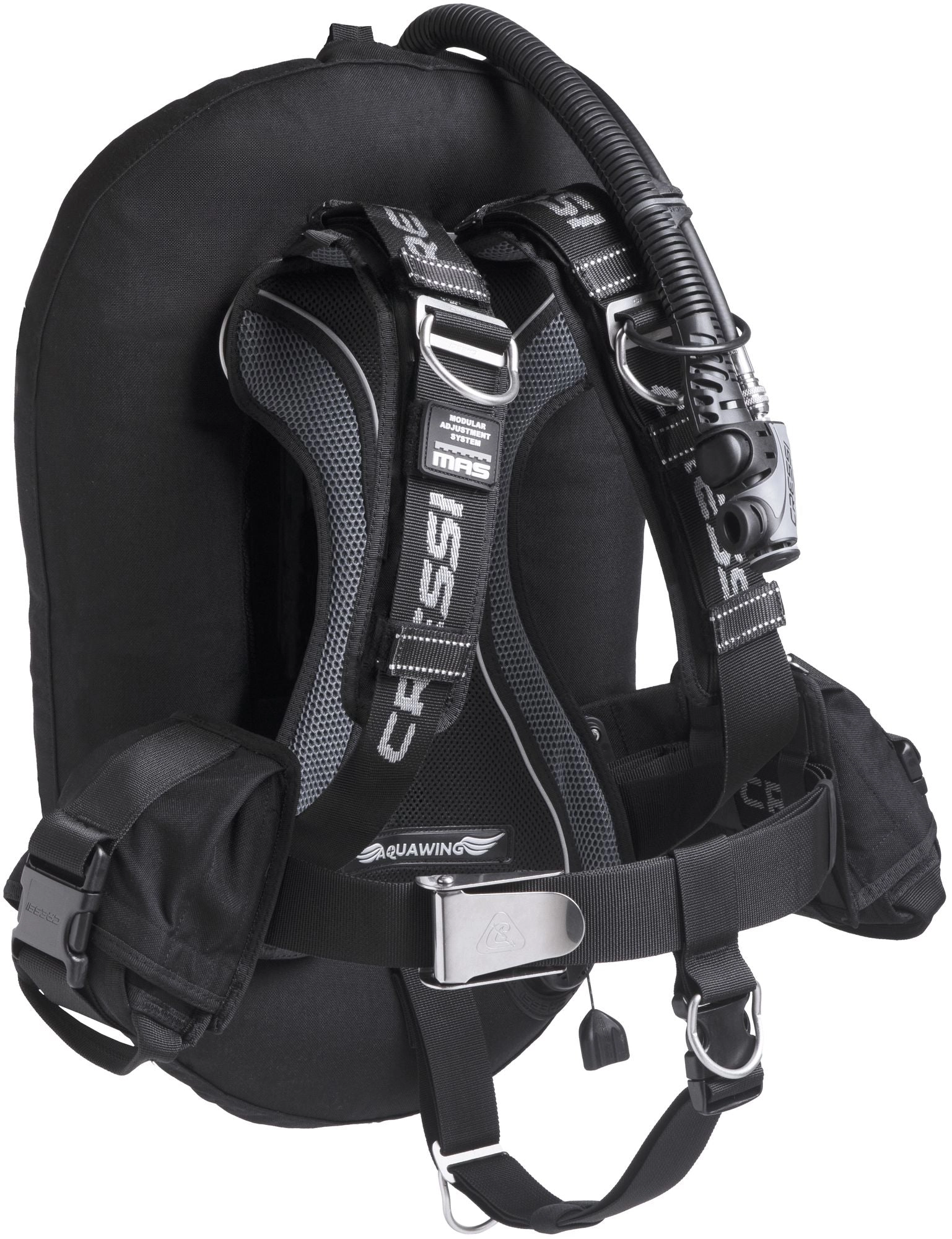
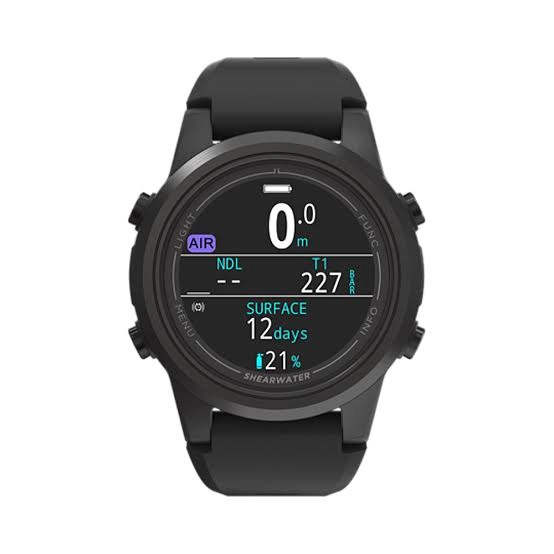
Gold Package
- Cressi Aquawing Plus BCD
- MC9 SC / Compact Pro regulator set and Digi 2 console
- Shearwater Tern TX or Peregrine TX computer
- Optional Swift air-transmitter upgrade
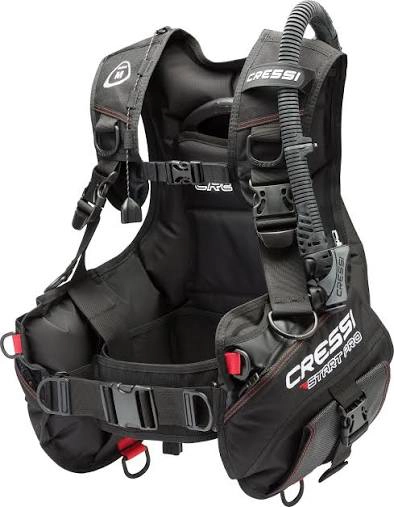
Silver Package
- Cressi Start Pro BCD
- MC9 / Compact regulator set
- Console 2 and Donatello computer
- Wrist-mount compass
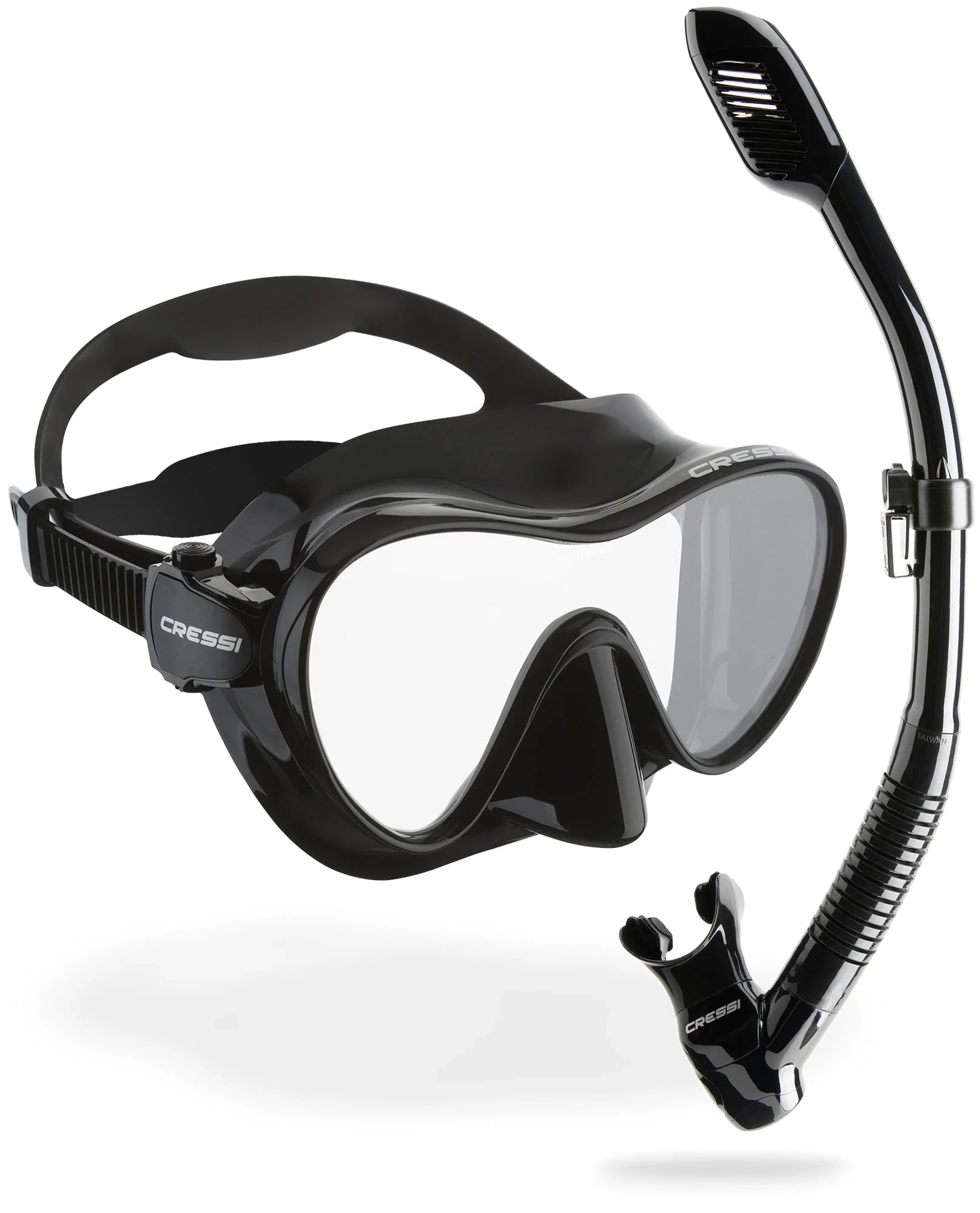
Dive Pro Extras
- Altum Shorty wetsuit and Maui fins
- F1 mask and dry snorkel
- Gerip BC knife and marker buoy
Gold, Silver and Dive Pro Extras options are shown on our internship equipment carousels. Bespoke packages are also available. Confirm inclusions, sizing, availability and any upgrade costs in your quote; equipment ownership is determined by the package you book.
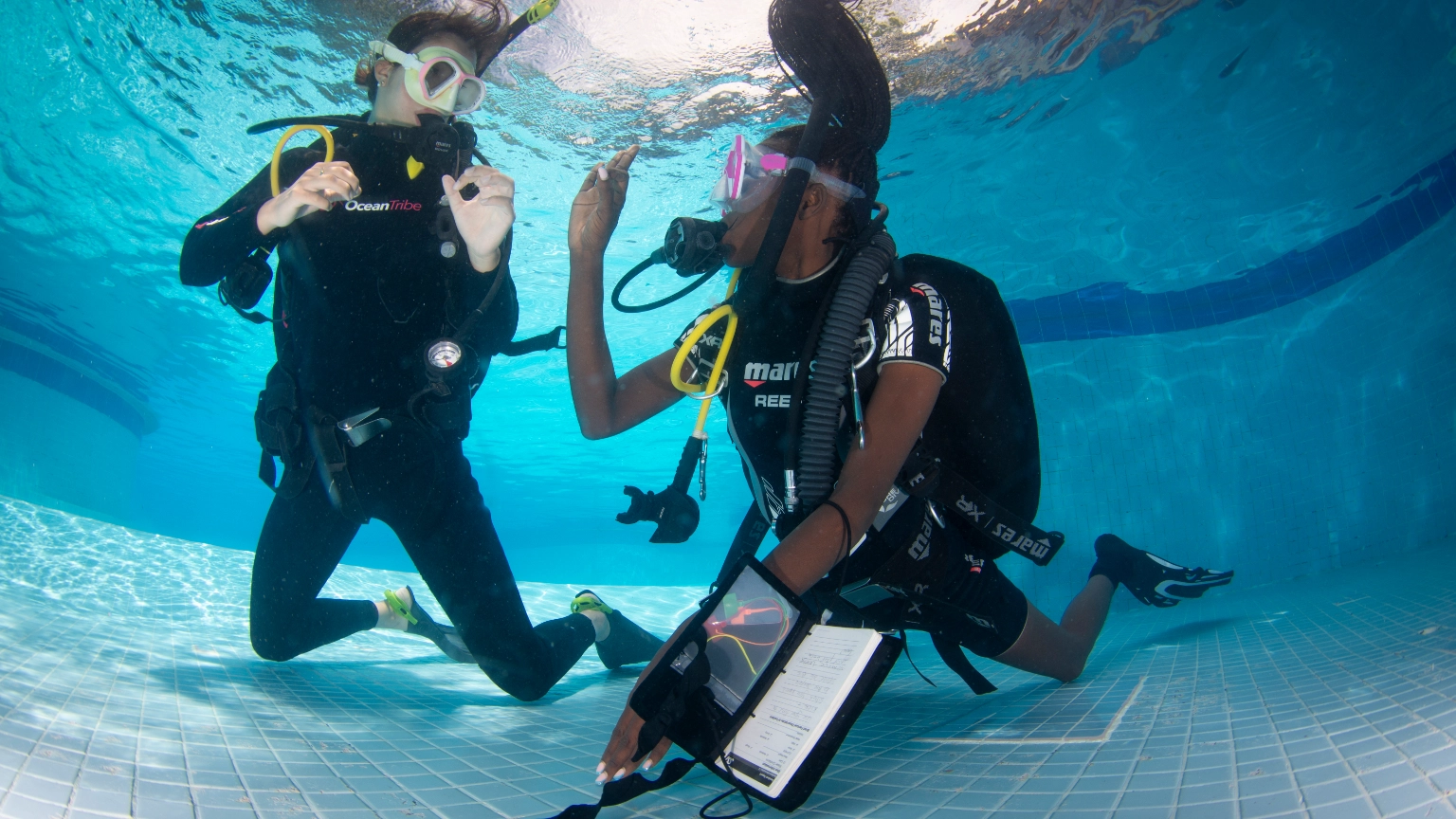
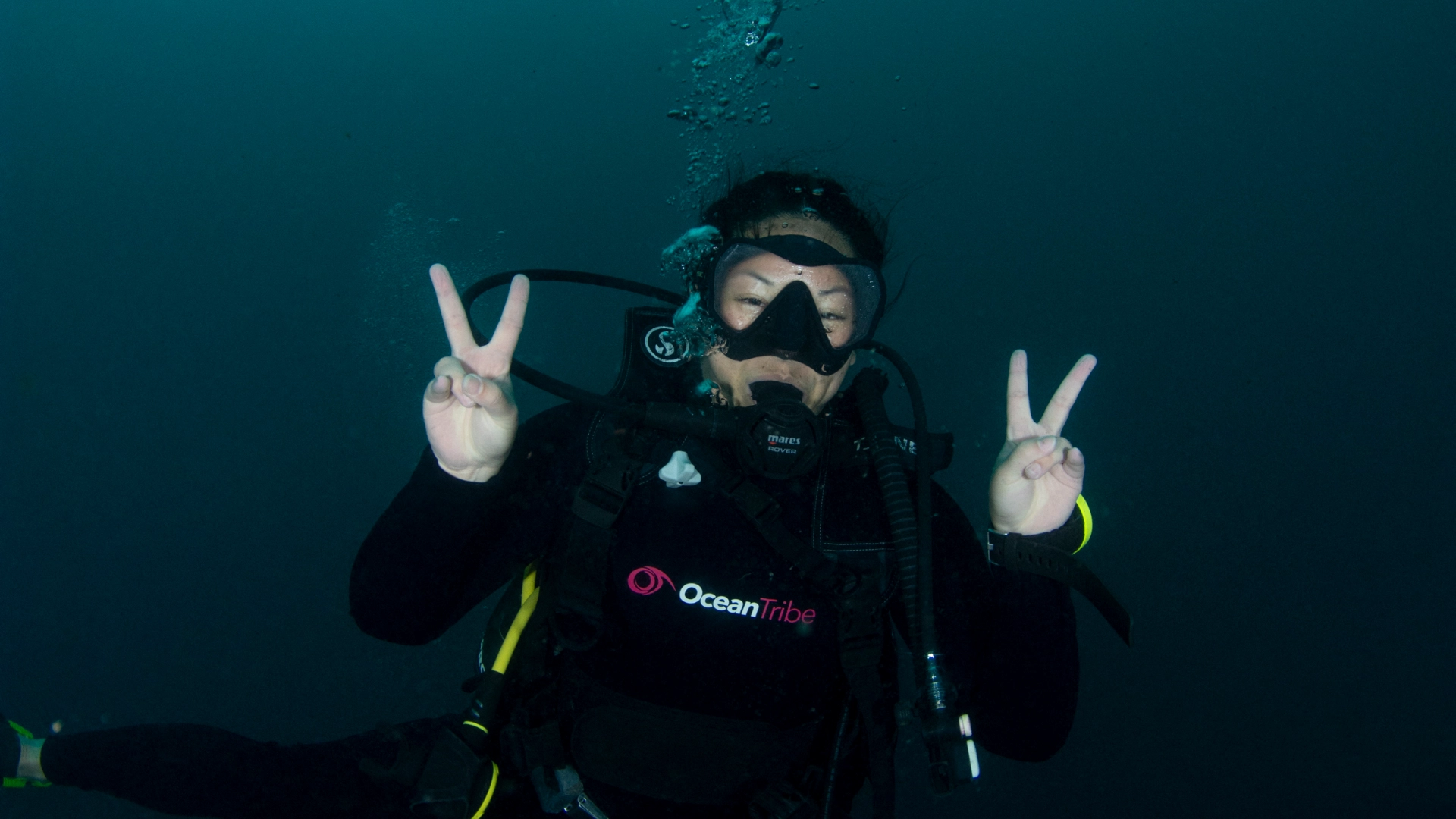
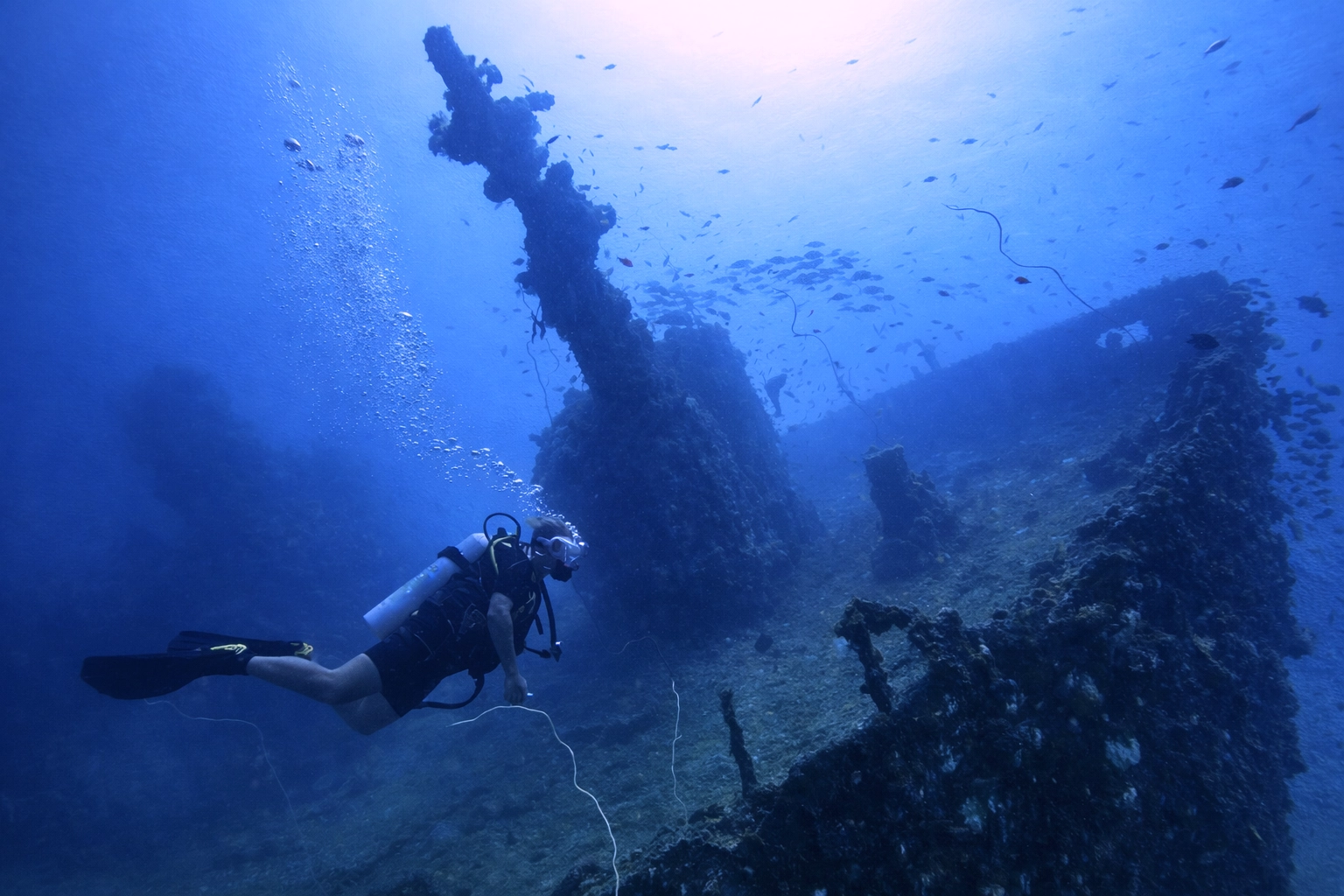
Give your skills time to become habits
The value of an internship comes from connecting learning with practice, feedback and increasing responsibility.
Your internship questions, answered
Will I receive all eleven courses if I am already certified?
The eleven-course list describes the full pathway. Your actual training depends on your starting qualifications and experience. Open Water Diver is included when needed; the team confirms which programmes and assessments your route requires.
Is Advanced Open Water a prerequisite for Divemaster?
SSI’s Divemaster requirements do not list the Advanced Open Water introductory course as a mandatory qualification. They specify rescue training, relevant deep, navigation and night-diving qualifications or qualifying experience, along with the other professional requirements.
Are the three recognition ratings extra courses?
No. Specialty Diver, Advanced Specialty Diver and Master Diver recognise completed training and logged experience. You receive them when your records meet the relevant requirements.
Can I add Marine Guide to the internship?
Yes. Ask about adding Marine Ecology and four additional ecology programmes. Complete Blue Oceans too, and the team will check your pathway against SSI’s current Marine Guide recognition requirements.
Is a new equipment package automatically included?
The equipment arrangement depends on the internship package and quote you choose. Discuss Gold, Silver, Dive Pro Extras or a bespoke setup, and tell the team about suitable equipment you already own.
Make every course count.
Tell Ocean Tribe your current certification, logged dives and goals. We’ll help you plan your Divemaster internship course inclusions, ecology upgrade and equipment options.
Ocean Tribe · Diani Beach, Kenya · +254 700 934854