Professional Dive Internships in Kenya: Your Journey to Divemaster or Instructor
Make diving a bigger part of your life. Our professional dive internships in Kenya combine SSI training, personal mentoring and practical experience within our working dive centre.
 Your next chapter starts here.
Love diving? Give that ambition somewhere to go.
Perhaps you want a purposeful gap year. Perhaps you are changing careers, or wondering what comes after your next recreational course. An internship gives that ambition a practical direction.
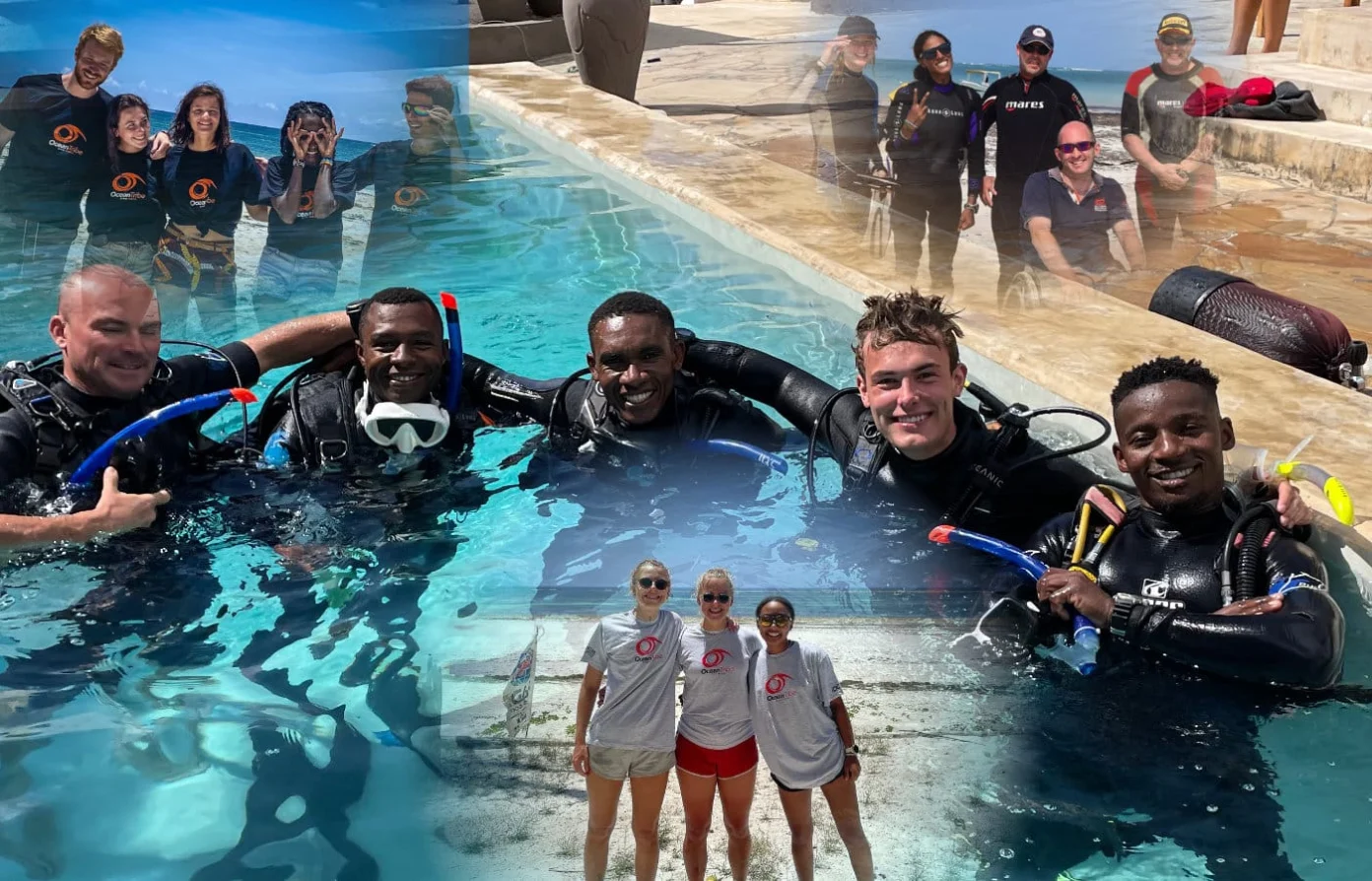
Becoming a professional means learning to notice other divers, communicate clearly and make sound decisions. At Ocean Tribe, you develop those habits through study, coaching and participation in daily operations. Bring curiosity, patience and a willingness to contribute to the team.
Which professional pathway fits you?
Divemaster internship
Build towards guiding certified divers and assisting instructors within your qualification’s permitted scope. Your development centres on planning, briefings, underwater leadership and awareness of the people around you.
Our Divemaster internship in Kenya welcomes beginners and certified divers. We review your qualifications and experience, then identify the training you need.
Explore Divemaster internship packages →Instructor internship
Develop towards teaching scuba through the SSI Instructor Training Course and Instructor Evaluation. You practise presenting knowledge, demonstrating skills and supporting students as they learn.
Your dive instructor internship can include the earlier stages you need. Already a Divemaster? We can plan your progression around your existing qualification and instructor-entry requirements.
Explore instructor internship packages →Build the skills behind the qualification.
Our dedicated course-inclusions guide explains the full Divemaster pathway. Your starting level determines what you complete. Each part supports a different aspect of professional responsibility.
Control and confidence
Open Water foundations, Perfect Buoyancy and specialist training develop personal competence. Deep Diving, Navigation, Nitrox and Night & Limited Visibility broaden your planning and practical experience.
Awareness and response
React Right and Diver Stress & Rescue develop emergency preparedness. You learn to recognise problems, support other divers and work with a team when assistance is needed.
Leadership and understanding
Dive Guide develops group leadership. Science of Diving builds supporting knowledge, while Waves, Tides & Currents connects environmental conditions with practical decisions.
Recognition and ecology
Specialty Diver, Advanced Specialty Diver and Master Diver recognise completed training and experience. They are not extra courses. The optional Marine Guide ecology upgrade develops your understanding of underwater life.
Prepare. Dive. Reflect. Improve.
Your days follow the needs of your training and the dive operation. Here is an illustration of how learning can fit together, rather than a fixed daily timetable.
Get the details right.
Review the plan with your instructor, prepare equipment and discuss conditions. Observe how guest experience and individual needs influence preparation and the briefing.
Put learning into practice.
Complete training dives, practise a skill or assist under appropriate supervision. Your role grows with your competence, qualification and stage of training.
Make the experience count.
Care for equipment, record your dives and review what happened. A debrief, workshop or study session turns the day’s experiences into priorities for your next session.
Weather, course activity and individual progress shape the schedule. Trainees work within their permitted scope and supervision requirements. Explore the example internship itinerary.
Give good habits time to develop.
Regular diving gives you opportunities to apply feedback. You might refine a demonstration, make a briefing clearer or become more observant of a diver who needs reassurance.
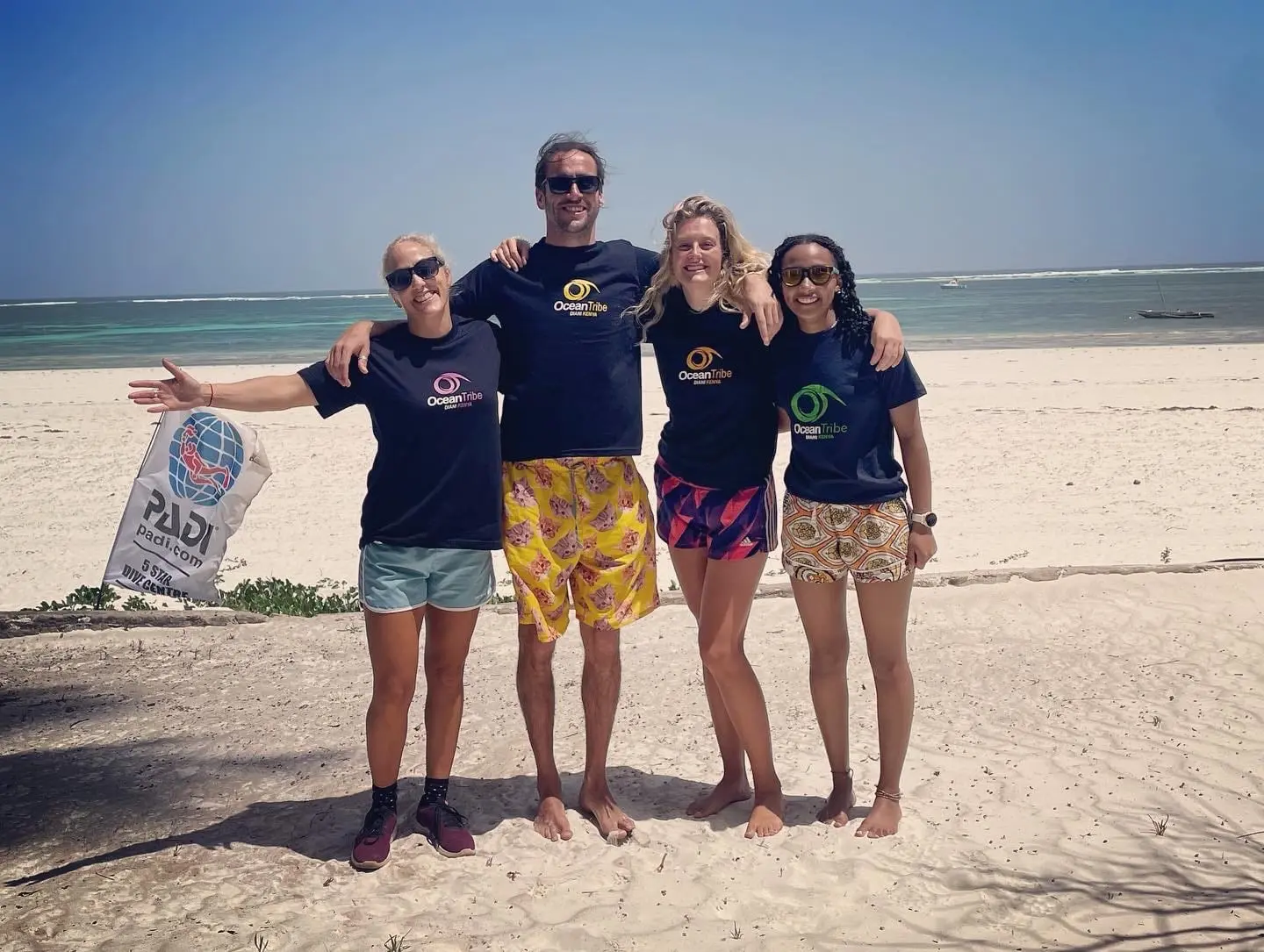
Course assists and guest interactions also develop patience and communication. Equipment care, preparation and teamwork show how reliable service depends on the whole operation.
Our internship approach to going pro gives these lessons room to connect. Progress comes from acting on feedback and taking increasing responsibility as you become ready.
How long should you allow?
Beginner to Divemaster
2–3 monthsA typical planning range for building qualifications and experience from the beginning. Advanced divers may need around four to six weeks, depending on their existing preparation.
Beginner to instructor
6–7 monthsAllow for the full progression and instructor prerequisites. Advanced or rescue-level routes may take around two to four months, depending on experience and scheduling.
Many interns build substantial dive experience, with more than 100 dives commonly reported on our programme pages. Your total depends on your starting point, stay, conditions and activities.
Look at the whole package.
Comparing internships means considering what supports your development: tuition, mentoring, diving opportunities and practical experience. Our guide to instructor internship value explores these components. Request a current personalised quote before making a decision.
- Confirm the courses, materials, certification and professional fees included in your chosen pathway.
- Choose the appropriate equipment arrangement: a package with new kit, suitable equipment you already own, or an agreed rental option.
- Budget separately for accommodation, meals, travel, medical assessments and insurance unless your quote includes them.
- Discuss ecology upgrades, additional instructor training and safari plans as separate options.
Why spend your internship in Diani Beach?
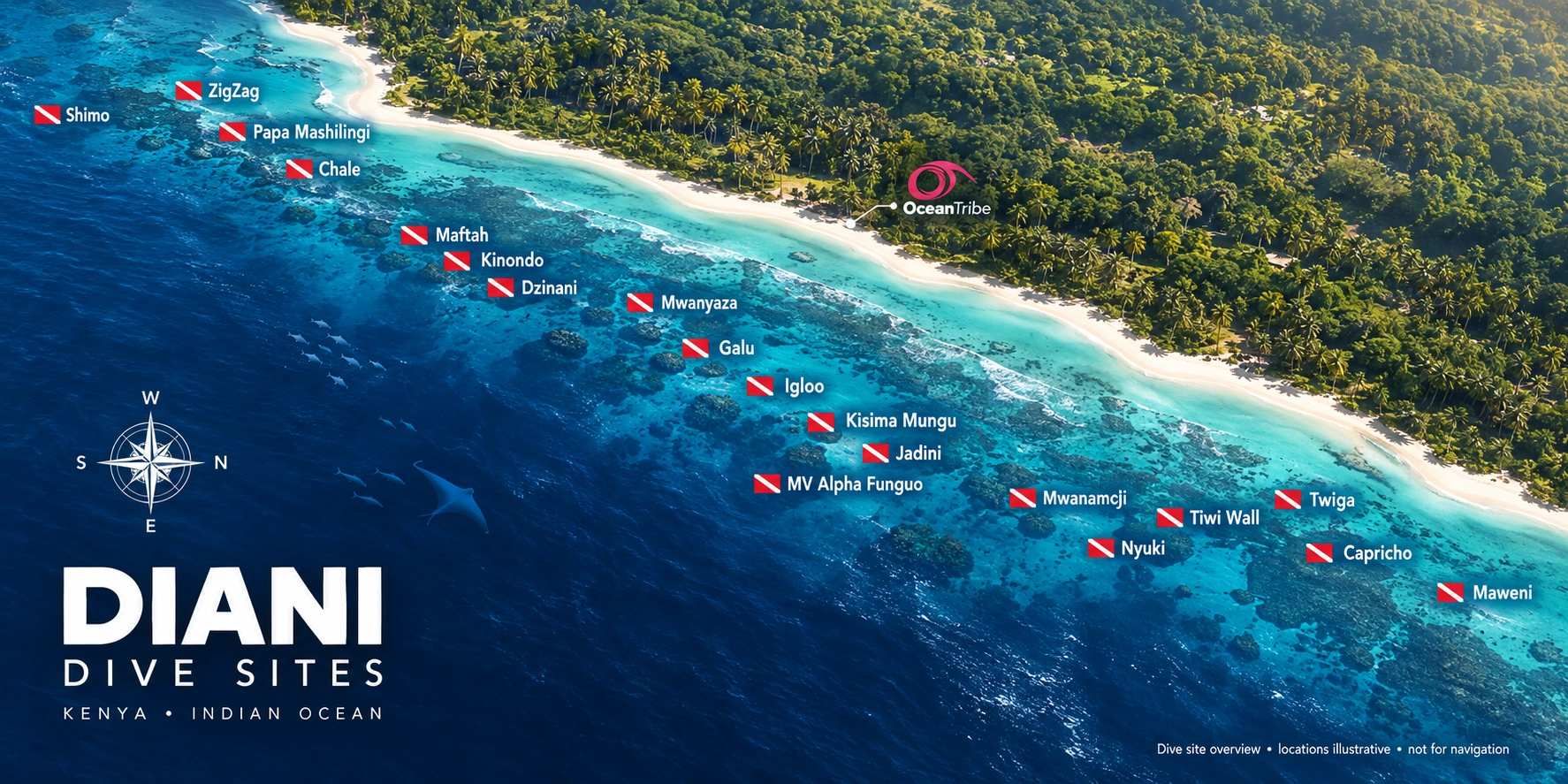
Diani connects professional development with life on Kenya’s coast. Local diving gives you opportunities to become familiar with sites, observe changing conditions and develop awareness through repeat visits.
Responsible diving and opportunities to join reef or beach clean-ups help connect your training with the environment. Optional ecology courses can deepen that understanding. Wildlife encounters always depend on the day.
Outside training, enjoy time on the coast or plan an optional safari around your programme. Read more about choosing Kenya for your Divemaster internship.
Prepare for your next professional step.
Your experience gives you practical examples to discuss with potential employers: assisting a course, preparing a briefing or contributing to a reliable team. We offer career guidance, with references and placement leads where possible. Employment is not guaranteed. Your attitude, communication and continued development remain part of building your career.
Your internship questions.
Can I join without diving experience?
Yes. Beginner pathways start with Open Water Diver. We discuss your goals, suitability and available time before recommending your route.
Should I choose Divemaster or instructor training?
Divemaster develops guiding and assisting skills. Instructor training develops teaching competence. Choose according to the role you want and the time you can commit.
How long will my internship take?
Beginners typically allow two to three months for Divemaster or around six to seven months for instructor progression. Existing qualifications can shorten the route.
Do I need my own scuba equipment?
We offer equipment-inclusive and own-equipment pathways. Discuss rental availability if needed. We confirm suitability and exact inclusions before you book.
Is accommodation included?
Accommodation can be arranged as an additional option. Your quote should specify the accommodation, duration and costs separately from training.
Will I get a job afterwards?
We help you prepare for applications and share relevant opportunities where possible. A qualification supports your career prospects, but does not guarantee employment.
Where are you starting?
Explore our professional dive internships in Kenya with a plan built around you. Send us your current certification, logged dives, available time and professional goal. We will recommend a pathway and explain your next steps.