If you’re a Divemaster who loves the marine life as much as the diving, you can become an SSI Marine Guide. It’s SSI’s recognition for dive professionals who have become genuine experts in the ocean around them, and it’s within reach of anyone already working as a Divemaster.
This guide explains what the rating is, what you need, and the steps to earn it. It also covers why it’s worth doing, especially if you’re training or working somewhere with the marine life of Kenya’s south coast.
What is the SSI Marine Guide rating?
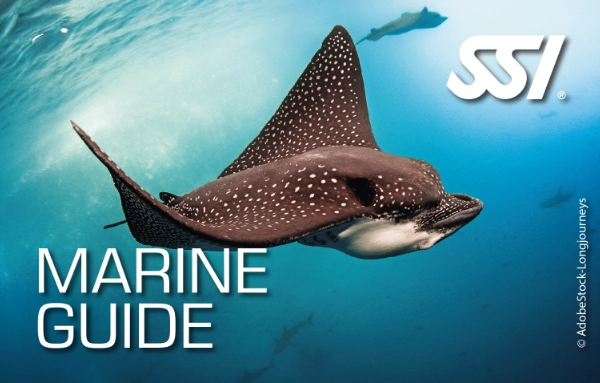
The Marine Guide is an SSI professional recognition rating. It isn’t a separate course with an exam. You earn it by completing a set of SSI Ecology programs, which shows that you know the animals, habitats and conservation issues you’re guiding divers through.
SSI launched the rating in 2021 for professionals who become subject-matter experts in Ecology. It sits alongside your Divemaster rating rather than replacing it.
What do you need to become an SSI Marine Guide?
The requirements are short:
- An active SSI Dive Guide or higher. A Divemaster qualifies, as do Assistant Instructors and Instructors.
- SSI Marine Ecology.
- Four additional SSI Ecology programs.
“Active” matters. Your professional status must be current when you qualify, so renew before you start.
How to become an SSI Marine Guide: step by step
1. Become an SSI Divemaster (or hold an active Dive Guide rating).
If you aren’t a professional yet, this comes first. At Ocean Tribe the SSI Divemaster internship starts at any certification level. Experienced divers can finish in about 4–6 weeks, and starting from scratch takes up to about three months.
2. Complete SSI Marine Ecology.
This is the foundation program. It covers how marine ecosystems work and how divers can interact with wildlife responsibly. Everything else builds on it.
3. Choose four more Ecology programs.
Pick the ones that match the wildlife where you dive. SSI’s options have included:
- Shark Ecology
- Sea Turtle Ecology
- Fish Identification
- Coral Identification
- Manta & Ray Ecology
SSI adds to this range over time, so check the current list on SSI’s Environment programs page. [Ocean Tribe to confirm which Ecology programs it runs.]
4. Keep your professional status active.
The rating depends on your active status, so renew your membership on time.
5. Check that the rating is on your record.
Look at your MySSI profile once the programs are finished, and ask your training centre or SSI if the recognition doesn’t show up.
Why become an SSI Marine Guide?
It makes you more useful. Divers remember the dive where the guide showed them a turtle, named the fish and explained why the reef looked the way it did. Ecology knowledge turns a good dive into a memorable one.
It adds to your income. As a Divemaster, you can teach Ecology programs to certified divers while guiding dives, which gives you extra revenue from the same days on the water.
It sets you apart. Dive centres see plenty of Divemaster CVs. A Marine Guide rating shows initiative and specialist knowledge, and it counts for a lot at centres that care about conservation.
It’s recognised internationally. SSI lists the Marine Guide under ISO 21417, so the rating follows you wherever you work.
Why train for it in Diani, Kenya?
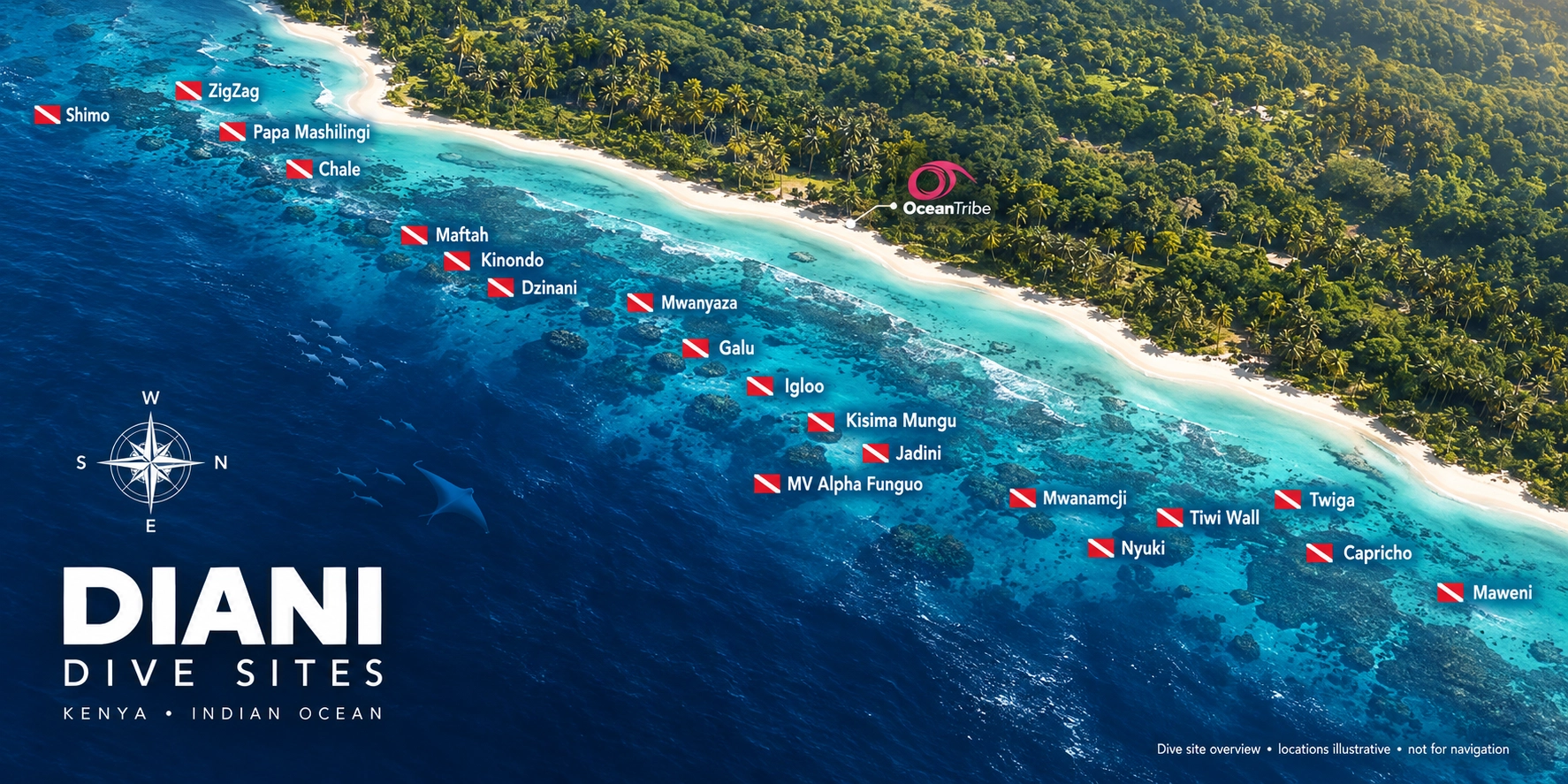
Diani’s reefs are a great place to learn ecology in practice. You can log dives on coral reefs, with turtles, rays, octopus and nudibranchs, plus bigger animals in season. Kisite Marine Park is a short boat ride away. Because Ocean Tribe works with small groups and one-to-one mentoring, you spend more time looking at the animals and less time queuing for kit.
If you’d like to combine your Divemaster training with Ecology programs, ask us about building them into your internship.
How long does it take?
That depends on where you start. A Divemaster who already has an active rating only needs to complete the Ecology programs, and several of them can be done in a few days of theory and dives. [Ocean Tribe to add typical timing and price.]
Frequently asked questions
Do I have to be a Divemaster to become an SSI Marine Guide?
No, but you need at least an active Dive Guide rating. Divemasters, Assistant Instructors and Instructors also qualify.
Is the Marine Guide a course?
No. It’s a recognition rating you earn by completing Marine Ecology and four additional Ecology programs.
Can I earn it during a Divemaster internship?
Yes. The Ecology programs fit well alongside Divemaster training, because you’re already logging dives and building experience. Talk to us about adding them to your plan.
Does it replace my Divemaster rating?
No. It’s an addition to your professional rating, not a replacement.
Ready to start?
If you’re already a Divemaster, get in touch and we’ll plan your Ecology programs around your dives. If you’re not there yet, look at our Divemaster internship, or book online and save $10. You can also learn more from SSI about professional recognition.