Home Blog Page 55

React Right CPR & First Aid Instructor Course

React Right CPR & First Aid Instructor Course
SSI Emergency Response Instructor Training

Teach Skills
That Save Lives.

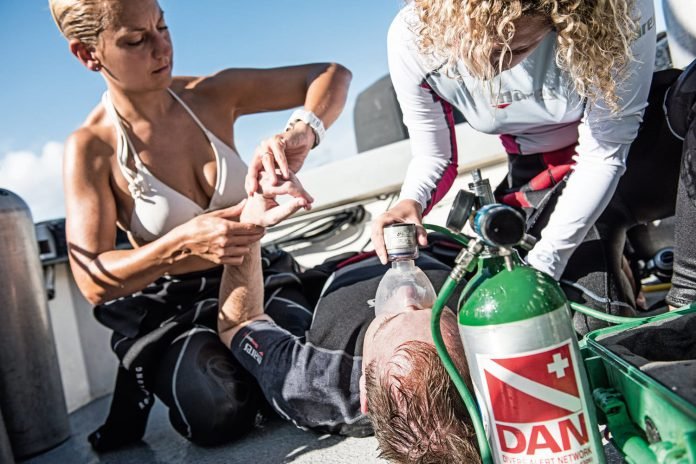
Become an SSI React Right Instructor and learn how to teach CPR, first aid, emergency oxygen administration and AED use to divers, professionals and members of the wider community.

  • First Aid & CPR
  • Emergency Oxygen
  • AED Training
  • Instructor-Level Qualification
Explore the Course
🎂 18+ Minimum age
❤️ CPR & First Aid Core response skills
⚡ AED Defibrillator training
🫧 Oxygen Emergency administration
💥 $249 Course price
Become an emergency response educator

Confidence When Every Second Counts

The SSI React Right CPR & First Aid Instructor Course develops your ability to teach life-saving emergency response skills to both divers and non-divers.

You will learn how to present essential emergency-response knowledge, demonstrate practical skills and guide students through realistic training scenarios involving CPR, first aid, oxygen administration and Automated External Defibrillator use.

This qualification adds an important professional teaching skill to your portfolio. It is valuable within the diving industry and in the wider community, where confident first responders can make a genuine difference during a medical emergency.

React Right is not limited to diving emergencies. The skills you learn to teach can be applied in dive centres, workplaces, homes, schools, sports settings and everyday life.
SSI React Right CPR and First Aid Instructor training
Professional training for real-world emergency response
The React Right system

Four Essential Areas of Training

Learn how to teach the complete SSI React Right emergency-response program using current equipment, structured demonstrations and practical scenarios.

❤

First Aid

Teach students how to assess an incident, protect themselves, identify injuries and provide appropriate immediate care until professional help arrives.

🫁

CPR

Demonstrate effective cardiopulmonary resuscitation and coach students through correct positioning, compressions and emergency action sequences.

⚡

AED Support

Teach the safe and effective use of an Automated External Defibrillator as part of a coordinated response to sudden cardiac arrest.

O₂

Emergency Oxygen

Show students how to identify when oxygen may be required, assemble appropriate equipment and administer emergency oxygen correctly.

Instructor development

What You’ll Learn to Teach

Develop both your emergency-response knowledge and your ability to turn that knowledge into clear, effective student training.

01

Scene Assessment

Teach students to recognise hazards, protect themselves and assess an emergency before beginning care.

02

Emergency Action Planning

Explain how to activate emergency services, organise assistance and manage an incident until qualified medical care arrives.

03

CPR Techniques

Demonstrate appropriate CPR techniques and coach students through the required practical skill sequences.

04

First Aid Response

Teach students how to respond to common injuries and medical emergencies within the limits of their training.

05

AED Operation

Demonstrate AED preparation and use, including safety considerations and coordination with CPR.

06

Oxygen Equipment

Teach equipment assembly, oxygen-delivery options, safety procedures and emergency administration.

07

Practical Scenarios

Facilitate realistic scenarios that allow students to combine assessment, communication and practical response skills.

08

Student Certification

Conduct the required academic and practical training so eligible students can earn their SSI React Right digital certification.

Instructor certification

Two Routes to React Right Instructor

SSI provides two routes toward the instructor rating. The route available to you depends on your current professional status and qualifications.

Instructor seminar

Specialty Instructor Seminar

Complete a dedicated React Right Specialty Instructor Seminar with an appropriately qualified SSI trainer.

  • Structured instructor-level training
  • Teaching system and standards review
  • Practical demonstration development
  • Emergency equipment use
  • Required React Right final examination

Non-SSI diving professionals must complete the Specialty Instructor Seminar route to become an SSI React Right Instructor.

Practical route

Co-Teaching

Eligible SSI professionals may complete the applicable co-teaching requirements alongside an active-status React Right Specialty Instructor.

  • Observe an experienced instructor
  • Participate in student training
  • Deliver academic instruction
  • Demonstrate practical skills
  • Complete all applicable requirements

Your SSI trainer will confirm which certification route applies to your current professional status.

Grow your professional skill set

Who Is This Course For?

🤿

Dive Professionals

Divemasters, Assistant Instructors and Instructors who want to add emergency-response teaching to their professional skill set.

🛟

Rescue-Level Divers

Rescue divers exploring the next stage of their professional pathway. Your eligibility and required route must be confirmed before enrolment.

🌍

Emergency Response Educators

Eligible professionals passionate about teaching life-saving skills to divers and members of the wider community.

Minimum age is 18. Because the correct instructor pathway depends on your current training-agency status and qualifications, contact Ocean Tribe if you are unsure which route applies to you.
18+ Minimum candidate age
Candidate requirements

Before You Begin

Professional Status

Your trainer will verify your current professional qualifications and determine whether you should complete the Specialty Instructor Seminar or the applicable co-teaching route.

Training Equipment

React Right Instructor candidates must train using current and appropriate first aid, CPR, oxygen-administration and AED equipment.

Non-SSI Professionals

Non-SSI professionals may become React Right Instructors by completing the Specialty Instructor Seminar.

Complete your rating

Course Completion Requirements

To earn the rating, candidates must successfully complete the appropriate training route and demonstrate the required instructor-level knowledge.

Complete Your Training Route

Successfully complete the Specialty Instructor Seminar or the relevant co-teaching requirements outlined by SSI.

Pass the Final Examination

Complete the required React Right final examination with a passing score.

Demonstrate Teaching Ability

Show that you can organise training, explain the subject clearly, demonstrate skills and supervise practical emergency scenarios.

Start teaching

Make a Difference Anywhere in the World

As an active-status SSI React Right Instructor, you can train students in the emergency-response sections covered by your qualification.

Each React Right section—First Aid and CPR, Oxygen Administration and AED Provider—can be taught individually or combined into a complete emergency-response program.

Teach divers and non-divers. Build a qualification that is valuable beyond the dive centre.
Support safer dive training. Combine emergency-response instruction with professional and Diver Stress & Rescue training.
Expand your career options. Add another useful teaching credential to your professional portfolio.
Maintain active status. Teach at least one React Right program every 24 months to maintain the instructor rating’s active status.
Useful answers

React Right Instructor FAQs

Can React Right be taught to non-divers? +
Yes. React Right teaches emergency-response skills that are valuable to divers and non-divers. The program can be used in many everyday, workplace, sport and recreational environments.
Can the different sections be taught separately? +
Yes. First Aid and CPR, Oxygen Administration and AED Provider may be taught separately or combined, subject to the instructor’s active qualifications.
Do I need to be an SSI professional? +
Your training route depends on your current qualifications. Non-SSI professionals must complete the React Right Specialty Instructor Seminar. Ocean Tribe can verify your eligibility before booking.
What equipment is used during training? +
Candidates train with current and appropriate first aid and CPR equipment, oxygen-administration equipment and AED training equipment.
How do I keep the instructor rating active? +
An SSI React Right Instructor must teach at least one React Right program every 24 months. If the qualification becomes inactive, SSI provides routes for returning to active status.
Ready to make a difference?

Become a React Right Instructor

Add life-saving emergency-response education to your professional teaching skills and help create safer divers, workplaces and communities.

$249 SSI React Right CPR & First Aid Instructor Course

What is the Required Scuba Diving Equipment for the SSI ITC?

Required Scuba Diving Equipment
● SSI Instructor Training Equipment

What Equipment Do I Need for the SSI ITC?

Check the personal scuba equipment, safety accessories and teaching tools required for your SSI Instructor Training Course and Instructor Evaluation.

🤿 Personal equipment A complete scuba system
⌚ Dive planning Computer, gauges and compass
🚩 Safety equipment DSMB, reel and signalling devices
🎓 Teaching tools Pocket mask, rope, tape and calculator

Your equipment becomes part of your teaching

During the SSI Instructor Training Course and Instructor Evaluation, you will use your diving equipment while delivering confined-water and open-water teaching presentations.

Your equipment needs to be complete, reliable, correctly configured and familiar to you. You should be able to locate and operate every component without distracting yourself from student supervision.

Equipment can sometimes be hired, but owning a suitable personal setup allows you to practise consistently and begin your professional career using equipment you already know.

Check everything before travelling. Arrange servicing, replacement parts or rental equipment early rather than discovering a problem during your first in-water training session.
⚙️

Professional equipment should support your teaching

Keep your configuration tidy, streamlined and easy for students to understand. Avoid loose hoses, inaccessible accessories or unfamiliar equipment changes immediately before the course.

Practise demonstrating skills while wearing the same configuration you intend to use during the ITC.

Your complete ITC equipment checklist

Candidates should have access to a complete personal scuba system and all safety equipment required by current SSI training standards.

🎒

Buoyancy compensator

A correctly fitting BC with a working low-pressure inflator and oral inflation system.

💨

Regulator system

A suitable first stage and primary second stage in reliable, serviced condition.

🔁

Alternate air source

An octopus, integrated alternate or other approved alternate-air-source configuration.

📏

Depth gauge

A clear method of monitoring depth, whether independent or integrated into your system.

⏱️

Dive computer

A personal dive computer or suitable timing device that you understand and can operate confidently.

📊

Submersible pressure gauge

A clearly readable SPG for monitoring your remaining cylinder pressure.

🧭

Compass

A suitable underwater compass for navigation demonstrations and open-water training.

🔪

Cutting tool

An accessible and appropriate line cutter, dive knife or diving shears.

🥽

Mask

A properly fitting mask suitable for repeated removal, replacement and clearing demonstrations.

🤿

Snorkel

A snorkel that can be fitted securely and used during surface skills and demonstrations.

🦶

Fins

Comfortable fins appropriate for pool, confined-water and open-water training.

🧥

Exposure protection

A suitable wetsuit or other exposure protection for local water conditions and long training sessions.

🚩

DSMB and reel

A delayed surface marker buoy and reel or spool suitable for open-water use.

📣

Surface signalling devices

Appropriate visual and audible surface-signalling devices.

⚖️

Weight system

A secure, releasable weight system appropriate for skills demonstrations and your equipment setup.

1 familiar, streamlined configuration

Configure your equipment for teaching

Your configuration should allow you to demonstrate skills clearly while maintaining control of your students and training environment.

✓

Secure gauges, alternate air sources and accessories so nothing trails or hangs loose.

✓

Place safety equipment where it is visible, accessible and easy to deploy.

✓

Practise removing and replacing the same equipment you will use during training.

✓

Make sure students can clearly see each control and action during your demonstrations.

✓

Check that your equipment is appropriate for local conditions and current SSI standards.

Do not forget the small but essential items

These additional tools are used during rescue, navigation, knot-tying, lift-bag and dive-planning workshops.

📐

Measuring tape

A durable measuring tape suitable for use in and around the water.

❤️

Pocket mask

A CPR pocket mask suitable for rescue training and emergency demonstrations.

🧮

Calculator

A simple calculator for dive-theory, physics and planning exercises.

🪢

Suitable rope

Good-quality rope for practising and demonstrating the required knots.

The best route for most professionals

Your equipment is part of your professional toolkit. Owning and practising with your setup helps you become faster, calmer and more confident while teaching.

  • You already understand how everything operates.
  • Your fit and configuration remain consistent.
  • You can practise before and after formal training sessions.
  • You begin your professional career with suitable personal equipment.

Arrange it before the course

Equipment rental may be available, depending on sizing, package and availability. Contact Ocean Tribe well before your course starts.

  • Confirm which items are available to hire.
  • Provide accurate sizing information.
  • Ask which personal items you must bring yourself.
  • Allow time to become familiar with the rental configuration.
Ask About Equipment Hire

Your final equipment check

Complete this check early enough to arrange servicing, replacements or hire equipment without disrupting your course.

✓

Regulators, BC and gauges have been checked and serviced where required.

✓

Dive-computer batteries are healthy and you understand the computer’s settings.

✓

Mask, fins, exposure protection and weight system fit correctly.

✓

DSMB, reel, compass, cutting tool and signalling devices are present and accessible.

✓

Pocket mask, measuring tape, calculator and knot-tying rope are packed.

✓

Spare parts, charging cables and any specialist batteries have been prepared.

✓

Any required rental equipment has been confirmed with Ocean Tribe.

Equipment ready? Start your instructor journey.

Choose your ITC dates and prepare to develop the teaching, supervision and professional skills needed to become an SSI Instructor.

What are the SSI ITC Required Materials?

SSI ITC required materials
● Prepare for Your SSI Instructor Course

Required Materials for the SSI ITC

Know exactly which digital products, professional teaching tools, documents and personal study items you need before your SSI Instructor Training Course begins.

View the Checklist
📱 Digital learning Accessed through your MySSI account
📒 Teaching tools Wetnotes and professional evaluation slate
💻 Essential device Bring a laptop or tablet
✅ Ocean Tribe packages Required ITC materials are included

Everything you need in one clear checklist

Being properly prepared means you can concentrate on becoming a better instructor instead of searching for missing materials during an already busy training schedule.

The ITC uses a combination of SSI Digital Learning, professional teaching materials, evaluation tools and personal study equipment. You will use these resources during workshops, presentations, in-water training and preparation for the Instructor Evaluation.

Ocean Tribe’s ITC packages include the required SSI course materials, but you still need to arrive with the correct device, documents and personal study items.

Your core instructor-training toolkit

These are the main digital products and professional teaching resources used throughout the Instructor Training Course.

📱

SSI ITC Digital Learning

The online knowledge-development program that introduces the SSI system, instructor responsibilities, teaching methods and program structure.

  • Available through your MySSI account
  • Complete assigned sections before live training
  • Includes reviews and knowledge assessments
📒

SSI Recreational Scuba Pro Wetnotes

A waterproof professional teaching reference used for skill briefings, in-water presentations and student-training sessions.

  • Supports confined-water presentations
  • Provides structured skill briefing prompts
  • Designed for use around and in the water
🗺️

Dive Briefing & Dive Guide Evaluation Slate

A practical slate used to structure professional dive briefings and support Dive Guide training and evaluation activities.

  • Helps organise clear dive briefings
  • Used during Dive Guide evaluations
  • Suitable for practical water-based training
🎓

SSI Digital Instructor Kit

Your digital collection of instructor manuals, standards, teaching guides and program resources.

  • Digital instructor manuals and standards
  • Academic lesson and presentation resources
  • Program materials for core recreational courses
🌐

Professional Total Teaching System

Digital access to the SSI materials used to teach, manage and certify students through eligible SSI programs.

  • Instructor training standards
  • Academic presentation materials
  • Student manuals and digital-learning references
🤿

Core Program Teaching Resources

Materials used during ITC presentations and workshops for the SSI recreational programs you are preparing to teach.

  • Open Water Diver resources
  • Advanced Adventurer and continuing education
  • Diver Stress & Rescue and specialty programs

Set up your technology before the course

Download required resources, confirm your MySSI login and make sure your device can access your digital materials before arriving.

MySSI login

Confirm your email, password and professional profile access.

Offline access

Download key manuals and learning products where offline access is available.

Updated device

Install software updates before travelling and bring your charger.

Organised files

Save course documents in clearly named folders for quick access.

Presentation access

Check that you can view lesson guides, presentations and digital manuals.

Backup plan

Bring a power bank or suitable backup charging option when possible.

What you should bring yourself

Your SSI materials may be included, but these personal items will make your training days much more organised and comfortable.

✏️

Study supplies

  • Notebook or writing pad
  • Pens, pencils and highlighters
  • Sticky notes or page markers
  • Calculator
  • Presentation notes
🔌

Technology

  • Laptop or tablet
  • Device charger
  • Suitable Kenya plug adaptor
  • Power bank where possible
  • MySSI login details
🎒

Daily essentials

  • Reusable water bottle
  • Sun protection
  • Towel and swimwear
  • Dry clothes for academic sessions
  • Small training-day bag
✓

Certification records: details of your entry-level, advanced, rescue and professional-level certifications.

✓

Non-SSI certifications: copies of qualifying certifications issued by other recognised training organisations.

✓

Logged dives: an up-to-date logbook showing the experience required for ITC entry and certification.

✓

Medical clearance: a physician-signed clearance completed within the required period, with no subsequent medical changes.

✓

CPR and First Aid: evidence of current qualifying CPR and First Aid training.

✓

Identification and travel documents: passport, visa documents and any records requested during your booking review.

Materials and dive equipment are not the same

This page covers your teaching, learning and administrative materials. You also need the complete professional scuba-equipment configuration required for the ITC and Instructor Evaluation.

Course materials

  • Digital learning
  • Instructor manuals and standards
  • Wetnotes and teaching slates
  • Laptop or tablet
  • Study supplies and documents

Scuba equipment

  • BCD, regulator and alternate air source
  • Dive computer, gauges and compass
  • Mask, fins, snorkel and exposure protection
  • Cutting and signalling devices
  • Professional teaching and rescue accessories

ITC materials FAQs

Are the required SSI materials included in my Ocean Tribe ITC package?

The required SSI digital learning and applicable professional training materials are included in Ocean Tribe’s ITC packages. Confirm the exact contents of your chosen package when booking.

Can I use only my mobile phone during the ITC?

A phone is useful for quick access, but its screen is too small for efficiently navigating standards, manuals and teaching resources. Bring a laptop or tablet.

When should I complete the ITC Digital Learning?

Complete the assigned digital-learning sections, reviews and assessments before live ITC training begins unless your Instructor Trainer gives you a different schedule.

Do I need printed copies of every manual?

Most SSI professional resources are digital. You do not normally need to print every manual, but printed copies of important personal documents can be useful as a backup.

Are the required scuba equipment items included?

Course materials and personal diving equipment are separate. Equipment rental may be available with selected packages, but you should confirm exactly what is included before travelling.

Get your materials ready and start your ITC prepared

Book your SSI Instructor Training Course with Ocean Tribe and receive guidance on your digital learning, professional materials and course preparation.

New Loyalty Scheme to Reward Frequent Divers

Ocean Tribe Reward frequent divers in Kenya

Ocean Tribe are extremely excited to announce that we are launching a new loyalty scheme,Ocean Tribe Rewards to reward frequent divers, who book multiple courses or dive trips withOcean Tribe. Every time you make a booking withOcean Tribe you can accumulateOcean Tribe Doubloons.

Once you have saved enough doubloons you can redeem from a list of Kenya dive trips to the national marine parks and PADI dive courses. We don’t limit who can use the doubloons either, you can use the credit to make a booking for anyone for example a family or friend. Want to pay for a PADI Discover Scuba Dive for a family member to try scuba diving? Use yourOcean Tribe doubloons to pay for it. Check out the full list of Ocean Tribe Rewards on the portal page.

Sound good? Register  as an Ocean Tribe crew member today and start earning doubloons for diving rewards.


Crossing Over to PADI From Another Diver Training Organisation

The PADI Diver system

Crossing over to PADI is necessary if you already have a diver certification prior to diving with or starting a course with Ocean Tribe, but it is from a diver training organisation other than PADI. PADI recognises a majority of certifications from other organisations and gives you credit for them prior to starting a course. To find out what course you can enrol on with your certification from another diver training organisation then check out the different organisations below.

National Association of Underwater Instructors (NAUI) Certifications Crossing Over to PADI

Current NAUI Certification

PADI Equivalent Certification

PADI Course to enrol on

Scuba DiverOpen Water DiverAdvanced Open Water
Advanced Scuba DiverAdvanced Open WaterRescue Diver
Master Scuba DiverRescue DiverDivemaster
DivemasterDivemasterIDC
InstructorInstructorIDC

Scuba Schools International (SSI) Certifications Crossing Over to PADI

Current SSI Certification

PADI Equivalent Certification

PADI Course to enrol on

Open Water DiverOpen Water DiverAdvanced Open Water
Advanced Open WaterDiverAdvanced Open WaterRescue Diver
Search and Rescue TechniquesRescue DiverDivemaster*
Master DiverRescue DiverDivemaster*
Dive ConDivemasterIDC
Instructor/ Dive Con InstructorInstructorIDC

*After assessment of Rescue Diver Skills

British Sub Aqua Club (BSAC) Certifications Crossing Over to PADI

Current BSAC Certification

PADI Equivalent Certification

PADI Course to enrol on

Ocean Diver/ Club DiverOpen Water DiverAdvanced Open Water
Sport DiverOpen Water DiverAdvanced Open Water
Sport Diver with 20+ divesAdvanced Open Water DiverRescue Diver
Dive LeaderRescue DiverDivemaster
Advanced DiverRescue DiverDivemaster or Assistant Instructor
Club InstructorInstructorIDC
Open Water InstructorInstructorIDC
Advanced InstructorInstructorIDC

Confédération Mondiale des Activités Subaquatiques (CMAS) Certifications Crossing Over to PADI

Current CMAS Certification

PADI Equivalent Certification

PADI Course to enrol on

1 Star DiverOpen Water DiverAdvanced Open Water
2 Star Diver (with verification of night and navigation dive)Rescue DiverDivemaster
3 Star DiverRescue DiverDivemaster or IDC
1 Star InstructorDivemasterDivemaster
2 Star InstructorInstructorPADI Instructor Orientation Course

Sub Aqua Association (SAA) Certifications Crossing Over to PADI

Current SAA Certification

PADI Equivalent Certification

PADI Course to enrol on

Club DiverOpen Water DiverAdvanced Open Water
Club Diver (20+ Dives and experience in deep and navigation diving)Advanced Open Water DiverRescue Diver
Dive Leader with 20+ divesAdvanced Open Water DiverRescue Diver
Dive Leader (with Diver Rescue)Rescue DiverDivemaster
Dive Supervisor (with Diver Rescue)DivemasterAssistant Instructor
Assistant and Club Instructor (with Diver Rescue)DivemasterIDC
Regional InstructorInstructorPADI Instructor Orientation Course

Scuba Diving International (SDI) Certifications Crossing Over to PADI

Current SDI Certification

PADI Equivalent Certification

PADI Course to enrol on

Open WaterOpen Water DiverAdvanced Open Water
Advanced DiverAdvanced Open WaterRescue Diver
Rescue DiverRescue DiverDivemaster
DivemasterDivemasterIDC
InstructorInstructorIDC

Ship to be sunk as a new artificial reef in Mombasa Marine Park

MV Fish Eagle Kenya

New Wreck Dive in Kenya

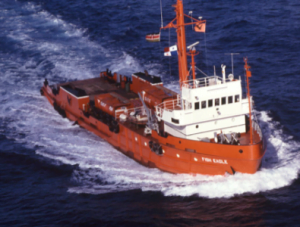
MV Fish Eagle KenyaBuccaneer Diving’s resident marine biologist Sander Den Haring has posted via the Project AWARE websitethat there is to be a new artificial reef in Mombasa Marine Park as the MV Fish Eagle a multi-purpose vessel has come to the end of its topside life and rather than being sold for scrap, is being utilised further and sunk to form a hopefully great artificial reef and wreck diving site.

The MPV Fish Eagle has been working along the coast of East Africa for over 45 years. The 53m long vessel will first be cleaned out to make it safer for wreck divers and environmentally friendly and will then be sunk. The exact position of sinking has yet to be determined but the date for sinking has been provisionally set for the weekend of 26-27 October 2013. Once more details are available from Sander I will post them up on here but this is tremendously exciting news for Kenyan diving and we look forward to adding another great dive site to the already existing ones in East Africa. Find out more about Kenya wreck diving in this article about the MV Dania and a cool video of her sinking in 2003.

Do I have to complete my diving internship in one go?

diving internship

FAQ- Do I have to complete my diving internship in one go?

We understand that you might have arrangements that might not permit you to remain in one place for an extended period of time and as such we try to be as flexible as we can with the scuba diving internships.

If for any reason you want to schedule a gap in your scuba diving internship such as to return home for Christmas or go travelling around on your GAP year and then come back to complete the training, then it is surely possible to arrange this with us.

We do like to have as much notice as possible so that we can arrange it and certain events like the PADI IDC Instructor Development Course are only run at periodical times so you would need to check when you are scheduled to be taking this and plan accordingly.

You should also bear in mind that you will also need to log a certain amount of dives to qualify for certain ratings. These include:

Dive Course Pre-requisite Logged Dives

We can plan your internship with you to ensure that you meet these requirements. To be honest most interns leave with way more dives than the bare minimum required so this is not normally an issue. The dive center location on Kilifi creek and the fact that we can dive our house reef straight from shore means that you should find getting lots of diving in an easy task.

If you wish to schedule a break in your training for example to travel around the mainland Africa during your Gap year or going and doing other projects in-between then this is absolutely possible. The system can be adapted for you and our scuba diving internship coordinators will work with you to ensure hat you complete your training a a leisurely pace and have an enjoyable and worthwhile experience.

How can I find a diving job following completing my dive internship?

best job in the world

The Ocean Tribe has a wide range of contacts to help you find a diving job once you graduate from the PADI Divemaster internship or PADI instructor internship as a scuba diving professional. Throughout network of staff diving contacts and former interns we have dive connections in a number of countries around the world and have sent interns in the past to work in such places as Tanzania, Thailand, Cyprus. Malaysia, Indonesia, Egypt, Cayman Islands, Turks and Caicos, Australia, New Zealand, Philippines, Cambodia, USA, Mexico, Galápagos Islands, UK, Spain, Greece, Jordan, Bahrain,the UAE, Sri Lanka and other exciting places.

Following graduation from your dive internship program we offer a number of workshops to interns to help them find a job in scuba diving. These include a CV (resume) writing workshop, a job searching and email contact workshop, a website building and social media interaction workshop to help you market yourself as a PADI pro and we can also train you in further education courses such as PADI specialty instructor training courses and Disabled Divers International instructor courses to further what qualifications you can offer a dive business.

We appreciate that enrolling on a dive internship is a big investment so obviously you would like to see a return on your investment, so we really put effort into making sure that you are prepared to find a dive job and to to give you as many contacts and connections as possible to do so.

For those of you who are on a GAP year then here is a chance to earn back the money that you have spent on the internship and see more of the world as you work your way in scuba diving, while for those of you making a career change then all skills you can ring to the table such as marketing, management, and languages can assist you in finding jobs in the scuba diving industry and living the dream.

Just to give you an idea of the types of diving job that are available out there. You can work as a diving instructor or Divemaster at a shore dive center or on a liveaboard dive vessel where you stay on the boat and travel to further dive sites. You can work with scuba equipment manufacturers or as a freelance diving instructor in certain areas giving you a carte Blanche to travel. Dive centres also need administration staff and watersports directors and boat captains as well as equipment technicians. We can help you to train in many of these area and make yourself as employable to a dive business as possible.

What are the dive internship age restrictions?

dive internship

The question of how old do you have to be to do a diving internship is one we get asked a lot. There are very few dive internship age restrictions. The only ones that really matter are the PADI regulation that you must be at least 18 years old to start the PADI Divemaster course. However it is quite possible to begin all of the non-professional programs before you are 18 and if you sign up for a Divemaster internship or Instructor internship then you can complete all of the non-professional segments before your 18th birthday which should provide some reassurance for those of you who are taking a GAP year but are not yet 18.

There are no other age restrictions on the internships, such as a maximum age. Indeed you do not have to be a young whippersnapper to enjoy scuba diving. I know of a number of instructors who are still working into their 60s and a few weeks ago taught a lady in her mid 70s to scuba dive. As long as you are certified by a doctor as medically fit to dive then there is no reason why you cannot dive and take part in our internships and become a PADI pro.

We have a wide range of age demographics of interns from young guys on their gap years to older people enjoying career breaks or making a career change for the tropical diving job in the sun. You will make loads of friends here from around the world and have the opportunity to work in awesome locations after you qualify. Ready to sign up? Check out our fantastic range of scuba diving internship packages.

What is the Dive Internship Accommodation Like?

Distant Relatives Eco Lodge

One of the most frequent questions that we get about the diving internship is “what is the dive internship accommodation like?”. After all you are going to be spending a long time with us with the different dive internships lasting from 2 weeks all the way up to seven months and longer if you decide to stay and teach for a while with Buccaneer Diving or do PADI Instructor continuing education courses.

What is the Dive Internship Accommodation Like?

Ok in a short answer to the question, the dive internship accommodation is provided at Distant Relatives Eco Lodge in Kilifi which is a charming Eco-friendly backpacker resort where you will be amongst friends and have a place to relax and study during your time away from the dive centre.

Distant Relatives is located right on Kilifi Creek and reached from the dive centre by a boat across the creek, unless you want to take the longer way around via the road. You can swim in the emerald waters of the creek or in the resort’s swimming pool. Other common facilities at Distant Relatives include a communal kitchen for cooking your own meals if you would like, reading room, and large communal area with sofas and a bar where you can relax with other divers and travellers after a day underwater.

We recognise that interns are on different budgets and might want different privacy levels and we can cater for all types on our dive internship accommodation packages. Distant Relatives offers four different types of accommodation.

Tent

For those of you who are adventurous or want their own space but are on a tight budget then Distant Relatives has its own safari tented camp area with large tents equipped with two single beds, lamps, carpets, bedside tables and mosquito nets. This gives you the real feeling of Africa and being closer to nature.

Dorm

The most popular choice for GAP year interns and the more sociable interns, there are two eight-person dorms at Distant Relatives set inside beautiful thatched makuti roofs. The beds are very spacious and super comfortable and the openness of the dorms provides an extremely airy and relaxing environment.

Single Rooms

For those of you who are looking for a little more privacy, for a small amount more you can have a single room equipped with an en-suite shower and a large double bed with the option to add a third bed if you are travelling with children.

Family / Group Rooms

If you are a group of friends or a family who would like to share a room then there is the option to have the family room which is equipped with one large double bed and a set of bunk beds. The family rooms have their own shower and toilet enclosed in a charming private courtyard.

All rooms and beds are equipped with mosquito nets and provide a relaxing place for you to chill when you are not diving. Distant Relatives’ location by the sea really makes this a dream setting.

Check out the photos below to get a better idea

divemaster internship accommodation- safari tentdivemaster internship accommodation- swimming pooldivemaster internship accommodation- communal areadivemaster internship accommodation- private roomdivemaster internship accommodation- ensuitedivemaster internship accommodation- ensuitedivemaster internship accommodation- dorm roomdivemaster internship accommodation- bar
Learn to Dive Platinum Package

COURSE PACKAGES