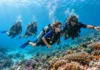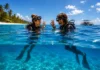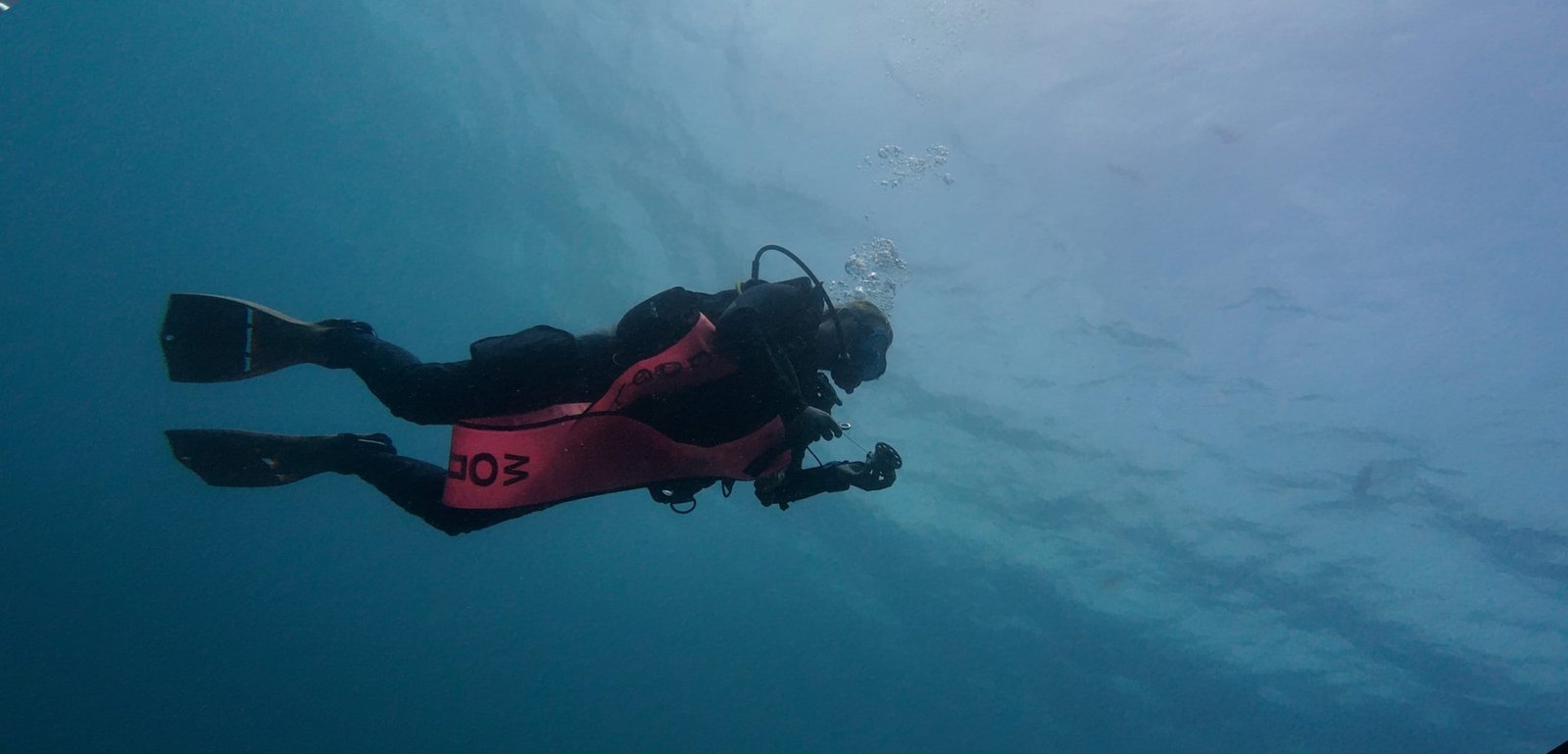
Snorkeling or diving in Diani brings you close to turtles, rays, colorful reef fish, and sometimes even dolphins. But many visitors don’t realize that interacting with marine life the wrong way can harm these fragile creatures. By learning what not to do and how to behave responsibly, you’ll enjoy richer, more authentic encounters under the sea.
Touching and Handling Marine Animals
One of the biggest mistakes when interacting with marine life is touching or holding it. Picking up starfish, sea cucumbers, or even turtles for photos may seem harmless, but it stresses the animal and can cause injury or death. Human hands also remove the natural protective coating of fish and rays, leaving them vulnerable to disease.
Better Practice: Admire marine animals where they belong — in the water. Keep your hands off and let your camera capture the moment without disturbing them.
Chasing Turtles, Dolphins, or Rays
Chasing after wildlife is another common error. It scares the animal, disrupts natural behavior, and often cuts the encounter short. Many snorkelers and boat operators don’t realize that this is a harmful way of interacting with marine life.
Better Practice: Be patient. Stay calm and still, and let the turtle or dolphin approach you. Respecting their space often results in longer and more natural encounters.
Feeding Fish
Offering bread or scraps to fish might sound fun, but it alters their diet and behavior, damaging the reef ecosystem. Fish that rely on being fed stop playing their natural role in reef health, and some even become aggressive.
Better Practice: Never feed fish or other animals. Instead, observe their natural feeding behaviors — they’re fascinating and far healthier for the reef.
Standing on Coral
When snorkelers or divers stand on coral to rest, they crush living animals that have taken decades to grow. It’s an easy mistake to make when people don’t realize that corals are alive.
Better Practice: Float above the reef at all times. Divers should practice buoyancy control, and snorkelers should only stand on sandy patches away from coral.
Collecting Souvenirs
Shells, corals, or “curiosities” may look like great souvenirs, but removing them harms the reef and its inhabitants. Even empty shells often provide homes for hermit crabs or other marine creatures.
Better Practice: Take only photos and memories. Leave shells, corals, and rocks in place to keep the ecosystem balanced.
Choosing Responsible Operators
Some glass-bottom boat trips and snorkel operators still handle starfish or chase dolphins to please guests. Supporting these practices encourages harm. As a visitor, your choice of operator matters.
Better Practice: Ask tour providers about their policies on interacting with marine life. Choose eco-conscious operators that protect wildlife and educate guests on responsible practices.
Learn More with Blue Oceans
Protecting the reef starts with awareness. At Ocean Tribe, our Blue Oceans Introduction shows you how to enjoy the underwater world responsibly. By understanding the right way of interacting with marine life, you help safeguard the reef for future generations.