Home Blog Page 19

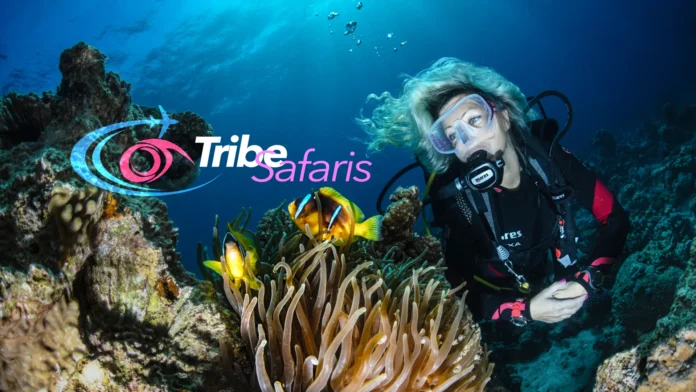
Dive Travel-Explore the World Introducing Tribe Safaris

Ocean Tribe Safaris- Dive Travel

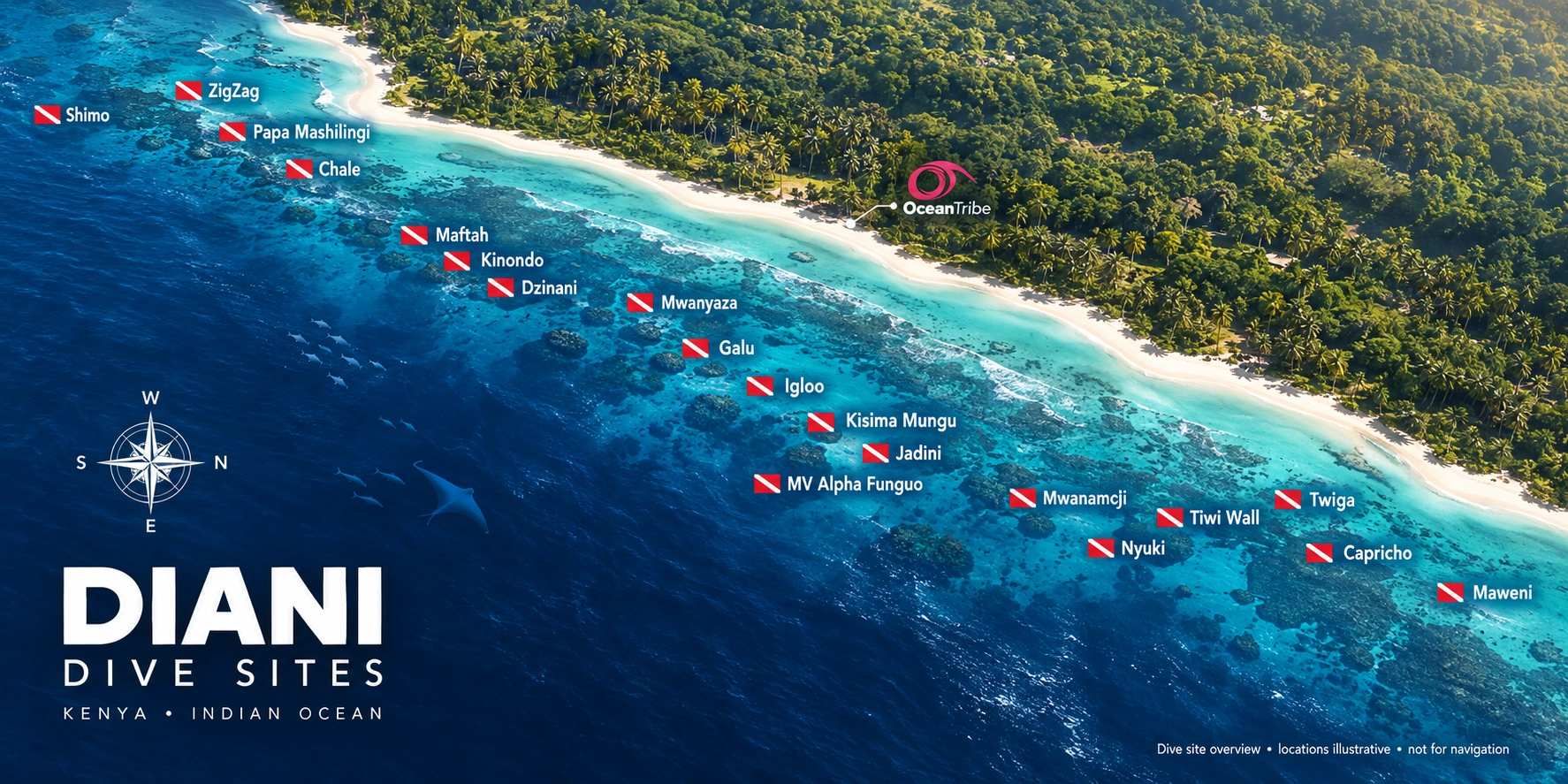
You’ve discovered Kenya’s underwater wonders with us. You’ve dived the coral gardens of Kinondo, seen the turtles at Galu, and the Alpha Funguo wreck of Diani. Now, it’s time to take your adventure global.

We’re proud to launch Tribe Safaris — Ocean Tribe’s official dive travel program.

This is your chance to explore the world’s best dive sites, guided by the people you already know and trust.

What Is Tribe Safaris?

Tribe Safaris is more than a holiday. It’s a way to keep the Ocean Tribe spirit alive, even when we’re half a world away. Each trip is a curated dive adventure to destinations like the Maldives, Red Sea, Indonesia, and beyond. Led by Ocean Tribe staff and joined by fellow divers from our club and community all around the world.

It’s travel with a built-in dive family.

Why We’re Doing This

In places like the US, UK, and Australia, dive centers have long offered group dive trips to exotic locations. But very few resort-based dive centers like ours offer the same — and we think that’s a missed opportunity.

Our Tribe has always asked us: “Where do we go next?”

Now we have an answer. Come with us!

We’ll organize the logistics. You just pack your fins, grab your passport, and join the adventure.

Who Can Join the Dive Travel Trips?

  • Local dive club members and certified divers
  • Past Ocean Tribe students and guests
  • Anyone looking for stress-free dive travel with a trusted crew

Whether you’re an Advanced diver, newly certified, or somewhere in between — Tribe Safaris will always include destinations and itineraries that cater to a variety of experience levels.

What’s Included?

Every Tribe Safaris package will include:

  • Handpicked accommodation
  • Daily boat dives with top-rated local operator dive centres and liveaboards
  • Airport transfers and local logistics
  • Ocean Tribe staff joining as your personal guides and group leaders

International flights aren’t included — giving you the freedom to find your best deals or extend your journey before or after.

We’ll launch each trip on the Ocean Tribe website and our WeTravel, where you can easily view itineraries and book online.

What’s Coming Up?

We’re finalising our first Tribe Safaris departures now, with potential trips to the Philippines, Egypt’s Red Sea, the Maldives, and more being planned.

Trip sizes will be small, personal, and community-led — so spots will be limited.

Have a destination you would like us to organise a trip to? Contact us and we can get planning.

Why It Matters

This isn’t just a trip. It’s a continuation of the friendships and experiences you’ve already built with Ocean Tribe. It’s a way to keep diving, learning, laughing, and growing, with the people who made you feel at home in the water.

Be First to Know

Sign up for our Tribe Safaris mailing list, follow us on Instagram, and keep an eye on your inbox for launch updates and early-bird spots.

The ocean is calling.

Let’s dive the world — together.

— The Ocean Tribe Team

How the SSI Blue Oceans Program Helps Protect What We Love – And How You Can Get Involved

SSI Blue Oceans Program

As divers, we know just how breathtaking the underwater world can be. But with every dive, we’re also witnessing the impact of pollution, overfishing, and climate change. That’s why initiatives like the SSI Blue Oceans program are more important than ever. And the best part? You can get involved right now – for free.

What Is the SSI Blue Oceans Program?

SSI’s Blue Oceans program is a global environmental initiative designed to educate divers and ocean lovers about the threats our seas face – and how we can help. It’s more than just a course; it’s a movement.

The SSI Blue Oceans specialty is completely free, offering simple but powerful information on how everyday actions – from choosing reef-safe sunscreen to saying no to single-use plastics – can make a massive difference. It’s available through your MySSI account, and it’s open to everyone, diver or not.

By taking the course, you’ll learn:

  • The major environmental challenges facing our oceans
  • Practical steps to reduce your personal impact
  • How to become an active ocean ambassador in your daily life

It’s a short course, but the impact can be lifelong.

Why Ocean Protection Starts With Us

The ocean provides more than 50% of the oxygen we breathe. It regulates our climate and supports an incredible diversity of life. But this fragile ecosystem is under pressure like never before.

As divers, we have a unique relationship with the sea. We see the plastic on the reefs, the ghost nets drifting in the currents, and the bleaching corals. This proximity gives us both the responsibility and the opportunity to do something about it.

By raising awareness, making sustainable choices, and participating in hands-on action, we help protect the very thing that gives us joy, purpose, and livelihood.

Join Ocean Tribe’s Monthly Beach and Underwater Cleanups

At Ocean Tribe in Diani Beach, Kenya, we’re proud to walk the talk. On the first Saturday of every month, we run free beach and underwater cleanups as part of our commitment to ocean conservation.

These cleanups are open to everyone – no experience necessary for the beach effort. You’ll join a community of divers, locals, tourists, and ocean lovers coming together to remove harmful waste from our coastline and reefs.

Certified divers can even join our underwater cleanup dives – at no charge. We provide mesh bags and support, and we often work with our local partners to document and responsibly dispose of the debris we collect.

It’s a rewarding way to give back, meet like-minded people, and spend a meaningful day at the beach.

How You Can Get Started with Blue Oceans

  1. Take the Free Blue Oceans Course-Create a free account on MySSI, and look for the Blue Oceans specialty. It’s fast, simple, and available right away.
  2. Join Our Monthly Cleanup- Mark your calendar for the first Saturday of the month and meet us at Ocean Tribe. Whether you’re walking the sand or diving the reef, your actions make a difference.
  3. Make Small Daily Changes- Say no to plastic bags, bring a reusable water bottle, and support eco-conscious brands. These small steps multiply when adopted by the diving community.
  4. Be a Voice for the Ocean- Share what you learn. Inspire others. Whether online or on the beach, every voice counts.

Protecting the Ocean, One Dive at a Time

The SSI Blue Oceans program is a call to action – and a reminder that even small changes matter. At Ocean Tribe, we believe that every diver is a guardian of the sea, and we’re committed to doing our part, one cleanup and one course at a time.

Join us. Dive in. And help protect what you love.

Diver Stress & Rescue: Building Confidence and Care

diver stress and rescue

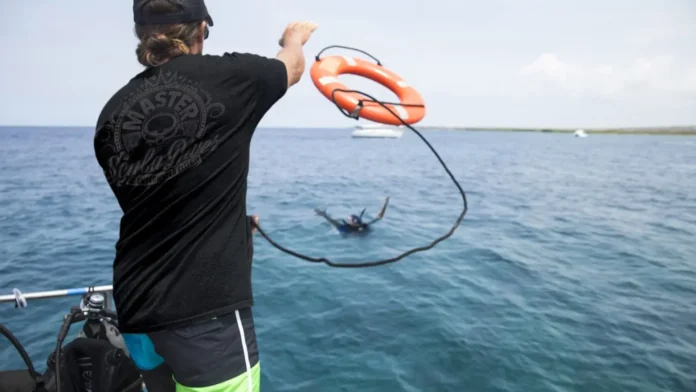
SSI’s Diver Stress & Rescue course teaches vital skills: spotting stress early, preventing minor issues from becoming emergencies, and executing safe rescues—both in the confined environment of the pool and in open ocean scenarios.

At Ocean Tribe, located on the sun‑drenched shores of Diani Beach, we believe diving is more than exploration—it’s about caring for your buddy and your community underwater. By completing three pool sessions and three open‑water dives (max depth 18 m), you’ll graduate with confidence and real‑world competence  

Every diver arrives at the water’s edge eager for adventure, but beneath the waves, unexpected challenges can arise. SSI’s Diver Stress & Rescue specialty equips you with the awareness, tools, and composure to handle stress — both in yourself and others — ensuring every dive remains safe and rewarding.

Recognising and Managing Stress

Course theory begins in the classroom and pool, where you learn to:

  • Identify early signs of stress before minor issues escalate.
  • Prevent panicked responses both above and below the surface.
  • Execute calm, effective rescue techniques using proper equipment and protocols  .

Practical Diver Stress & Rescue Skills in Confined & Open Water

After theory, pool sessions train your rescue skills in a controlled environment. Then, in at least three open-water dives (to a max of 18 m / 60 ft), you’ll practice:

  • Assisting and recovering distressed divers.
  • Executing surface rescues.
  • Handling unconscious-diver protocols.

When You Can Start

No need to wait — once you’ve earned your Open Water Diver cert (or equivalent), and hold valid CPR, first aid, and oxygen-provider training (which you learn in the SSI React  Right), you can begin Stress & Rescue. Some dive centers even allow simultaneous enrollment in both courses  .

The Perfect Pair: Stress & Rescue + React Right

React Right provides full emergency response training: CPR, first aid, AED, and oxygen administration — all essential complements to Stress & Rescue . Here’s how they fit together:

React Right builds your foundation in medical response. Stress & Rescue trains you to apply those skills in real dive emergencies. Together they ensure you can prevent, stabilize, and assist injured or panicked divers — with confidence and skill.

Here at Ocean Tribe we package both into a 3–4 day Rescue Diver package, saving time and preparing you comprehensively  .

Your Path to the Next Level

Completing Stress & Rescue (with React Right) not only sharpens your safety skills but also unlocks new credentials:


Summary: Your Rescue-Ready Journey

ElementWhat You LearnWhy It Matters
Stress & RescueRescue skills, self-awareness, underwater scenariosEssential for diver safety and confidence
React RightCPR, first aid, AED, oxygen usePrepares you for medical emergencies
Combined PackageStreamlined learning and official recognitionSaves time and creates a stronger skillset
Career PathwaysSpecialty, leadership, instructor progressionSets you up for advanced dive roles

Ready When You Are

  • Minimum age: 12 (some centers require 15)  
  • Course Length: 10–15 hours for Stress & Rescue; add 4–12 hours for React Right
  • Prerequisites: Open Water Diver + current CPR/First Aid/Oxygen (via React Right or equivalent)

Take the next step in your diving evolution. Whether your goal is personal confidence or career development, combining these two powerful specialties ensures you’re equipped to lead, assist, and dive with peace of mind.


Let me know if you want this tailored for a specific audiences like Diani divers or formatted for your landing page!

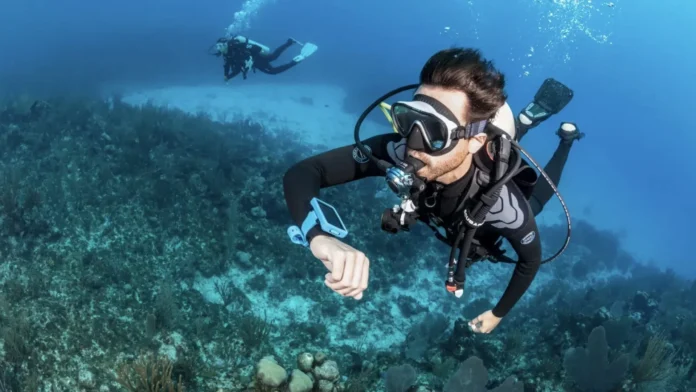
How to Log Your Dives the Right Way – And Why It Matters

how to log your dives
Ocean Tribe · Diver tips · Diani Beach

How to log your dives the right way. Every dive
has a story.

Knowing how to log your dives helps you keep more than a count. Record your experience, learn from each outing and build a useful history of your diving. Here is what to include and why it matters.

Remember the dive Sites, sightings and the moments that matter
Track your progress Skills, confidence and equipment experience
Show your experience A useful record for future diving and training
What belongs in your logbook?

The numbers.
The conditions.
The things you learned.

A dive log records where you went, what you did and how the dive felt. Use your computer for recorded profile data, then add the context that makes the entry useful when you return to it.

Date and dive number

Record the date and keep your numbering consistent. Label training sessions and different activities accurately.

Location and site name

Include the country, destination and actual dive site. “Galu, Diani Beach, Kenya” is more useful than “ocean dive”.

Depth and duration

Enter your maximum depth and recorded dive time. Add the profile or average depth where your computer and logbook support it.

Conditions

Note temperature, visibility, current and surface conditions. Mark estimates as estimates rather than inventing precision.

Gas and cylinder details

Record the gas used, cylinder size and starting and ending pressures when available. For nitrox, include the analysed oxygen percentage.

Equipment and weighting

Note your exposure protection, equipment configuration and weight carried. Add comments on how the setup felt.

Buddy, guide and dive type

Record who you dived with and whether it was a reef, wreck, night or training dive. Request verification where appropriate.

Sightings and reflections

Add marine life, skills practised, challenges and one thing to work on next time. These notes turn data into a learning record.

Why logging matters

A record you will
actually use again.

At Ocean Tribe, we encourage divers to build this habit early. A useful logbook supports your next dive, your next course and your long-term development.

01 · PROGRESS

See how far you have come

Look back at your first dives, the skills you found difficult and the improvements you made. Progress becomes easier to recognise when you record it.

02 · TRAINING

Prepare for your next course

Some training pathways require documented experience. Keep your records organised and check the current prerequisites for the programme you want to join.

03 · EXPERIENCE

Show what you have done

A log helps a dive centre understand your recent diving and experience in particular conditions. A total dive count alone tells only part of that story.

04 · EQUIPMENT

Remember your setup

Keep notes on weighting, exposure protection and equipment changes. Use them as a reference for future checks when conditions or equipment differ.

05 · MEMORIES

Find that favourite reef

Remember the site, route and marine life that made a dive special. Your log becomes a personal guide to places you would love to visit again.

06 · PROFESSIONAL HABITS

Reflect as you develop

If you plan to become a Divemaster or instructor, record more than numbers. Note the experience gained and lessons you can take into future training.

Choose a format you will keep using

Digital, paper
or a bit of both?

The best logbook is one you maintain accurately. Choose a format that suits your diving, equipment and preferences.

Convenient and connected

A digital logbook

MySSI brings your digital logbook, certifications and learning materials into one app. It is a convenient option for keeping your SSI diving journey together.

When importing dives from a compatible computer, review the entry and add your own notes. An imported profile cannot describe everything you experienced.

Explore MySSI →
Personal and practical

A paper logbook

A traditional logbook gives you space for notes, sketches, stamps and signatures. It also makes a memorable record of your travels and diving friendships.

Keep it somewhere dry and photograph important pages as a backup. If you use both paper and digital records, keep dive numbers and details consistent.

Make it part of your dive day

Five to ten minutes.
A much better record.

1. Log while it is fresh

Enter your dives at the end of the day. Check your computer data and ask the guide if you are unsure of a site name.

2. Add the human details

Record what you saw, how you felt and what you learned. Add buddy or instructor verification where needed.

3. Save a reliable copy

Check that digital records have saved and synced. Use available backup or export tools, or photograph paper pages.

Dive logging questions

Keep it accurate.
Keep it useful.

Need help with your logbook after diving with us? Ask the Ocean Tribe team before you leave the centre.

Ask the team →
What should I include when logging a dive?

Include the date, dive number, site, depth, duration, conditions, gas, cylinder and equipment details. Add your buddy or instructor, the dive type and notes on sightings, skills and lessons learned.

Should I log every dive?

Keeping a consistent record of your dives helps you track experience and recent activity. Label sessions accurately. Ask your training centre which dives count towards a particular course requirement.

Is a dive computer download enough?

A download can provide useful profile data, but it may not include your site, buddy, equipment, sightings or reflections. Review imported entries and add the missing context.

Do I need a paper logbook if I use MySSI?

You can maintain a digital logbook, a paper logbook or both. Check any verification requirements for future training and keep a reliable backup of your records.

Why are logged dives important for professional training?

Professional programmes have experience prerequisites. An accurate logbook helps document your diving history. Confirm the current dive numbers, verification requirements and other prerequisites with the training centre before enrolling.

Give your logbook a new chapter

More dives.
More stories to keep.

Explore Diani’s reefs with Ocean Tribe. Build experience, develop your skills and finish the day with something worth writing about.

Zero to Hero: The Fastest Way to Turn Diving Into a Career

dive career internships zero to hero

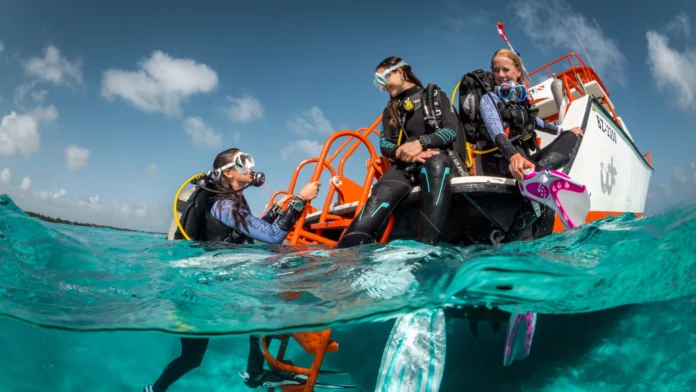
The “Zero to Hero” dive career pathway. If you’ve ever finished a dive and thought, “I wish this was my job,” you’re not alone. Many divers dream of turning their passion into a profession—but don’t know how to start, how long it takes, or where to train. The good news? With the right dive center and structured pathway, you can go from beginner to instructor in less than a year.

At Ocean Tribe in Diani Beach, Kenya, we offer a fully integrated Zero to Hero program designed to take you from your very first breath underwater all the way to becoming a certified scuba instructor—with real-world experience along the way.

Here’s how the journey unfolds.

Step 1: Start With Open Water

Your diving journey begins with the SSI Open Water Diver course—your passport to the underwater world. This entry-level certification lets you dive to 18 meters and lays the foundation for your dive skills, safety awareness, and confidence in the water.

At Ocean Tribe, we run this course in small groups, with personalized coaching and stunning dive sites just minutes away. You can complete your Open Water course in as little as 3 days.

Step 2: Build Skills and Log Dives

Next, you move into more advanced training with the Advanced Adventurer and Diver Stress & Rescue courses. These will challenge your skills and give you experience with deep dives, underwater navigation, and managing dive emergencies.

While you’re training, you’ll also build up your logged dives—an essential part of progressing from recreational diver to professional.

Step 3: Become a Divemaster

Once you have 50 logged dives and complete the prerequisites, you’ll begin the SSI Divemaster course. This is your first professional-level certification and teaches you how to lead dives, assist instructors, and manage dive operations.

At Ocean Tribe, our Divemaster internships are hands-on and immersive. You’ll work with real students and develop the confidence to operate like a pro in a live dive center environment.

Why Experience Still Matters

While a fast-track zero to hero path is ideal for many, the best dive professionals often take time to gain additional experience. Spending more time in the water, diving in a range of conditions, and interacting with different students and divers helps you become a more confident, adaptable, and well-rounded instructor. Whether you’re guiding a beginner on their first dive or managing a complex training course, that extra depth of experience makes all the difference.

Taking the time to build that foundation doesn’t mean delaying your dream—it means strengthening it.

Step 4: Train as an Instructor

The final step in your zero to hero journey is the SSI Instructor Training Course (ITC). Over the course of 10–12 days, you’ll learn how to teach dive courses, evaluate student divers, conduct confined and open water training, and pass the official Instructor Evaluation.

You’ll be trained by Ocean Tribe’s own Instructor Trainer, Mark Slingo, who brings years of global experience and a deep commitment to developing future pros.


What Makes Our Zero to Hero Program Different?

We don’t just train instructors—we launch careers. When you enroll in Ocean Tribe’s Zero to Hero program, you’ll get:

  • Continuous training from beginner to instructor
  • Mentorship from experienced professionals
  • Included your own set of new diving equipment for familiarity and giving you the “tools of the trade” to start your dive career with.
  • Real-world teaching experience during your internship
  • Access to pro-level equipment packages at trade pricing
  • Extra certifications like Nitrox, Deep, and Navigation specialties
  • Optional training in Classified Diver instruction for working with disabled divers

You’ll also be based in Diani Beach, Kenya, surrounded by vibrant coral reefs, warm tropical water, and a close-knit dive community.


Make Scuba Diving Your Job

This is more than a course—it’s a life change. You’ll travel, teach, explore, and earn your living doing what you love. Our zero to hero diving program is designed to help you build a sustainable career in the dive industry from day one.

Whether you’re completely new to diving or already partway through, we’ll help you reach instructor level fast—and prepare you for a life of adventure.

Top Dive Instructor Jobs: Where Can Your Certification Take You?

Dive instructor jobs

If you’re training to become a dive pro, you’ve likely asked yourself: What kind of dive instructor jobs are actually out there? The good news is that the scuba world is full of exciting possibilities. Your dive instructor certification isn’t just a license to teach—it’s a passport to a lifestyle that’s as adventurous and diverse as the ocean itself.

At Ocean Tribe in Diani Beach, Kenya, we’ve trained instructors who’ve gone on to work all over the world. From guiding reef dives in the Maldives to teaching wreck courses in Malta, the opportunities are as varied as they are inspiring. Let’s take a look at some of the top dive instructor jobs you can aim for.

Resort Dive Instructor

This is the most common and accessible role for newly certified professionals. Resort-based dive centers hire instructors to teach beginner courses, run try dives, and lead fun dives for guests. It’s a fantastic way to build teaching hours, meet people from all walks of life, and dive daily in paradise.

Popular locations: Thailand, Indonesia, the Caribbean, Egypt, and—of course—Kenya.

Liveaboard Instructor

Fancy waking up at sea every day? Liveaboard dive instructor jobs take you to remote reefs and deep blue drop-offs that day boats can’t reach. You’ll guide certified divers on multiple dives a day, deliver briefings, and maybe even teach advanced courses between meals on deck.

Expect long hours—but unforgettable marine life.

Marine Conservation

Want to combine teaching with ocean protection? Many NGOs and eco-focused dive centers hire instructors to train volunteers in diving while involving them in reef monitoring, coral restoration, or species surveys.

This is a powerful way to use your skills for good, and it looks great on your professional diving resume.

Instructor at a Dive School or Career Center

These positions often offer more stability and room for growth. Career-focused dive schools like Ocean Tribe run full-time programs that include professional development, internships, and instructor training courses. Working at a dive school gives you the chance to mentor future pros and advance your own qualifications.

Private Dive Instructor

Some instructors carve out a niche by offering bespoke private instruction for high-end clients. Think superyachts, celebrities, and exclusive island resorts. These roles demand top-level professionalism and flexibility—but can be highly lucrative and open doors to elite travel.

Specialty Dive Instructor

After your base-level instructor certification, you can add SSI or PADI specialties to your portfolio—think Nitrox, Deep, Wreck, or Photography. Instructors with multiple specialties are more in demand and often earn more.

At Ocean Tribe, we encourage all of our candidates to gain specialty instructor ratings during their SSI Instructor Training Course.


So, Where Will Your Dive Instructor Certification Take You?

Whether you dream of guiding reef dives in turquoise waters or leading professional-level courses around the world, dive instructor jobs are as limitless as the ocean. With the right training, real-world experience, and a little ambition, you can turn scuba diving into your full-time career—and make every day underwater count.

At Ocean Tribe, we don’t just train instructors. We create opportunities. Ready to start your journey? Get in touch today and take the plunge.

How to Apply for a Visa for Kenya: A Step-by-Step Guide

Kenya visa

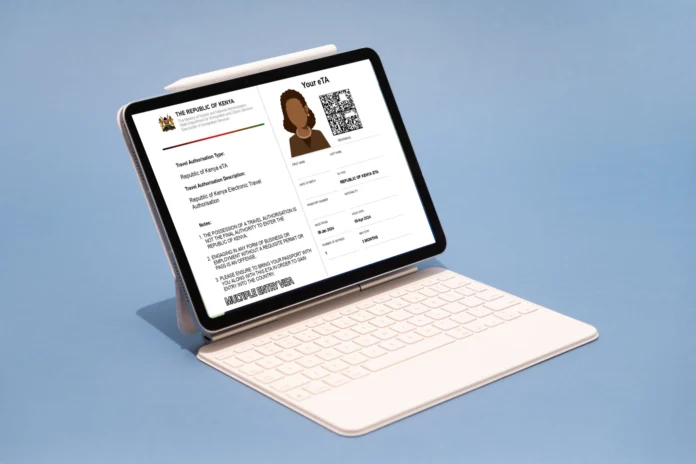
Planning a trip to Kenya? Whether you’re coming for a beach holiday, safari, scuba diving adventure, or business, you’ll likely need a visa. This guide explains how to apply for a visa for Kenya quickly, safely, and without stress.

Start With the eCitizen Portal

Kenya has moved its entire visa application process online. You must apply through the official government platform: eCitizen.

It’s easy to use and accessible worldwide. First, create an account. Then, select the visa category that fits your visit—usually, a Tourist Visa, Business Visa, or Transit Visa.

Once you’ve filled out the form and uploaded the required documents (including your passport and a passport-sized photo), you pay the visa fee using a debit or credit card. That’s it! Processing usually takes between 2 to 3 working days.

Do Not Use Visa Agents

You might come across third-party websites or agents offering to help with your Kenyan visa. Avoid them.

Here’s why:

  • They charge extra fees. The official tourist visa costs $50, but agents may charge double or more.
  • They are not official. These platforms are not connected to the Kenyan government.
  • They can delay your application. Submitting through unofficial channels often causes confusion or rejections.
  • You risk being scammed. Some agents collect money and never process your visa at all.

Always apply directly through the eCitizen portal. It’s the only secure and legitimate way.

What You’ll Need

Before starting your application, make sure you have:

  • A passport valid for at least 6 months
  • A clear passport-style photo
  • Travel details, such as flight bookings or accommodation confirmation
  • A credit or debit card for payment

Keep Your Confirmation

After submission, you’ll receive email updates. Once approved, download and print your visa confirmation. You’ll need to show this when checking in for your flight and again at Kenyan immigration on arrival.

Final Tips

Apply at least a week before you travel. While visas are usually processed quickly, it’s better to avoid last-minute stress. Also, double-check that your passport won’t expire soon—Kenya requires it to be valid for at least six months from your arrival date.


How to apply for a visa for Kenya is simple if you follow the official steps. Stick to the eCitizen portal, avoid third-party agents, and prepare your documents in advance. Soon, you’ll be ready to explore the stunning landscapes, wildlife, and coastline that make Kenya such a unique destination.

SSI Instructor Training Course Completed in Kenya

SSI ITC May 2025

Ocean Tribe Celebrates New SSI Instructors

Big congratulations are in order as Ocean Tribe wraps up another successful SSI Instructor Training Course and Instructor Evaluation!

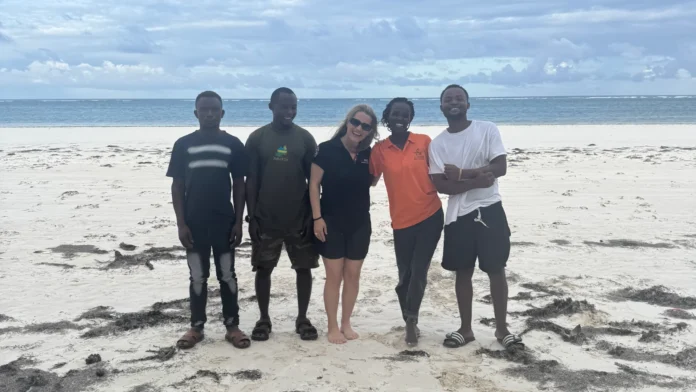
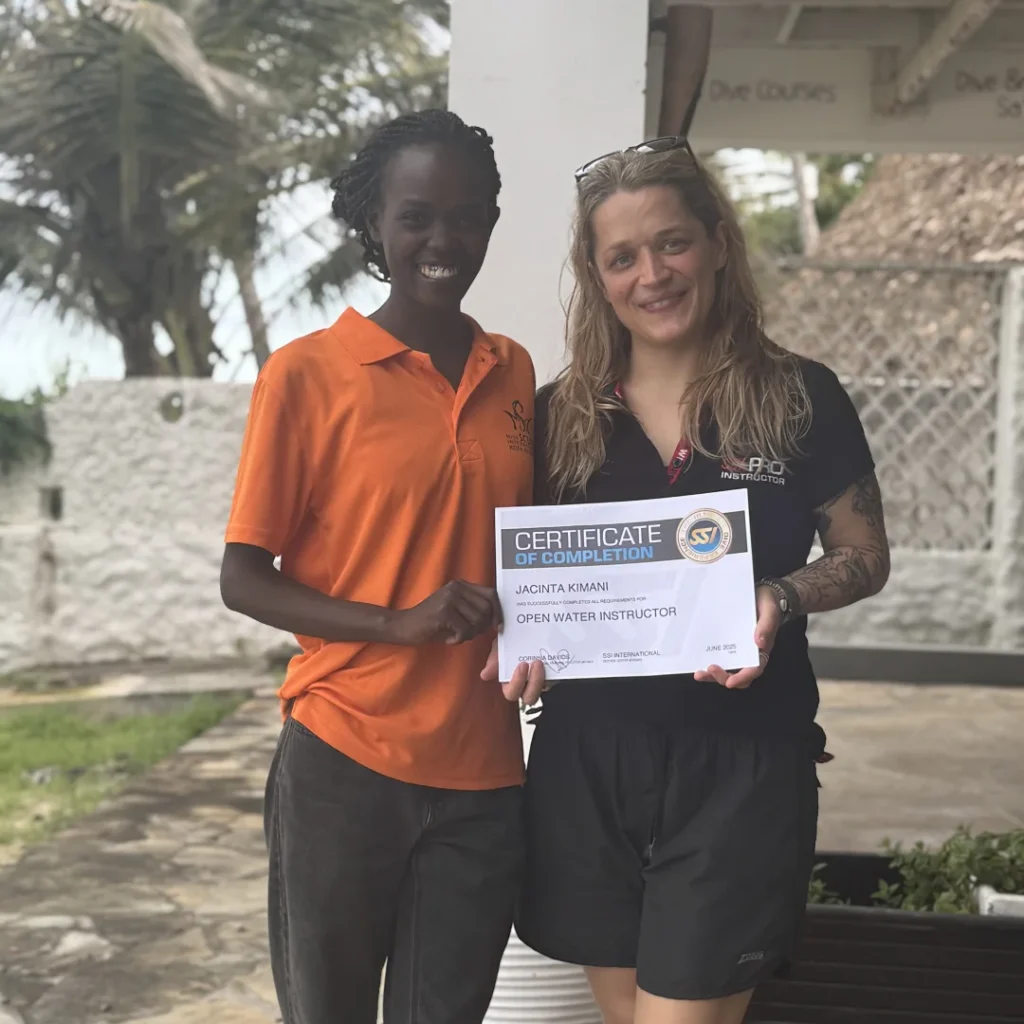
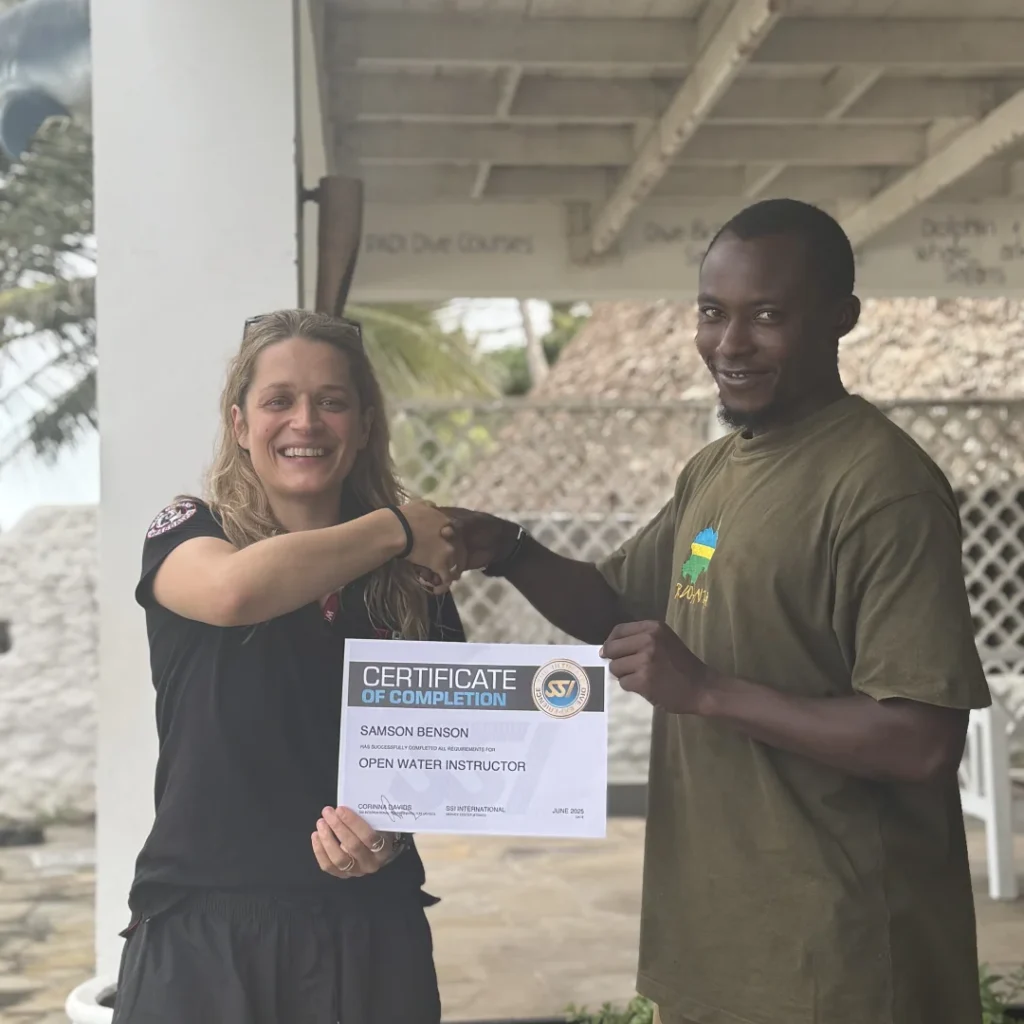
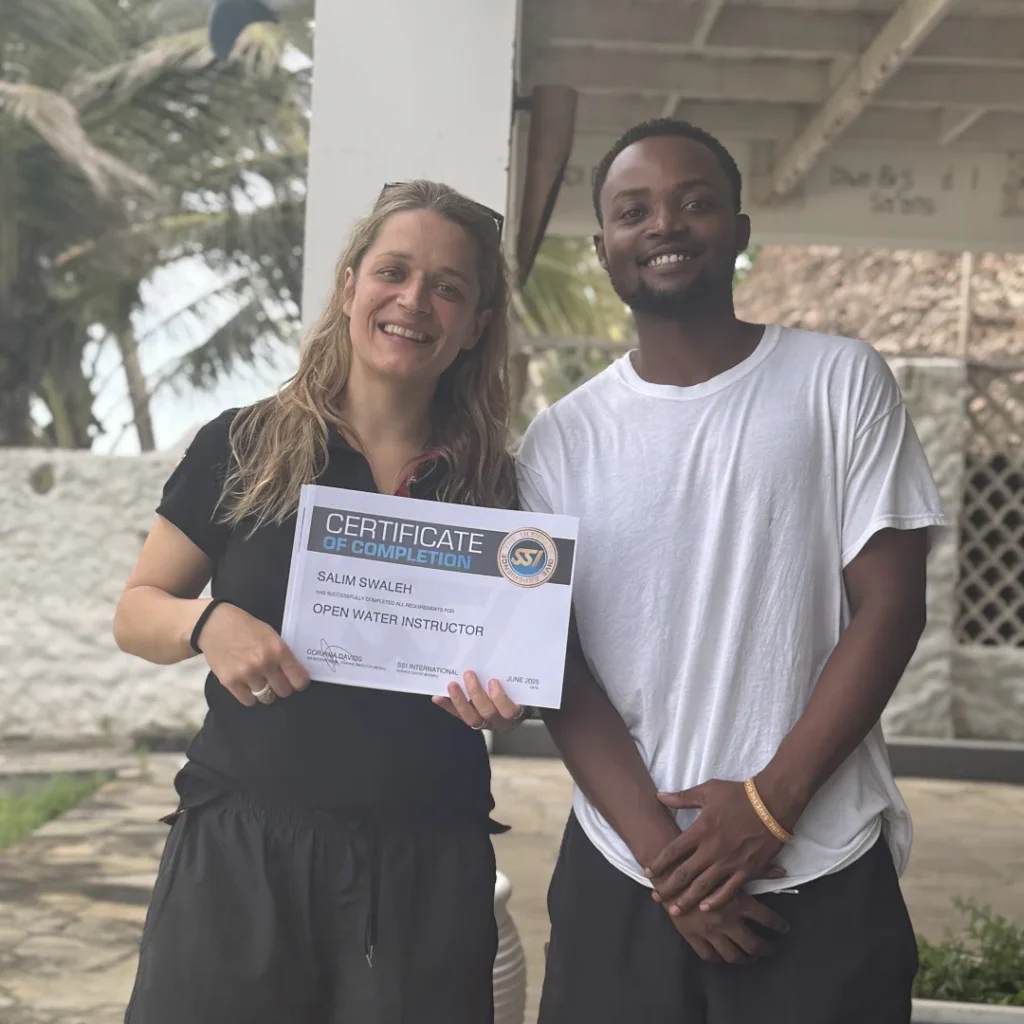
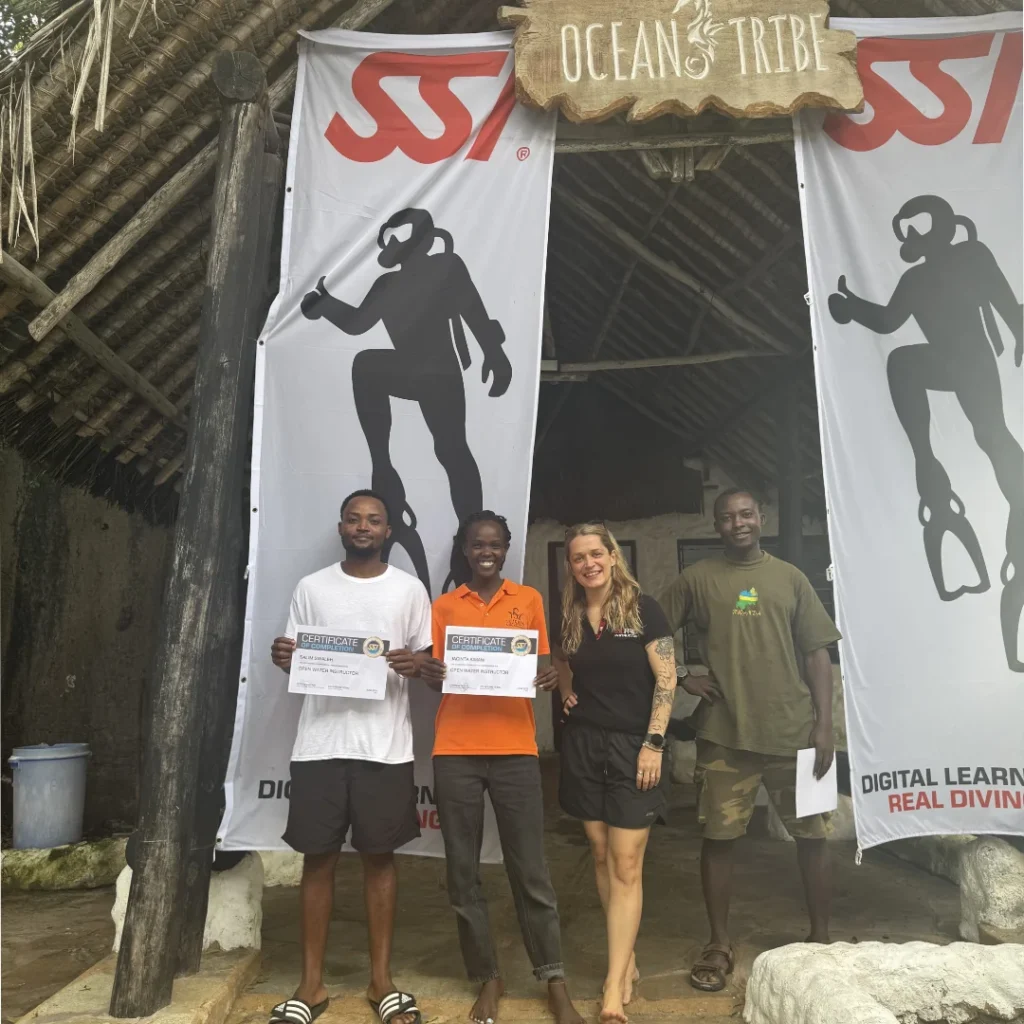
Our very own Jacinta, along with Kassim, Salim, and Sam, recently completed their journey through the SSI Instructor Training Course under the expert guidance of Instructor Trainer Mark. The course pushed each of them to develop their teaching abilities, refine their dive skills, and grow as professional leaders in the scuba industry.

To cap it off, the group took part in the SSI Instructor Evaluation by visiting Instructor Certifier Corrina. Who flew in from South Africa to conduct the assessment. Her insight and experience brought great energy to the evaluation process—and the whole team did us proud.

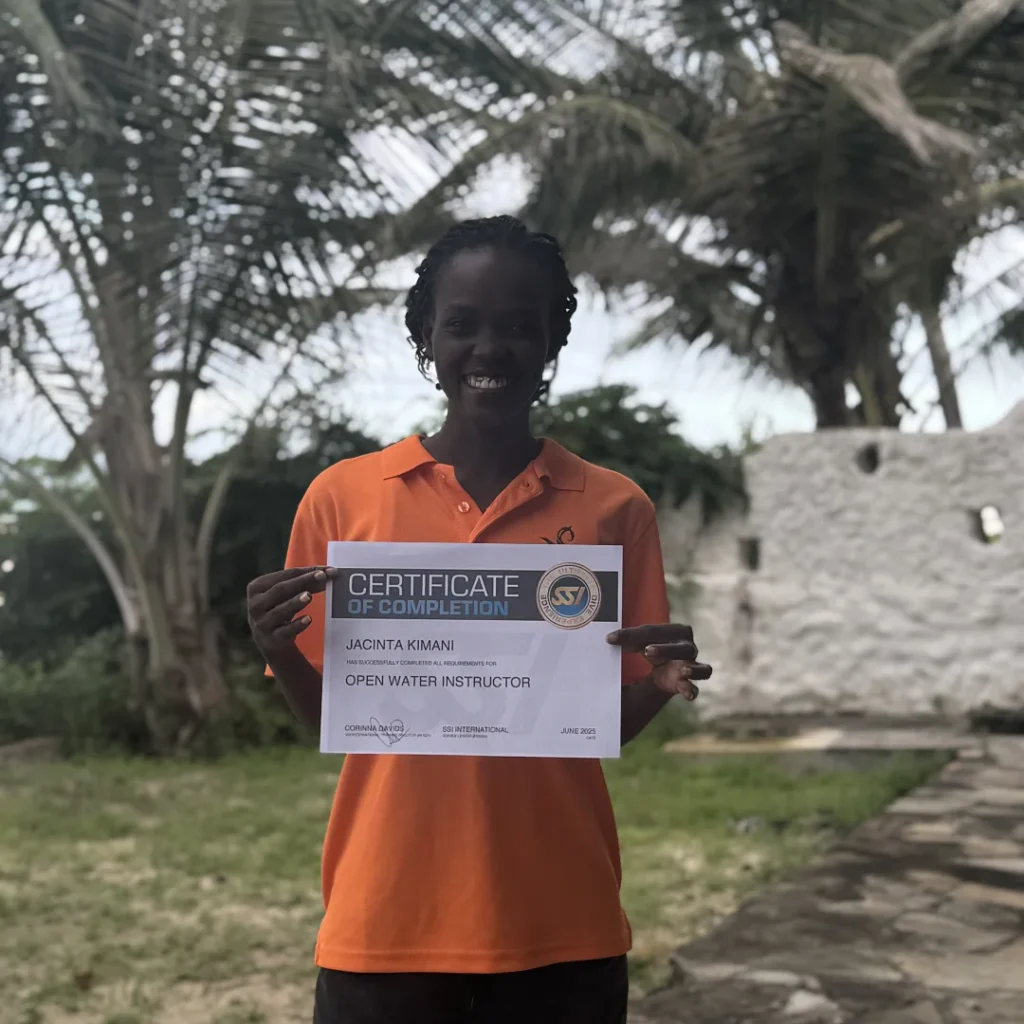
A very special shout-out goes to Jacinta. When she first joined Ocean Tribe just a few years ago, Jacinta didn’t know how to swim. However, through relentless determination, unwavering passion, and consistent hard work, she not only learned to swim but steadily climbed the entire diving ladder. Starting as a beginner, she progressed to Divemaster and now proudly stands as an SSI Instructor. Her journey is a powerful reminder of what can be achieved with the right mindset, support, and perseverance.

The newly trained instructors will now enjoy a well-earned celebration and short break. Before taking on their next challenge: the SSI Specialty Instructor Seminars.

Well done to the whole team. We can’t wait to see where your dive careers go from here!


Inspired to become an SSI Instructor yourself?

How to Give a Dive Debrief – Dive Pro Tips

dive debrief

Leading a dive doesn’t stop once you hit the surface. The dive debrief is where real growth happens. If you’re wondering how to give a dive debrief, this guide will show you how to do it like a pro.

A debrief gives divers the chance to reflect on their performance, correct mistakes, and reinforce what went well. It improves safety, strengthens team communication, and builds diver confidence. Whether you’re working with beginners or seasoned divers, a well-structured debrief turns every dive into a learning experience. It also shows professionalism, creates trust, and encourages divers to stay curious and motivated.

When done properly, a debrief transforms a dive from a one-off experience into a stepping stone for long-term improvement. Here’s how to deliver it clearly, positively, and with purpose.

Start with the Pre-Dive Safety Check

Ask how the buddy checks went. Did anyone find a problem? Did everyone take it seriously or rush through it? This sets the tone and reinforces the importance of doing it right every time.

Review the Entry

Was the entry controlled and calm? Did everyone enter at the right time with the correct spacing? Highlight anything that went wrong and how to correct it before the next dive.

Discuss the Descent and Equalization

Was the descent smooth? Did everyone equalize without issues? If someone struggled, find out why. Fixing equalization or descent problems builds confidence and comfort for the next dive.

Cover the Core Fundamentals

How was buoyancy control? Was trim stable and horizontal? Did everyone use efficient propulsion techniques? Was breathing slow and controlled? These are the core skills every diver needs to master.

Check Equipment Performance

Did all gear function correctly? Any issues with masks, regulators, or hoses? If something didn’t work properly, fix it now—not mid-dive tomorrow.

Did You Handle the Conditions?

Ask the group honestly—did they manage the environment or feel overwhelmed? Whether it was surge, current, or low visibility, help them reflect and improve their response.

Navigation, Communication, and Awareness

Did the group stay together and follow the plan? Were signals clear? Did everyone stay aware of their position, their buddy, and their surroundings? These skills keep dives smooth and safe.

Was the Dive Ended at the Right Time?

Did the team surface according to the plan, or did something force an early exit? Review air limits, time limits, and comfort levels. Ending strong is part of good dive leadership.

Review the Ascent and Safety Stop

Was the ascent slow and controlled? Did everyone complete a full safety stop? Reinforce why this is essential—even on easy dives.

Reflect on the Exit

How was the exit from the water? Was it smooth, or did someone need help? Practice and planning make this final step safer and more efficient.

Calculate the SAC Rate

Ask each diver for their Surface Air Consumption rate. Review how buoyancy, trim, and breathing control affect it. Tracking SAC helps divers improve efficiency over time.

End with One Key Takeaway

Finish strong. Ask every diver what they’ll focus on next time. This helps them apply what they learned and take ownership of their growth.

A good debrief isn’t a lecture. It’s a two-way conversation that makes every diver better. Knowing how to give a dive debrief is one of the most powerful tools in a dive pro’s toolkit. Use it well, and your divers will improve after every single dive.

Interested in learning more? Check out this information from The Human Factor for more in depth analysis and ideas.

Can You See the Scuba Training Standards Before Your Course?

SSI training standards available publicly

Can You Ask to See the Scuba Training Standards Before Your Dive Course?. Yes, you can—and you absolutely should. When you sign up for a scuba course, you’re not just paying for fun. You’re paying to learn critical safety skills that could one day save your life. That’s why it’s so important to know exactly what your scuba course training standards require—before you even get in the water.

Why Training Standards Matter

Every dive course has a defined list of skills, dives, and theory you must complete before you’re certified. These minimum standards ensure you can dive safely and confidently. Unfortunately, not every instructor follows them properly. Some might rush you through, skip skills, or even issue certifications they aren’t qualified to give. While it’s not common. You should protect against it anyway to avoid any issues.

Knowing the scuba course training standards helps you protect yourself. It also allows you to hold your instructor accountable and ensure you’re getting the full training you deserve.

With SSI, You Can Access Standards Yourself

Unlike some other agencies, SSI (Scuba Schools International) makes its course standards fully available to students.

Here’s how to find them:

  • Open the MySSI app
  • Tap the “Courses” button at the bottom
  • Scroll down to “Scuba Training Standards and Procedures”
  • Open the document and read the specific course you’re taking

This gives you full visibility of the required dives, skills, and knowledge for your certification.

Check Your Instructor’s Credentials

You can also check if your instructor is active and authorised to teach your course:

More info on what to look for here:

👉 Why You Should Always Ask to See a Scuba Instructor’s Card

Review the Paperwork—Don’t Skip It

At the end of your course, your instructor should go through your performance and complete your paperwork. This checklist confirms that you’ve met all the required standards. If anything is missing, you must complete it before certification.

No shortcuts. No skipped skills.

Minimum Standards Are Just the Start

Scuba course training standards represent the bare minimum. You should feel confident and competent in every skill—not just pass because it’s “good enough.” If you need more time, more practice, or more support, that’s okay. A good instructor will guide you, not rush you.


So yes—ask to see the scuba course training standards. Check your instructor. Read the course requirements. And make sure your certification is earned properly, with safety and confidence built in.

Learn to Dive Platinum Package

COURSE PACKAGES