Home Blog Page 18

Why You Should Consider Becoming an SSI Independent Diver

Independent diving

SSI Independent Diver. Solo. Self-reliant. Completely in control.

Scuba diving already offers freedom, adventure, and peace. But with an SSI Independent Diver certification, you unlock a new level of confidence and capability. Also known as solo diving or self-reliant diving, this specialty is designed for experienced divers who want to explore the underwater world on their own terms—safely and independently.

This course isn’t about avoiding dive buddies. It’s about gaining the skills and equipment knowledge to take full responsibility for yourself beneath the surface. Whether you’re interested in underwater photography, diving in remote locations, or simply gaining more self-confidence, this course opens the door to a new way of diving.


Total Freedom Underwater

Let’s start with the biggest reason divers take this course: freedom. Diving with a buddy can be amazing, but it also requires compromise. You may have to adjust your pace, change your route, or surface early because your buddy is low on air. You might have to skip the swim-through you wanted to explore because your partner isn’t comfortable with it.

When you’re certified to dive independently, all those limitations disappear. Control your dive plan, depth, route, and timing. Stop to observe marine life without feeling rushed. Choose to avoid crowded areas and explore quieter, more personal parts of the reef. Simply put, you dive for yourself, not anyone else. That freedom is a powerful reason to pursue solo diving.


Boost Your Confidence

One of the biggest transformations that happens during the SSI Independent Diver course is internal. You’ll come out of it more confident, more capable, and more self-aware underwater. The training focuses heavily on redundancy and self-reliance—meaning you’ll learn to carry backup air sources, extra cutting tools, an additional mask, and even a second dive computer.

More importantly, you’ll know how to use them efficiently and calmly under pressure. You’ll practice self-rescue techniques and emergency planning, so that if anything goes wrong, you’re fully prepared to handle it alone. This confidence stays with you long after the course ends. Even when you’re diving with others, you’ll be a more dependable, focused, and competent diver.


Ideal for Underwater Photographers and Videographers

If you’ve ever tried taking underwater photos or videos with a buddy, you’ve probably experienced a few frustrations. Maybe they hovered too close and kicked up sand. Maybe they got bored while you tried to frame a shot. Or maybe you felt pressure to move along before you were ready.

When you dive solo, those problems vanish. You can spend as long as you want with a subject. You can adjust your lighting, change lenses, and fine-tune your angles without worrying about slowing anyone down. You’re free to capture the scene exactly how you want it. For underwater content creators, that kind of space and flexibility often leads to better, more creative results.


A Natural Step for Experienced Divers

If you’ve already logged dozens of dives and earned your Advanced certification, you may be wondering what’s next. The SSI Independent Diver course is a natural progression for divers looking to take the next step in both skill and responsibility.

It’s not a beginner course. You need a solid foundation in buoyancy control, air management, navigation, and awareness. But if you have that, solo diving is an exciting challenge that expands what’s possible for you. It’s also a great addition to your dive resume, especially if you’re considering professional-level training in the future or just want to be the kind of diver others can trust and rely on.


Solo Means Safer—With the Right Training

At first, the idea of diving alone may sound risky. But with proper training, solo divers are often safer than recreational divers who rely too heavily on their buddy. That’s because solo divers are taught to think ahead, plan meticulously, and prepare for every possibility.

You’ll learn how to build a full redundancy setup: not just carrying extra gear, but understanding why each item matters. You’ll become highly skilled in risk assessment and learn to react quickly and efficiently when problems arise. Diving alone isn’t about being reckless—it’s about being fully responsible. And those skills will carry over into every dive you ever do.


Real-World Readiness

Even if you don’t plan to dive solo often, the training prepares you for real-world situations where buddy systems break down. Current, surge, poor visibility, or surface conditions can all lead to unintentional separation. If that happens, most divers are trained to abort the dive. But an independent diver has the tools and mindset to safely continue or return to the surface without panic.

You’ll also feel more capable diving in challenging environments like strong drift sites, remote reefs, or areas with difficult entries and exits. Independent divers are used to setting up their gear solo, running full safety checks, and making smart decisions without peer pressure. You’ll be ready for almost anything—and it shows.


Getting Certified as an SSI Independent Diver

To start the course, you’ll need to hold an Advanced Open Water certification and have at least 75 logged dives. You’ll also need access to a complete set of dive gear, including redundant systems like a pony bottle or alternate air source, and additional safety tools.

The course itself includes knowledge development sessions, confined water practice, and multiple open water dives. You’ll cover emergency procedures, gas management, navigation, and dive planning—all through the lens of diving solo. By the end, you’ll feel not just ready to dive independently, but eager to explore in a whole new way.


Ready to Dive Your Own Way?

If you’re an experienced diver looking to level up, gain freedom, and sharpen your skills, the SSI Independent Diver course at Ocean Tribe is the perfect next step.

We’ll train you to plan and execute solo dives with confidence, using industry-standard techniques and fully redundant systems. Our experienced instructors will guide you through everything you need to know to dive smarter, safer, and more independently than ever before.

Click the Booking Button below to reserve your spot and begin your journey into self-reliant diving.

Got questions or want more details?

WhatsApp us directly or email us at info@oceantribe.co — we’re happy to help you get started.
Why You Must Dive in Kenya: Scuba Diving’s Best Kept Secret

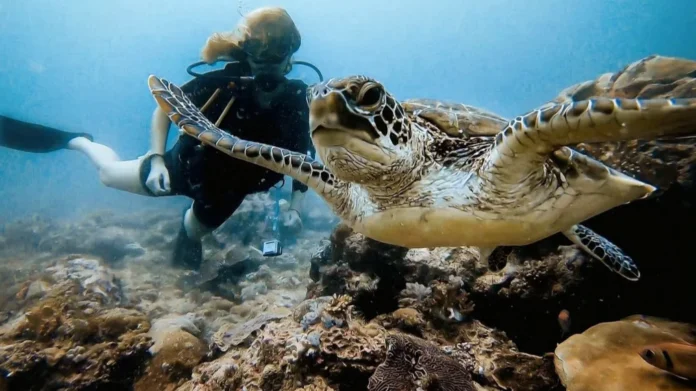
turtle diving kenya

Why You Must Dive in Kenya: Scuba Diving’s Best Kept Secret

When people think of Kenya, they picture majestic wildlife, endless plains, and dramatic safaris. But just offshore lies an entirely different world — one that’s full of color, movement, and marine magic.

Welcome to scuba diving in Kenya.

It’s one of the most overlooked dive destinations on the planet — and one of the most rewarding.

If you’re a diver searching for something fresh, wild, and uncrowded, Kenya should be your next stop.


A Hidden Gem in the Indian Ocean

Kenya’s coastline stretches over 500 kilometers along the warm Indian Ocean, with much of it bordered by fringing coral reefs that remain healthy and vibrant. These reefs have been protected for years, benefiting from relatively low tourist pressure, which has helped preserve their natural beauty.

Along this coastline, you’ll find diverse and thriving coral ecosystems, with marine parks teeming with life. Whale sharks, dolphins, turtles, rays, and reef sharks are commonly spotted, offering exciting encounters for divers. One of the best parts about diving in Kenya is that, unlike more popular destinations, the reefs here are less crowded with divers. With fewer dive boats in the water, you’ll enjoy more personal and intimate underwater experiences, giving you the chance to dive in peace and fully immerse yourself in the natural beauty of these untouched reefs.


Top Kenya Dive Sites to Explore

Diani Beach

Diani is one of Kenya’s most popular beach destinations — and for good reason. Powdery white sands, swaying palm trees, and a relaxed vibe make it an ideal base for divers. Offshore, you’ll find rich coral reefs, turtles, rays, and even occasional reef sharks. Dive schools here are professional, eco-aware, and cater to all levels. The area also offers exciting drift dives and deep dives for more advanced divers.

Kisite Mpunguti Marine Park

Located near the Tanzanian border, this is a protected area. Visibility regularly reaches 20–30 meters. Expect encounters with dolphins, turtles, and during peak season, whale sharks. Trips go from Diani for the full day or you can even stay in Shimoni.

Watamu Marine National Park

Perfect for newer divers and underwater photographers, Watamu features calm drifts, colorful coral gardens, and abundant reef fish. It’s also home to seasonal turtle nesting beaches.

Mombasa Marine Park and Nyali Reef

Easily accessible and ideal for a variety of dive levels, these sites offer shallow wrecks, vibrant coral bommies, and a chance to explore reefs just minutes from the city.

Kilifi

Kilifi is a smaller, more laid-back coastal town nestled between Mombasa and Malindi. It’s ideal for divers who want tranquility and a truly local experience. The reefs here are less trafficked, offering calm, scenic dives with plenty of macro life and coral diversity. Kilifi Creek also provides sheltered conditions for training and beginner dives. It’s the perfect escape for divers seeking peace, nature, and authenticity.

Whether you’re into macro critters or pelagic action, Kenya delivers — without the crowds.


Year-Round Diving Conditions

Kenya offers excellent diving year-round, with water temperatures typically ranging between 25°C and 29°C, providing comfortable conditions for most divers. Visibility is generally excellent, ranging from 15 to 30 meters. However, during the months of May to September, visibility may decrease slightly due to rougher wind conditions.

Diving in Kenya is accessible, with both shore and boat diving options available, making it convenient for divers of all levels. Whether you’re a first-time diver or an experienced pro, the variety of dive sites caters to all skills and preferences, ensuring an unforgettable underwater experience.


Dive With Purpose

Many dive centers in Kenya are deeply committed to marine conservation and sustainable tourism. While you’re diving, you’ll have the chance to learn about reef health and marine ecology, gaining insight into the delicate balance that supports Kenya’s thriving underwater ecosystems. In addition, numerous opportunities are available to participate in citizen science projects or coral restoration efforts, allowing you to actively contribute to the health of the reefs.

Kenya also offers a chance to get involved in beach cleanups or local community education events, where you can raise awareness about the importance of protecting the ocean. By choosing operators who prioritize eco-friendly practices and sustainability, your trip becomes more than just a holiday. It becomes a meaningful contribution to preserving the ocean for future generations, ensuring that your enjoyment today helps safeguard this beautiful environment tomorrow.


Dive in the Morning, Safari in the Afternoon

Few destinations offer the diversity of Kenya. After a morning spent diving among coral canyons and sea turtles, you can be inland by afternoon watching elephants, lions, or giraffes.

National parks like Tsavo, Amboseli, and the Maasai Mara are all easily reachable from the coast. This land-and-sea combination is what makes Kenya truly unique.


Dive Courses Available in Kenya

Kenya offers a wide range of scuba diving courses for divers of all levels, from beginners to seasoned professionals. Whether you’re taking your first breath underwater or looking to expand your diving skills, you’ll find accredited courses from leading organizations like SSI, and PADI.

Beginner divers can start with the Open Water Diver course, while advanced divers can take specialty courses such as Advanced Open Water, Rescue Diver, and even technical diving.

For those interested in teaching, Ocean Tribe also offers instructor training courses, where you can become a certified dive instructor. With experienced instructors and diverse dive sites, Kenya provides an ideal environment for learning and growing as a diver, all while enjoying some of the most beautiful and pristine underwater environments in the world.


Culture, History, and Relaxation

Beyond the diving, Kenya’s coast has a rich Swahili culture influenced by centuries of trade and tradition. Explore ancient ruins like Gedi, walk through old coastal towns, and enjoy locally caught seafood under the stars.

Add in the white-sand beaches, palm-lined resorts, and warm hospitality, and you’ve got the perfect post-dive experience.


Easy Access and Affordable Travel

Kenya is well connected, with international flights arriving into Mombasa (MBA) and Nairobi (NBO), plus local flights to coastal hubs like Malindi, Diani, and Lamu.

Accommodation ranges from boutique guesthouses to luxury eco-resorts. Dive packages are typically affordable, with excellent value for money compared to more popular global destinations.


Opportunities for Divers with Disabilities in Kenya

Kenya is becoming an increasingly inclusive destination for divers with disabilities. A couple of dive centers along the coast are equipped and trained to offer specialised scuba diving experiences, ensuring that everyone, regardless of physical ability, can explore the underwater world. With adaptive equipment such as hand fins, DPVs and full face masks as well as instructors trained in assisting divers with disabilities, Kenya provides a safe and welcoming environment.

Whether you’re a first-time diver or an experienced diver with specific needs, these dive centers are dedicated to offering a supportive and enjoyable experience. From accessible dive sites to tailored courses, Kenya is committed to ensuring that diving is an activity everyone can enjoy. Add to this accessible wildlife safari vehicles and lodges and you really do have the complete package.


Why Kenya Should Be Your Next Dive Trip

All things considered, Kenya stands out as a premier dive destination that still flies under the radar. It offers exceptional marine biodiversity, with everything from tiny nudibranchs to massive whale sharks gliding through its warm, clear waters. The reefs are not only rich in life but also beautifully preserved and uncrowded, giving you space to explore in peace.

Moreover, the year-round diving conditions make planning easy, whether you’re coming during peak whale shark season or in quieter months. Kenya’s unique ability to combine marine exploration with land-based safaris sets it apart from almost every other dive location in the world. Few places let you dive with turtles in the morning and photograph elephants by sunset.

Add to that a passionate community of dive professionals and eco-focused operators who truly care about conservation and education, and you’ve got a dive trip that makes a difference.

In the end, scuba diving in Kenya isn’t just a vacation. It’s an experience that brings together raw nature, exciting adventure, and deep cultural richness — all in one unforgettable journey.

Kenya is waiting — and the reefs are calling.

Understanding and How to Use Dive Tables

Thank you Lake Hickory Scuba for this extremely explanatory video. Use it to calculate questions for the Science of Diving and dive theory exams.

How to Write a Scuba Diving CV (Resume)

How to write a scuba diving CV

How to write a scuba diving CV? A well-crafted scuba diving CV sets you apart in a competitive job market. With over 150,000 active dive professionals worldwide, getting hired requires more than just the minimum qualifications. Your CV is your first chance to impress employers and secure an interview.

Why Your Scuba Diving CV Matters

Dive centers receive countless applications. If your CV looks unprofessional or lacks key details, they will ignore it. Too many divers rely on posting photos and job requests in social media groups, hoping for an opportunity. That rarely works.

If you want to be treated and paid as a professional, you need to approach the hiring process seriously. Your CV must showcase your skills, qualifications, and experience in a clear and structured way. A strong CV gets you an interview—nothing less, nothing more.

What to Include When You Write a Scuba Diving CV

• Full Name – Make it easy for employers to identify you. Place your name prominently at the top.

• Multiple Contact Methods – Give employers multiple ways to reach you. Include an email, phone number, and WhatsApp. If they struggle to contact you, they will move on to the next candidate.

• Nationality & Work Permits – List your nationality and any valid work permits or visas. If you want to work abroad, employers need to know if hiring you is legally possible.

• Languages You Teach In – Being multilingual makes you more valuable. Many dive centers prioritize instructors who can teach in multiple languages to serve diverse customers.

• Instructor Certifications – Clearly list your certification level (e.g., Open Water Instructor, Specialty Instructor, Instructor Trainer) and the agencies you are qualified under (SSI, PADI, NAUI, etc.). Add your dive professional number so dive businesses can verify your status.

• Number of Certifications Issued – If you have certified many students, mention it. This proves your teaching experience. If you’re newly certified, you can leave this out.

• Relevant Work Experience – Highlight jobs related to diving, tourism, customer service, or outdoor adventure. Show how your past experience has prepared you for this role.

• References – Provide contact details for former supervisors, especially from the diving industry. Strong references confirm your professionalism and teaching ability.

Additional Skills That Make You Stand Out

• University or Military Background – If you have a degree or military experience, include it. Some employers appreciate structured training, discipline, and specialized knowledge.

• Scuba Technician Skills – Many dive centers need someone who can maintain and repair scuba gear. If you have training in equipment servicing, highlight it.

• Boating Skills – If you have a captain’s license, mention it. Just ensure your certification is valid in the country where you are applying, as licenses are not always internationally recognized.

• Trade Skills – If you have experience in mechanics, plumbing, electrical work, or landscaping, list it. Dive centers and liveaboards constantly need maintenance, and these skills can give you an edge.

• Marketing & Sales Experience – Many dive businesses struggle with digital marketing. If you have skills in social media management, website development, or sales, highlight them. This could make you a key asset to the team.

• Photo & Video Editing – Customers and dive centers love high-quality underwater photography and videos. If you have professional skills in Adobe Premiere, Lightroom, or Final Cut and your own equipment, mention it. This could make you more valuable to employers.

What NOT to Include When You Write a Scuba Diving CV

• Underwater Selfies – You’re applying for a scuba diving job, so it’s assumed you can dive. A professional headshot looks far more serious than a casual boat or fun dive photo. Avoid fun or casual shots, after diving, or in swimwear

• Age & Relationship Status – Unless the job description specifically asks for this, leave it out. Employers will ask if they want to know.

• Biography & Hobbies – Avoid personal statements like “I love the ocean” or “I’m passionate about teaching.” Focus on what makes you the best candidate for the job. Often it is best to leave these out.

• High School Education – Your high school background isn’t relevant to a dive center. Unless it directly supports your application, leave it out.

• Where You Did Your Instructor Training – Some dive centers hold biases against specific training locations. Your certification matters, not where you earned it. If necessary, discuss this in an interview.

• Personal Details – Do not list information about tattoos, piercings, or other physical attributes. Employers may judge you unfairly before even meeting you. Unless specifically requested, there’s no need to disclose this.

• Dive Gear List – As a professional diver, you are expected to own your own equipment. There’s no need to list every piece of gear you have.

• Future Certifications – If you haven’t started a course yet, don’t include it. Only list qualifications you have completed or will finish before starting the job. Future training plans can be discussed in the interview.

Formatting Tips

• Keep it Clear and Professional – A well-structured CV improves your chances of getting an interview. Employers don’t have time to decipher cluttered applications.

• Use a Simple, Readable Font – Stick to standard fonts like Arial, Calibri, or Times New Roman. Avoid decorative fonts that make your CV look unprofessional.

• Highlight Key Information – Use bold text for important details so recruiters can quickly find relevant information.

• Limit it to One or Two Pages – Hiring managers don’t have time to read long CVs. Keep your information concise and relevant.

Final Thought

Your CV is your first impression. If it looks professional, well-structured, and highlights the right skills, you will stand out from the competition. Take the time to get it right, and you’ll increase your chances of landing your next diving job.

Are SSI Certifications Valid All Over the World?

SSI Cards

Are SSI certifications valid all over the world? Yes! SSI (Scuba Schools International) certifications are recognized worldwide. Whether you want to dive in the Great Barrier Reef, explore shipwrecks in the Red Sea, drop between tectonic plates in Iceland, or swim with manta rays in Indonesia, your SSI certification will be accepted.
Global Recognition

SSI is one of the largest scuba training agencies in the world. It follows international diving standards set by the World Recreational Scuba Training Council (WRSTC) and ISO (International Organization for Standardization). This means dive shops, resorts, and liveaboards in nearly every country accept SSI certifications.

Can I Dive Anywhere with SSI? Are SSI Certifications Valid All Over the World?

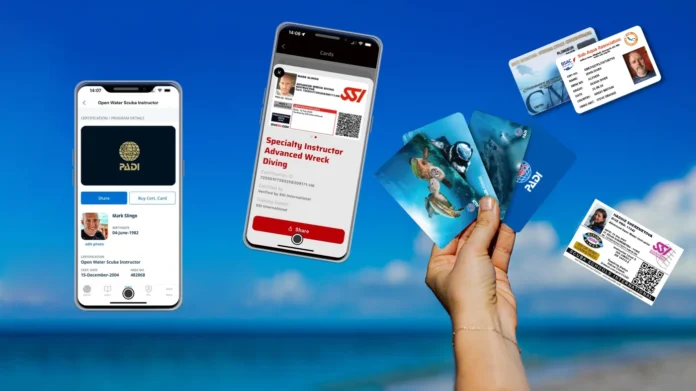
Absolutely! Once certified, you can book dives at any dive center that recognizes WRSTC-approved agencies, including SSI, PADI, NAUI, RAID, and others. If a dive shop does not accept SSI, it is usually a business preference, not a certification issue. In most cases, showing your digital certification card on the SSI app is enough to prove your qualification along with your logbook.

Can I Switch to Another Agency?

Yes, you can. If you started with SSI and want to take an advanced course with another agency like PADI or SDI, most training centers will accept your certification as proof of experience. Similarly, if you want to continue your training with SSI after starting with another agency, you can do that too!

Why Choose SSI?

SSI offers flexible online learning, high training standards, and free digital certification cards. Plus, it has over 3,500 training centers in 150+ countries, so you can find support anywhere you go.

Ready to start your underwater adventure? Get your SSI certification today and dive the world!

Why Do We Teach All Dive Skills Neutrally Buoyant on the ITC?

Dive skills neutrally buoyant

Teaching Dive Skills Neutrally Buoyant

Here at Ocean Tribe we have decided to look at changing the way future dive instructors are trained. As a proud SSI Instructor Training Center, we have embraced a powerful teaching philosophy—all skills are taught while neutrally buoyant. It’s not just a trend. It’s the future of scuba instruction.
Real-World Diving Starts with Buoyancy

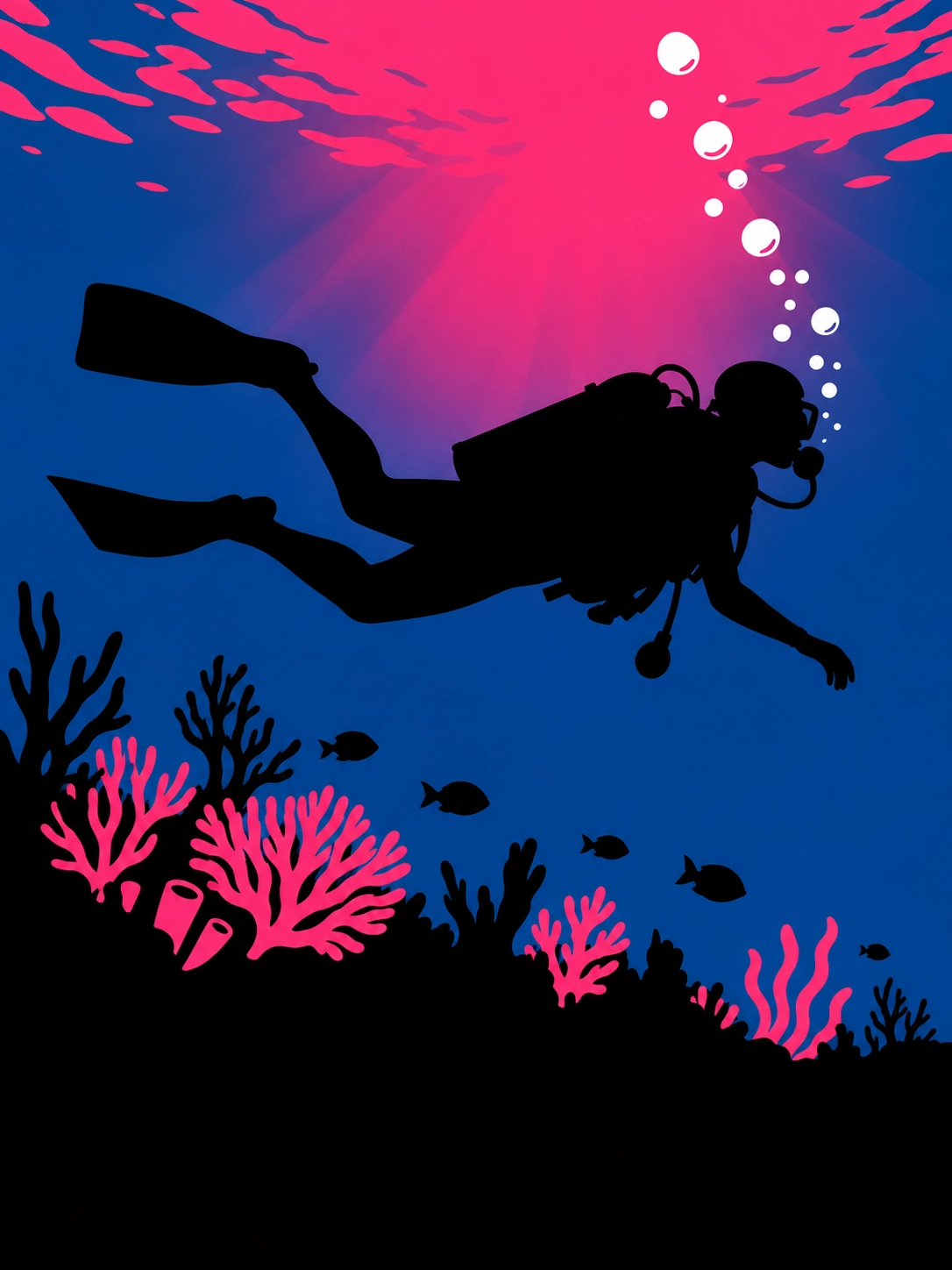
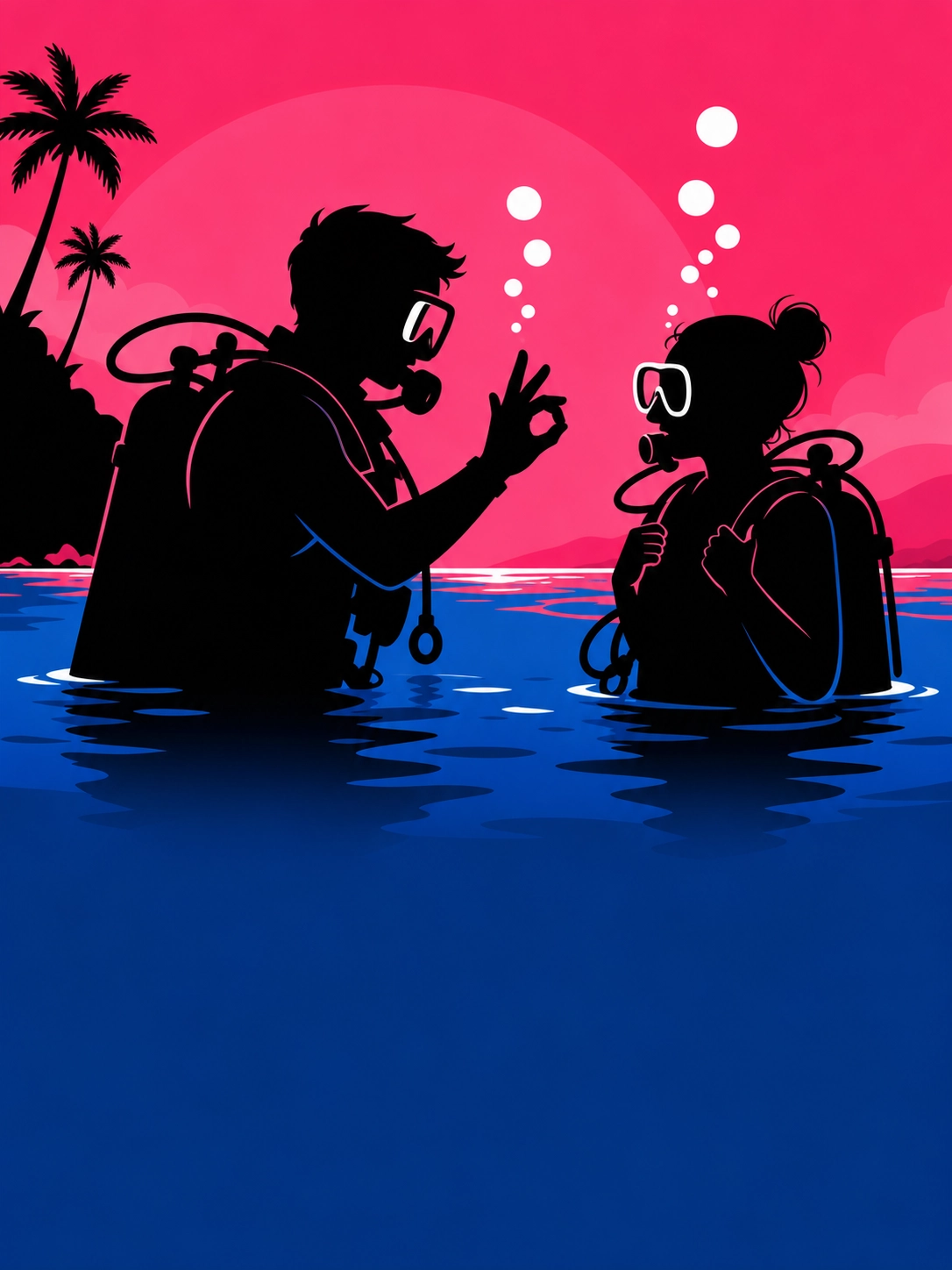
In real diving situations, you’re never kneeling on the bottom. So why train that way? Ocean Tribe trains instructors to perform every skill mid-water. This approach mirrors how actual diving works. When instructors master skills neutrally buoyant, they gain true control and become more confident in dynamic underwater conditions.

Neutral buoyancy isn’t just for advanced divers—it’s a game-changer for beginners too. When students learn how to hover, control their body position, and move efficiently from their very first session, they become better divers, faster.

During our Divemaster courses and ITCs, candidates are taught to demonstrate every skill mid-water. This sets the tone for how students will learn. Instead of developing a habit of dropping to the bottom to complete a task, students stay in the water column where real diving happens. They learn to manage their trim, adjust their buoyancy with small breath changes, and maintain control during every part of the dive.

This approach builds confidence. Students who train this way feel more in control of their bodies and their surroundings. They’re less likely to panic. They’re more aware of their positioning, their equipment, and their environment. And because they’re not relying on the bottom for support, they develop a stronger foundation of skill and comfort that transfers directly into open water diving.

It also improves skill retention. When students are neutrally buoyant, they’re actively engaged in the process—not just passively mimicking an instructor kneeling on the sand. This helps them internalize the mechanics and purpose of each skill. They’re thinking, adjusting, and learning in real time.

At Ocean Tribe, the goal is never just to get students certified. The goal is to train divers who are safe, confident, and capable from day one. Teaching neutrally buoyant sets that standard right from the start.

Teach Dive Skills Neutrally buoyant. Protecting the Reef, Every Dive

Training on the bottom might seem harmless—but it can do real damage. Coral reefs are delicate ecosystems. Even a single misplaced fin or a cloud of kicked-up sand can disrupt marine life. Kneeling during training crushes coral, stirs sediment, and startles fish. Over time, this causes serious harm to dive sites.

That’s why on Ocean Tribe ITCs all instructor candidates learn to teach neutrally buoyant. By staying off the bottom, they avoid disturbing the natural environment. Avoid broken coral. No damaged habitats. Eliminate unnecessary contact.

This isn’t just about avoiding harm—it’s about building awareness. Instructors who train this way pass on those habits to their students. New divers learn from day one to respect the reef, stay off the bottom, and move with care. That kind of training creates ocean-conscious divers for life.

At Ocean Tribe, protecting the reef isn’t an afterthought. It’s built into every skill, every dive, and every course.

SSI and Modern Dive Education Supports Teaching Dive Skills Neutrally Buoyant

The SSI system promotes comfort, control, and realistic diving conditions. Teaching skills neutrally buoyant fits perfectly into this modern, student-focused model. Ocean Tribe embraces this progressive approach to develop instructors who are both professional and eco-conscious.

A Smarter Way to Train as An Instructor

Neutral buoyancy isn’t harder—it’s smarter. It requires real dive control, spatial awareness, and the ability to stay calm and focused. That’s why we insist on it. Every instructor who passes out of our instructor training course can teach confidently, demonstrate flawlessly, and lead by example.

Creating Better Divers from the Beginning

This approach doesn’t stop at instructor training—it continues with every student they teach. When instructors pass these habits on, they create divers who are better from the very start. Good buoyancy improves skill execution. Take clearing a mask mid-dive, for example—you don’t drop to the seafloor. You hover, perform the skill, and continue the dive with ease. That’s real diving. And it all starts with buoyancy control.

Train. Dive Better. Teach Better.

As a dive centre we at Ocean Tribe believe in raising the standard. By teaching all skills neutrally buoyant, we are not just ticking boxes—we are producing skilled, confident instructors who build better divers. It’s safer, smarter, and better for the environment.

Diving in Diani-Why Choose Ocean Tribe?

Diving in Diani with Ocean Tribe

Why Choose Ocean Tribe for Your Dive Trip or Training in Diani

Diani Beach is one of the best places to scuba dive in Kenya. With warm waters, healthy coral reefs, and a relaxed coastal vibe, it’s a diver’s paradise. If you’re planning to go scuba diving in Diani—whether it’s your first time underwater or you’re going pro—you’ll want a dive centre that offers more than just tanks and gear. That’s where Ocean Tribe comes in.

A Personalised, Welcoming Experience

At Ocean Tribe, it’s all about people. From the moment you walk in, you’ll feel like part of the family. The team keeps group sizes small so every diver gets personal attention. Whether you’re on a guided fun dive or starting your Open Water course, the focus is on safety, comfort, and making every moment enjoyable.

The atmosphere is professional but relaxed. There’s no rush, no pressure—just experienced instructors who are passionate about diving and even more passionate about sharing it with you.

Modern Training with Global Standards

Ocean Tribe is an award-winning dive centre certified at the top level by both SSI and PADI, which means you get access to the latest in digital learning. You can start your dive theory online before your holiday even begins. The training is flexible and interactive, and it’s built around your pace and learning style.

From beginner courses to Divemaster and Instructor training, Ocean Tribe follows internationally recognised standards. But they also go the extra mile with one-on-one mentorship and real-world skill development.

Exceptional Diving in Diani

Diani’s dive sites offer something for everyone—shallow coral gardens, deep walls, and seasonal marine life like turtles and rays. Ocean Tribe runs well-organised trips to all the best local sites, with experienced guides who know the reefs inside out.

You’ll dive in small groups, with top-quality rental equipment and safety as a priority. If you’re into underwater photography, macro life, or just soaking in the reef vibes, they’ve got you covered. It’s really the most relaxed way to go diving in Diani.

Professional Development and Long-Term Support

Thinking of turning your passion into a profession? Ocean Tribe is one of the few centers in East Africa that specialises in dive Instructor training. With a supportive learning environment, expert mentorship, and real hands-on experience, it’s an ideal place to start your dive career.

Even after your course, the team offers continued support, networking opportunities, and practical advice to help you find work and grow as a dive pro.

Exclusive Discounts for Local Divers

If you live in Kenya or dive regularly on the coast, the Ocean Tribe Dive Club is a game-changer. It’s designed specifically for local divers, offering discounted dive rates, priority booking, and invitations to member-only events. It’s a great way to stay active in the water, improve your skills, and become part of a passionate dive community—without breaking the bank.

A Tribe, Not Just a Dive Shop

What really sets Ocean Tribe apart is the community. It’s not just about diving—it’s about connection. Many divers return year after year, not just for the reefs, but for the people. You’ll laugh, learn, and maybe even leave with new friends from around the world.

So whether you’re here for a day of fun diving in Diani or a full certification course, Ocean Tribe offers more than just a service. They offer a shared passion, an unforgettable experience, and a tribe you’ll want to come back to.

Join the Next Instructor Training Course in Kenya- May 2025

SSI Instructor Training Course May

Join the Next Instructor Training Course in May at Ocean Tribe

Ready to turn your passion for diving into a career? Join the SSI Instructor Training Course (ITC) this May at Ocean Tribe in Diani Beach, Kenya. This comprehensive 12-day course, led by Award-Winning Instructor Trainer Mark Slingo, is a full package, with no hidden fees.

The package includes everything you need to become an SSI Open Water Instructor: all required SSI digital and physical materials (including SSI Recreational Scuba Pro Wetnotes, a professional mask strap, and Dive Guide Evaluation Slate), and the opportunity to complete class sections online or live in Kenya. With our IE Pass Guarantee, you can be confident you’ll pass the Instructor Evaluation with SSI.

Alongside the course, you’ll enjoy pre-ITC training, online learning, and post-ITC team teaching to ensure you gain real-world experience. You’ll also be introduced to Sidemount Diving and the Classified Diving Specialty Instructor course for disabled divers. Additionally, you’ll complete 7 Instructor Specialties, which will help you stand out as a well-rounded dive professional.

WHAT WILL I BE QUALIFIED TO TEACH?

Upon completion of the SSI Instructor Training Course, you will be qualified to teach a wide range of courses, such as Try Diving, Scuba Diver Course, Open Water Diver Course, Advanced Open Water Course, Diver Stress & Rescue Course, Enriched Air Diver Course, Perfect Buoyancy Course, Science of Diving Course, Scuba Skills Update, Computer Diving Course, React Right First Aid, CPR & Oxygen Provider Course, Deep Diving Course, and Divemaster Course. These certifications will allow you to guide divers at various skill levels, from beginners to advanced, and help you expand your professional diving career.

ARE THERE ANY OTHER INCLUSIONS?

The course also includes job-seeking assistance and possible in-house work opportunities at Ocean Tribe. As an optional bonus, you can add a 3-day, 2-night African wildlife safari to your training experience, or choose to further enhance your qualifications with extra specialty courses, sidemount training, and accommodation options.

After completing your course, you’ll be ready to begin your dive instructor career. Secure your spot today and make your diving dreams a reality!

WHAT IS THE COST OF THE SSI INSTRUCTOR TRAINING PACKAGE?

The total cost is $2199 and this includes the training, all materials and application fees as well as the Instructor Evaluation fee. There are no hidden costs at all.

When is the Best Time to Dive Kenya?

When is the Best Time to Dive Kenya?

When is the best time to dive Kenya? Kenya’s coastline offers exceptional diving opportunities year-round, but certain periods provide particularly favourable conditions. Understanding these seasonal variations can help you plan the perfect diving adventure.

October to March: Optimal Diving Conditions and the Best Time to Dive Kenya

Between October and March, the northeast monsoon brings calm seas and often excellent visibility, often up to 30 meters. Water temperatures during this period range from 26°C to 30°C, creating comfortable conditions for divers. This season also offers the best chances to encounter majestic whale sharks and manta rays, especially around Diani Beach. March is especially good for this with calm waters and cheaper deals on hotels and flights to Kenya.

July to September: Humpback Whale Migration

From July to September, cooler waters, ranging from 23°C to 26°C, coincide with the annual humpback whale migration along Kenya’s coast. Diving in areas like Watamu and Diani during these months may provide opportunities to witness these magnificent creatures.  

April to June: Challenging Conditions

The months of May and June are considered less favourable for diving due to the southeast monsoon and Kusi winds, which brings rough seas and reduced visibility. Many dive operators focus on training and development during this period.  

Additional Considerations for the Best Time to Dive Kenya

Tides and Currents

Kenya’s coastal waters experience varying tidal conditions. Planning dives around slack tides can enhance safety and enjoyment.

Marine Life

Dolphins are commonly spotted year-round, while turtle nesting typically occurs from December to March in areas like Diani, Watamu and Malindi.  

By aligning your diving plans with these seasonal patterns, you can maximize your chances of experiencing Kenya’s rich underwater biodiversity.

Wildlife Safaris

If you wish to conincide your dive trip with a wildlife safari on land then you should take into account the following:

The June to October dry season is the best time to see the Great Migration in the Maasai Mara. Huge herds of wildebeest cross the plains, attracting predators and offering thrilling safari experiences.

However, October to March also delivers incredible wildlife sightings. After the short November rains, the landscape turns lush and green. Many animals give birth during this time, bringing more predator activity. Birdwatching is also fantastic, with numerous migratory species arriving.

For safari lovers, both seasons offer unforgettable adventures, each with unique highlights.

Diving Expedition to Lake Chala, Kenya

Lake Chala Diving Expedition
Lake Chala with Mt Kilimanjaro in the background

Scuba Diving Expedition to Lake Chala- Report by Ocean Tribe Instructor and Club Expedition Organiser Chris

Lake Chala is a hidden gem on the Kenya-Tanzania border, a volcanic crater lake shrouded in mystery and natural beauty. Our team set out from Diani Beach, heading west for an expedition into this remote and breathtaking location.

The Journey to Lake Chala

The drive took us from the coastal plains, through the bustling roads of Mombasa, and onto Mombasa Road heading inland. Once we turned off onto the route leading to the lake, the landscape transformed. The road wound through conservancies and Tsavo National Park, offering us a stunning safari experience along the way. Elephants lumbered in the distance, giraffes moved gracefully between the trees, and herds of antelopes darted across the savannah. The journey itself was a reminder of the wild beauty that Kenya has to offer.

Camping by the Crater Lake

Arriving at Lake Chala, we were immediately captivated by the serene waters cradled within the steep crater walls. After setting up camp, we watched the sun dip below the horizon, casting a golden glow over the lake with the mighty silhouette of Mount Kilimanjaro in the background. The stillness of the evening, punctuated only by the sounds of nature, set the perfect tone for the adventure ahead.

Diving in Lake Chala: An Altitude Challenge

The next morning, we geared up for four dives—two from the Kenyan shore and two from a boat on the Tanzanian side. But before we could even get in the water, we had to tackle the challenging descent, carrying our gear down the steep crater wall to the lake’s edge.

Diving in Lake Chala is unique. At an altitude of over 800 meters, it required careful dive planning to account for the reduced atmospheric pressure. Once underwater, the experience was both eerie and exhilarating. The initial visibility was poor, but as we descended past 20 meters and broke through the thermocline, the scene changed dramatically. The murky water gave way to an underwater world teeming with life. Schools of tilapia swam past, freshwater crabs scuttled along the rocks, and the lakebed was dotted with sunken fishing boats—silent reminders of the human connection to this place.

The volcanic crater walls were perhaps the most mesmerizing feature. They loomed around us, full of caverns and caves that hinted at the lake’s ancient past. Looking down into the depths, the bottom of the lake was nowhere in sight, adding to the mystery of this crater lake.

Reflections on an Unforgettable Diving Expedition to Lake Chala

Lake Chala is a diver’s dream for those seeking adventure beyond the usual dive spots. The combination of altitude diving, challenging conditions, and a unique underwater landscape made this trip unforgettable. With the echoes of the wild from Tsavo behind us and the silent depths of the crater below, this expedition was a perfect blend of Africa’s land and water wonders.

Would we do it again? Absolutely. But next time, we might bring a few extra hands to help haul the gear down that crater wall!

What Certification Should I be to Come on a Diving Expedition to Lake Chala

You should be an Advanced / Deep Qualified diver at least to sign up for a Lake Chala trip. It is also good to be knowledgeable about altitude and computer diving. Chris might even teach an Altitude diving specialty course on the next expedition. Contact us for more information.

Learn to Dive Platinum Package

COURSE PACKAGES