Home Blog Page 39

10 Golden Rules For Snorkelling

PADI Discover snorkelling

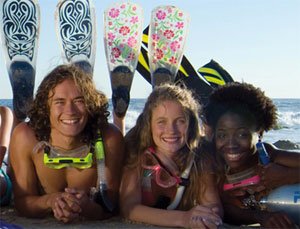
Snorkelling is the easiest way to access and see the underwater world, requiring little training and the bare minimum of gear. You just need a mask, snorkel, fins and a floatation device. It’s a great way to start your underwater adventure. As snorkelers there are a few golden rules you should follow to ensure you have the optimal experience and look after the underwater environment.

1. Never touch any marine life- Either with your hands or feet, you should never touch either the corals or any sea creatures. You can do irreparable damage to corals and there is no need to touch fish, dolphins, turtles or other marine life.

2. Show respect to the marine life by keeping your distance at all times. Seriously would you like it if you were crowded by loads of people leering at you closely.

3. Try to use coral-reef friendly suncream. A lot of branded suncreams have chemicals in them which can be harmful to coral reefs. Try to use a reef-friendly suncream or use a rash guard/ t-shirt/ skin suit to protect yourself from the sun and protect the reef further. See this article on reef-friendly sunscreens

* Avoid sunscreens containing *petrolatum*, commonly known as *mineral oil*, which takes years to biodegrade, and are known to be harmful or fatal to aquatic life and waterfowl.
* Avoid sunscreens with high content of *Titanium Dioxide*. This mineral does not biodegrade and is found to react in warm seawater to form hydrogen peroxide which is harmful to all sea life.
* *Oxybenzone* and *octinoxate*, the two chemicals recently banned in Hawaii and are believed to cause coral bleaching.

4. Pick responsible and ethical boat operators for your snorkeling trips. Cheaper is not always better. When choosing an operator, make sure that they have an environmental policy and do not encourage you to do things such as touching the marine life and posing holding starfish for example. If an operator is just in it for money and not caring for the environment then this can cause long term damage to the reef.

5. Use operators with decent snorkelling and safety equipment. You are going snorkelling to appreciate the underwater world. So you want to use the best equipment to look at it, or at least equipment that is not old, uncomfortable or leaking. When booking, ask to see the equipment that you will be using.

6. Do not take souvenirs from underwater. No matter how good you think that shell will look on your bathroom cabinet, there is no excuse for taking it away from its natural environment. Shells often provide a home for a lot of marine life and you have no way of knowing what its inside. Leave it in its own ecosystem. In Kenya where Ocean Tribe is based it is also illegal and can get you into trouble at the airport if you try to leave with shell souvenirs. Additionally avoid purchasing shells from unscrupulous vendors on the beach as this will have the same result.

7. Join beach and underwater clean-ups to help preserve the underwater world. Many dive centres such as here at Ocean Tribe like to organise Project AWARE cleanup days which focus on removing trash and pollutants from the ocean. These can involve diving, snorkelling and cleaning up the beach to make a safer, cleaner marine eco-system. Get involved whenever you can.

8. Be safe. Don’t snorkel in difficult conditions such as high surf, watch for currents and be mindful of your depth. If you are not a strong swimmer then you might want to consider wearing a life jacket or other floatation device to keep safe.

9. Avoid using plastic as much as possible when you travel. Try and help the environment on your snorkel trip by bringing your own refillable water bottle and dry bag, rather than using single use plastic bottles and carrier bags. Plastic waste its one of the biggest ocean pollutants and the more we can do to reduce this the better.

10. If you are enjoying the snorkelling then consider taking your PADI scuba diving certification by enrolling on the PADI Open Water Diver course. You already have an interest in the underwater world, so wouldn’t it be cool to get down there closer to the marine life and see things that just can’t be accessed from surface snorkelling. It’s a logical next step and one that you definitely won’t regret.
What Scuba Equipment Should I Buy First?

what scuba equipment should I buy first

‘What scuba equipment should I buy first?’ Is a very common question that our PADI Instructors and PADI Divemasters get asked by certified divers and beginners looking to really get invoved in diving. It is also a very good question as getting the right scuba gear can drastically improve your diving experience and make diving easier for you. Now obviously the type of gear you buy depends on your budget and diving needs so we will attempt to give a generic guide to the order you should buy gear in and try to answer what ‘scuba equipment should I buy first?’

1.Mask

We go underwater to see things. As such a good scuba diving mask is the most important item a diver should buy. It’s not at the top end of the expense scale of dive equipment and a well-fitting, comfortable mask really can make a difference to how you percieve your dive experience. All divers have individual preferences for their masks such as clear/black silicone, window size, window style, mask strap for example. You should try as many masks as possible to find the one that works for you. A final piece of advice. When you find a mask you like. Buy two in case you misplace or break it.

2.Snorkel

The natural companion to the mask, a decent snorkel is a great piece of scuba equipment to have. It enables you to enjoy the ocean in a non-diving relaxing snorkeling or freediving environment and is a required piece of scuba equipment for most training agencies. Snorkels come in a different range of styles and materials so you should consult your PADI dive centre where you are buying it on the best type for you. If you are just using it for snorkeling and diving then it should have a good purge valve and easy attachment to the mask. If you are using it for other activities as well such as freediving then you might want a snorkel that floats and doesn’t have the purge valve. If you want to be able to store the snorkel in your BCD pocket then a folddable snorkel might be the right choice for you. but it is an inexpensive vital piece of dive equipment and should be in the first set you buy.

3.Fins

On your PADI Open Water course you were taught to use fins and how to kick correctly. Fins are also a lower costing piece of scuba equipment and there is a weide range fo fin styles and materials available out there. First up the question is what kind of water you will be diving in. If it is not tropical water you will probably want a fin that can be worn with boots, whereas the full foot fins are preferred by some for tropical conditions. Again trying different fins is crucial to finding the one that works best for you and the style and weight might be a factor if you are planning on travlling a lot.

4.Dive Computer

In this modern world dive computers are more and more evident on divers and an absllute must for regular divers. While it is important for you to learn and know how to use dive tables such as the PADI RDP, a dive computer will constantly recaculagte your no decompression limit as you change depths, keeping you constantly informed of your safety margins. It will also show you your depth and dive time and the higher end models can offer advanced features like air integration, gas switching and even heart monitoring in some cases. A dive computer is a vital piece of safety scuba equipment and an excellent buy for all divers.

5. Exposure Suit

Keeping warm and comfortable is very important to your enjoyment of a dive. As such wearing the approriate exposure suit, which fits you properly is absolutely vital. Now this all depends on the type and temperature of water you wish to dive in. For tropical conditions you might be ok with a rash guard, thermal rash guard or a shorty wetsuit. As the water gets colder then you will be looing at long thicker wetsuits or even a dry suit. This is not something you want to be cheap on and make sure it fits well to get the maximum enjoyment out of your diving. For dry suits you will need extra training in how to use the dry suit.

6. BCD

A good BCD is a great piece of scuba equipment to own. Having a BCD that fits absolutely correctly, and has the features you prefer can really aid your diving comfort, position and abiity to carry items underwater. BCDs care generally one of three styles, jacket style, wing style or a hybrid. There is also the option to use sidemount rigs. The BCD you use should suit the type of diving youi like and be the right item for other factors such as travel and attaching items. Having your own BCD is a must once you get into diving seriously and you should try as many styles as possible to find the one that best suits you.

7. Regulator, Alternate Air Source & Gauges

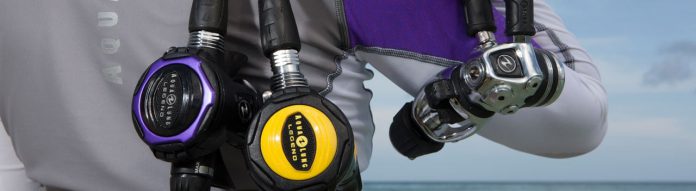
While the most important piece of the delivery system taking air from the scuba cylinder to the diver, the regulator is not size specific and can be quite pricey so we recommend this this is the final main piece of diving equipment that you purchase. This another piece of equipment that the conditions that you will use it in shoudl eb examined as special features such as environmental seals are needed for colder water. You will also need to decide whether you want a balanced or unbalanced regulator, what type of tank connection (Yoke or DIN) you prefer and the weight of the regulator with regards to travel. The type of alternate air source you want to use can also vary with some divers prefering to have an octopus, some an AIR2 and some a completely redundant air source. Consult your PADI pro for more information.

[icon_counter border_size=”2″ border_color=”#a4a4a4″ icon=”Defaults-info-circle” icon_size=”32″ icon_color=”#ffffff” text_color=”#ffffff” desc_color=”#ffffff” bg_color=”#ed00b9″ block_title_front=”I am a PADI Divemaster or Instructor. Does this apply to me?” block_desc_front=”Advice for New and Aspiring Pros” block_title_back=”Role Model Gear” block_desc_back=”It is very important as a dive pro that you have your own equipment. After all to be a professional you really should have the ‘tools of the trade’. By the same definition, you should also have as good a set of gear that you can afford and gear that work for you. Your divers and students will automatically look to you as a diving role model for equipment counselling and often look to the gear you wear as an example. ” ult_param_heading=””]

Final Thought

Being totally honest it is always better to have your own scuba equipment if you wish to pursue scuba diving as an ongoing hobby. Buy what you can afford and go for the piece of equipment that suits you. Just because it is the most expensive does not necessarily mean that it is the right thing for you. Your dive professional will be delighted to assist you in purchasing the right set of equipment. Try different styles of equipment. Ask other divers if you can try a piece they own. A lot of dive centres wl have trial equipment. Be weary of buyinmg online if you haven’t tried a piece of equipment. It is always better to go and try it out at your local dive centre to make sure it is the right fit and style. If you have any questions about anything in this article contact us at Ocean Tribe and we will be delighted to helpo in any way we can.

How to Create a PADI Profile and Access Your PADI eLearning Library

PADI eLearning

PADI eLearning is the cutting edge method that enables you to spend less time in the classroom when taking a diving course and concentrate more on your diving itself. For every course that PADI eLearning is available for, Ocean Tribe use it as the primary knowledge development tool. After you book and pay you will be emailed a code to access your eLearning. This needs to be entered in your PADI online profile to be ab le to access it. You will then be able to use PADI eLearning either online or via a mobile device using the PADI Library app (or PADI Training app for the IDC) on your tablet or phone.

How to create your PADI Profile for PADI eLearning

  1. Navigate to padi.com in your browser.

    PADI eLearning online

  2. Click on “Sign In” in the top right hand menu.
  3. Click on “PADI eLearning for Students” in the drop-down menu.
  4. In the new window, click on the right “Sign Up” tab.
  5. Enter your information.
  6. Click the “Sign Up” button.
  7. Enter your address details or click ‘skip’
  8. You will be directed to your PADI eLearning dashboard.
  9. Enter the code you have been emailed by PADI or Ocean Tribe to gain access to your PADI eLearning module.
  10. Access your PADI eLearning using this option requires an ongoing internet connection.

How to Get the PADI Training App

  1. PADI Training app for PADI eLearningOn your mobile device go to the Apple App Store or Google Play store and search for PADI Training. Alternatively click on the links here. https://play.google.com/store/apps/details?id=com.padi.learning.dev&hl=en or https://apps.apple.com/us/app/padi-training/id1471474067

  2. Download the app to your device.
  3. Tap on the downloaded app icon.
  4. Enter your login details you made when you set up your PADI profile. Hit ‘Sign in’
  5. Tap on the eLearning program you wish to study. The eLearning will be downloaded to your device. Access it section by section

You will need to complete knowledge reviews at the end of every section and in some cases a final exam. You can check the progress of your PADI eLearning as you go in the online section and your Ocean Tribe instructor can likewise. Feel free to contact Ocean Tribe about any issues you have  along the way or things you don’t quite understand. Your Ocean Tribe PADI Instructor will go through prescriptively with you anything you don’t understand when you take the ‘Quick Review’ quiz upon arrival for your PADI course.


Note: Emails from PADI can find their way into your Junk Email box so it is a good idea to check this if you are not receiving your eLearning or contact us at Ocean Tribe.

Masai Mara Safari & Diving Package

Masai Mara

MASAI MARA SAFARI & DIVING PACKAGE ITINERARY

Day 1 – Arrive in Nairobi and Fly to Masai Mara

Catch a morning flight to Masai Mara, departing around 8:00 AM and arriving between 10:00 and 10:30 AM, depending on your camp’s location. A driver-guide from the camp will meet you on arrival and take you on a short game drive while transferring to the camp.

Check-in, enjoy lunch, and head out for an afternoon game drive to explore the vast savannah.

📍 Full-Board Accommodation: Masai Mara Game Reserve.

Day 2 – Masai Mara Safari

Spend the day discovering the wildlife-rich plains of Masai Mara. Enjoy morning and afternoon game drives, spotting elephants, lions, cheetahs, and wildebeest.

📍 Full-Board Accommodation: Masai Mara Game Reserve.

Day 3 – Masai Mara Safari

Experience another full day in Masai Mara. Set out on morning and afternoon game drives, searching for the Big Five and other incredible wildlife.

📍 Full-Board Accommodation: Masai Mara Game Reserve.

Day 4 – Masai Mara to Diani Beach

Embark on a morning game drive before breakfast. Check out and have an early lunch at the camp. Transfer to the airstrip for your afternoon flight to Diani Beach, departing between 1:00 and 2:00 PM. Arrive at Diani Airport around 4:00–4:30 PM.

On arrival, transfer to your hotel

📍 All Inclusive/ Full-Board / Half Board/ Bed & Breakfast/ Self Catering Accommodation: Diani

Day 5-11 – Diani Beach & Scuba Diving

Relax on the stunning white-sand beaches of Diani and dive into its rich marine world.

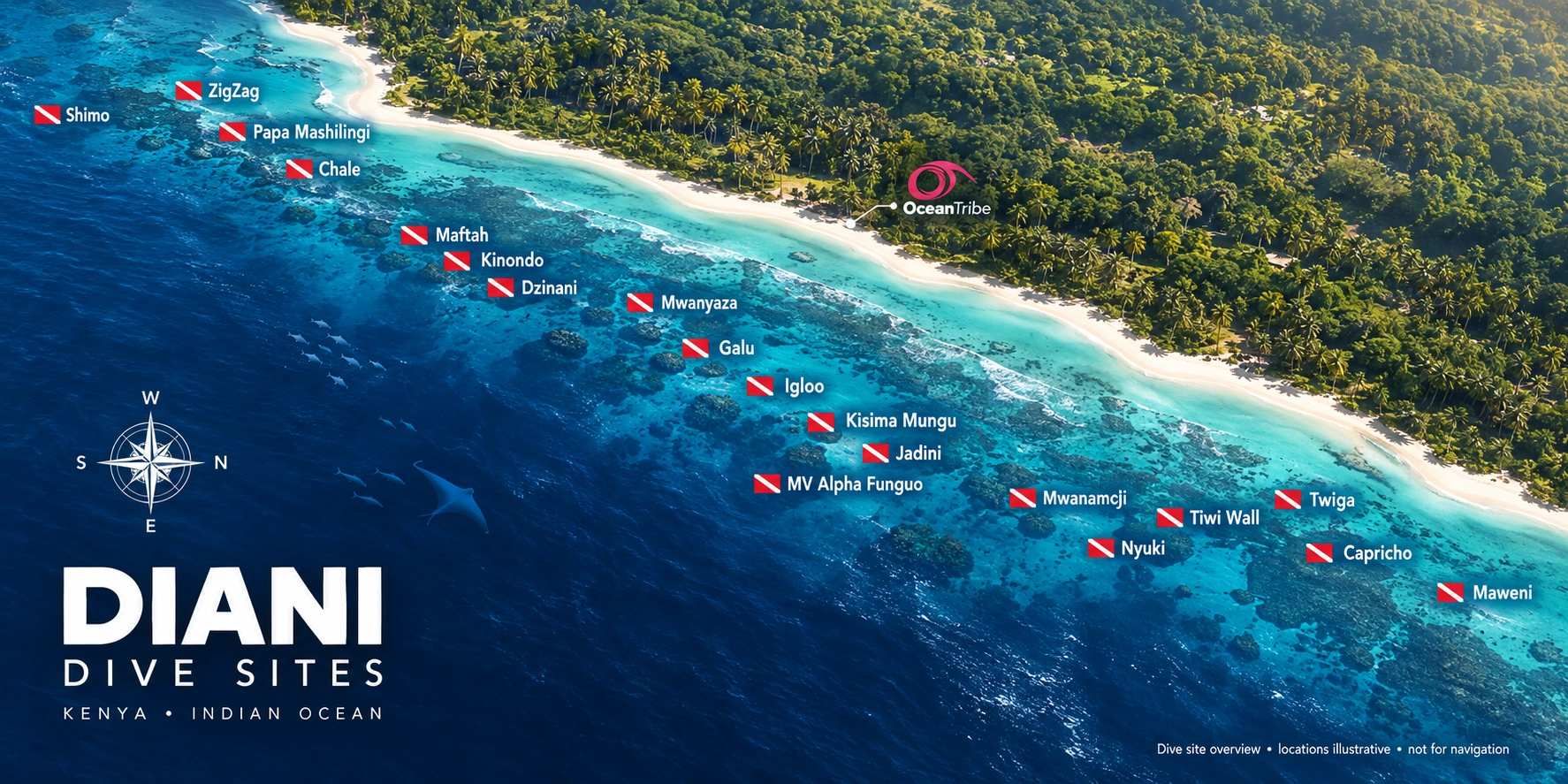
Daily scuba diving trips depart from the on-site Ocean Tribe Dive Centre, offering breathtaking coral reef dives. Between dives, enjoy Diani’s vibrant scene, including bars, restaurants, and nightlife. Try exciting activities like kite-surfing, dolphin and whale shark snorkeling, spa treatments, and microlight flights.

📍 All Inclusive/ Full-Board / Half Board/ Bed & Breakfast/ Self Catering Accommodation: Diani

Safari & Dive Package Inclusions

  • 4×4 Safari Land Cruiser with driver-guide
  • Game drives in Masai Mara
  • Full-board safari accommodation (all-inclusive, B&B, and self-catering options available for the beach stay)
  • Drinking water in safari vehicles
  • AMREF emergency evacuation registration
  • National Park fees
  • 6 days of dive trips (12 dives)
  • Dive equipment rental
  • Transfers to and from Ocean Tribe Dive Centre
  • Professional dive guide
  • Fruit on board during dive trips
  • Personal Ocean Tribe water bottle and T-shirt

Not Included

  • Drinks on safari
  • Tips and personal expenses
  • Special dive site surcharges
  • Dive courses

Ngutuni and Ziwani Safari & Diving Package

Ngutuni Elephants

NGUTUNI AND ZIWANI SAFARI & DIVING PACKAGE ITINERARY

Day 1: Tsavo West to Ngutuni

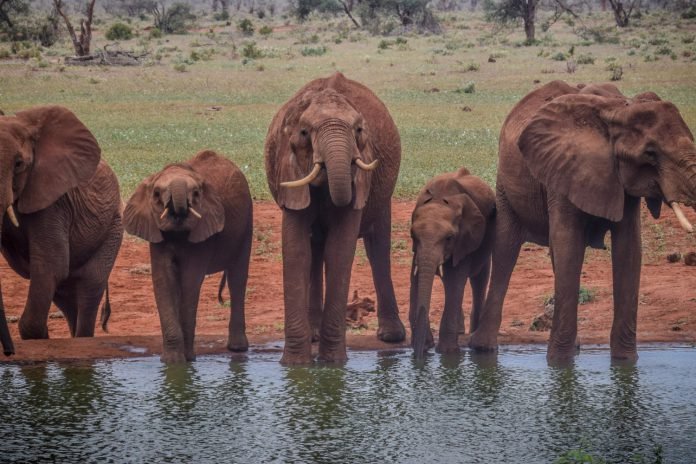
Begin your safari with a visit to Ngutuni Private Game Sanctuary, just outside Voi. Arrive late morning, check in at Ngutuni Lodge, and enjoy lunch. Watch wildlife at the nearby waterhole, a popular spot throughout the year.

In the afternoon, head out for an exciting game drive in the sanctuary.

📍 Full-Board Accommodation: Ngutuni Lodge.

Day 2: Ngutuni to Ziwani Tented Camp

Start the day with a morning game drive or an optional one-hour bushwalk if not done on day one. Enjoy breakfast with stunning views of the waterhole before driving toward Taveta. Along the way, pass through the scenic Taita Hills and spot elephants, buffalo, and other wildlife.

Arrive at Ziwani Tented Camp in time for lunch. This secluded camp sits on a dam along the Sante River, home to crocodiles, hippos, and a variety of birdlife.

In the afternoon, take a one-hour guided bushwalk with the camp’s naturalist, or opt for an evening night game drive on the ranch.

📍 Full-Board Accommodation:  Ziwani Tented Camp.

Day 3: Ziwani to Diani Beach

Wake up early for a morning bushwalk or game drive. After breakfast, begin the journey back to the coast. Enjoy the changing landscapes along the way and arrive at Diani Beach around lunchtime.

On arrival, transfer to the hotel.

📍 All Inclusive/ Full-Board / Half Board/ Bed & Breakfast/ Self Catering Accommodation: Diani

Days 4-8: Diani Beach & Scuba Diving

Relax on the white sands of Diani Beach and explore its vibrant coral reefs.

Daily scuba diving trips depart from the on-site Ocean Tribe dive center, offering incredible underwater experiences. When not diving, enjoy thrilling activities like kite-surfing, dolphin and whale shark snorkeling, spa treatments, microlight flights, and more. Diani also offers lively bars, restaurants, and nightlife.

Tsavo East & Lumo Safari & Diving Package

Lions Bluff Lumo Conservancy

TSAVO EAST & LUMO SAFARI ITINERARY

Day 1: Transit to Tsavo East

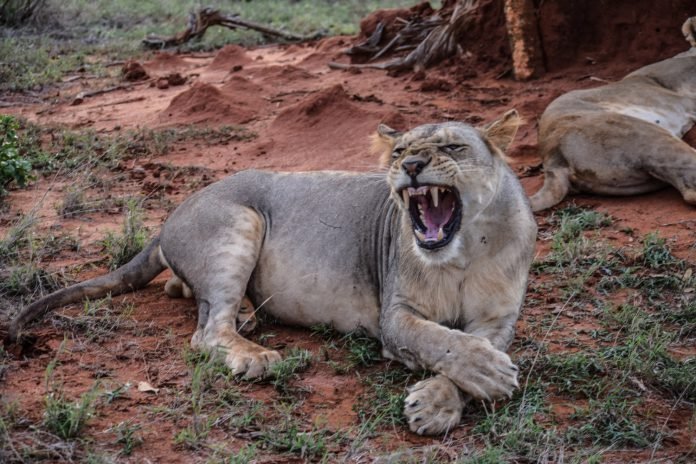
Begin your safari with a scenic drive to Tsavo East National Park, entering through Bachuma Gate, about 100 km from Mombasa. Enjoy a game drive on the way to your lodge or camp. Tsavo East, one of Kenya’s largest and oldest parks, is home to abundant wildlife. Look out for elephants, lions, zebras, and giraffes. Visit iconic spots like the Yatta Plateau, Lugard Falls, and the Galana River.

After lunch at the camp or lodge, set off on an afternoon game drive.

📍 Full-Board Accommodation: Tsavo East National Park.

Day 2: Tsavo East to Lumo Conservancy

Start the day with an early morning game drive, the best time to spot wildlife. Exit the park at Voi and continue to Lumo Conservancy, a community-run conservancy on the Voi-Taita-Taveta road.

Check in at Lions Bluff Lodge and enjoy lunch with stunning views. In the afternoon, head out for another exciting game drive in the conservancy.

📍 Full-Board Accommodation: Lumo Conservancy

Day 3: Lumo to Diani Beach

Take a final morning game drive or opt for a nature walk followed by a bush breakfast at an additional cost. After breakfast, begin the journey back to the coast. Stop for lunch along the way and arrive in Diani by late afternoon.

On arrival, transfer to Baobab Beach Resort & Spa.

📍 All Inclusive/ Full-Board / Half Board/ Bed & Breakfast/ Self Catering Accommodation: Diani

Days 4-10: Diani Beach & Scuba Diving

Relax on the pristine white sands of Diani Beach and explore its rich marine life. Stay at Baobab Beach Resort & Spa on an all-inclusive package.

Daily dive trips depart from the on-site Ocean Tribe dive center, offering incredible coral reef diving. When not diving, enjoy kite-surfing, spa treatments, dolphin and whale shark snorkeling trips, microlight adventures, or simply unwind at the resort. Diani also offers fantastic bars, restaurants, and a vibrant nightlife.

📍 All Inclusive/ Full-Board / Half Board/ Bed & Breakfast/ Self Catering Accommodation: Diani

Tsavo East Safari & Diving Package

Lion in Tsavo East

TSAVO EAST SAFARI & DIVING PACKAGE ITINERARY

Day 1: Arrive in Mombasa – Transfer to Tsavo East

Begin your safari with a drive to Tsavo East National Park, entering through Bachuma Gate (100 km from Mombasa). Enjoy a game drive en route to your lodge or camp. Tsavo East, one of Kenya’s largest and oldest parks, is home to abundant wildlife. Spot elephants, lions, zebras, and more. Explore famous sites like the Yatta Plateau, Lugard Falls, and Galana River.

After lunch at the camp or lodge, set out for an afternoon game drive.

📍 Dinner & Overnight: Tsavo East National Park

Day 2: Tsavo East – Diani Beach

Start the day with a final morning game drive, a great time for wildlife sightings. After breakfast, begin your scenic drive back to the coast. Enjoy lunch along the way before arriving in Diani Beach by late afternoon.

📍 All Inclusive/ Full-Board / Half Board/ Bed & Breakfast/ Self Catering Accommodation: Diani

Days 3-8: Diani Beach & Scuba Diving

Relax on the white sands of Diani Beach and dive into the crystal-clear waters of the Indian Ocean. Stay at the luxurious Baobab Beach Resort & Spa on an all-inclusive package or check out our other hotel/villa options. Daily dive trips depart from the on-site Ocean Tribe dive center, offering spectacular reef diving experiences.

When not diving, enjoy thrilling activities like kite-surfing, dolphin & whale shark snorkeling, spa treatments, and microlight adventures. Diani also boasts lively bars, restaurants, and nightlife.

📍 All Inclusive/ Full-Board / Half Board/ Bed & Breakfast/ Self Catering Accommodation: Diani

Tsavo & Amboseli Safari & Diving Package

Amboseli National Park

TSAVO & AMBOSELI SAFARI & DIVING PACKAGE ITINERARY

Day 1: Arrive in Mombasa – Transfer to Tsavo East

Begin your safari with a scenic drive to Tsavo East National Park, entering through Bachuma Gate (100 km from Mombasa). Enjoy a game drive en route to your lodge or camp. Tsavo East, one of Kenya’s largest and oldest parks, is home to abundant wildlife. Look out for elephants, lions, giraffes, and more. Explore famous attractions like the Yatta Plateau, Lugard Falls, and Galana River. After lunch at the lodge/camp, embark on an afternoon game drive.

📍 Dinner & Overnight: Tsavo East National Park- Full-Board Accommodation

Day 2: Tsavo East – Amboseli National Park

Start your day with an early morning game drive, the best time for wildlife sightings. Depending on your camp’s location, you may have breakfast before or after the game drive.

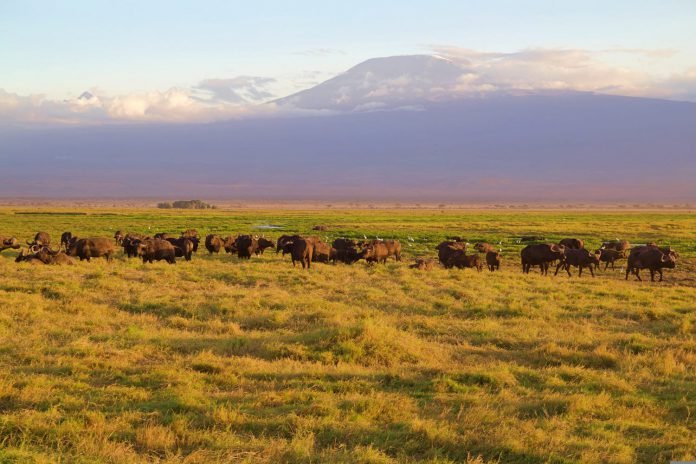
Drive to Amboseli National Park, famous for its large elephant herds and stunning views of Mount Kilimanjaro. Spot diverse wildlife, including giraffes, zebras, cheetahs, lions, and buffalo. Visit the park’s wetlands and seasonal lake, a haven for birdlife. After lunch at the lodge/camp, head out for an afternoon game drive.

📍 Dinner & Overnight: Amboseli National Park- Full-Board Accommodation

Day 3: Amboseli – Tsavo West National Park

Catch a breathtaking sunrise over Mount Kilimanjaro during an early morning game drive. Return for breakfast before driving to Tsavo West National Park.

Experience a dramatic change in scenery, from rocky hills to open savannahs. Visit Mzima Springs, a natural oasis fed by underground streams from the Chyulu Hills. Watch hippos and crocodiles from an underwater viewing area. After lunch at the lodge/camp, enjoy another afternoon game drive.

📍 Dinner & Overnight: Tsavo West National Park- Full-Board Accommodation

Day 4: Tsavo West – Diani Beach

Savor your final morning game drive in the park. After breakfast, begin your journey back to the coast. Stop for lunch along the way before arriving in Diani Beach by late afternoon.

📍 All-Inclusive Accommodation: Baobab Beach Resort & Spa

Days 5-11: Diani Beach & Scuba Diving

Relax on the white sands of Diani Beach and explore its vibrant marine life. Stay at the luxurious Baobab Beach Resort & Spa with an all-inclusive package. Daily dive trips depart from the on-site Ocean Tribe dive center, offering incredible reef diving.

When not diving, enjoy kite-surfing, dolphin & whale shark snorkeling, spa treatments, microlight adventures, and Diani’s lively bars, restaurants, and nightlife.

📍 All-Inclusive Accommodation: Baobab Beach Resort & Spa

Don’t see a dive and safari package that suits you? Contact us, and we can design a bespoke package just for you! Customize your trip with your group size, preferred parks, trip length, hotel catering options, and number of dives.

Do I Need To Be Able to Swim to Scuba Dive?

Schools scuba diving

A question that we are constantly asked at Ocean Tribe is “Do I need to be able to swim to scuba dive?”. This is a more complicated answer than a simple yes or no, as it really depends on the experience you are looking to have.

If you are after getting your PADI Open Water Diver licence or any other scuba diving certification then the straight answer in yes. On the entry level PADI Open Water Diver and PADI Scuba Diver courses there are swim and floating tests that you need to be able to accomplish in order to earn the dive certification. On the PADI Open Water Diver course this is a 200m swim and a 10 minute tread or float.

The reason for this is not the particular ability to be able to swim for scuba diving but more for your own and your group’s safety, so that you are able to maintain yourself in deep water, in the unlikely event that your equipment has to be removed including your BCD (Buoyancy Control Device).

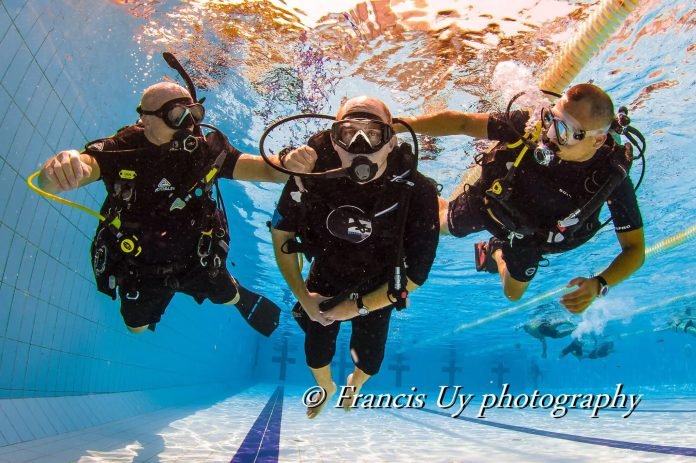
However if you are looking at doing a PADI Discover Scuba Diver experience then it is not 100% necessary to be able to swim. You will be under the direct supervision within arm’s reach of a PADI Instructor who will teach you to kick properly using fins in the water and this can be quickly learned. The rest of the time you will be neutrally buoyant underwater. However all this being said we still recommend being able to swim prior to trying or learning to scuba dive to enhance your confidence and the experience for you.

Ocean Tribe generally will do the scuba diving experience for non-swimmers in a swimming pool or an other shallow water area. If you then decide you really want to continue with scuba diving we also have professional swimming instructors on staff who can run programs to aid you to learn to swim.

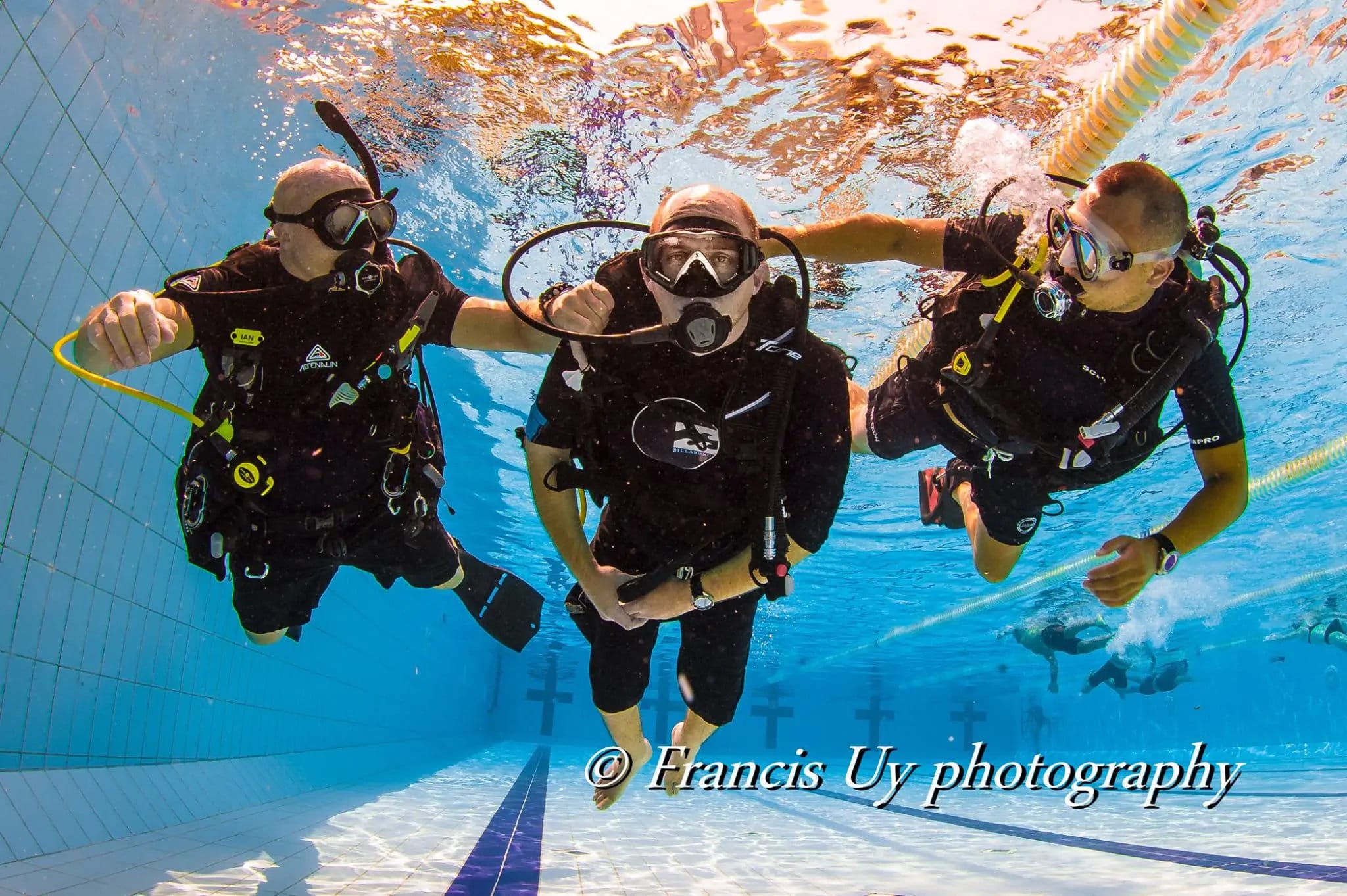
The exception to this rule is those people with disabilities taking part on one of our Disabled Diver International (DDI) level 3 diver programs. These divers will be taken through the water by 3 DDI dive professionals experienced in working with divers with disabilities and therefore swimming for these participants is not required due to the added safety measures. For people with disabilities who are wishing to scuba dive or try diving contact our PADI Course Director Mark who is a specialist in this field. You will be surprised how many conditions are able to get in the water and experience the wonders of scuba diving.

Contact us at Ocean Tribe in Diani Beach today for more information regarding swimming lessons, or to book your PADI Discover Scuba Diving experience or PADI Open Water or Scuba Diver course.

Classified Diving Instructor (Disabled Diving) Course

Classified Diver Instructor course
SSI Professional Continuing Education

Classified Diving Instructor

Adapt skills. Remove barriers. Open the underwater world to more people through safe, thoughtful and ability-focused scuba training.

📅 2 Days Focused professional training
🌊 Confined Water Classroom and pool training
📏 5 Metres Maximum training depth
🎓 Instructor Level Active SSI professionals
💵 US$499 At Ocean Tribe Kenya
Adaptive scuba diver training in confined water with two dive professionals
ABILITY
BEFORE
ASSUMPTION
Inclusive instruction

Teach the diver in front of you

The SSI Classified Diver program adapts the established Open Water Diver program to each student’s abilities, pace and support needs.

As a Classified Diving Instructor, you learn how to preserve SSI training standards while adapting communication, equipment, positioning and skill performance. The goal is not to lower the standard—it is to find a safe and effective route to achieving it.

  • Teach divers with physical, sensory or cognitive disabilities.
  • Modify techniques around what each student can do.
  • Use adaptive equipment and alternative communication methods.
  • Create safe, dignified and genuinely inclusive experiences.
  • Train Classified Divers and Classified Dive Buddies.
Understanding the system

Three support levels. One ocean.

A diver’s classification is determined by demonstrated in-water abilities and required support—not simply by a medical diagnosis.

1 Most independent

Classified Diver Level 1

The diver can complete most required skills independently and dives with one appropriately trained Classified Dive Buddy.

2 Additional support

Classified Diver Level 2

The diver requires a trained support team of two Classified Dive Buddies to provide the necessary in-water assistance.

3 Professional support

Classified Diver Level 3

The diver requires two trained buddies plus a qualified Classified Diving Professional as part of the support team.

Progress is individual. A diver may progress to a different classification level as skills, confidence and independence develop.
Professional toolkit

What you will learn

Develop practical strategies that can be applied before, during and after a dive—not just during skill demonstrations.

🧠

Medical considerations

Understand relevant physical, sensory and neurological considerations, risk management and the importance of medical clearance.

🛠️

Adaptive equipment

Explore weighting, exposure protection, propulsion aids, support equipment, full-face masks, communication systems and DPVs.

🤿

Adaptive skills

Modify entries, exits, buoyancy, trim, propulsion and emergency procedures while maintaining required performance standards.

🫶

Transfers and support

Practise wheelchair support, safe transfers, assisted entries, equipment handling and respectful physical assistance.

👋

Communication

Use clear briefings, tactile signals and alternative communication strategies, including techniques for visually impaired divers.

🧭

Team leadership

Position and manage support teams, control task loading and respond to changing needs in real time.

Course flow

Your two-day training plan

01
Foundations and adaptations Theory, techniques and core confined-water practice
Classroom
  • Disability awareness and relevant medical considerations
  • Risk management and safety planning
  • Equipment adaptations and support equipment
  • Adaptive teaching strategies
  • SSI standards and procedures
Pool / confined water
  • Candidate water fitness and rescue skills
  • Level 1 entries, exits, buoyancy and trim
  • Level 2 transfers, positioning and equipment handling
  • Level 3 team positioning and advanced adaptations
  • Instructor awareness, control and buddy teamwork
02
Teaching and evaluation Scenario practice, presentations and assessment
Classroom
  • Review and knowledge consolidation
  • Scenarios and adaptive problem solving
  • Course planning and student-centred decisions
  • Final Classified Dive Professional examination
Pool / confined water
  • Visually impaired diver training
  • Hand signals and tactile communication
  • Candidate teaching presentations
  • Student positioning and control
  • Problem prevention and management
  • Final in-water teaching evaluations
Earn the rating

Certification requirements

Candidates must meet the applicable requirements and evaluations in the SSI Classified Diving Instructor materials.

  • Complete the required dry-land practical session.
  • Complete practical applications for Levels 1, 2 and 3.
  • Organise and present required in-water skills.
  • Achieve the passing score on the In-Water Teaching Evaluation.
  • Complete the Candidate Water Fitness Evaluation.
  • Complete the Rescue Skills Workshop.
90% Minimum passing score on the Classified Dive Professional final examination.
Beyond the pool

Accessibility is the whole journey

Inclusive diving involves much more than adapting an underwater skill. The seminar considers the complete customer journey—from the first enquiry to the boat, accommodation and digital information.

🏢 Buildings, bathrooms and changing areas
🛏️ Accommodation and resort access
🚐 Transport, transfers and vehicle access
🚤 Boats, deck protection and entry systems
💻 Websites and digital accessibility
📚 Accessible learning materials
🤿 Dive and adaptive equipment choices
💬 Staff language, behaviour and communication
Course value

What is included?

📖 Academic and in-water professional training
📱 Relevant SSI digital training materials
📘 Ocean Tribe Working with Divers with Disabilities handbook
🛠️ Dive cylinders and weights during training
🎓 SSI instructor certification fees
💳 Classified Diving Instructor digital certification card
☕ Light refreshments during the course
🤝 Ongoing professional and career support
🏊 Ocean Tribe Dive Club membership
🏷️ Professional discounts on new dive equipment
♿ Adaptive equipment assessment and guidance
🌍 Practical accessibility planning for dive operations
MARK
SLINGO
SSI Instructor Trainer #76419
Specialist experience

Training shaped by lived experience

Mark Slingo became a wheelchair user following an accident in 2004 and has since built extensive international experience in adaptive diver education, professional training and dive-centre accessibility.

His background combines personal experience, instructor-trainer expertise and years of work developing and delivering disabled diving education around the world.

  • Adaptive diving trainer since 2005
  • First wheelchair-user PADI Course Director
  • Contributed to SSI Classified Diving development
  • SSI Instructor Trainer
  • SSI Elite Instructor Trainer 2025
  • International accessibility and training projects
  • Ocean Tribe founder
  • Accredited SSI Classified Diving Centre
Choose your route

Course investment

Host the Seminar Worldwide

US$499
Per candidate · Minimum five candidates
  • Training delivered at your dive centre
  • Suitable for professional team development
  • Facility accessibility evaluation
  • Practical accessibility consultation
  • Contact Ocean Tribe to discuss dates and logistics
Host This Course

Classified Dive Buddy Course

US$349
For divers who want to support Classified Divers
  • Learn safe and appropriate in-water assistance
  • Develop communication and teamwork skills
  • Understand the different support classifications
Explore the Buddy Course →

Your Instructor Rating

After successful certification, you may conduct the SSI programs authorised by your new rating, including:

  • SSI Classified Diving programs
  • SSI Classified Dive Buddy programs
  • Your existing Open Water Instructor programs
Ask Mark a Question
Make diving more inclusive

Open the ocean to everyone

Add adaptive teaching skills to your professional toolkit and create safe, empowering underwater opportunities for a wider community of divers.

mark.slingo@oceantribe.co · Ocean Tribe, Diani Beach, Kenya

Learn to Dive Platinum Package

COURSE PACKAGES