Home Blog Page 40

Classified Dive Buddy (Disabled Diving) Course

Classified Dive Buddy
Skip to course information
SSI Classified Dive Buddy · Diani Beach

Better support. Shared adventure.

Learn to dive alongside disabled divers and divers with disabilities using adaptable techniques, clear communication and respectful, individualised buddy support.

📅 3 Days Academic and practical training
🤿 4 Training Dives Adaptive buddy applications
🛟 Rescue Diver+ Plus current CPR and first aid
🔞 Minimum Age 18 SSI program requirement
Inclusive diving starts with listening

Learn to be the buddy your diver needs.

The SSI Classified Dive Buddy program prepares experienced rescue-trained divers to assist a Classified Diver in environments and at depths appropriate to that diver’s training.

The course is not about assuming what somebody can or cannot do. It teaches you to communicate, assess, adapt and provide only the support that has been agreed and is genuinely required.

Ask first. Listen carefully. Adapt the plan. Preserve the diver’s independence wherever possible.
SSI Classified Dive Buddy certification card
More than physical assistance

Four principles behind great buddy support

Adaptive diving is individual. A technique that works well for one diver may be inappropriate for another.

👂

Listen

The diver is the best source of information about their abilities, preferences and normal methods of doing things.

💬

Communicate

Agree on signals, assistance, contact points, positioning and emergency procedures before entering the water.

🧩

Adapt

Modify equipment, positioning, propulsion or procedures to suit the diver and the actual environment.

🤝

Respect

Support independence, dignity, choice and equal participation throughout the dive experience.

One team, agreed roles

Support is a partnership—not control.

Safe adaptive diving depends on a shared plan. Everyone involved needs to understand the diver’s abilities, classification level, preferred techniques and the limits of the planned environment.

1

Agree Before Assisting

Ask what assistance is wanted and how it should be provided.

2

Define Buddy Positions

Establish where each team member will be during normal diving, entries, exits and possible emergencies.

3

Use Clear Communication

Select signals that every member of the team can send, receive and understand.

4

Respect Training Limits

Dive only in environments and to depths appropriate to the Classified Diver’s certification and experience.

What you will learn

Practical skills for individualised support

Training covers planning, communication, adaptive techniques, assistance and realistic buddy-team scenarios.

01

Diver Classification

Understand how a diver’s classification level influences supervision, buddy support and appropriate dive conditions.

02

Individual Assessment

Identify abilities, preferred techniques, potential challenges and the assistance required for a specific diver.

03

Adaptive Communication

Establish effective visual, tactile or other agreed signals suited to the diver and the environment.

04

Entries & Exits

Plan and practise safe techniques for dry land, confined water, boats, shore entries and available access points.

05

Buoyancy & Propulsion

Assist with positioning, balance, trim and propulsion while preserving the diver’s control and independence.

06

Problem Management

Adapt established rescue skills to the diver, equipment, environment and agreed buddy-team plan.

The adaptive toolbox

Change the technique—not the goal.

Adaptive techniques are selected around the individual. The aim is to provide access and support without removing unnecessary independence.

⚙️

Equipment Configuration

Adjust positioning, attachment points, weighting or equipment selection to improve comfort, access and control.

🧭

Buddy Positioning

Choose positions that allow effective communication and assistance without restricting the diver unnecessarily.

🫧

Buoyancy Assistance

Support stable trim and depth control using techniques appropriate to the diver’s abilities and training.

👐

Alternative Propulsion

Explore different movement methods when standard fin propulsion is not practical or appropriate.

🚤

Access Planning

Evaluate transport, surfaces, entry points, boat layouts, lifting considerations and available assistance.

🆘

Emergency Adaptation

Apply rescue principles while considering the diver’s movement, communication, equipment and established team procedures.

There is no universal “disabled-diver technique.” Every plan must be based on the individual diver, their choices and the actual dive environment.
A respectful assistance process

Ask before you act

01

Ask

Find out whether assistance is wanted.

02

Discuss

Agree on the preferred method and contact points.

03

Confirm

Check that the diver and team understand the plan.

04

Assist

Provide the agreed level of support calmly.

05

Review

Debrief and improve the plan for the next dive.

Your training program

Knowledge, confined water and real application

The exact order may be adapted to conditions and student progress. All academic and in-water activities are supervised by an appropriately qualified Classified Diving Instructor.

01

Digital Learning

Study diver classifications, adaptive techniques, medical considerations, communication, equipment and safety procedures.

02

Instructor-Led Academic Training

Discuss realistic situations, inclusive planning, individual needs and the responsibilities of a Classified Dive Buddy.

03

Dry-Land Preparation

Practise planning, equipment preparation, transfers, positioning and entry or exit assistance.

04

Confined-Water Workshop

Develop adaptive buddy techniques in controlled conditions and demonstrate assistance with relevant Open Water skills.

05

Training-Dive Applications

Apply communication, positioning, assistance and problem management during supervised in-water scenarios.

06

Final Assessment & Certification

Complete the required exam and demonstrate the ability to provide appropriate assistance before certification.

Respectful support

Help without taking over

✓

Good Buddy Practice

  • Speak directly to the diver
  • Ask before touching the diver or their equipment
  • Use the diver’s preferred terminology
  • Agree on signals and assistance before the dive
  • Encourage independent skill performance
  • Adapt the site and plan to the individual
  • Debrief honestly after the dive
!

What to Avoid

  • Assuming a diagnosis defines ability
  • Giving unwanted physical assistance
  • Moving mobility equipment without permission
  • Speaking only to a companion or instructor
  • Changing agreed procedures without communication
  • Exceeding the diver’s training limits
  • Treating inclusion as reduced safety standards
Included in the course

Your complete training package

📱 SSI Digital Learning
🧑‍🏫 Classified Diving Instructor
🗣️ Academic Workshops
🏊 Confined-Water Training
🤿 Training Dives
🫧 Equipment, Air & Weights
🚐 Diani Transfers
🏅 SSI Certification
Before you enrol

Entry requirements

Certification Requirements

  • Minimum age of 18 years
  • Diver Stress & Rescue certification or recognised equivalent
  • Current CPR and first-aid training completed within the previous two years
  • Comfortable rescue-level diving skills
  • All required SSI paperwork completed

Medical Fitness

Course participants must complete the required diver medical questionnaire. Some medical conditions or medications may require clearance from a doctor before participating in the in-water training.

Check Medical Information
Good to know

Classified Dive Buddy FAQs

What is a Classified Dive Buddy?
A Classified Dive Buddy is a rescue-trained diver who has completed specific SSI training to dive with a Classified Diver in environments and to depths appropriate to that diver’s training.
Why do I need Diver Stress & Rescue first?
The course builds on established rescue awareness and response skills. Candidates must already be able to recognise and manage diving problems before learning adaptive applications.
Do I need current first-aid training?
Yes. SSI requires proof of current first-aid and CPR training completed within the two years before the Classified Dive Buddy certification is issued.
Does every disabled diver need physical assistance?
No. Needs and preferences vary significantly. Some divers may need specific assistance, while others dive very independently. Support should always be discussed and agreed with the individual.
Does the certification make me a Classified Diving Professional?
A recreational diver earns the Classified Dive Buddy certification. Under SSI standards, an active-status Divemaster or higher who also holds this certification is considered a Classified Dive Professional.
Can I dive with any Classified Diver after the course?
You may dive within the scope of your certification and in environments and depths appropriate to the Classified Diver’s training. Every dive still requires individual planning and assessment.
Inclusive diving begins with better buddies

Ready to become a Classified Dive Buddy?

Contact Ocean Tribe to discuss the program, confirm your prerequisites and arrange your training in Diani Beach.
Course prices from US$349

Diani Dive Job- Ocean Tribe are Recruiting New Team Members

Ocean tribe rash guards

Dive Jobs Kenya– Ocean Tribe are looking for dive centre staff to join our crew in our new dive base in Diani Beach.

Applicants should be Kenyan or have the right to work in Kenya. MUST BE ABLE TO SWIM AND ALREADY A CERTIFIED SCUBA DIVER OR INTERESTED IN EARNING THEIR SCUBA DIVER RATING.

DUTIES AND RESPONSIBILITIES GUIDE

  • A full time hourly position that rotates through retail sales, dive reservations, gas fills and booking scuba training courses.
  • A varied schedule will include day, evening and weekend shifts

Essential Job Functions

  • Greet customers and ascertain what each customer wants or needs.
  • Open and close cash registers, performing tasks such as counting money, separating charge slips, coupons, and vouchers, balancing cash drawers, and making deposits.
  • Manage Dive Centre Management System (Full Training will be Given)
  • Enthusiastically answer incoming calls.
  • Maintain knowledge of current sales and promotions, policies regarding payment and exchanges, and security practices.
  • Recommend, select, and help locate or obtain equipment based on customer needs, desires, and stock levels.
  • Independently sell and set up the following: retail items ranging from T-shirts to Computers, Diving & Snorkel Charters, gas fills, and training courses from Try Scuba Diving to IDC Staff Instructor.
  • Answer questions regarding the items listed above.
  • Describe and explain equipment use, operation, and care to customers.
  • Demonstrate use or operation of equipment.
  • Clean shelves, counters, and displays.
  • Exchange merchandise for customers and accept returns.
  • Bag or package purchases.
  • Help customers try on or fit equipment.
  • Inventory stock.
  • Prepare equipment for purchase or rental.
  • Collect customers and monitor dive and snorkel boats.
  • Estimate and quote equipment packages.
  • Estimate cost of repair or service of equipment.
  • Estimate cost of service, gear, or training required, such as “Cost of Open Water Diver Course, Price of Open Water BCD, Cost of Gas Fills, and Dive Charter” requested to complete Open. water  Diver specialty from the dive boat in their own BCD.
  • Rent gear and prepare rental contracts for customers.
  • Distribute and maintain rental equipment, fill air cylinders as needed.
  • Attend all staff meetings and all in-service training programs.

Other Skills/Attributes

  • Self-motivated, professional, courteous and enthusiastic team player
  • Have a friendly outgoing personality and be goal oriented
  • Possess strong communication and exceptional customer service skills
  • Maintain an organised and neat work environment
  • Be passionate about your interests and personal growth
  • Able to multi-task in a multi-disciplined work environment
  • Adhere to training standards as set by PADI, DDI and DAN
  • Follow personal and professional safe diving practices
  • Comply with Ocean Tribe dress code and code of conduct as described in employee handbook, and Retail Center Staff

Full training will be given to the successful candidate as well as scuba diving certifications. Staff members will be expected to learn to dive for product knowledge and will be sponsored to professional levels if show the aptitude.

Interested applications should email a cover letter, CV and current photograph to mark.slingo@oceantribe.co

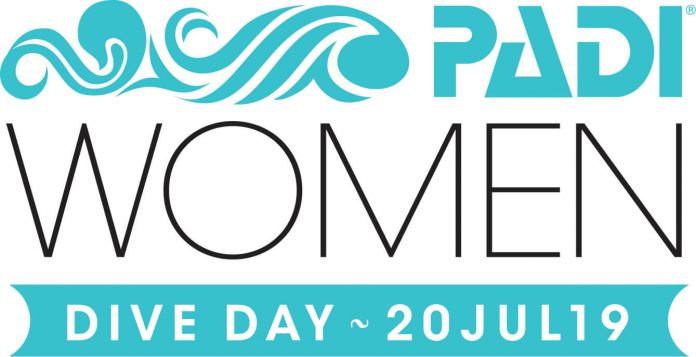
PADI WOMEN’S DIVE DAY 2019

20th July 2019 marks the 5th year of PADI Women’s Dive Day. It is the largest organised event for diving celebrated across the globe by every resort and dive center. It is committed to fostering a global community that encourages divers of all genders, ages and experience levels to safely explore the underwater world. Since it’s inception the event has witnessed growth with many dive centres hosting the event and registering divers across the globe.

This year our dive center is joining the movement together with other dive centres in the region, to bring Diani a Women’s Dive Day filled with fun and educational activities.

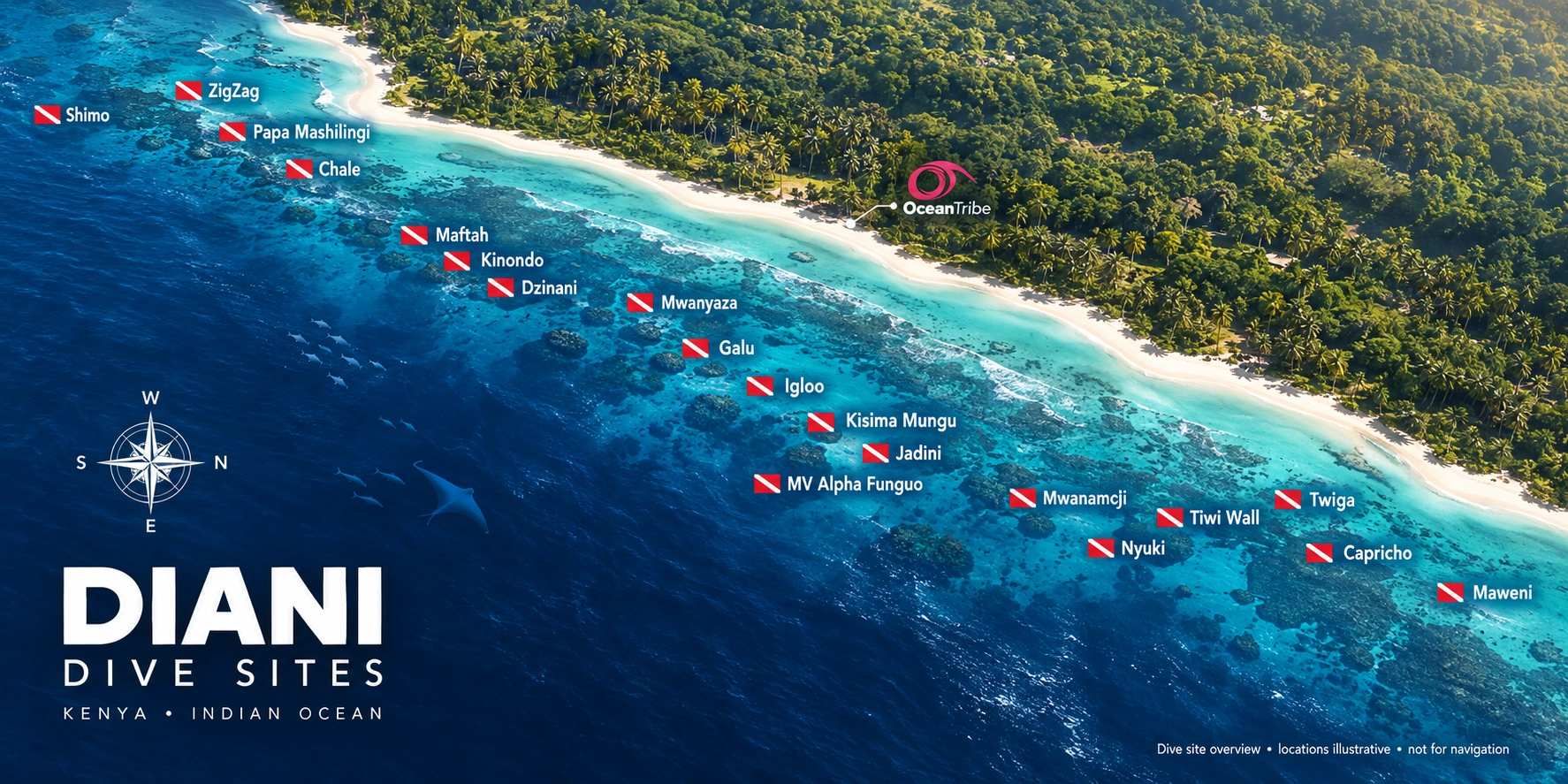
There are about 10 dive sites in Diani Beach, on the day of the event we shall visit two of those dives, famously known for their turtles, beautiful corals and the cast of Nemo. For those who are not yet certified divers yet, don’t you worry. We have discounts on all of our courses starting from the Open Water Course which runs for 3-4 days.

Keeping a Dive Log

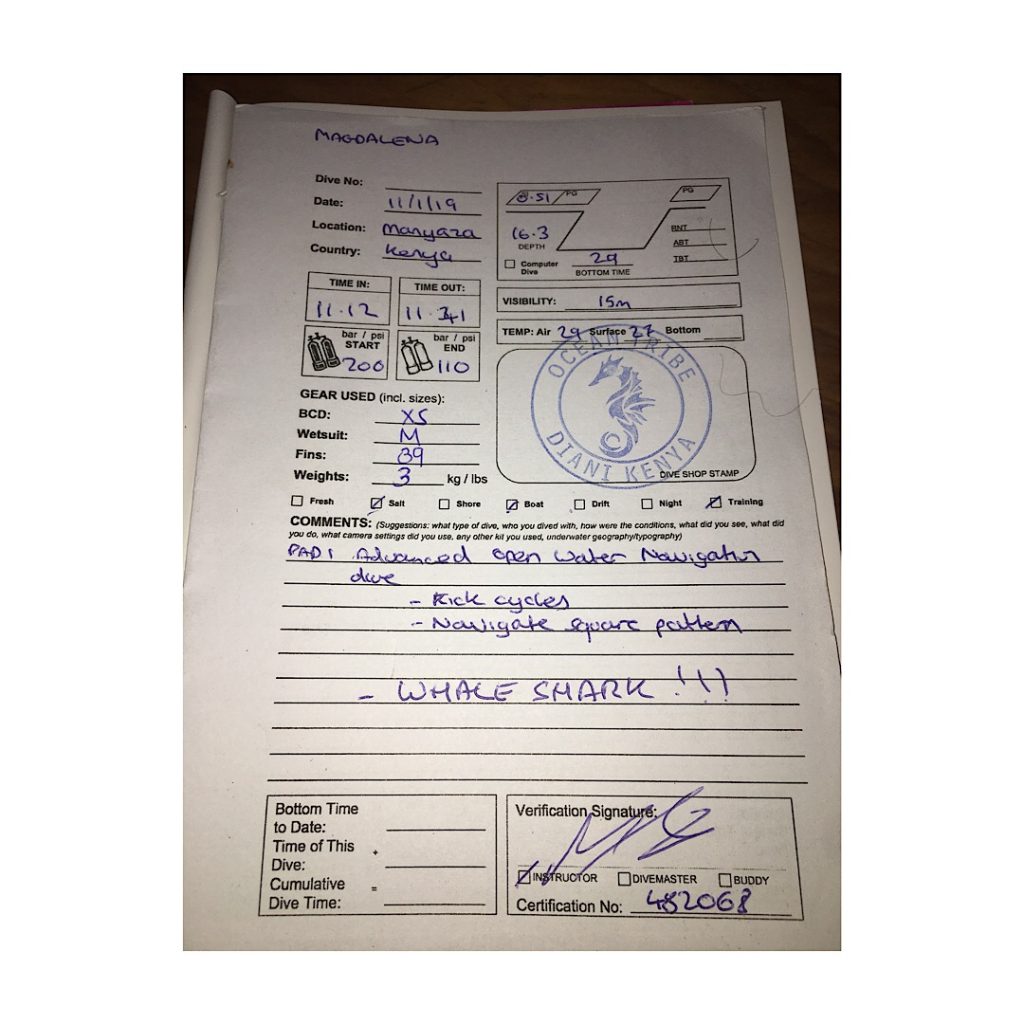
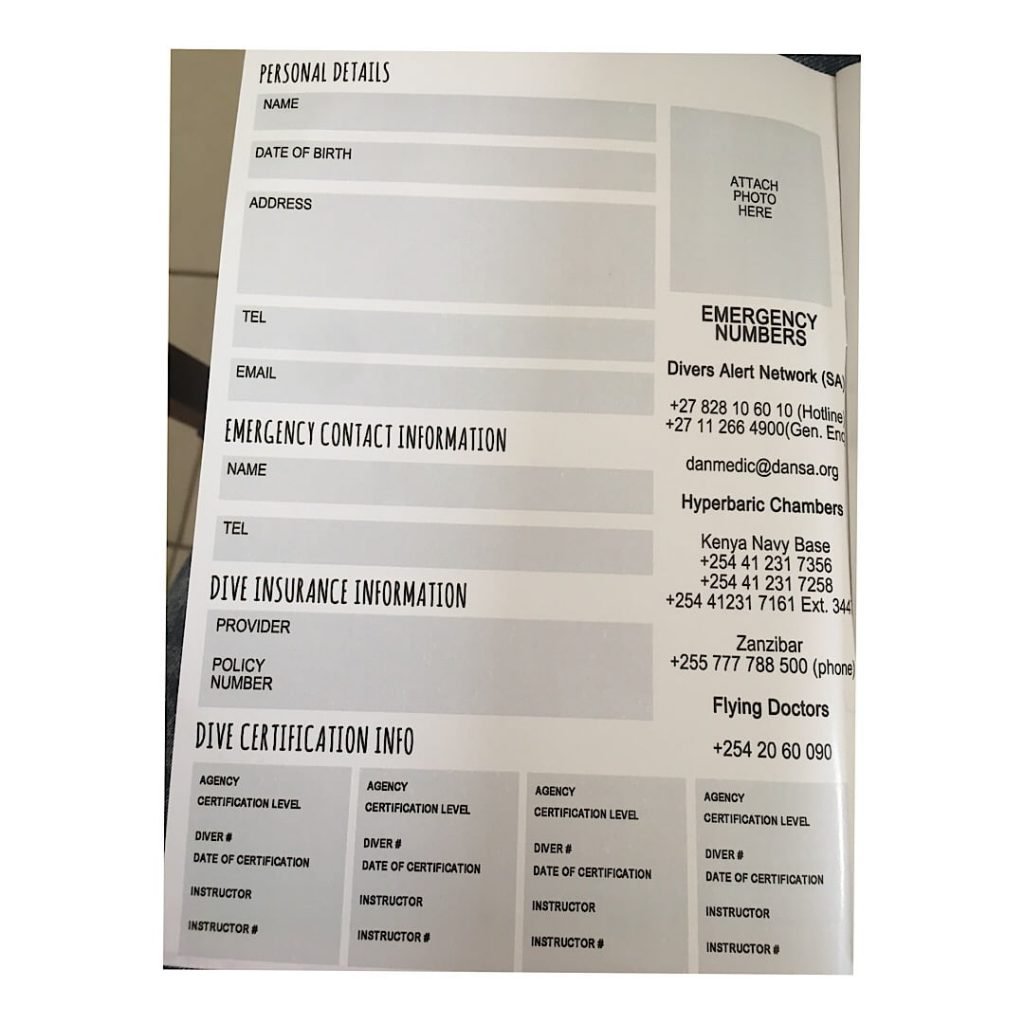
Keeping a dive log is one of the most important thing for a dive adventure and for the  documentation of your dive trips. it is more important for professional divers to log their dives than it is for recreational divers, however recreational dives are still advised to keep a logbook record. For a professional diver a log book will be important for when they  are seeking employment.A diver can either log their dives in a book that is provided to them by the company that certifies them or use online apps to do so. Most or all of these apps are linked to ones dive computer. My PADI Club is one of the best apps (https://my.padi.com/#!/login); Divemate( https://www.divemate.de/)  . Different dive shops have different layouts for their dive log books but there are common contents you’ll find in every  log book that is; Personal details, dive number, dive location, type of dive and the conditions, equipment used, comments and verification.

Keeping a log book updated after every dive is important, not only for the sake of dive journey but also your safety and that of the people you are diving with. Safety is one of the most important rules of Scuba diving. In the case of an accident which often unlikely your dive log can provide the necessary information to help know the factors that led to the accident.  Keeping a log book will help you monitor your progress as a diver and help you know when you are ready to move to the next level of your scuba diving profession, this is because in PADI Scuba diving you have to attain a specific  number of dives to move from one level of your Scuba diving profession to another; for example for a PADI Rescue diver to become a PADI Dive master one  needs to have  60 logged dives or more. You therefore have to show  the logged dives when you apply to another level of your diving career.

As a diver you have to ensure that your dive log book is always signed and verified by either your instructor or dive buddy, after every dive.

Safari and Dive Package Offer

Safari and Dive Package

[two_third]

Safari and Dive Package Offer. Experience the Lion King and Finding Nemo in One Big Adventure Here at Ocean Tribe in Diani Beach Kenya, we are tremendously lucky to be able to offer some of the world’s best wildlife viewing, both underwater and on land. Kenya is home to the famous African savannahs and the multitude of wildlife from the Big 5 lion, leopard, elephant, rhino and buffalo, to the smaller fantastic range of birds and other creatures. This is in addition to fantastic vistas such as the Great Rift Valley, Mount Kenya (and Kilimanjaro on the border with Tanzania) and many more fabulous locations.

In conjunction with Vumbi Jeep Safaris, Ocean Tribe are delighted to be able to offer an Safari and Dive Package which combines the best of both environments. You will spend 3 days/2 nights in the African bush in Tsavo East and Tsavo West National Parks. There are also options to create bespoke packages to parks a such as Amboseli, Masai Mara, Nakuru and Samburu.

Nights will be set in safari game lodges with game drives to view the wildlife in its natural habitat. Add onto that awesome experiences such as breakfast out in the park and fabulous sundowners at the end of a game drive.

Following on from the safari you will arrive in Diani Beach where you will stay 4 nights at the luxurious Diani Reef Beach Resort one of Kenya’s top hotels, whose facilities include swimming pools,  multi cuisine restaurants, a fabulous beach bar, spa and gym and of course Ocean Tribe water sports. Scuba diving can be done each morning (2 dive’s/ trip) on the local reefs and wreck as well as a fabulous dhow dolphin safari day out in Kisite National Park with 2 dives.

Safari and Dive Package Itinerary

Day 1

9:00am-Depart Mombasa Airport to Voi Wildlife Lodge

12:30pm- Arrive Voi Safari Lodge- Lunch/Relaxation

4:00pm- Afternoon Game Drive (optional)

6:30pm- Back at Lodge and Dinner

Day 2

07:00am- Depart lodge after early breakfast for day trip to Lugard Falls- Game Drive along the way

3:00pm – Back to lodge for relaxation then dinner

Day 3

08:30am- Depart lodge after breakfast -Game drive and exit national park

12:30pm- Arrive Diani Reef Resort and check in*

Day 4

08:00am- 2 Dive Trip pickup for transfer to Ocean Tribe

1230pm- Return to Diani Reef

Day 5

08:00am- 2 Dive Trip pickup for transfer to Ocean Tribe

12:30pm- Return to Diani Reef

Day 6

08:00am- 2 Dive Trip pickup for transfer to Ocean Tribe

12:30pm- Return to Diani Reef

Day 7

07:30- Pickup for transfer to Pili Pipa Dolphin Dhow Safari and 2 dives in Kisite National Park

Day 8

Check out of Diani Reef

Transfer to Mombasa International Airport/ Ukunda Airstrip

*- Accommodation at Diani Reef Beach Resort is on a half board basis based on two people sharing a room.

Total Price $1699/ person

Price is inclusive of ALL park entrance fees, full board accommodation on safari & half board accommodation at the coast, transfers in 4×4 vehicle, experience t shirt, dive equipment rental and sundowners on safari.

Price excludes bar bills.

For guests who would like to include scuba diving training as part of the Safari and Dive package we can offer PADI scuba dive courses at discounted rates. Flights internal and internationally can also be arranged by Ocean Tribe and custom packages are also available.

For more information about this awesome offer please contact info@oceantribe.co and we will be delighted to answer any questions you might have.

[/two_third][one_third]African Safari and Scuba Diving Package wildlife

African Safari and Scuba Diving Package transport


Voi Wildlife Lodge

Voi Wildlife Lodge

Diani Reef Resort

Diani Reef Resort

dive with whale sharks[/one_third]

PADI Freediver Course in Kenya- May 2019

PADI Freediver Course in Kenya- Here at Ocean Tribe we are delighted to announce that we will be holding the first PADI Freediver program to be conducted in Kenya. The course at Ocean Tribe scuba diving in Diani Beach, will be conducted by award-winning Freediver and influencer PADI Freediving Instructor Trainer Dada Li. Dada is one of the world’s top freedivers and frequently travels for teaching programs and working on films around the world.

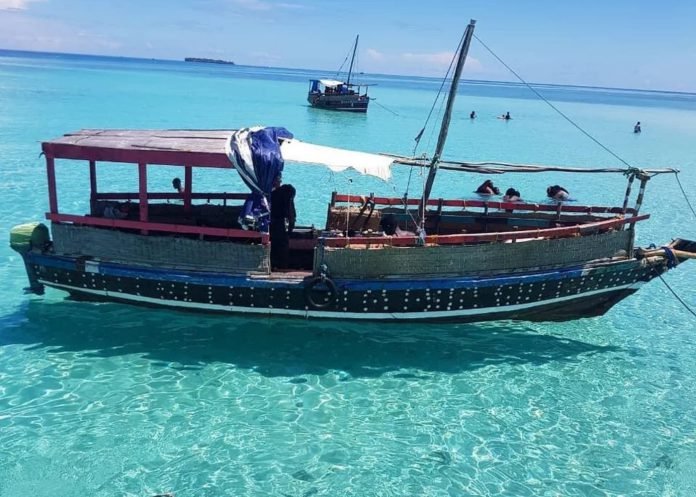
Freediving is about inward power, discipline and control. If you’ve always wanted to enter the underwater world quietly, on your own terms, staying as long as your breath allows, then freediving is for you. Taking the PADI Freediver course is your first step toward discovering why freediving is becoming a popular way to explore beneath the waves.

Prerequisites

To enroll in a PADI Freediver course you must be at least 15 years old. You need adequate swimming skills and need to be in good physical health. No prior experience with snorkelling, skin diving or freediving is required.

Younger than 15? 12 year olds and older can enroll in the PADI Basic Freediver course and eight year olds and older can enroll in the PADI Skin Diver Course.

Academic

The PADI Freediver course consists of three main phases:

Knowledge development about freediving principles through independent study with PADI Freediver eLearning (or your instructor may conduct class sessions if not available in a language you understand).

In the Pool

Confined water session to learn breathhold techniques as well as static and dynamic apnea. Goal – static apnea of 90 seconds and dynamic apnea of 25 metres/80 feet.

In the Ocean

Open water sessions to practice free immersion and constant weight freedives, plus proper buddy procedures. Goal – constant weight freedive of 10 metres/30 feet.

Equipment

In the PADI Freediver course, you learn to use a mask, snorkel and fins, and may also use a wetsuit and weight belt. Using gear designed specifically for freediving is best, however, in this course, you may be able to use snorkelling equipment you already own.

The cost of the program is $280 USD. If you wish to know more about the course then please contact info@oceantribe.co for more information.

Kisite National Marine Park Guide

Kisite National Marine Park

Kisite National Marine Park – A Hidden Gem for Divers and Nature Lovers

Kisite Mpunguti National Marine Park, located off the coast of Diani Beach in Kenya, is a true underwater paradise. This protected marine park is famous for its crystal-clear waters, vibrant coral reefs, and diverse marine life, making it one of Kenya’s top diving and snorkeling destinations.

The park’s waters teem with colorful fish, sea turtles, and playful dolphins. Depending on the season, you may even have the chance to swim with the magnificent whale sharks and graceful manta rays. Kisite Marine Park is part of the larger Kisite-Mpunguti Marine Reserve, a vital ecosystem that conserves not only marine life but also the surrounding islands.

For divers, Kisite offers some of the best dive sites in the region. Coral gardens and underwater caves provide a rich environment for divers of all levels. Whether you are a beginner or an experienced diver, the park’s calm, warm waters, and excellent visibility ensure a safe and memorable experience.

If you prefer snorkeling, Kisite’s shallow waters are equally spectacular. Here, you can swim alongside schools of tropical fish, see vibrant corals, and explore the rocky outcrops that attract an abundance of marine life. The park’s protected status ensures that the ecosystem remains pristine, offering an unparalleled underwater adventure.

Besides diving and snorkeling, Kisite National Marine Park is also perfect for boat rides. Take a guided tour and enjoy breathtaking views of the Indian Ocean while spotting dolphins and enjoying the coastal scenery. Local guides provide insight into the park’s history and its role in marine conservation.

Easily accessible from Diani Beach and Mombasa, Kisite Marine Park offers an unforgettable escape into the heart of Kenya’s marine wonders. Whether you’re looking for adventure beneath the waves or a peaceful boat ride, Kisite National Marine Park guarantees a memorable experience.

Masai Mara National Reserve Guide

Masai Mara

Masai Mara National Reserve – Kenya’s Premier Safari Destination

Masai Mara National Reserve is one of the most famous safari destinations in the world. Located in southwestern Kenya, this vast reserve is a wildlife haven and offers stunning views of the African savannah.

The Mara boasts exceptional wildlife and forms part of the larger Mara-Serengeti ecosystem, home to the Big Five—lions, elephants, leopards, buffalo, and rhinos. The reserve is also the stage for the Great Migration, one of nature’s most awe-inspiring events. Every year, millions of wildebeest, zebra, and gazelle migrate from the Serengeti in Tanzania to the Mara, crossing the Mara River in dramatic scenes watched by crocodiles and lions.

In addition to the Great Migration, The Mara offers year-round wildlife sightings. Visitors frequently spot cheetahs, giraffes, hyenas, and various bird species, including the vulture, eagle, and hornbill. The park’s open plains and diverse ecosystems, from the Mara River to the wooded hills, create a rich environment for animals to thrive.

BEST SAFARI EXPERIENCE

For a truly immersive experience, you can enjoy a game drive through the reserve. Experienced guides guide these drives, helping you witness wildlife in their natural habitat while sharing valuable knowledge about the flora and fauna. In addition to game drives, hot air balloon safaris provide a breathtaking aerial view of the landscape, especially at dawn when the animals are most active.

Masai Mara is also home to the Maasai people, who have lived in the area for centuries. Visitors can learn about the Maasai culture and traditions through cultural visits to local villages. These experiences offer insight into the Maasai’s unique way of life, including their customs, music, and crafts.

Easily accessible from Nairobi and Mombasa, Masai Mara is a top choice for anyone seeking a memorable safari experience in Kenya. With its diverse wildlife, scenic landscapes, and rich cultural heritage, Masai Mara National Reserve guarantees an unforgettable adventure.

Amboseli National Park Guide

Amboseli National Park

Amboseli National Park – Kenya’s Majestic Wildlife Haven

Amboseli National Park is one of Kenya’s most iconic safari destinations. Nestled at the foot of Mount Kilimanjaro, the park spans 392 square kilometers and offers stunning views of Africa’s highest peak.

Amboseli is famous for its large elephant herds, which roam freely across the vast plains. Visitors also spot lions, cheetahs, buffaloes, and over 600 bird species. The park’s diverse ecosystems, including wetlands, savannahs, and swamps, make it a unique wildlife sanctuary.

The Observation Hill provides panoramic views, making it a perfect spot for photography. Additionally, the park’s swamps attract an abundance of wildlife, especially during the dry season when animals gather for water.

For those seeking adventure, Amboseli offers excellent game drives and guided nature walks. As you drive through the park, you’ll have the chance to see animals up close in their natural environment. The park is also home to several Maasai villages, where visitors can experience the rich local culture and traditions of the Maasai people.

Amboseli is easily accessible from Nairobi and Mombasa, making it a popular choice for those looking to experience wildlife up close. Whether you’re here to see the elephants, enjoy breathtaking landscapes, or immerse yourself in Maasai culture, Amboseli delivers an unforgettable safari experience.

Tsavo West National Park Guide

Tsavo West hippos

Tsavo West National Park – Kenya’s Scenic Wilderness

Tsavo West National Park is one of Kenya’s most captivating wildlife destinations. Covering over 9,000 square kilometers, the park is a diverse landscape of savannah, volcanic hills, and wetlands. It’s home to the Big Five and hundreds of other wildlife species.

As you explore, you’ll encounter elephants, lions, leopards, and rhinos, all roaming freely in their natural habitat. The park is also famous for the stunning Mzima Springs, where you can see hippos, crocodiles, and fish up close.

The Sheldrick Falls and Chyulu Hills offer breathtaking views and perfect spots for photography. Additionally, Taita Hills provides panoramic vistas of the surrounding savannah and Mount Kilimanjaro.

Tsavo West is easily accessible from Mombasa and Nairobi, making it a great addition to your dive and safari adventure. With fewer crowds and incredible wildlife sightings, Tsavo West guarantees an unforgettable experience.

Learn to Dive Platinum Package

COURSE PACKAGES