Home Blog Page 24

What are the Differences Between SSI and PADI? Which Training Organisation Should I Go With?

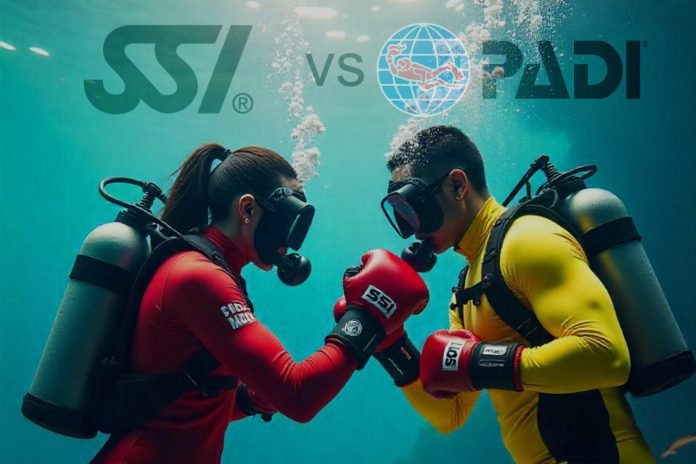
SSI Vs PADI

What are the differences between PADI and SSI diving courses? Which is Better for Certification?

You are considering becoming a certified scuba diver. Obviously you are looking for the best place to learn. Under the guidance of a highly trained professional backed up by standards and regulations. 

The two largest diver training agencies in the world are: PADI (Professional Association of Diving Instructors) and SSI (Scuba Schools International). 

We get asked the question a lot at Ocean Tribe: “What are the differences between PADI and SSI diving courses? Which is better for certification?” So let’s compare the two organisations to help pick the best choice for you.

Are both scuba diving licenses internationally recognised?

Certifications from PADI and SSI are both internationally recognised. Both PADI and SSI are members of the World Recreational Scuba Training Council (WRSTC). The WRSTC regulates and audits both agencies and agrees on minimum standards a dive training agency must meet to be an approved agency.

SSI certifications and PADI certifications are recognised all over the world and accepted as approved certifications. So you don’t have to worry about being turned away with either card.

Teaching Methodology

Here is where there are some slight differences between the agencies. 

Both SSI and PADI allow you to complete the dive knowledges sections of the course online through SSI Digital Learning and PADI eLearning. This means you get more time on your holiday without having to sit in a classroom, which used to be the case.

However when it comes to the practical training PADI requires that dive students complete the training skills in a specific order in order to pass and proceed to the next section.

SSI on the other hand. Is a lot more flexible and if a your are having trouble mastering a skill, allows for rearranging the skills in order to build your confidence by completing the other skills first and not wasting time. This ensures that the program is student focused. And everyone can progress at their own pace. SSI Instructors are also permitted to add information and/or skills if that improves the quality of the scuba diving student.

Difficulty- Is one training agency easier or more difficult than the other?

In a broad sense both the training agencies include all the skills you need to become a safe diver. The online learning, backed up by instructor knowledge and workshops ensures you know the theory. This is true of both SSI and PADI.

But as mentioned above there are some differences in how the courses can be taught.

Are these considerations important to you as a diving student? Well imagine that you are having problems with a skill on the course. With PADI you must complete it before you can progress to the next skill set. This can affect your confidence and occasionally for some students can be a little embarrassing. Especially if other students are waiting for you and not encountered the same issues. 

On an SSI course the instructor can move the show on and perform a few “easier” skills to boost your confidence and then come back to the problematic area later. When you are more comfortable. This generally results in a much lower “drop-off” rate when students who can’t master a skill just give up.

Certifications

Both SSI and PADI require you to master all of the performance requirements for certification. Neither allows short cuts if you can’t do a skill or haven’t completed a section.

Once you are certified both SSI and PADI will issue you with a digital certification as soon as you are processed. This will show up on the dive agency’s app as proof of certification. No waiting around for a card to be delivered.

If you wish to have a physical card then SSI allows either the dive centre or regional office to print one for you for a small fee. PADI allows you to apply for your physical card online which is then mailed out to you. SSI is normally cheaper than PADI in this regard but not by much.

SSI Vs PADI Apps

In this category there is a clear winner. Both agencies have their own apps for divers to access: Training materials, certifications, digital dive logs, creature and safety information, dive centre locators and a lot more.

But SSI keeps all of the information in a single app, with a very clean and easy-to-use interface. PADI in contrast have three different apps for accessing their content. PADI app, PADI Training App and PADI Adventures App. 

All apps rely on the internet but the SSI one has been reported to be more reliable for offline work than its PADI counterparts. 

But for ease of accessing everything you need as a scuba diver digitally the SSI app is better. Hands Down.

Cost

The only difference in this section is the relative cost to the diver for the digital learning. SSI provides some of their programs free of charge. Almost of their digital courses are cheaper than their PADI equivalents.

The fact is that SSI membership and pro renewal are much cheaper for the dive schools and instructors. This coupled with lower material cost, enables the dive businesses to charge less for SSI courses as their overheads have slightly gone down.

PADI and SSI diving course equivalents

The equivalents of the core PADI and SSI courses are shown below.

Entry Level- PADI Open Water = SSI Open Water

Getting Advanced- PADI Advanced Open Water = SSI Advanced Adventurer

Rescue Diver Training- PADI Rescue Diver = SSI Diver Stress & Rescue

Go Pro- PADI Divemaster = SSI Divemaster

Teach Diving- PADI Open Water Scuba Instructor (IDC) = SSI Open Water Instructor (ITC)

There are some huge differences though in the makeup and requirements of the system.

SSI offers a lot more recognition for diver accomplishments than their PADI rival. Divers can constantly earn new levels once they achieve certifications and log dives. You will earn more cards and move up the diver levels in the app. This puts receiving dive centres more at ease when you can show your experience in addition to your logged dives. 

SSI also doesn’t charge for recognition levels and they are awarded on merit.

PADI on the other hand does give substantial charges for getting recognition ratings such as PADI Master Scuba Diver.

So in upshot there are no real differences between PADI and SSI core courses but SSI does give you more recognition.

Is the Dive Centre rating important?

This is a major difference in training standards between PADI and SSI.

SSI requires all dive professionals to be affiliated with, and teaching SSI courses at a recognised, renewed SSI dive centre. This means that an SSI course will always have to be taught at a dive centre who have met the requirements for materials, safety standards and presentation.

PADI allows their pros to teach unaffiliated with a dive centre. While this is not a bad thing per se. It does mean that PADI professionals are not as regulated with what equipment they are using to teach and they generally have to charge more for materials as they don’t get dive centre rates from the organisation.

Is there a right or wrong choice?

Absolutely not. Both SSI and PADI are at the peak of the diver training industry offering approved programs and meeting all safety ratings. Whichever you choose is up to you. You are really choosing the instructor rather than the training agency. They after all are going to be the ones who are guiding you on your certification journey.

Can I move between SSI and PADI diver levels?

Say you did an SSI Open Water certification and you have travelled to an area that only offers PADI. Would this hinder you from being able to say get your advanced certification? Absolutely not. Dive agencies will simply look at what the equivalent of your certification is in comparison to theirs and you can take the next level. So yes you can move freely between PADI and SSI and vice versa.

How easy is it for professionals to cross from one agency to the other?

In the past it used to be much easier to become a PADI Instructor on an IDC and then crossover to SSI as it simply required a short course and the crossover was achieved in a matter of days.

In 2025 though this has changed with SSI, like PADI requiring instructor training and an instructor exam to crossover to them. 

So absolutely identical in terms of requirements for crossover now.

So Who should I choose? SSI or PADI.

The end result is that it is up to you. There is no right or wrong answer. Based on all of the considerations we show above. We believe that you will get more value for money, better materials and flexible training if you choose SSI. And as mentioned you are able to move between the two if you so wish. We are able to offer both agencies at some levels and that’s our opinion. 

Like we said. It is not the training agency but the instructor you pick. In reality we want our instructors to be able to utilise the training agency materials and standards the best, so that you get the best and safest diving experience possible.

How Much does the SSI ITC Cost?

What does the SSI ITC Cost?

How much does the SSI ITC cost? This is the question that is often at the front of concerns about the ITC and dive instructor training courses. So, we would like to explain how it all works.

We have tried to make it as simple as possible for your budgeting purposes so we have included all extra fees such as the required materials and the instructor evaluation in the course price.

You also have the option to include as part of the training price. Some specialty instructor courses. These can be specialties you would like to teach and also ones that are required for Divemaster Instructor rating such as Deep, Night and Navigation Diving.

We do also have packages from the various diver levels to try and reduce the costs for divers wanting to purchase multiple courses, combining them into an internship package, which includes the courses and dives and even full sets of dive equipment. A breakdown of the ITC costs is below.

What’s Always Included

Every package gives you the full Instructor Training experience, plus the extras that set Ocean Tribe apart:

  • Informal 1-week preparation program
  • SSI Instructor Training Course
  • Able to teach
    • Try Scuba
    • Basic Diver
    • Referral Diver
    • Indoor Diver
    • Scuba Diver
    • Open Water Diver
    • Experienced Diver Test
    • Scuba Skills Update
    • Advanced Adventurer
    • Perfect Buoyancy
    • Diver Stress & Rescue
    • Enriched Air Nitrox
    • Science of Diving
    • Dive Guide
  • Instructor Evaluation (IE)
  • Digital Materials
  • Instructor Crew Pack
  • No hidden fees
  • Pro rates on scuba equipment purchases
  • Free Ocean Tribe T-shirt
  • Dive Club Membership
  • Introduction to Sidemount Diving
  • Resume Workshop & Professional CV Photo
  • Career Guidance and Global Job Placement
  • Equipment rental available for training-only tiers (bring your own dive computer & wetsuit)

Choose Your Path

We’ve created 12 unique tiers so you can choose exactly how you want to prepare for your diving career. Whether you just want the basics or the full professional package with equipment and accommodation included, there’s an option to match your goals.

Training Only

Bare Bones — $2,099

The most streamlined path to becoming an SSI Instructor. Covers the ITC, materials, crew pack, and evaluation. Everything you need to qualify without extras. Ideal for divers who already have their setup and want to keep costs low.

Properly Equipped — $2,599

Adds the Divemaster Instructor Seminar (DMIS), giving you the ability to certify students all the way from entry-level to Divemaster. A smart choice if you want to maximise your career options while keeping accommodation separate.

Fully Loaded — $2,499

Includes accommodation during your training, making it a convenient and stress-free choice. You’ll focus fully on the ITC while enjoying comfortable lodging close to the dive centre. Best for travelling candidates who want everything arranged.

The Whole Kit & Caboodle — $2,999

The complete training-only package, combining DMIS and accommodation. Perfect if you want the widest teaching ability and hassle-free living during the course. A strong choice for anyone who wants it all bundled together.

Training + Essential Gear

Starter Pack — $3,348

A great option for new instructors starting from scratch. Includes Bare Bones training plus the Essential Gear Pack, giving you a reliable and professional equipment set to launch your career with confidence.

Dive Pro Pack — $3,848

Pairs Properly Equipped training with the Essential Gear Pack. You’ll gain DMIS for broader teaching ability and walk away with a complete set of solid gear, ready to step straight into dive centre life.

Resort Pack — $3,748

Combines Fully Loaded training with the Essential Gear Pack. Accommodation is included, and you finish with your own reliable scuba setup, making it perfect for those planning to work abroad or in busy resort destinations.

Instructor’s Choice — $4,248

The most complete Essential-level bundle. Includes ITC, DMIS, accommodation, and the Essential Gear Pack — everything a new dive instructor could need to be both fully trained and fully equipped.

Training + Elite Gear

Pro Elite — $3,648

Pairs Bare Bones training with the Elite Gear Pack. Aimed at divers who want a strong start with high-performance gear from leading brands, ensuring you meet professional standards right from the beginning.

Leadership Elite — $4,148

The advanced option for those who want both DMIS and top-end kit. Combines Properly Equipped training with the Elite Gear Pack, preparing you to teach at higher levels while diving with premium equipment.

Ocean Elite — $4,048

Fully Loaded training plus the Elite Gear Pack. Includes accommodation and premium-quality gear, letting you focus entirely on developing your skills in comfort and with the best tools available.
Mission Ready — $4,548

The ultimate all-in-one instructor package. Training, DMIS, accommodation, and the Elite Gear Pack combine to deliver maximum qualification, comfort, and equipment quality, setting you up for a career anywhere in the world.

Inclusions Bare Bones
$2,099
Properly Equipped
$2,599
Fully Loaded
$2,499
Whole Kit & Caboodle
$2,999
Starter Pack
$3,348
Dive Pro Pack
$3,848
Resort Pack
$3,748
Instructor’s Choice
$4,248
Pro Elite
$3,648
Leadership Elite
$4,148
Ocean Elite
$4,048
Mission Ready
$4,548
Informal 1-week Preparation Program
ITC + Digital Materials + Crew-Pack + IE
5 SSI Instructor Specialties FREE
Pro Rates on Scuba Equipment
Free Ocean Tribe T‑shirt
Dive Club Membership
Introduction to Sidemount Diving
Resume Workshop & Pro CV Photo
Career Guidance & Job Placement
Equipment Rental Available (own computer & wetsuit needed)
Divemaster Instructor Seminar (DMIS)
Accommodation Included
Essential Gear Pack
Elite Gear Pack
Early Bird Safari (Book 4+ weeks early)

Bolt-Ons

  • SSI Pro Application (for those crossing over from another training organisation/SSI pros not renewed for the current year- $120
  • Extra Specialty Instructor Seminars — $79 per rating
  • 5 Eco Specialties Instructor Package — $300
  • Divemaster Instructor Seminar — $499 Includes Deep, Navigation, React Right, Night, Classified Diving Specialty Instructor Seminars (2-day DMIS)
  • 3-day / 2-night African Safari — $299 (Free if booked 4+ weeks before the course)

Dive Pro Equipment Package Details

Essential Gear Pack — $1,249 and choose from

  • BC: Cressi Solid Plus / XDEEP Zeos / Mares Rock
  • Regulator: Cressi AC2 Compact + gauge / Mares Dual ADJ 15X
  • Computer: Mares Puck Lite
  • Compass: Ocean Tribe
  • Ocean Tribe 3mm wetsuit
  • Mask, fins, snorkel, reel, DSMB, knife

Elite Gear Pack — $1,549 and choose from

  • BC: Cressi Aquawing / XDEEP Zen / Mares XR-Rec Trim
  • Regulator: Cressi MC9 SC + digital console / Mares Dual ADJ 62X
  • Computer: Mares Sirius / Shearwater Tern TX / Shearwater Peregrine TX
  • Ocean Tribe 3mm wetsuit
  • Mask, fins, snorkel, reel, DSMB, knife

What are the SSI ITC Prerequisites

SSI ITC Prerequisites

WHAT ARE THE SSI ITC PREREQUISITES TO BEGIN INSTRUCTOR TRAINING?

Meeting the prerequisites for the SSI ITC is very important to avoid problems when it comes to getting certified. Making sure you have everything ready eases your mind and you can concentrate on learning to become a great diving instructor. The PADI IDC prerequisites are listed below. If you have any questions about the prerequisites for the SSI ITS please contact us via email or using the WhatsApp button on the page.

If you are crossing over from another training organisation to do your SSI ITC then you will need to make sure that your qualifications meet the minimums below. From major training organisations such as PADI, NAUI, SDI, CMAS and RAID this should not be an issue but you might need to undergo and orientation or crossover program.

SSI ITC Prerequisites

  • Divemaster or:
    • an instructor member in good standing (renewed or eligible to renew) with another recognized recreational diver training organization.
    • have a leadership-level certification in good standing (renewed or eligible to renew) with another recognized recreational diver training organization;
  • 100 logged dives; documented experience in night diving, deep diving and underwater navigation.
  • 18 years old
  • Enriched Air Nitrox Certified
  • CPR & First Aid Certified within the previous 24 months
  • Medical clearance attesting to dive fitness signed by a physician within the previous 12 months, and have had no medical condition changes.
  • Certified diver for at least six months.
  • Documentation of any non-SSI qualifying entry-level, advanced, rescue, and leadership-level certifications as required.

Scuba Skills Update – Refresh Your Dive Skills

Scuba Skills Update

SCUBA SKILLS UPDATE OVERVIEW

When you haven’t dived in a while, it can be easy for your dive skills to get rusty. The SSI Scuba Skills update, gets you back in the water and refreshes your dive skills with ease. It is a full refresher program that goes over the skills that you learned on the SSI Open Water Diver course. All under the guidance of an SSI pro diver. We fully recommend taking this course if you haven’t dived in over a year. That way you will spend less time worrying about your dive skills and have more time to concentrate on the awesome diving of Diani.

If you are a non-certified Open Water Diver student, a Scuba Skills Update is ideal for practicing your dive skills before your open water training dives. With no fixed course duration, you can take your time and focus on the skills you need help with.


DURATION

The Scuba Skills update course lasts 2 to 3 hours and has a short Digital Learning section

WHO IS IT FOR?

The SSI Scuba Skills Update is available to any certified diver and even those who took a break during the Open Water Diver course and would like to resume their training.

INCLUDED

  • SSI Scuba Skills Update Digital Learning
  • Scuba Skills practice with an SSI Instructor
  • Transfers within Diani

AVAILABILITY

The SSI Scuba Skills Update is offered daily at Ocean Tribe. Live availability can be found via contacting us via WhatsApp / Phone or by checking the online booking calendar to book online.


BOOK YOUR SCUBA SKILLS UPDATE NOW

Scuba Skills Update

SCUBA SKILLS UPDATE

Diani dive trip

DIANI DIVE TRIP

ITINERARY

DIGITAL LEARNING

Before you go in the water there is Digital Training for you to complete. This covers the knowledge briefing and gives you an introduction to scuba diving and safety concepts. This will be elaborated on by your SSI Instructor during the SSI Scuba Skills Update.

Completing the knowledge development section starts before you begin the course and requires you to complete most of the Digital Learning for the SSI Scuba Skills Update.

SSI’s cutting-edge digital learning leads the world in diver education and enables you to complete the knowledge development in the comfort of your own home. You can take notes in the app to discuss with your SSI Instructor any concepts that you don’t understand. Assessment of learning is done via quick reviews at the end of every section in the online learning, which you must get correct to proceed so it is clear you understand

SKILLS PRACTICE

Your SSI Instructor will work with you through all of the skills you learned in the Open Water Diver course. These will be in a natural progression from basic to complex. Following on from this you can practice in the pool making sure your skills are fine-tuned before going on open water dives again.

ADDITIONAL INFO

Prerequisites and Forms
  • Minimum age 10
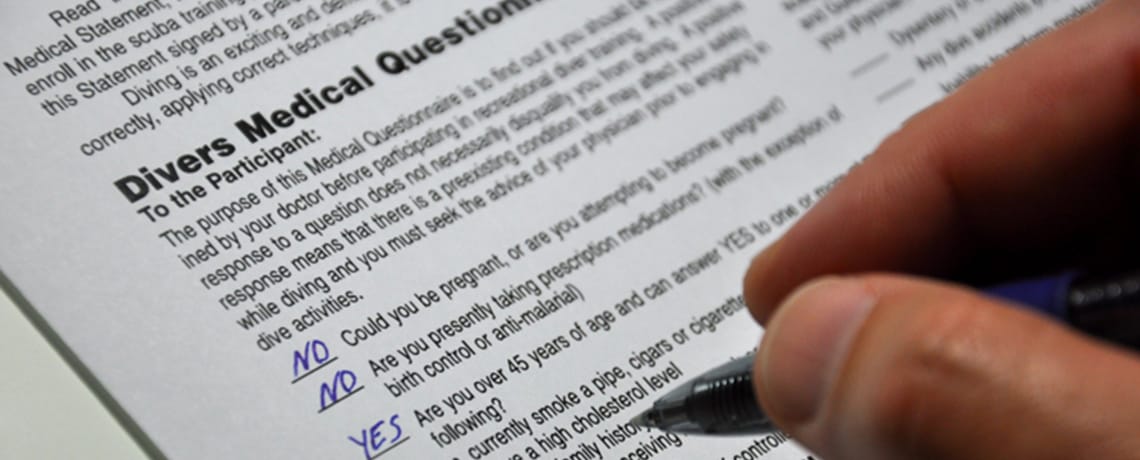
  • When enrolling in an entry-level recreational diving certificate you must complete the following self-assessed medical declaration form before starting your training. If you answer yes to any of the health questions, you will need to bring the completed form with you to your physician to receive a physician’s letter/medical clearance before you start your course.
What to Bring
  • Hat
  • Swimsuit
  • Sunscreen
  • Sunglasses
  • Towel
  • Water Bottle

Extras
  • Camera Hire
  • Snacks and Beverages
  • T Shirt and Memorabilia
Do I need to be able to swim to scuba dive?

A question that we are constantly asked at Ocean Tribe is “Do I need to be able to swim to scuba dive?”. This is a more complicated answer than a simple yes or no, as it really depends on the experience you are looking to have.

If you are after getting your Open Water Diver licence or any other scuba diving certification then the straight answer in yes. On the entry level Open Water Diver and Scuba Diver courses there are swim and floating tests that you need to be able to accomplish in order to earn the dive certification. On the Open Water courses this is a 200m swim and a 10 minute tread or float.

Read more

Dive Instructor Internship Packages (From Any Level)

Dive instructor internship in Kenya

SSI professional training · Diani Beach, Kenya

Join a dive instructor internship in Kenya

Ocean Tribe’s Dive Instructor Internship is designed for every starting level. Whether you are a complete beginner or a Rescue Diver beginning professional training, we will build the right pathway to take you through to SSI Dive Instructor.

Dive instructor internship training with Ocean Tribe in Diani Beach, Kenya
Duration 4–28 weeks
Minimum age 18 years
Maximum dive depth 40 metres
Prerequisites Pass a dive medical and be able to swim
Beginner package From $6,399

From your first dive to teaching

Comprehensive training from start to finish

Your individual programme is based on your existing experience. Where required, it includes the complete progression from entry-level diver through to SSI professional instructor training.

01

Core SSI diver courses

Progress from Open Water Diver through advanced training to Diver Stress & Rescue.

02

Specialty diver courses

Expand your experience, confidence and employability with a broad range of specialty certifications.

03

First aid and instructor training

Complete React Right CPR and First Aid training, with the option to qualify as a React Right Instructor.

04

Professional certifications

Complete SSI Dive Guide, Divemaster and the SSI Instructor Training Course and Evaluation pathway.

Real-world experience in paradise

Develop practical professional experience while training in the warm waters and coral reefs of Diani Beach and other outstanding Kenyan dive locations.

Teach beyond diving

React Right Instructor certification allows you to teach CPR and first aid courses internationally, creating additional career opportunities.

Graduate ready to work

Combine expert instruction with hands-on dive-centre experience and qualify as a confident SSI professional ready to work around the world.

Start your dive career today

The beginner package starts from $6,399 and includes the required courses, digital materials and a complete set of personal scuba equipment.

Who Is the Internship For?

Our Go Pro internship is designed for people who want to turn their love of diving and travel into a new direction.

Adventure seekers turning their passion into a profession

Gap-year travellers looking for meaningful experiences

Professionals ready to escape the nine-to-five and live differently

Career breakers searching for a new direction

Military personnel transitioning to civilian life

Global travellers seeking a career that can take them around the world

How Long Is the Internship?

Your current diving level determines the length of your training.

Starting as a beginner 6 months

Build your skills and qualifications from the beginning.

Medical Requirements

Before starting, all interns must meet the SSI Diver Medical Questionnaire standards. Certain medical conditions or medications may affect your ability to dive. We recommend reviewing the form in advance to ensure you’re ready for safe training.

SSI Dive Instructor Internship Courses

The SSI Dive Instructor Internship includes all core SSI courses based on your starting level. Your exact training pathway will be tailored according to the certifications you already hold.

Optional Specialty Courses

Add further experience with SSI Sidemount Diving or SSI Advanced Wreck Diving .

What Is Included?

Beginner to Instructor

Total Cost: $6,399

Reduced to $4,999 if you already own your scuba equipment.

  • SSI Open Water Diver
  • SSI Enriched Air Nitrox
  • SSI Navigation Course
  • SSI Deep Diver Course
  • SSI Night & Limited Visibility Course
  • SSI React Right CPR & First Aid Course
  • SSI Diver Stress & Rescue Course
  • SSI Dive Guide / Divemaster Course
  • SSI Science of Diving Course
  • SSI Computer Diving Course
  • SSI Marine Ecology
  • SSI Instructor Training Course
  • SSI Instructor Evaluation
  • SSI Open Water Instructor Rating
  • SSI Enriched Air Instructor Rating
  • SSI Science of Diving Instructor Rating
  • SSI Diver Stress & Rescue Instructor Rating
  • SSI React Right Instructor Rating
  • SSI Specialty Diver Rating
  • SSI Advanced Open Water Diver Rating
  • SSI Master Diver Rating
  • All SSI materials and fees
  • Unlimited diving
  • A full set of brand-new scuba equipment to keep

Internship Bolt-Ons

  • 7 months’ dorm accommodation +$1,750
  • 9 Ecology Specialty Courses +$499
  • 3-day / 2-night African safari +$400
  • 5 extra SSI Specialty Instructor Courses +$499

Open Water / Advanced Open Water to Instructor

Total Cost: $5,999

Reduced to $4,599 if you already own your scuba equipment.

  • SSI Enriched Air Nitrox
  • SSI Navigation Course
  • SSI Deep Diver Course
  • SSI Night & Limited Visibility Course
  • SSI React Right CPR & First Aid Course
  • SSI Diver Stress & Rescue Course
  • SSI Dive Guide / Divemaster Course
  • SSI Science of Diving Course
  • SSI Computer Diving Course
  • SSI Marine Ecology
  • SSI Instructor Training Course
  • SSI Instructor Evaluation
  • SSI Open Water Instructor Rating
  • SSI Enriched Air Instructor Rating
  • SSI Science of Diving Instructor Rating
  • SSI Diver Stress & Rescue Instructor Rating
  • SSI React Right Instructor Rating
  • SSI Specialty Diver Rating
  • SSI Advanced Open Water Diver Rating
  • SSI Master Diver Rating
  • All SSI materials and fees
  • Unlimited diving
  • A full set of brand-new scuba equipment to keep

Internship Bolt-Ons

  • 4 months’ dorm accommodation +$999
  • 9 Ecology Specialty Courses +$499
  • 3-day / 2-night African safari +$400
  • 5 extra SSI Specialty Instructor Courses +$499
100+ DIVES

Unlimited Diving and Dive Club Benefits

Expect plenty of diving. Many interns leave with more than 100 logged dives, gaining real-world experience in Kenyan waters. You’ll receive unlimited diving throughout your internship and a 1-year Ocean Tribe Dive Club membership, including ongoing dive discounts, equipment benefits and exclusive events.

Gear Up Like a Pro

As a dive professional, owning your own scuba equipment is essential. The full internship price includes brand-new equipment to keep. If you already own suitable equipment, you can select the reduced internship price.

Gold Package

$1,239

Recommended retail price: $2,100

Professional-grade performance and durability.

  • BCD: Cressi Aquawing Plus
  • First Stage: Cressi MC9 SC
  • Primary Regulator: Cressi Compact Pro
  • Octopus: Cressi Compact Pro Octopus
  • Console: Cressi Digi 2 Console
  • Dive Computer: Shearwater Tern TX or Peregrine TX
  • Optional: Shearwater Air Integration Transmitter – $300

Silver Package

$949

Recommended retail price: $1,299

A reliable and affordable professional starter kit.

  • BCD: Cressi Start Pro
  • First Stage: Cressi MC9
  • Primary Regulator: Cressi Compact
  • Octopus: Cressi Compact Octopus
  • Console: Cressi Console 2
  • Dive Computer: Cressi Donatello
  • Compass: Cressi Wrist Mount Compass
Required

Dive Pro Extras

$300

Recommended retail price: $385

Essential personal items every dive professional should own.

  • Wetsuit: Cressi Altum Shorty
  • Fins: Cressi Maui Fins
  • Mask & Snorkel: Cressi F1 Mask + Dry Snorkel Combo
  • Cutting Tool: Cressi Grip Knife
  • SMB: Cressi Marker Buoy

A Life Worth Living

“If today was the last day of my life, would I want to do what I am about to do today?”

Steve Jobs

“All your dreams can come true if you have the courage to pursue them.”

Walt Disney

“You miss 100% of the shots you don’t take.”

Wayne Gretzky

“Many of our dreams first seem impossible, then they seem improbable, and when we summon the will, they soon become inevitable.”

Christopher Reeve

OCEAN TRIBE PROFESSIONAL DIVE INTERNSHIP

YOUR 16-WEEK JOURNEY

From your arrival on the Kenyan coast to Divemaster certification, Instructor training and real teaching experience, here is how your internship unfolds.

  1. START · ARRIVAL AT THE COAST

    WELCOME TO DIANI

    We’ll collect you from Mombasa or Ukunda airport and take you to Diani, where you can settle into the dive-intern accommodation.

    You’ll also receive an orientation to the dive school and meet the team supporting your internship.

    Airport pickup Accommodation Dive-school orientation
  2. WEEK 1

    ORIENTATION & OPEN WATER COURSE

    Spend Days 2 and 3 settling in and discovering the local area around Diani. If you are buying your own diving equipment in Kenya, your fitting will take place on Day 2.

    Review your training schedule with the internship manager and begin your SSI Open Water Digital Learning. On Day 4, start the four-day SSI Open Water Diver course.

    Local orientation Equipment fitting Open Water certification
  3. WEEK 2

    BEGIN TO GET ADVANCED

    Develop your skills through specialist training and recreational diving as you build experience and increase your logged-dive count.

    • SSI Navigation course
    • SSI Deep Diving course
    • SSI Enriched Air Nitrox course
    • Recreational experience dives
  4. WEEK 3

    LEARN YOUR RESCUE SKILLS

    Complete one day of React Right CPR and First Aid training, followed by the three-day SSI Diver Stress & Rescue course.

    There will also be time for recreational diving, recovery and relaxation.

    First Aid CPR Stress & Rescue
  5. WEEK 4

    BEGIN DIVEMASTER TRAINING

    Move into professional-level dive theory with the SSI Science of Diving and SSI Computer Diving courses.

    Continue logging experience dives and practise your demonstration-quality, staged diving skills.

    Dive theory Computer diving Skills practice
  6. WEEK 5

    GET MORE SPECIALISED

    Broaden your experience with the SSI Night & Limited Visibility Specialty course while continuing to log dives in varied conditions.

    Night diving Limited visibility Experience dives
  7. WEEK 6

    START THE DIVE GUIDE COURSE

    Begin your SSI Dive Guide course and take your first formal step into professional diving.

    Training now focuses on responsibility, leadership, diver supervision and the practical skills needed to guide certified divers.

  8. WEEKS 7–10

    DIVEMASTER TRAINEE

    Assist with leading certified divers, support daily dive operations and gain experience under the supervision of Ocean Tribe’s professional team.

    Continue logging dives while developing judgement, confidence and leadership skills.

    Assist dive leaders Daily operations Log more dives
  9. WEEKS 8–12

    DIVEMASTER CERTIFICATION & WORK EXPERIENCE

    Complete the remaining Divemaster course requirements and work towards your SSI Divemaster certification.

    Once certified, gain practical work experience alongside Ocean Tribe Instructors and apply your professional skills in real dive-centre operations.

    SSI Divemaster Work experience Professional development
  10. WEEKS 13–15

    SSI INSTRUCTOR TRAINING COURSE

    Progress from Divemaster to Instructor through the ITC Preparation course, SSI Instructor Training Course and SSI Instructor Evaluation.

    Successfully completing the training and evaluation qualifies you as an SSI Open Water Diving Instructor.

    ITC preparation Instructor Training Course Instructor Evaluation
  11. WEEK 16

    INSTRUCTOR CONTINUING EDUCATION

    Complete SSI Specialty Instructor courses that move you towards the Divemaster Instructor level.

    Team-teach alongside another Dive Instructor to gain practical experience delivering courses and working with students.

    Specialty Instructor courses Team teaching Teaching experience

Please note: The exact order of courses and dive activities may change to suit weather, ocean conditions, course availability and individual training progress.

Real-world Professional Diver training

Be the diver you’d want to dive with

This isn’t just a certification—it’s an immersive professional experience. You’ll assist with real courses, lead dive trips and complete additional workshops that go beyond SSI’s minimum standards. From gear handling and customer service to professional dive logistics, you’ll build the practical skills that leading dive centres look for when hiring staff.

Ocean Tribe professional dive training in Diani Beach, Kenya

Beyond the training manual

Skills you’ll use every day

Explore the practical, technical and guest-service skills included in your professional development. Open a category to see what you’ll learn.

01

Practical dive-centre skills

01Cylinder and gas operations
  • Understand cylinder markings, manufacturing dates and working pressures.
  • Check inspection and service information before filling or diving.
  • Gain supervised experience filling air and Nitrox cylinders safely.
02Dive-centre operations
  • Use DiversDesk to manage bookings.
  • Take reservations, confirm activities and organise guest schedules.
  • Process card payments, mobile money and dive-package invoices.
03Equipment care and repairs
  • Diagnose common regulator and tank-valve problems, including free flows and leaks.
  • Replace regulator mouthpieces and secure them correctly.
  • Clean and service low-pressure inflator assemblies.
  • Identify and replace worn DIN and yoke O-rings.
  • Rinse, inspect, store and rotate personal and rental equipment.
04Safety and dive technology
  • Assemble and operate an emergency oxygen kit.
  • Understand programming across commonly used dive computers.
  • Explain computer modes, settings and basic troubleshooting to guests.
02

Guest service and communication

05Guest communication
  • Give clear, friendly information in person and on the phone.
  • Explain rental equipment and help guests adjust it correctly.
  • Describe visibility, currents, thermoclines and marine-life sightings honestly.
06Briefing and dive planning
  • Understand how local tides and weather affect dive operations.
  • Structure and deliver professional dive briefings.
  • Provide accurate weighting advice for different divers and equipment.
07Equipment and destination advice
  • Explain the features of masks, fins, wetsuits and other retail equipment.
  • Recommend equipment that supports each guest’s diving goals.
  • Discuss major international diving destinations knowledgeably.
08Professional development
  • Follow relevant dive-industry news, equipment developments and conservation work.
  • Understand current trends and continue building professional knowledge.
  • Represent the Ocean Tribe voice, standards and values consistently.

What employers notice

Professional judgement
Technical confidence
Guest communication
Team reliability

Your professional journey starts here

Start your dive career with the right skills

Your Divemaster certification can take you to Kenya, Southeast Asia, the Caribbean and beyond. Ocean Tribe prepares you for the practical challenges of working in a professional dive centre—not merely passing the course.

Discover Diani beneath the surface

What You Might See

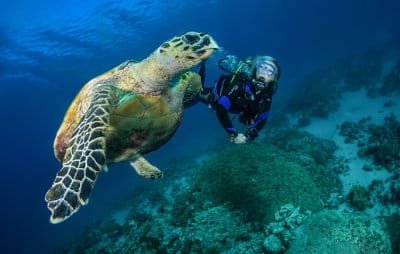
From turtles cruising the reef to tiny treasures hiding among the corals, every dive brings something different. Here are a few marine-life encounters to look out for around Diani.

Sea turtle underwater Reef favourite

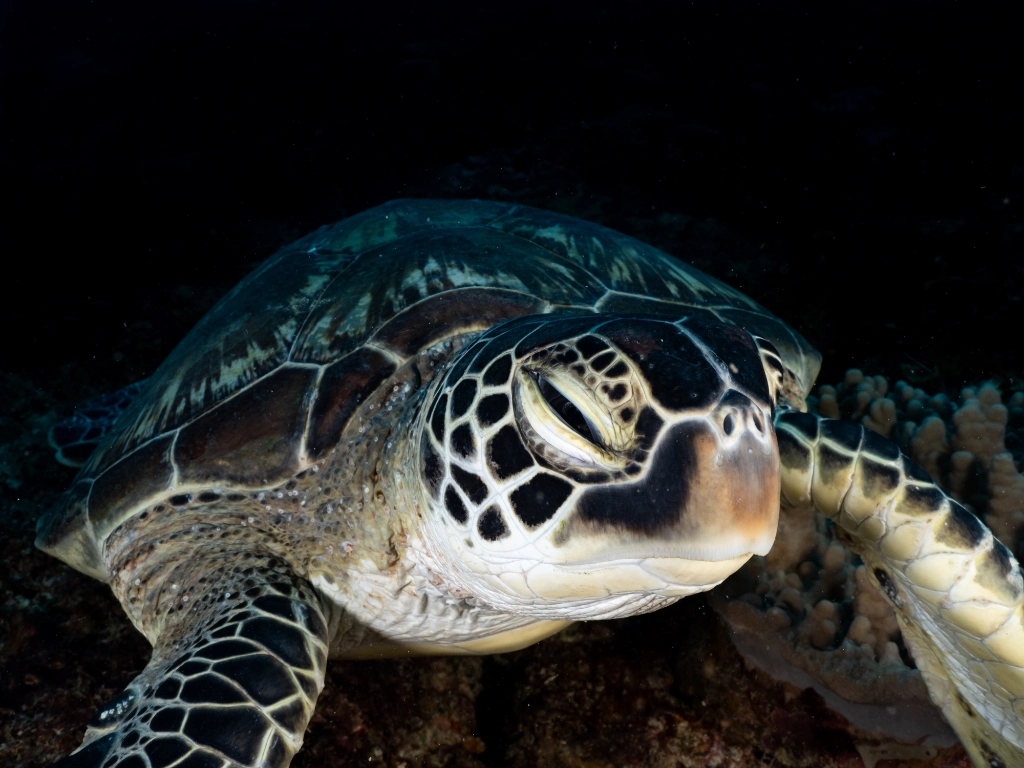
Sea turtles

A highlight of Diani’s reefs. Watch for turtles gliding past or resting beneath coral ledges, especially at Galu.

Moray eel among the reef Look in the crevices

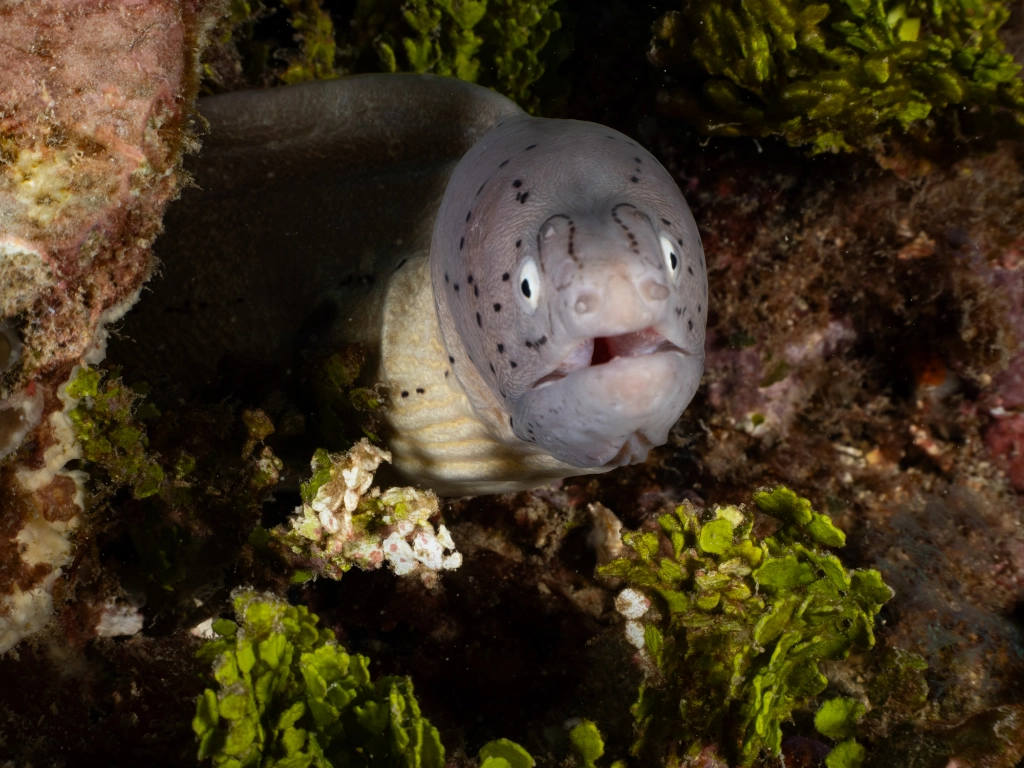
Moray eels

Take a closer look at the reef’s nooks and crannies. You might spot a moray peeking out from its sheltered hiding place.

Lionfish with its distinctive spiny fins Reef resident

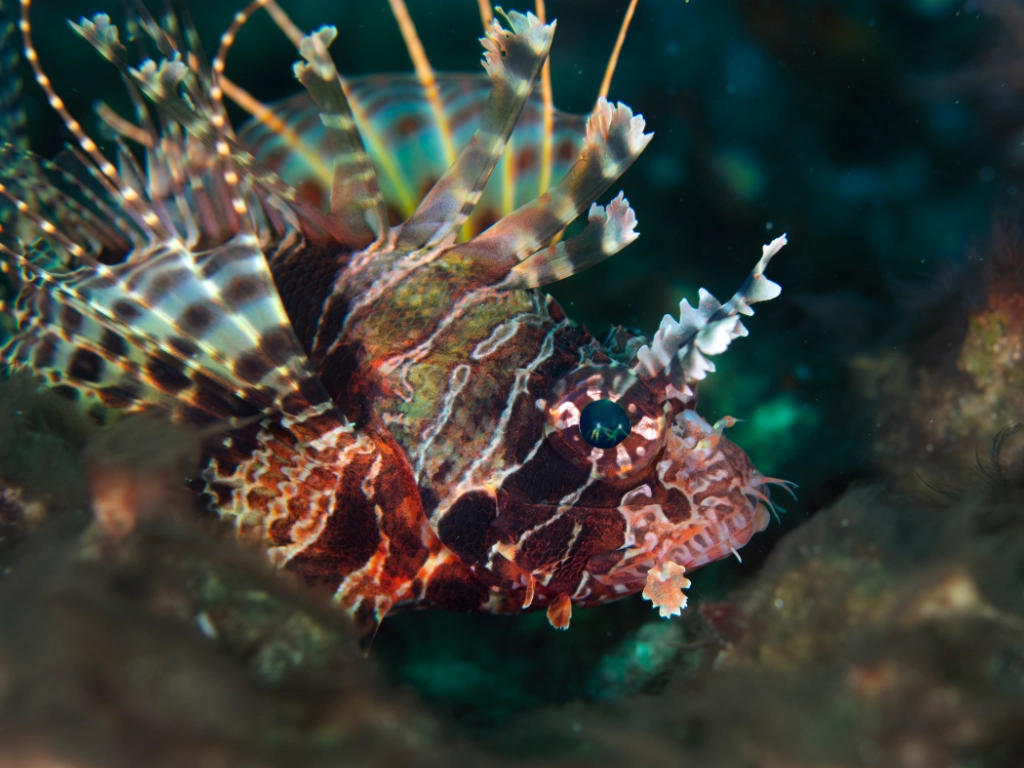
Lionfish

Striking stripes and fan-like fins make these reef fish a memorable sight. Enjoy watching them with plenty of space.

Colourful nudibranch sea slug Tiny reef treasures

Nudibranchs

Slow down and look closely. These tiny sea slugs bring a splash of colour to the reef and reward a patient eye.

Manta ray swimming underwater Seasonal · Oct–Mar

Manta rays

Keep an eye on the blue for a graceful passing manta. A seasonal possibility rather than an everyday reef encounter.

Whale shark with its distinctive spotted pattern Seasonal · Oct–Mar

Whale sharks

An unforgettable encounter if you’re lucky. These ocean giants may visit Diani’s waters during the seasonal window.

Wildlife, not a promise. Sightings vary with the dive site, season and ocean conditions and cannot be guaranteed. Give marine life space, never touch or chase animals, and keep clear of the coral.

Frequently Asked Questions

How much do I pay for my flight to Kenya and who do I fly with?

A flight to Kenya from the UK or Europe should cost around £500 GBP. This can vary depending on the time of year and how far in advance you book. You can book directly through an airline or compare options using a website such as Kayak.

The main international airport is Jomo Kenyatta International Airport in Nairobi (NBO). From Nairobi, you can take a short domestic flight from Jomo Kenyatta International Airport or Wilson Airport to Ukunda Airport (UKA), located only minutes from the dive centre.

Wilson Airport is about 10 kilometres from Jomo Kenyatta International Airport. Pay close attention to connection times, as an overnight stay in Nairobi may be required depending on when your international flight arrives.

Alternatively, some international airlines fly to Moi International Airport in Mombasa (MBA). Diani is approximately 40 kilometres from Mombasa Airport.

Ocean Tribe can also help arrange your flights and travel logistics. Contact the team for more information.

International airlines

  • Kenya Airways
  • British Airways
  • China Southern Airlines
  • Emirates
  • Ethiopian Airlines
  • Lufthansa
  • Air France and KLM
  • Air Arabia
  • Gulf Air
  • Turkish Airlines
  • Swiss International Air Lines
  • Qatar Airways
  • Etihad Airways
  • flydubai
  • Saudia
  • EgyptAir
  • South African Airways
  • RwandAir

Kenyan domestic airlines

  • Jambojet
  • Safarilink
  • AirKenya
  • EastAfrican
  • Skyward Express
Do I need a medical examination to dive?

A medical examination may be required if you have a pre-existing condition that could be a contraindication to diving safely.

Before beginning your training, you’ll complete a diver medical statement at the dive centre or through the online medical declaration. Your answers will determine whether approval from a doctor is required.

For professional diving programmes, Ocean Tribe requires a medical form signed and stamped by a licensed doctor. We recommend completing the medical evaluation before travelling and bringing the required original documents with you.

Original medical documents may be required for an SSI Instructor Evaluation and Instructor application.

Do I need vaccinations or medication to travel to Kenya?

Speak to a qualified doctor or travel-health clinic before travelling. Recommended vaccinations and entry requirements depend on your medical history, itinerary, country of departure, and current public-health guidance.

Ask your doctor about malaria prevention and any other medication you may need, ideally several weeks before travelling. If you take prescription medication, bring enough for your stay in its original packaging, together with a copy of your prescription.

How long does my dive training take?

The length of your training depends on your starting level and the courses included in your internship. You should also allow time for rest days, theory, training dives, and the experience dives required for each professional rating.

The full Beginner-to-Instructor Internship lasts approximately seven months. This gives you time to acclimatise, complete your Open Water Diver course, finish the other required programmes, and build substantial real-world diving experience.

  • 40 logged dives are required to begin Divemaster training
  • 60 logged dives are required for Divemaster certification
  • 100 logged dives are required to enter an Instructor Evaluation

Many Ocean Tribe interns finish with well over 100 logged dives.

What is my SSI Instructor or Divemaster qualification worth?

SSI professional qualifications are internationally recognised and can support a diving career around the world.

SSI Open Water Diving Instructor

The SSI Open Water Diving Instructor rating is the first SSI Instructor level. During training, candidates study SSI standards, procedures, teaching methods, dive theory, water skills, and practical teaching techniques.

After successfully completing the SSI Instructor Evaluation, instructors can introduce people to scuba diving and teach eligible entry-level programmes. Depending on the internship package and additional training completed, you may also qualify to teach selected specialty programmes.

SSI Divemaster

The Divemaster rating is a professional SSI membership level. SSI Divemasters supervise activities for certified divers, assist instructors with student training, and may conduct eligible snorkelling or diving activities within the limits of their certification.

The rating demonstrates strong diving and rescue skills, professional-level theoretical knowledge, role-model behaviour, and competence in dive management and supervision.

What is there to do when I’m not diving?

Kenya offers plenty to do away from the dive centre. You can add a wildlife safari to your internship, visit Kenya’s famous national parks, or enjoy coastal activities such as kitesurfing, skydiving, fishing, and other water sports.

Diani also has shops, cinemas, restaurants, and beach venues. Take time to discover the Swahili culture and the coast’s history and traditions.

Do I need dive insurance?

Yes, suitable insurance is strongly recommended. Some travel-insurance policies include recreational diving, but you must check their depth limits, permitted types of diving, professional-training exclusions, and emergency-treatment coverage.

Specialist providers such as Divers Alert Network and DiveAssure offer diving-insurance options. Divers enrolled in professional courses should check whether professional liability or professional dive insurance is required for their training, active SSI status, or future employment.

Check the policy wording carefully and make sure it covers the activities you intend to undertake.

What are the procedures for first aid and diving accidents?

Ocean Tribe takes first aid and diving emergencies seriously. Dive staff are trained in first aid and CPR, and the team follows an emergency action plan.

Dive boats carry emergency oxygen, a first-aid kit, life jackets, and rescue lines with a buoy. Dive professionals also follow safety, diver-accounting, and boat-cover procedures.

It is also sensible to travel with a small personal first-aid kit for minor scrapes and illnesses, along with suitable mosquito repellent and any medication recommended by your doctor.

How can I access my money in Kenya?

ATMs are widely available at banks and shopping centres. Many support international Visa, Mastercard, and Cirrus cards, although availability, fees, and withdrawal limits vary.

Mobile money—particularly M-PESA—is widely used in Kenya. Interns can obtain a local Safaricom SIM card and set up mobile-money services, subject to the provider’s current registration requirements.

Services such as Wise, WorldRemit, Western Union, and MoneyGram may also be useful, depending on current availability in your home country and Kenya. Tell your bank that you’ll be travelling and carry more than one payment option.

Is Kenya a good place to bring a family?

Yes. Many Ocean Tribe team members were born and raised in Kenya and consider it a welcoming environment for families. Childcare options, nurseries, and international schools are available, although you should research arrangements that suit your family before travelling.

What is the local communication infrastructure like?

Kenya has a modern mobile communications network. After arrival, you can purchase a local SIM card for an unlocked phone. International roaming is available but can be expensive.

Wi-Fi is available at the dive centre, and mobile-data packages make it easy to use WhatsApp, social media, video calls, and streaming services. Coverage and speed vary by provider and location.

What are the local voltage and plug types?

Kenya uses approximately 240V at 50Hz. The standard outlet is the British-style Type G plug with three rectangular pins. Bring an appropriate adapter and check that your electrical devices support the local voltage.

Can I stay on for work experience after my internship?

Ocean Tribe offers further training and experience options for new instructors after they successfully complete their Instructor Evaluation. Depending on availability and eligibility, these may include additional specialty-instructor training and higher professional-development programmes.

These programmes provide an opportunity to work alongside experienced instructors, strengthen your teaching skills, and build confidence before seeking employment in the diving industry.

What is the cost of living in Diani?

The supplied guide estimates average living costs at approximately US$500 per month, including accommodation. Your actual costs will depend on your housing, lifestyle, transport, food choices, and leisure activities.

Food

Kenya offers a wide variety of local and international food. Ocean Tribe interns can help introduce you to popular places to eat around Diani.

Clothing

You won’t need a large wardrobe for a dive-centre and beach environment. Everyday clothes can be purchased locally, which may also help you avoid excess-baggage charges.

Drinks

Prices vary considerably between local venues, beach bars, hotels, and restaurants. Build a personal spending allowance into your budget.

Getting around

Common local transport includes tuk-tuks, matatus, motorcycle taxis, and conventional taxis. Use reputable operators and agree on the fare before travelling where appropriate.

What entertainment and nightlife is available in Diani?

Diani is one of Kenya’s main tourist destinations while still maintaining a relaxed beach atmosphere. The area offers beach bars, restaurants, live entertainment, and venues for dancing.

Popular venues and opening arrangements can change, so ask the Ocean Tribe team for current recommendations after you arrive.

What should I do to keep myself safe?

Avoid carrying unnecessary valuables or large amounts of cash. Keep passports and important documents securely stored, stay aware of your surroundings, and take extra care when travelling at night.

Use reputable transport, follow local advice, and check the latest official travel guidance issued by your government before and during your trip.

Divemaster Internships in Kenya

Divemaster Internships Kenya

SSI professional training · Diani Beach, Kenya

Start your dive career with Ocean Tribe

Join Ocean Tribe’s SSI Divemaster Internship and begin your career as a professional scuba diver. The programme is open to everyone—from complete beginners to certified Diver Stress & Rescue Divers ready to go pro. Whatever your current level, we’ll help you take the next step.

Professional dive internship training with Ocean Tribe in Diani Beach, Kenya
Starting level Beginner to Rescue Diver
Typical duration 4–12 weeks
Already have dive equipment From $2,699
With your own full scuba set $3,999
Training location Diani Beach, Kenya

From beginner to Divemaster

Begin your internship at any certification level and we’ll guide you all the way to SSI Divemaster. Starting from scratch typically takes up to three months; experienced divers may complete the programme in as little as four to six weeks.

Your office is the ocean

Train at our Diani Beach dive centre and gain practical experience on coral reefs, in protected marine parks and in warm tropical waters. With most sites only 5–30 minutes away by boat, you’ll spend less time travelling and more time diving.

Who Is the Internship For?

Our Go Pro internship is designed for people who want to turn their love of diving and travel into a new direction.

Adventure seekers turning their passion into a profession

Gap-year travellers looking for meaningful experiences

Professionals ready to escape the nine-to-five and live differently

Career breakers searching for a new direction

Military personnel transitioning to civilian life

Global travellers seeking a career that can take them around the world

How Long Is the Internship?

Your current diving level determines the length of your training.

Starting as a beginner 2–3 months

Build your skills and qualifications from the beginning.

Medical Requirements

Before starting, all interns must meet the SSI Diver Medical Questionnaire standards. Certain medical conditions or medications may affect your ability to dive. We recommend reviewing the form in advance to ensure you’re ready for safe training.

A Life Worth Living

“If today was the last day of my life, would I want to do what I am about to do today?”

Steve Jobs

“All your dreams can come true if you have the courage to pursue them.”

Walt Disney

Courses Included

Throughout the program, you will complete a full list of SSI core and specialty certifications, including:

Recognition Levels

Along the way, you’ll progress through non-professional recognition levels, earning titles such as Specialty Diver, Advanced Open Water Diver, Master Diver and, eventually, Century Diver.

Optional Instructor Course

You can also add the SSI React Right Instructor course , allowing you to teach CPR and first aid globally—a valuable addition to your professional credentials.

100+ DIVES

Unlimited Diving and Dive Club Benefits

Most interns finish their program with more than 100 logged dives. You’ll receive unlimited diving throughout your internship and a 1-year Ocean Tribe Dive Club membership, including ongoing dive discounts, equipment benefits and exclusive events.

Gear Up Like a Pro

As a dive professional, owning your own equipment is essential. Rental equipment is available for $700 for the duration of the internship, but is better suited as a backup. We offer two discounted equipment packages to set you up properly.

Gold Package

$1,239

Recommended retail price: $2,100

Professional-grade performance and durability.

  • BCD: Cressi Aquawing Plus
  • First Stage: Cressi MC9 SC
  • Primary Regulator: Cressi Compact Pro
  • Octopus: Cressi Compact Pro Octopus
  • Console: Cressi Digi 2 Console
  • Dive Computer: Shearwater Tern TX or Peregrine TX
  • Optional: Shearwater Air Integration Transmitter – $300

Silver Package

$949

Recommended retail price: $1,299

A reliable and affordable professional starter kit.

  • BCD: Cressi Start Pro
  • First Stage: Cressi MC9
  • Primary Regulator: Cressi Compact
  • Octopus: Cressi Compact Octopus
  • Console: Cressi Console 2
  • Dive Computer: Cressi Donatello
  • Compass: Cressi Wrist Mount Compass
Required

Dive Pro Extras

$300

Recommended retail price: $385

Essential personal items every Divemaster should own.

  • Wetsuit: Cressi Altum Shorty
  • Fins: Cressi Maui Fins
  • Mask & Snorkel: Cressi F1 Mask + Dry Snorkel Combo
  • Cutting Tool: Cressi Grip Knife
  • SMB: Cressi Marker Buoy

Real-world Divemaster training

Be the diver you’d want to dive with

This isn’t just a certification—it’s an immersive professional experience. You’ll assist with real courses, lead dive trips and complete additional workshops that go beyond SSI’s minimum standards. From gear handling and customer service to professional dive logistics, you’ll build the practical skills that leading dive centres look for when hiring staff.

Ocean Tribe professional dive training in Diani Beach, Kenya

Beyond the training manual

Skills you’ll use every day

Explore the practical, technical and guest-service skills included in your professional development. Open a category to see what you’ll learn.

01

Practical dive-centre skills

01Cylinder and gas operations
  • Understand cylinder markings, manufacturing dates and working pressures.
  • Check inspection and service information before filling or diving.
  • Gain supervised experience filling air and Nitrox cylinders safely.
02Dive-centre operations
  • Use DiversDesk to manage bookings.
  • Take reservations, confirm activities and organise guest schedules.
  • Process card payments, mobile money and dive-package invoices.
03Equipment care and repairs
  • Diagnose common regulator and tank-valve problems, including free flows and leaks.
  • Replace regulator mouthpieces and secure them correctly.
  • Clean and service low-pressure inflator assemblies.
  • Identify and replace worn DIN and yoke O-rings.
  • Rinse, inspect, store and rotate personal and rental equipment.
04Safety and dive technology
  • Assemble and operate an emergency oxygen kit.
  • Understand programming across commonly used dive computers.
  • Explain computer modes, settings and basic troubleshooting to guests.
02

Guest service and communication

05Guest communication
  • Give clear, friendly information in person and on the phone.
  • Explain rental equipment and help guests adjust it correctly.
  • Describe visibility, currents, thermoclines and marine-life sightings honestly.
06Briefing and dive planning
  • Understand how local tides and weather affect dive operations.
  • Structure and deliver professional dive briefings.
  • Provide accurate weighting advice for different divers and equipment.
07Equipment and destination advice
  • Explain the features of masks, fins, wetsuits and other retail equipment.
  • Recommend equipment that supports each guest’s diving goals.
  • Discuss major international diving destinations knowledgeably.
08Professional development
  • Follow relevant dive-industry news, equipment developments and conservation work.
  • Understand current trends and continue building professional knowledge.
  • Represent the Ocean Tribe voice, standards and values consistently.

What employers notice

Professional judgement
Technical confidence
Guest communication
Team reliability

Your professional journey starts here

Start your dive career with the right skills

Your Divemaster certification can take you to Kenya, Southeast Asia, the Caribbean and beyond. Ocean Tribe prepares you for the practical challenges of working in a professional dive centre—not merely passing the course.

OCEAN TRIBE DIVEMASTER INTERNSHIP

YOUR 12-WEEK JOURNEY

From your arrival on the Kenyan coast to Divemaster certification and real dive-centre experience, here is how your internship unfolds.

  1. START · ARRIVAL AT THE COAST

    WELCOME TO DIANI

    We’ll collect you from Mombasa or Ukunda airport and take you to Diani, where you can settle into the dive-intern accommodation.

    You’ll also receive an orientation to the dive school and meet the team supporting your internship.

    Airport pickup Accommodation Dive-school orientation
  2. WEEK 1

    ORIENTATION & OPEN WATER COURSE

    Spend Days 2 and 3 settling in and discovering the local area around Diani. If you are buying your own diving equipment in Kenya, your fitting will take place on Day 2.

    Review your training schedule with the internship manager and begin your SSI Open Water Digital Learning. On Day 4, start the four-day SSI Open Water Diver course.

    Local orientation Equipment fitting Open Water certification
  3. WEEK 2

    BEGIN TO GET ADVANCED

    Develop your skills through specialist training and recreational diving as you build experience and increase your logged-dive count.

    • SSI Navigation course
    • SSI Deep Diving course
    • SSI Enriched Air Nitrox course
    • Recreational experience dives
  4. WEEK 3

    LEARN YOUR RESCUE SKILLS

    Complete one day of React Right CPR and First Aid training, followed by the three-day SSI Diver Stress & Rescue course.

    There will also be time for recreational diving, recovery and relaxation.

    First Aid CPR Stress & Rescue
  5. WEEK 4

    BEGIN DIVEMASTER TRAINING

    Move into professional-level dive theory with the SSI Science of Diving and SSI Computer Diving courses.

    Continue logging experience dives and practise your demonstration-quality, staged diving skills.

    Dive theory Computer diving Skills practice
  6. WEEK 5

    GET MORE SPECIALISED

    Broaden your experience with the SSI Night & Limited Visibility Specialty course while continuing to log dives in varied conditions.

    Night diving Limited visibility Experience dives
  7. WEEK 6

    START THE DIVE GUIDE COURSE

    Begin your SSI Dive Guide course and take your first formal step into professional diving.

    Training now focuses on responsibility, leadership, diver supervision and the practical skills needed to guide certified divers.

  8. WEEKS 7–10

    DIVEMASTER TRAINEE

    Assist with leading certified divers, support daily dive operations and gain experience under the supervision of Ocean Tribe’s professional team.

    Continue logging dives while developing judgement, confidence and leadership skills.

    Assist dive leaders Daily operations Log more dives
  9. WEEKS 8–12

    CERTIFICATION & WORK EXPERIENCE

    Complete the remaining Divemaster course requirements and work towards your SSI Divemaster certification.

    Once certified, gain practical work experience alongside Ocean Tribe Instructors and apply your new professional skills in real dive-centre operations.

    SSI Divemaster Work experience Professional development

Please note: The exact order of courses and dive activities may change to suit weather, ocean conditions, course availability and individual training progress.

Discover Diani beneath the surface

What You Might See

From turtles cruising the reef to tiny treasures hiding among the corals, every dive brings something different. Here are a few marine-life encounters to look out for around Diani.

Sea turtle underwater Reef favourite

Sea turtles

A highlight of Diani’s reefs. Watch for turtles gliding past or resting beneath coral ledges, especially at Galu.

Moray eel among the reef Look in the crevices

Moray eels

Take a closer look at the reef’s nooks and crannies. You might spot a moray peeking out from its sheltered hiding place.

Lionfish with its distinctive spiny fins Reef resident

Lionfish

Striking stripes and fan-like fins make these reef fish a memorable sight. Enjoy watching them with plenty of space.

Colourful nudibranch sea slug Tiny reef treasures

Nudibranchs

Slow down and look closely. These tiny sea slugs bring a splash of colour to the reef and reward a patient eye.

Manta ray swimming underwater Seasonal · Oct–Mar

Manta rays

Keep an eye on the blue for a graceful passing manta. A seasonal possibility rather than an everyday reef encounter.

Whale shark with its distinctive spotted pattern Seasonal · Oct–Mar

Whale sharks

An unforgettable encounter if you’re lucky. These ocean giants may visit Diani’s waters during the seasonal window.

Wildlife, not a promise. Sightings vary with the dive site, season and ocean conditions and cannot be guaranteed. Give marine life space, never touch or chase animals, and keep clear of the coral.

Divemaster Internship FAQs

Do I need to be certified to join?

No. You can start the internship as a complete beginner. We’ll take you through Open Water, Rescue, and all specialty courses before you begin Divemaster-level training. If you’re already certified, you can skip the earlier steps and focus on professional development.

How long does the internship take?

It depends on your starting level. If you’re beginning from scratch, expect around 2 to 3 months. If you already hold advanced certifications, the full internship can take as little as 4 to 6 weeks.

How many dives will I do?

You’ll log over 100 dives during your internship. These include training dives, assisting instructors, fun dives, and workshops. You’ll gain the kind of real-world experience that makes you confident and job-ready.

Is accommodation included?

Accommodation is not included in the base internship fee, but we’re happy to assist you with affordable housing options in Diani Beach. We work with trusted local partners to make sure you have a safe, comfortable place to stay near the dive centre.

Do I need my own equipment?

Yes. As a dive professional, owning your own equipment is essential. We offer two discounted gear packages—Gold and Silver—designed specifically for pro-level use. You can also rent gear for the full internship for $700, but owning your gear is highly recommended for long-term success.

What certifications will I earn?

You’ll graduate with the SSI Divemaster certification, plus a full suite of other ratings. These include Open Water Diver, Rescue Diver, React Right First Aid, multiple specialty courses, and recognition levels such as Master Diver and Century Diver. You can also become a React Right Instructor if you choose to add that option.

Can I work while doing the internship?

The internship is intensive and hands-on, so we recommend focusing fully on training and diving. However, you’ll be assisting with real courses and guiding dives as part of your learning, giving you a true feel for working in the dive industry.

Where will the dives take place?

Most of your dives will be right off Diani Beach, but we also visit other top dive sites along the Kenyan coast, including Kisite Marine Park. All locations are accessible by boat, usually within 30 minutes or less.

Will I get a job after the internship?

We can’t guarantee employment, but many of our interns go on to work in the dive industry—some with Ocean Tribe, others around the world. Your SSI Divemaster certification is globally recognised, and we provide job-seeking guidance, references, and networking support.

SSI Explorers- Diving for Kids

SSI Explorers Cover

🌊 SSI Explorers · Diani Beach

Big underwater adventures for little explorers.

A fun, confidence-building introduction to the underwater world through snorkelling, scuba, mermaid swimming, freediving and ocean conservation.

SSI Explorers children's underwater learning programme
FUN.
SAFE.
UNFORGETTABLE!
🐠Ages 6+Scuba activities from age 8
⏱️1 hourFlexible individual sessions
🏊2.5 metresMaximum pool depth
From $70Full programme from $349

Choose their adventure

From ocean-curious to water-confident

Every stage introduces new skills in an exciting, age-appropriate way—helping children feel capable, curious and at home in the water.

1

Blue Oceans Explorer

Discover why our oceans matter and learn simple, positive ways to protect marine life.

2

Snorkel Explorer

Learn how to use snorkelling equipment and explore confidently from the surface.

3

Pick a favourite

Choose the underwater activity that makes their eyes light up.

ScubaMermaidFreediving
4

Collect specialties

Keep progressing through ecology, photography, rescue and other Explorer ratings.

For parents

Reassurance at a glance

SSI Explorers is designed to combine fun, education and carefully controlled aquatic experiences. Children build confidence step by step while learning respect for the ocean.

Not sure which session is right?
Tell us your child’s age, water confidence and interests. The Ocean Tribe team will help you choose the best starting point.

Controlled environment

Activities take place in confined water, with a maximum pool depth of 2.5 metres.

Age-appropriate learning

The wider programme begins from age six, while scuba activities begin from age eight.

Friendly instruction

Colourful learning materials and memorable characters make new ideas easier to understand.

Skills beyond diving

Children develop confidence, responsibility, teamwork and care for the marine environment.

Colourful SSI Explorers training material for children

Learning that feels like play

Meet the Explorer crew

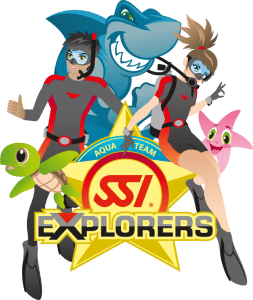
Emma and Nico guide each adventure, Spike the Shark explains the dive equipment, and Shelly the Sea Turtle inspires children to protect the ocean.

Build confidence and independence
Improve water awareness and skills
Learn teamwork and responsibility
Become a young ocean advocate

Parent questions

Good to know before you book

How old does my child need to be?

Children can begin the SSI Explorers programme from age six. Scuba Explorer activities begin from age eight.

How long is each session?

Individual sessions are approximately one hour. Children can complete multiple sessions and continue into further Explorer ratings.

Does my child need to be a strong swimmer?

Children should be reasonably comfortable in the water, but advanced or competitive swimming ability is not normally required. Contact the team if you are unsure about your child’s readiness.

What activities can they try?

The programme includes ocean education and snorkelling, followed by a choice of scuba, mermaid swimming or freediving experiences. Children can then continue into specialty ratings.

What should we bring?

Bring swimwear, a towel, sun protection and plenty of enthusiasm. Ask the Ocean Tribe team to confirm equipment, paperwork and any medical requirements for your chosen session.

Ready to start their ocean story?

Choose an SSI Explorers session or speak with the Ocean Tribe team about the best adventure for your child.

Enriched Air Nitrox Course

SSI Enriched Air Nitrox Diving Specialty Course

ENRICHED AIR NITROX DIVING COURSE OVERVIEW- DIVE LONGER AND SAFER

Are you ready to extend your bottom time and reduce fatigue during your dives? The SSI Enriched Air Nitrox Course is the key to unlocking these benefits. Diving with enriched air (also known as nitrox) allows you to spend more time underwater by reducing nitrogen absorption in your body, making it a popular choice for divers seeking safer and more efficient dives.

Why Choose the SSI Enriched Air Nitrox Course?

Enriched air diving has become a game-changer for recreational and professional divers alike. Here’s why:

  • Dive Longer: Nitrox allows for extended no-decompression limits, meaning you can spend more time exploring wrecks, reefs, and other underwater wonders.
  • Dive Safer: Lower nitrogen levels reduce the risk of decompression sickness, especially during repetitive dives.
  • Reduce Fatigue: Many divers report feeling less tired after diving with nitrox compared to regular air.

Whether you’re a frequent diver or planning multiple dives on your next trip, learning to use nitrox can significantly enhance your diving experience.

DURATION

The SSI Enriched Air Nitrox Diving Course can be done over 1 day. This incorporates a classroom session with an SSI Instructor. You will also complete digital learning in your own time in the MySSI app.

WHO IS IT FOR?

The SSI Enriched Air Nitrox Diving course is open to anyone from age 10 who has: Completed the Open Water Diver course or an  equivalent rating from another organisation.

INCLUDED

  • SSI Enriched Air Nitrox Diving Digital Learning
  • Classroom session with an SSI Instructor
  • Transfers within Diani

AVAILABILITY

The Enriched Air Nitrox Diving Course is offered daily at Ocean Tribe. Live availability can be found via contacting us via WhatsApp / Phone or by checking the online booking calendar to book online.

MEDICAL INFORMATION

All dive course participants must meet medical questionnaire requirements to be able to dive on the course. Some conditions or medications may prevent you from diving. You should visit the Can I Dive page to see if you meet the requirements before booking.


What You’ll Learn in the SSI Enriched Air Nitrox Course

This course combines digital learning with practical training to teach you everything you need to know about enriched air diving. Topics include:

  • The benefits and limits of diving with enriched air.
  • Understanding oxygen exposure and how to manage it safely.
  • How to analyze and confirm the oxygen content of your tank.
  • Setting up and using a dive computer for nitrox diving.
  • Safe planning and execution of enriched air dives.

FREQUENTLY ASKED QUESTIONS (FAQs)

What is the SSI Enriched Air Nitrox Specialty Course?

This course teaches you how to safely plan and dive with enriched air mixtures containing up to 40% oxygen. Diving with enriched air can increase your no-decompression limits, enhance safety, and reduce surface intervals compared to diving with regular air.

What are the differences between Level 1 and Level 2 certifications?

SSI offers two levels for the Enriched Air Nitrox certification:

Level 1 (EAN32): Qualifies you to use Nitrox blends up to 32% oxygen. This level is suitable for most recreational diving scenarios.
Level 2 (EAN40): Extends your qualification to use Nitrox blends up to 40% oxygen, providing greater flexibility for dive planning and longer bottom times.

Who can enroll in this course?

Divers aged 10 and above who are certified as Open Water Divers or are currently enrolled in an Open Water Diver course can enroll in the Enriched Air Nitrox Specialty Course.

Is diving required to complete this course?

No, the course focuses on theoretical knowledge and practical skills such as analyzing Nitrox mixtures and dive planning. However, optional dives using Nitrox can be arranged to apply your knowledge practically.

Private Boat Charter

Private Boat Charter

Book a private boat charter in Diani to explore the surrounding area up to Tiwi or Chale Island and Msambweni. Enjoy your trip at your pace.

Private Boat Charter in Diani For Scuba Divers

You can charter one of our dive boats for private diving and go out on your own schedule without having to worry about other divers.

A custom private charter can begin at whatever time you choose and can include either:

  • 2 dives during the day
  • 1 dive and a night dive (subject to conditions)

Having a flexible schedule for your dive group allows us to plan the sites at your own pace, repeating & getting a variety of dive sites of your preferred choice.

Should any guests in the group not already be certified divers, an additional charge will apply for any instructor-led activities (such as SSI Try Scuba Diving, SSI Open Water Diver Course, or SSI Advanced Adventurer Course)

We offer our family-style brand of personal service starting with transportation to and from a hotel or beach villa. We can bring everything you might need from fresh towels and sunscreen to music and a BBQ. Because when you book your charter you have the entire boat to yourselves which offers the flexibility and relaxation you need on your dream holiday.

Prices for Private Boat Charter in Diani

Scuba Diving Private Boat Charter in Diani (Maximum 8 Divers/Boat)

(Price per boat for Diani Dive Sites)

$800

Surcharges

Chale Island– $100 (Includes Beach BBQ)

Msambweni- $60

Kisite National Marine Park- $100 + $25/ Person Marine Park Fees

PSSI Try Scuba Diving Experience with Instructor $100/person

Extra tank making it a three dive day- $30/tank

Snorkelling or Dolphin Watching Private Boat Charter in Diani (Max 10 People/ Boat)

(Price per boat for Diani/ Tiwi Area)

2 Hours $400

4 Hours $600

Surcharges

Chale Island- $100 (Includes Beach BBQ)

Msambweni- $60

Kisite National Marine Park- $100 + $25/ Person Marine Park Fees

Scuba Tanks for Certified Divers $30/tank

Dive Guide if Diving Requested $80

SSI Try Scuba Diving Experience with Instructor $100/person

Whale Shark Safari

PLEASE NOTE FOR THE 2025/26 SEASON OCEAN TRIBE IS NOT RUNNING THE WHALE SHARK SAFARIS BUT REFERRING TO A PARTNER OPERATOR.

WHALE SHARK SAFARI OVERVIEW

Our whale shark safari in Diani offer you the chance to get in the water with the largest fish in the Ocean, the Whale Shark. Whale shark season in Diani generally runs from October through to March with the peak stage being January and February. However, that is not to say that there are no chances of seeing them at other times of the year.

Whale Shark safaris in Diani are run during January, February, and March. The tours typically consist of meeting up at the dive base at Baobab Beach Resort & Spa or Alliance Safari Beach Hotel. The boat tours will then go up and down the Diani coast searching for whale sharks. When they locate whale sharks, the boat captains will then take you to hopefully snorkel close to these magnificent creatures.

Can I swim with the whale sharks?

If you can swim then the answer to this question is yes. Of course, you can swim with the whale sharks on the whale shark safaris in Diani.

The chance to be in the water with the world’s biggest fish can be both exhilarating and serene all in one feeling. You will feel tiny compared to these giants who can grow up to several metres in length. Size isn’t something to worry about.

Whale sharks are curious around people but this has absolutely nothing to do with lunch. Their diet typically consists of plankton, copepods, krill, and fish eggs.

When it is time to jump into the water, an Ocean Tribe Divemaster will be in the water with you as your guide, ensuring you swim a safe distance with the fish. You’ll be dropped in the water close to the whale shark, and your guide will tell you when to put your head in the water and start swimming. Check out the marvel of the large white spots on the whale sharks’ backs and the distinctive ridges which one might even mistake for stripes. Be awed by the Papa Shillingi.

What Will I see on the Whale Shark Safari in Diani?

Obviously, on the whale shark safaris in Diani, we are out to find the main event. The world’s largest fish, is the whale shark. However other common sightings seen by our guests include the local dolphins, turtles, other common coral reef life as well as big game fish.

Reasons to go on a Whale Shark Safari in Diani

  • Do something unique. Only 1 in 3 million people globally will swim with a whale shark in their life!
  • You can swim with the largest fish on the planet. Not just seeing them you can actually get in the water with them.
  • Whale Sharks are harmless. Don’t let the name fool you. Whale sharks are filter feeders and it is 100% safe to be in the water with them.
  • Whale Sharks are an endangered species. Getting in the water with this magnificent animal will help you want to contribute more to ensure the continued existence of this species.

Are whale shark sightings guaranteed?

While we have experienced and knowledgeable crews and tour leaders on our whale shark safaris in Diani with solid success rates in tracking the local sharks, whale shark sightings can never be guaranteed 100%. After all, these are wild-elusive animals who are not running to a theme park schedule or your particular timings.

That being said, when we do find whale sharks on marine safaris, there are often likely to be many other species of marine life in the same area. This can include dolphins, porpoises, turtles, seabirds, larger big game fish, and more.

What Should I Bring?

  • Hat
  • Sunglasses
  • Sunscreen
  • Water bottle (You can fill this up free at our water sports base before we leave)
  • Swimsuit
  • Camera/Phone with waterproof protection(These are taken on board at your own risk and Ocean Tribe will not be responsible for their misplacement or water damage)
  • Sun protection such as t-shirts/ kikoi (sarongs) and towels. The sun can get mighty strong at sea.

On board, we will provide fruit and snacks during the adventure and another water bottle-filling facility.

How Long Does a Whale Shark Safari Last?

The duration of a whale shark safari in Diani depends entirely on the regularity of sightings, environmental conditions, and the Captain and crew. Trips typically have been lasting 2-3 hours but can be shorter than that if you get lucky quickly.

Learn to Dive Platinum Package

COURSE PACKAGES