Home Blog Page 23

SSI Classified Diving Program on Dive Internships

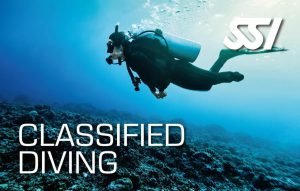
Classified Diving Program

Experience Inclusive Scuba Diving with Ocean Tribe’s SSI Classified Diving Program

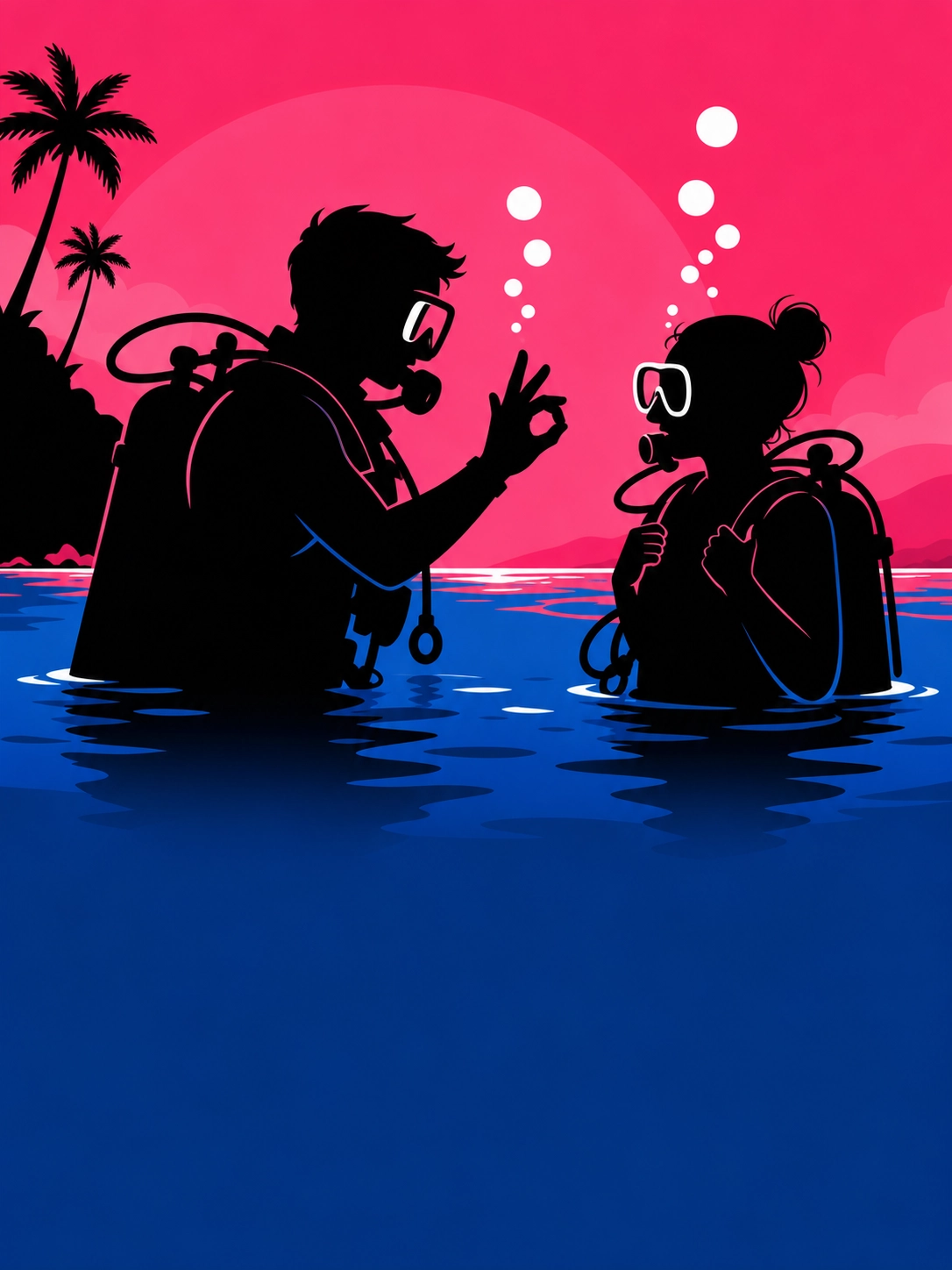
Ocean Tribe is an official SSI Classified Diving Center, committed to making scuba diving accessible to everyone. Through our internship program, all instructors become SSI Classified Diver Instructors, ensuring they can train and assist individuals with physical disabilities and sensory disorders. Divemasters will do the SSI Classified Dive Buddy Program

What is SSI Classified Diving?

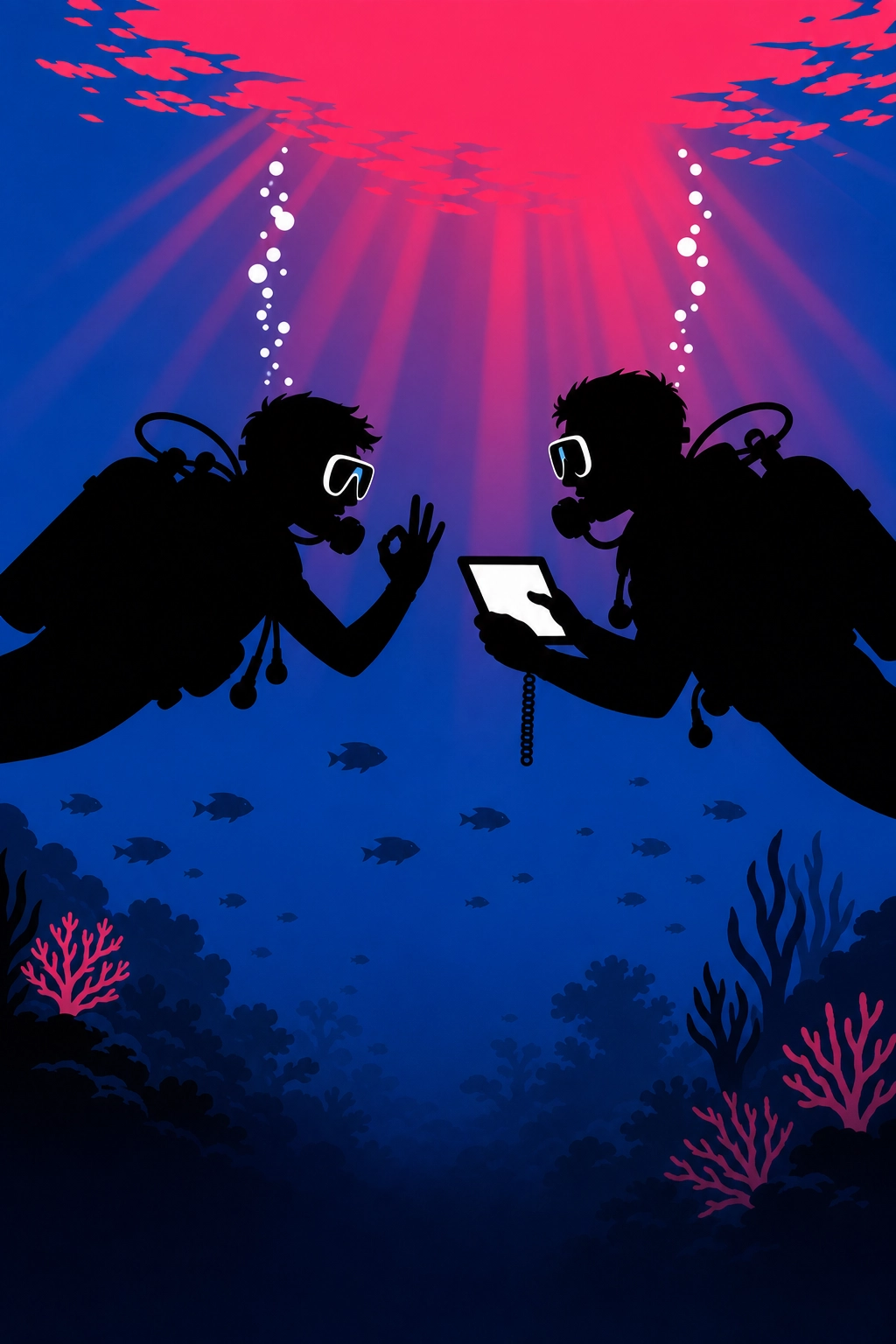
The SSI Classified Diving program provides specialized training for individuals with limited mobility or sensory impairments. It also prepares certified dive buddies to assist these divers, ensuring a safe and enjoyable underwater experience. With adaptive training, students learn to dive alongside an SSI Classified Dive Buddy or an SSI Classified Diving Professional.

How Does It Work?

Participants who receive medical clearance start in a pool or confined water setting, mastering essential skills in a controlled environment. Once comfortable, they may progress to open-water diving, experiencing the freedom of exploring the ocean. There is multi-level certification depending on how much the diver is able to do for themselves and others.

Why Inclusive Scuba Diving Matters

About 16% of the world’s population lives with some form of physical disability, whether from birth, illness, or injury. Traditional scuba programs often overlook these individuals, but the SSI Classified Diving program breaks down barriers. It offers an opportunity to enjoy the thrill, adventure, and serenity of diving, proving that the ocean is for everyone.

A Life-Changing Opportunity

Scuba diving provides a sense of weightlessness and freedom, making it an ideal activity for those with mobility challenges. At Ocean Tribe, we believe in creating equal opportunities for all divers. Our Certified Classified Diver Instructors are trained to provide personalized, adaptive support, ensuring every student feels safe and confident underwater.

Join us and discover a new world beneath the waves!

What Dive Equipment Package Is Available on the Pro Courses?

Dive equipment packages

WHAT DIVE EQUIPMENT PACKAGE WILL I GET WHEN I GO PRO AT OCEAN TRIBE?

The Go-Pro dive equipment package concepts have been designed to recognise that dive professionals should have their own set of diving equipment.

Their ‘tools of the trade’ if you will.

When you have passed a Divemaster course or SSI Instructor Training Course, then you are a professional diver. This is a career.

It would be unreasonable to expect you to be a professional footballer without a pair of boots, so the same principle should apply to diving.

The internship dive equipment packages have been put together not just for our interns to save on price (although that is important).

As a professional diver you are expected to be a role model diver. Your students and divers should look at the equipment you wear. They should think you look professional. They should want to emulate you.

If you are wearing the same rental gear as them, it does not give you much scope for dive equipment sales (a potential revenue source for a dive pro).

As such even the basic dive internship equipment package is not all equipment used for rental, but rather upgrades that will set you aside as someone who should be taken seriously.

All of the dive internship equipment packages come from top scuba diving equipment manufacturers including Apeks Aqualung, Beaver Sports, Cressi,  Oceanic, Hollis, Scubapro, Suunto, and Shearwater.

WHAT IS INCLUDED IN THE DIVE INTERNSHIP EQUIPMENT PACKAGE? I AM TAKING A PRO COURSE. IS THERE AN OPTION TO PURCHASE A SET FOR MYSELF?

All participants in the Divemaster Career Internship or Dive Instructor Career Internship receive a complete equipment package included in their program. Already have your own gear? No problem! You can opt-out if needed.

Exclusive Equipment Offer for Pro Courses

This special pricing is available to all professional course participants, including:

  • Divemaster candidates
  • Instructor Training Course (ITC) students
  • Assistant Instructor Trainer course participants

Train with top-quality dive gear and gain the skills to become a confident, well-equipped dive professional.

Dive internship equipment package

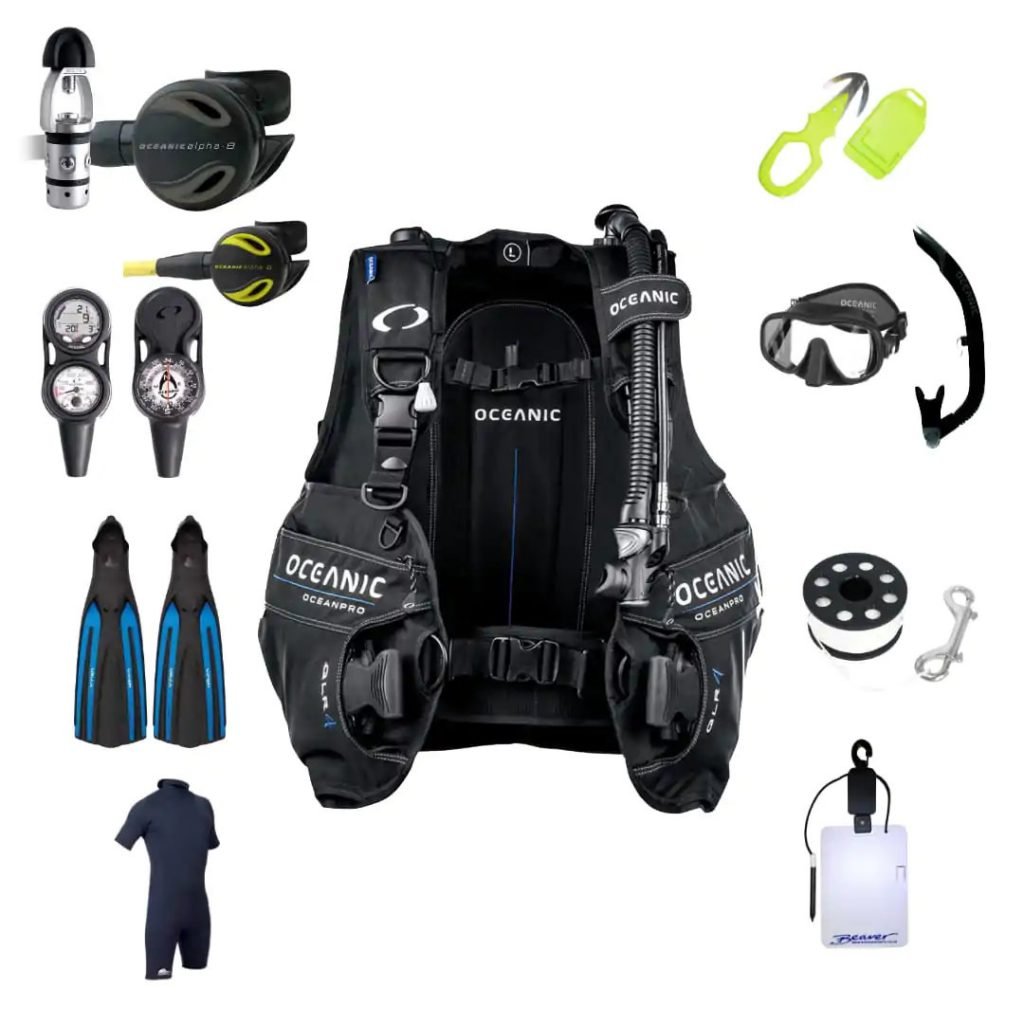
Dive Internship Equipment Package 1

BCD- Oceanic- Biolite or Ocean Pro
Regulator- 1st Stage/2nd Stage/Octo Oceanic- Alpha 8
Gauges, Compass, and Dive Computer– Oceanic- Veo 4.0 Navcon
Mask- Oceanic- Shadow
Snorkel– Oceanic-Ultra SD
Fins- Oceanic- Viper 2 Full foot
Reel- Beaver – 30m Finger
SMB- Beaver – with Valve
Slate- Beaver
Wetsuit- Ocean Tribe Deep Blue 3mm Shorty

This is the basic package included with dive internship packages

For purchase as an SSI Divemaster Course or SSI ITC Candidate, special price is $1399

Dive equipment package upgrade

 Equipment Package 2

BCD- Scubapro- Hydros Pro
Regulator- Scubapro- MK11/C370
Gauges– Scubapro- Compact 2
Compass– Beaver Sports- Wrist Compass
Dive Computer– Shearwater Peregrine
Mask- Scubapro – Solo
Snorkel– Scubapro – Spectra
Fins- Scubapro- Go Travel
Reel- Beaver – 30m Finger
SMB- Beaver – with Valve
Slate- Beaver
Wetsuit- Ocean Tribe Deep Blue 3mm Shorty
Boots- Deep Blue

To upgrade the internship package the cost is $500

For purchase as an SSI Divemaster Course or SSI ITC Candidate, special price is $1899

DON’T SEE WHAT YOU LIKE? NO PROBLEM

Contact us when booking and we can design your perfect equipment package based on your requirements. This can include: Wings, air integrated computers, different exposure options, and more.

Scuba Dive & Safari Packages in Kenya

Kenya beneath the waves and beyond the beach

ONE JOURNEY.
TWO WILD WORLDS.

Explore vibrant Indian Ocean reefs, unwind on Diani Beach and meet Kenya’s iconic wildlife on a private 4×4 safari—all in one carefully planned adventure.

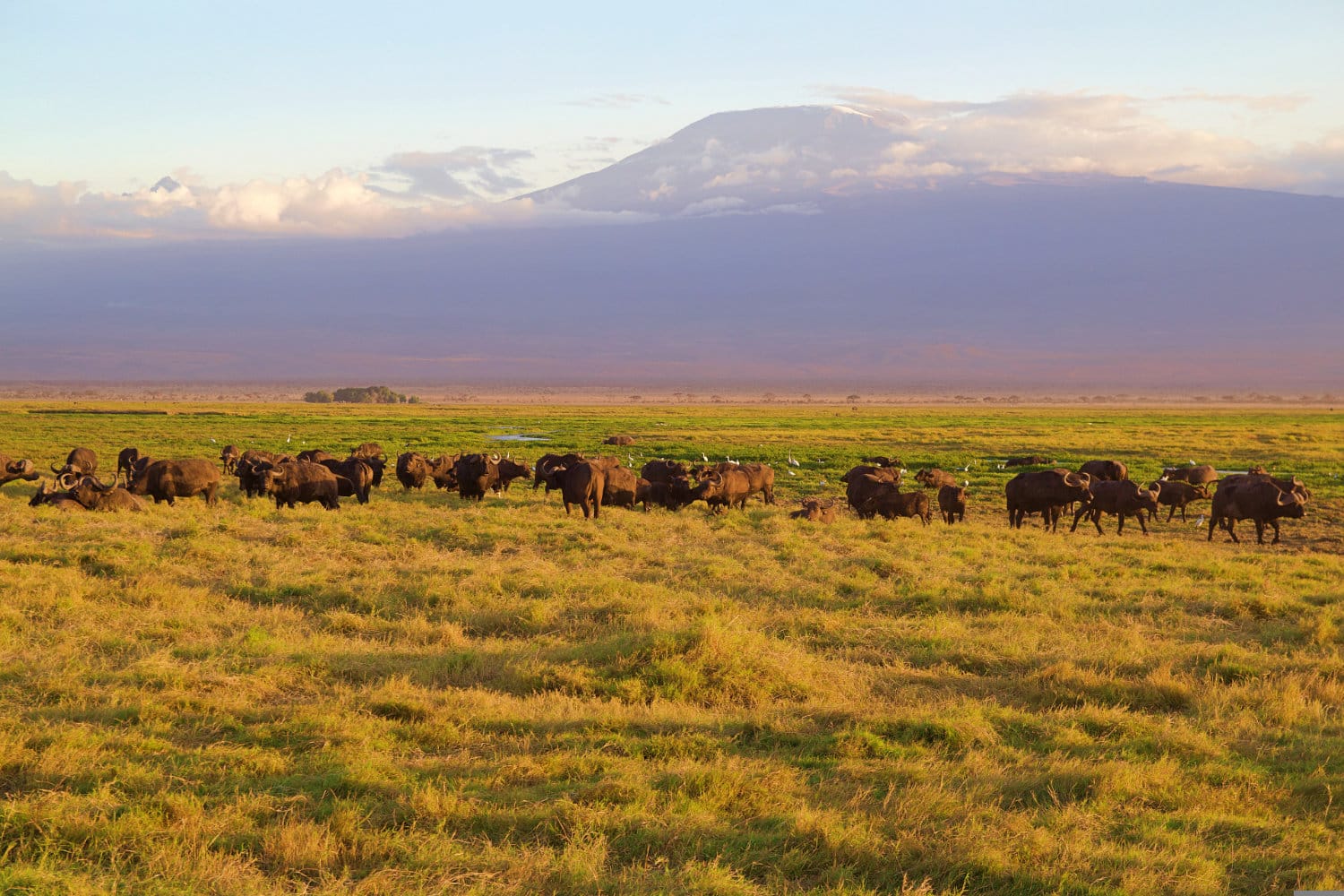
Buffalo grazing beneath Mount Kilimanjaro in Amboseli National Park
Land + sea, planned together Diani diving, Kenya’s national parks and personalised itineraries.
01

Dive the Indian Ocean

Explore colourful coral reefs, marine parks and fascinating wrecks in warm tropical water, with Diani Beach as your base.

02

Meet Kenya’s Wildlife

Travel in a comfortable 4×4 Land Cruiser with an experienced guide and search for elephants, lions, buffalo, rhinos and more.

A seamless land-and-sea journey

How Your Adventure Flows

The exact itinerary varies by package, but every journey is designed to make the transition from coast to safari simple.

01

Arrive in Diani

Settle into the coast and prepare for your first dives.

02

Dive & Unwind

Explore reefs and wrecks, then relax on the beach.

03

Head on Safari

Travel inland by 4×4 with your professional safari guide.

04

Make It Yours

Add destinations, extra dives or more beach time.

From coral gardens to open savannah

Destinations We Can Combine

Choose a focused coast-and-safari escape or build a longer itinerary across several of Kenya’s most remarkable places.

Designed around you

Can’t See Your Perfect Package?

Tell us how long you want to travel, where you would love to go and how much diving you want to include. Ocean Tribe can build a personalised trip for solo travellers, couples, families and dive groups.

Trip length Preferred parks Number of dives Group size Accommodation Budget

Diani Beach FAQs – Everything You Need to Know Before You Go

Diani Beach Kenya

Diani Beach, Kenya’s top coastal destination, is famous for its white sandy beaches, turquoise waters, and endless adventure opportunities. Are you planning a relaxing getaway or an action-packed trip? Here are the most frequently asked questions about Diani Beach (FAQs)to help you plan your perfect vacation.


🏝️ General Information About Diani Beach

1. Where is Diani Beach located?

Diani Beach is on Kenya’s south coast, about 30 km (18 miles) south of Mombasa in Kwale County. It stretches along the Indian Ocean and is known for its stunning coastline, vibrant marine life, and laid-back atmosphere.

2. How do I get to Diani Beach?

There are several ways to reach Diani Beach:

  • By Air ✈️: The quickest way is flying into Ukunda Airport (Diani Airport) from Nairobi or Mombasa. Flights take about 1 hour from Nairobi.
  • By Road 🚗: From Mombasa, take a taxi, matatu (shared minibus), or private car via the Likoni Ferry. The journey takes about 1.5 to 2 hours.
  • By Train 🚆: The SGR (Standard Gauge Railway) from Nairobi to Mombasa is a convenient option, followed by a taxi to Diani Beach.

3. Is Diani Beach safe for tourists?

Yes, Diani Beach is considered one of Kenya’s safest destinations. However, always take basic precautions:

  • Avoid walking alone on the beach at night.
  • Use hotel transport or registered taxis.
  • Keep your valuables secure.

🌊 Beach & Water Activities

4. Can you swim in Diani Beach?

Absolutely! Diani Beach has warm, clear waters perfect for swimming. It is ideal for families due to the shallow shoreline and gentle waves make. But always be cautious of the tides.

5. What are the best water activities in Diani Beach?

Diani Beach is a watersports paradise! Popular activities include:

  • Scuba diving & snorkeling 🤿 – Explore vibrant coral reefs and marine life.
  • Kitesurfing & windsurfing 🏄‍♂️ – Enjoy perfect wind conditions for an adrenaline rush.
  • Deep-sea fishing 🎣 – Catch marlin, tuna, and sailfish.
  • Jet skiing & parasailing 🚤 – Experience high-speed fun on the ocean.
  • Dhow safaris & dolphin watching 🐬 – Take a traditional boat ride to spot dolphins.

6. When is the best time to visit Diani Beach?

The best time to visit is during the dry seasons:

  • December – March ☀️: Hot and sunny, ideal for beach lovers.
  • July – October 🌤️: Cooler weather, great for diving and safaris.

Avoid the rainy season from April – June when heavy rains can disrupt activities.


🏨 Accommodation & Dining

7. What are the best hotels and resorts in Diani Beach?

Diani offers accommodations ranging from luxury resorts to budget-friendly stays:
🏝️ Luxury: The Sands at Nomad, Almanara Villas, Swahili Beach Resort
🏝️ Mid-Range: Leopard Beach Resort, Baobab Beach Resort, The Zubeida
🏝️ Budget: Diani Backpackers, Pendo Villas, Soul Breeze Beach Resort

8. What food can I try in Diani Beach?

Diani has fantastic Swahili and seafood cuisine. Must-try dishes include:
🍛 Swahili Biriani – A rich, spiced rice and meat dish.
🐟 Grilled Seafood – Fresh fish, lobster, and calamari.
🥥 Coconut Beans & Chapati – A delicious vegetarian option.
🍢 Mishkaki – Spiced meat skewers.

Top restaurants to visit:

  • Ali Barbour’s Cave Restaurant – A unique dining experience inside a coral cave.
  • Salty Squid Bar & Restaurant – A perfect spot for beachfront dining.
  • Sails Beach Bar & Restaurant – Ideal for fresh seafood and a romantic atmosphere.

🐘 Wildlife & Excursions

9. Can I go on a safari from Diani Beach?

Yes! Diani Beach is close to several safari destinations:

  • Shimba Hills National Reserve 🐘 (45 minutes away) – Home to elephants and rare sable antelopes.
  • Tsavo East & Tsavo West National Parks 🦁 (3-4 hours) – Great for Big Five safaris.
  • Masai Mara 🦓 – Fly from Ukunda for a quick safari experience.

Check out our Dive and Safari Packages

10. Where can I see monkeys in Diani Beach?

Visit Colobus Conservation, a rescue center dedicated to protecting endangered colobus monkeys. You’ll also spot vervet monkeys and Sykes monkeys around hotels and beachside areas.


💰 Money & Travel Tips

11. What currency is used in Diani Beach?

The Kenyan Shilling (KES) is the local currency. Many places readily accept USD, EUR, and GBP; however, to ensure a smoother experience, it’s best to carry Kenyan Shillings (KES) for local purchases. Since smaller shops and markets may only take cash, having local currency on hand will make transactions easier and more convenient.

12. Do I need a visa to visit Diani Beach?

Most visitors need an eVisa, which can be applied for online at evisa.go.ke. Some nationalities qualify for visa-on-arrival services.

13. What’s the internet and mobile network like in Diani Beach?

Diani Beach has good mobile coverage with Safaricom and Airtel. Most hotels, cafes, and restaurants offer free WiFi.


🛍️ Shopping & Souvenirs

14. What souvenirs can I buy in Diani Beach?

Shop for handcrafted Kenyan souvenirs such as:
🖼️ Maasai jewelry – Beaded necklaces and bracelets.
🦁 Wood carvings – Handmade sculptures of African wildlife.
👜 Kikoy & Kitenge fabrics – Traditional Swahili clothing.
🐚 Seashell crafts – Unique ocean-inspired décor.

Visit the Diani Beach Art Gallery or the local markets for authentic gifts.


🔚 Final Travel Tips for Diani Beach

  • 🌞 Pack sunscreen, light clothing, and a hat – The sun is strong!
  • 🦟 Use mosquito repellent – Especially in the evenings.
  • 🚕 Use registered taxis or tuk-tuks – Safer and more reliable.
  • 💳 Carry some cash – Not all places accept cards.

Diani Beach is a tropical paradise offering relaxation, adventure, and unforgettable experiences. Whether you’re looking for thrilling activities or a peaceful escape, you’ll find it all here.

Ready to experience Diani Beach? Start planning your trip today! 🌊🏝️

Dive Agency Equivalent Certifications

Dive agency equivalent certifications

Continue your training with confidence

DIVE AGENCY EQUIVALENT CERTIFICATIONS

Use this chart when enrolling on a new scuba diving course with Ocean Tribe. It compares commonly recognised certification levels from SSI, PADI, SDI, NAUI, RAID, CMAS and BSAC.

Find your current SSI level, then read across to see the closest commonly accepted rating from each agency. A direct equivalent will normally allow you to apply for the next appropriate course, subject to its other prerequisites.

Important: This chart is a practical guide, not an automatic crossover. Course content, logged-dive requirements and active-status rules can vary. Ocean Tribe will confirm your eligibility from your certification card and training history before enrolment.

Certification Equivalency Chart

SSI is the reference column. Swipe or scroll across on smaller tablets.

SSI reference level
Comparison of SSI, PADI, SDI, NAUI, RAID, CMAS and BSAC diver and instructor certifications
SSI level PADI SDI NAUI RAID CMAS BSAC
Try Scuba / Basic Diver Discover Scuba Try Scuba / Shallow Water Diver Scuba Diver (intro) Recreational Diver (entry) Discover Diver
Scuba DiverSupervised · ISO 24801-1 PADI Scuba Diver Supervised Diver NAUI Scuba Diver Recreational Diver CMAS 1★ Diver¹ Ocean Diver
Open Water DiverAutonomous · ISO 24801-2 Open Water Diver Open Water Scuba Diver NAUI Scuba Diver Open Water 20 CMAS 1★ Diver¹ Ocean Diver / Autonomous Diver¹
Advanced Adventurer / AOWD Advanced Open Water Diver SDI Advanced Adventure NAUI Advanced Scuba Diver Advanced Open Water Diver CMAS 2★ Diver² Sports Diver
Diver Stress & Rescue Rescue Diver Rescue Diver Rescue Scuba Diver Rescue Diver CMAS 2★ Diver² Sports Diver
Dive Control Specialist / DivemasterDive leader · ISO 24801-3 Divemaster Divemaster Divemaster Divemaster CMAS 3★ Diver³ Dive Leader
Assistant InstructorInstructor level 1 · ISO 24802-1 Assistant Instructor Assistant Instructor Assistant Instructor Assistant Instructor CMAS 1★ Instructor³ Club Instructor
Open Water InstructorInstructor level 2 · ISO 24802-2 Open Water Instructor OW Scuba Dive Instructor Scuba Instructor Open Circuit Instructor CMAS 2★ Instructor³ Open Water Instructor
Master DiverNon-leadership recognition Master Scuba Diver Master Scuba Diver Master Scuba Diver Master Diver CMAS 3★ Diver³ Advanced Diver

ISO Reference Levels

CMAS Star Guide

1★Approximately Open Water Diver level
2★Approximately Rescue / Sports Diver level
3★Approximately Dive Leader / Divemaster level

What This Means for Divers

Clear Progression

See where your current certification sits and identify the next suitable step in your diving education.

Global Compatibility

Continue training when travelling or changing agencies without unnecessarily repeating an equivalent course.

Professional Pathways

Compare leadership and instructor ratings as you work toward Divemaster or teaching-level qualifications.

Not sure which course you can join?

Send Ocean Tribe a copy of your certification and your latest logged-dive details. We will help confirm the right next step.

Contact Ocean Tribe

How Long Does It Take to Become a Dive Instructor?

how long to become a diving instructor

How Long Does It Take to Become a Dive Instructor?

If you’ve fallen in love with scuba diving, turning it into a career might feel like the next big step. Becoming a dive instructor is exciting, rewarding, and full of opportunities. But how long does it actually take?

It Depends on Where You Start

The answer depends on your current certification level. If you’re brand new to diving, the full path takes longer. You’ll need to move through each course step by step. That means starting with Open Water Diver, progressing to Advanced, then Rescue Diver, and finally reaching Divemaster.

Each of these certifications takes time and experience. You also need to log a certain number of dives. For SSI, that number is 100 before you can begin your Instructor Training Course (ITC).

A Flexible Journey

If you’re diving regularly and focused on your training, you could become an instructor in about six months to a year. Some people complete the journey faster by joining full-time internships or dedicated professional programs. Others take longer, especially if they’re diving part-time or only on holidays. The beauty of scuba is that it fits around your lifestyle.

The Instructor Course Itself

Once you’re ready, the Instructor Training Course typically lasts around two weeks. During that time, you’ll learn how to teach, manage student divers, and follow international standards. You’ll be evaluated on both classroom knowledge and in-water performance. It’s intensive, but incredibly rewarding.

What Happens After Certification?

After passing the final instructor exam/evaluation, you’re qualified to teach new divers and issue certifications. This opens doors to working in dive resorts, liveaboards, training centers, and more. You’ll be part of a global community, sharing your passion and helping others experience the underwater world.

So, How Long Does It Really Take?

For most people, the journey to instructor level takes several months to a year. It depends on how often you dive, how quickly you progress, and how much time you can dedicate to training. But if you’re committed and enthusiastic, you’ll get there—and it’s absolutely worth the effort.

How to Set Up Your SSI Digital Learning Account

SSI Digital Learning

Set up your SSI digital learning account to start your scuba diving journey with SSI? The first step is creating the account. It’s fast, easy, and gives you instant access to SSI’s eLearning platform. Whether you’re signing up for your first course or continuing your diving education, everything begins with registration.

Navigate to the SSI Website

To get started, visit the official SSI registration page to set up your SSI digital learning account, using this direct affiliation link: https://my.divessi.com/register/ref/772107

This link ensures you’re registered with Ocean Tribe, an SSI-affiliated dive center that can assign your courses, track your progress, and certify you when you’re ready. It also gives you local support from experienced dive professionals. If you are registering with another dive centre then leave off the number on the end.

Create Your SSI Digital Learning Account

Once on the registration page, fill in your personal details. Use your full legal name, as it will appear on your certifications. Choose a strong password and remember your login details—you’ll use them throughout your training.

You’ll also be asked for your email and phone number. Make sure they’re accurate, as this is how your dive center will contact you about course updates and scheduling.

Upload a Profile Photo

This step is important. You must upload a clear photo of yourself, similar to a passport photo. This image will appear on your digital certification card, so make sure it’s a good one. No sunglasses, hats, or distractions in the background.

Enter Your Full Address

Next, enter your complete home address. SSI requires this information to complete your profile and match your records across systems. Double-check everything before submitting.

Connect With Your Dive Center

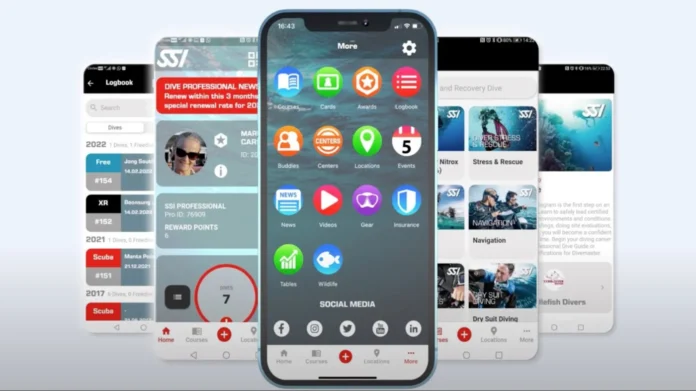
Once your profile is complete and linked to Ocean Tribe, your instructor can register you for the right SSI course. You’ll then receive access to the digital learning materials through the MySSI app or website. You can start studying right away—at your own pace, from anywhere in the world.

Download the MySSI App for iPhone or iPad

Download the MySSI App for Android

Begin Your Diving Journey Today

Setting up your SSI digital learning is quick and simple, but it’s also the start of something exciting. With Ocean Tribe as your training partner, you’ll get expert guidance, world-class materials, and a seamless path to becoming a certified diver. So don’t wait—sign up, dive in, and explore a whole new world beneath the surface.

Do I Need To Be Able to Swim to Scuba Dive?

Do I need to be able to swim to scuba dive?

“Do I need to be able to swim to scuba dive? The answer isn’t a straightforward yes or no. It depends on the type of scuba diving experience you’re looking for.

SWIMMING REQUIREMENTS FOR THE OPEN WATER COURSE

If you want an Open Water Diver license or scuba certification, the answer is yes. Entry-level courses require swim and floating tests to earn certification. On the Open Water Diver course this is a 200m swim and a 10 minute tread or float.

The swim requirement isn’t about swimming while scuba diving. This ensures your safety and your group’s by helping you stay afloat if you need to remove your equipment, including your BCD.

SWIMMING ON A TRY SCUBA EXPERIENCE

However if you are looking at doing a Try Scuba experience. It is not 100% necessary to be able to swim. You will be under the direct supervision within arm’s reach of an SSI Instructor. Your Instructor will teach you to kick properly using fins in the water. The rest of the time you will be neutrally buoyant underwater. We still recommend being able to swim prior to trying or learning to scuba dive. This will enhance your confidence and the experience for you.

Ocean Tribe generally will do the scuba diving experience for non-swimmers. In a swimming pool or an other shallow water area. If you then decide you really want to continue with scuba diving. We have professional swimming instructors on staff who can run programs to aid you to learn to swim.

DISABLED DIVERS

The exception to this rule is. Those people with disabilities taking part on one of our SSI Classified Diver level 3 diver programs. These divers will be taken through the water by 3 SSI dive professionals. The pros are experienced in working with divers with disabilities. Therefore, swimming for these participants is not required due to the added safety measures.

For people with disabilities who are wishing to scuba dive or try diving. Contact our SSI Instructor Trainer Mark who is a specialist in this field. You will be surprised how many “disabled”conditions are able to get in the water and experience the wonders of scuba diving.

Contact us at Ocean Tribe in Diani Beach today. For more information regarding swimming lessons. Or to book your Try Scuba Diving experience or Open Water or Scuba Diver course.

Can I Dive?- What to Know Before Scuba Diving

Can I dive? Things to know before scuba diving

CAN I DIVE? WHAT DO I NEED TO KNOW?

Scuba diving is an exciting and rewarding adventure, but it can be physically demanding. To stay safe, consider key factors before diving. Learn about the health and medical requirements for scuba diving here.

CAN I DIVE? SWIMMING REQUIREMENTS

As a general rule it is a good idea to be able to swim before undertaking scuba diving activities. Find out more about swimming requirements for dive programs here.

CAN I DIVE?- HEALTH REQUIREMENTS FOR SCUBA DIVING

Before scuba diving, you must complete a dive medical to determine if further assessment is needed. Below, you’ll find self-assessment questionnaires and physician forms to get started.

TRY DIVING & KIDS SCUBA COURSES

Complete the Try Diver Medical Statement & Questionnaire or Physician’s Approval to Dive to determine if you need a medical evaluation before scuba diving. Failing to complete this may prevent you from participating. If required, download and bring the Diver Medical Examiner’s Evaluation Form to your physician.

OPEN WATER DIVER STUDENTS

Review the Diver Medical Examiner’s Evaluation Form carefully. If you answer ‘yes’ to any health questions, you must take the completed form to your physician for medical clearance before starting your scuba diving course.

All participants training for an entry-level recreational diving certificate must be at least 10 years old. Divers under 18 require parental or guardian consent to begin training.

For divers under 12, please inform us before the course starts, as a private instructor will be required.

CERTIFIED DIVERS

Certified divers are not required to take a medical again prior to diving in Kenya. But we do advise that you only dive in good physical health. Abstain from alcohol and drugs before diving. Check if you are on any medication that is a contradiction to diving.

CONTINUING EDUCATION STUDENTS (ADVANCED, SPECIALTIES AND RESCUE DIVERS)

A medical evaluation is required for continuing scuba education. Print and bring the Diver Medical Examiner’s Evaluation Form to your physician. Without this, you may not be allowed to participate in your scuba diving course.

PROFESSIONAL DIVE COURSE STUDENTS

All students on Dive Guide, Divemaster, Instructor Training Course, Specialty Instructor Course or Assistant Instructor Trainer course. Must get a Diver Medical Examiner’s Evaluation Form filled out by a physician and bring it to their course. Failure to do so will mean you cannot participate in the program. SSI Pros are also required to have an annual dive medical to prove they are still fit to dive.


Completing the medical questionnaire accurately and honestly is essential for your safety while scuba diving. Many people underestimate the impact of medical conditions on diving or are unaware of potential risks. Failing to disclose health issues or providing false information can lead to serious injury or even death during a dive. Thoroughly completing the medical form is vital to protect both the diver and their group.

If it becomes clear during the activity that the medical form was completed incorrectly, either by omission or false statements, we reserve the right to prohibit participation in any scuba diving or snorkeling activities. The trip leader aboard the boat will have full discretion in these decisions.

All medical forms and information sheets are available in PDF format. If you don’t have Adobe Acrobat Reader, you can download it for free from Adobe.

For more details, check out our Frequently Asked Questions page or learn more about the process of starting your scuba diving journey.

CAN I DIVE?- DO I NEED INSURANCE FOR DIVING?

We highly recommend purchasing travel insurance to protect against trip cancellations due to illness, poor weather, travel delays, itinerary changes, lost luggage, or legal costs. However, most travel insurance policies do not cover diving accidents or related treatment and evacuation. For comprehensive scuba diving coverage, we suggest a dedicated policy like those offered by Dive Assure.

Dive Assure provides insurance specifically designed for divers, including coverage for overnight experiences. Their rider covers incidents such as flight delays or cancellations leading to missed departures, vessel mechanical issues, medical inability to dive, inclement weather, and named storms or cyclones. If you’re traveling during cyclone season (December to April), we strongly advise purchasing insurance well in advance that includes force majeure coverage for natural disasters.

Not all travel insurance policies cover scuba diving or water activities, so it’s essential to review policy details carefully. In the event of a medical emergency, evacuation, medical expenses, and vessel relocation costs are the financial responsibility of the customer.

For peace of mind, ensure your insurance covers all aspects of your diving adventure before your trip.

FLYING AFTER DIVING

Scuba diving regulations recommend waiting at least 12 hours before flying or going to altitude after a single no-decompression dive. For multiple dives, the recommended wait time is at least 24 hours to ensure safety.

SSI ITC Schedule- Instructor Course Calendar

SSI ITC Schedule

The SSI ITC schedule in Kenya. We try to arrange an ITC every couple of months and if demand is high enough then we can also run extra SSI ITCs on request. The SSI ITC schedule can also include an African safari on specific ITCs. For those of you who would like a shorter ITC in Kenya, or would like to enhance your IDC experience by completing the dry sections of the ITC in advance of arriving in Kenya then we also have the option of scuba dive online workshops and presentations.
Ocean Tribe | ITC Calendar 2026–2027

Ocean Tribe · Professional Dive Training

ITC Calendar 2026–2027

SSI instructor training course dates

Swipe or scroll sideways to view all months.

Ocean Tribe ITC Calendar 2026–2027. Date ranges are shown as supplied.
Course / ProgrammeNov / Dec 2026March 2027May 2027July 2027September 2027October 2027*Nov / Dec 2027
Assistant Instructor28–14–84–815–194–819–2328–1
ITC28–74–134–1315–244–1324–2928–7
IE8–914–1514–1525–2614–1530–318–9
Specialty Instructor Training12–1318–1918–1929–3018–191–312–13
Assistant Instructor Trainer28–74–134–1315–244–1319–2928–7

ITC: Instructor Training Course · IE: Instructor Evaluation

* October session details to be confirmed.

ITC DAILY SCHEDULE

Day 1 – Orientation & Skills Refresh

  • ITC Orientation Session – 1.5 hrs
  • Science of Diving Workshop – 3 hrs
  • Skills Practice: Open Water & Diver Stress & Rescue – 4 hrs

Day 2 – The SSI System & Skills Development

  • Academic: Overview of SSI – 2 hrs
  • Academic: Duties of an SSI Professional – 1.5 hrs
  • Workshop: Open Water Diver & Scuba Skills Update – 4 hrs
  • Candidate Water Fitness Evaluation – 1.5 hrs

Day 3 – Academic Presentations & Program Admin

  • Academic: Program Administration – 3 hrs
  • Academic Presentation – Open Water Diver – 3 hrs
  • Academic Presentation – Perfect Buoyancy or Specialty – 2.5 hrs

Day 4 – In-Water Teaching & Exams

  • Academic: Assistant Instructor Programs – 3 hrs
  • Pool Presentation – Open Water Diver Skill – 2 hrs
  • Pool Presentation – Perfect Buoyancy – 1 hr
  • Final Exam & Review – 2 hrs
  • Program & Performance Review – 1 hr

Day 5 – Core Programs & Specialties

  • Academic: The Open Water Diver Program – 2 hrs
  • Academic: Instructor Specialties – 2 hrs
  • Academic: Diver Stress & Rescue & Divemaster – 4 hrs

Day 6 – Rest & Catch-Up

  • Day Off (make-up sessions if needed)

Day 7 – Rescue Teaching & Academic Presentations

  • Academic Presentation – Enriched Air Nitrox or Diver Stress & Rescue – 3 hrs
  • Pool Workshop – Rescue Skills – 2 hrs
  • Pool Presentation – Diver Stress & Rescue – 2 hrs

Day 8 – Emergency Skills & Open Water Training

  • Pool Presentation – Open Water Diver Emergency Skill – 3 hrs
  • Open Water Presentation – Open Water Diver Skills – 4 hrs

Day 9 – Dive Guide & Business of Diving

  • Academic Presentation – Dive Guide – 3 hrs
  • Dive Briefing Evaluation – 1.5 hrs
  • Academic: The Business of Diving – 4 hrs

Day 10 – Dive Guiding & Career Planning

  • Dive Guiding Evaluation (Open Water) – 4 hrs
  • Academic: Your Career with SSI – 1.5 hrs

Day 11 – Final Review

  • Final Program and Performance Review – 2 hrs
Learn to Dive Platinum Package

COURSE PACKAGES