Home Blog Page 9

How to Choose the Right Dive Course in Diani Beach

Choose a dive course in Diani

With warm tropical waters, colourful reefs, and calm conditions, choosing a dive course in Diani is the perfect way to start your underwater journey. But with so many options available, it can be hard to know which one is right for you. Whether you’re looking for a quick holiday experience, a recognised certification, or something suitable for children, Diani Beach has a program to match.

Start with Your Goals

The first step in choosing the right dive course in Diani is to think about what you want from the experience. Are you simply curious about diving and want to try it once? Or do you see yourself becoming a certified diver who can explore anywhere in the world? Your answer will help narrow the options.

If you just want a taster, programs like Try Scuba or Basic Diver are ideal. If you’re ready for the full qualification, the Open Water Diver course is your best choice. And if you’re travelling with children, there are age-appropriate programs that make learning safe and fun.

Short Experiences for Beginners

If you’re short on time or unsure whether diving is for you, these entry-level programs are perfect:

  • Try Scuba – A quick introduction to scuba with a short briefing, shallow water training, and a guided open-water dive. No exams, just a relaxed and fun experience.
  • Basic Diver – Similar to Try Scuba but with a little more training time. Includes one or two open-water dives and counts towards your Open Water Diver certification if you continue within six months.

These options are great for holidaymakers who want to enjoy the magic of the ocean without committing to a longer dive course in Diani.


Certification Courses

If you want the freedom to dive anywhere in the world without direct supervision, you’ll need a recognised certification:

  • Scuba Diver – Ideal for those with limited time. Covers half of the Open Water course and allows you to dive to 12 metres with a professional. You can upgrade later.
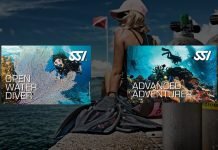
  • Open Water Diver – The world’s most popular beginner certification. Takes 3–4 days and qualifies you to dive to 18 metres with a buddy, anywhere in the world. Includes theory, pool sessions, and four open-water dives.

Choosing one of these certifications ensures your dive course in Diani gives you the skills and confidence to explore dive sites across the globe.


Options for Children

A dive course in Diani can be a family-friendly adventure, with programs designed for younger divers:

  • Ages 6–8 – The SSI Explorers program offers Snorkel Explorer and Blue Oceans Explorer activities, introducing kids to marine life from the surface.
  • Ages 8–10 – Scuba Explorers lets children try scuba exclusively in a swimming pool with child-sized equipment.
  • Ages 10+ – Kids can earn a Junior Open Water Diver certification or join the Basic Diver program, both including open-water dives with depth limits for their age.

These options allow children to start their diving journey in a safe, supportive environment.


Options for Certified and Advanced Divers

Once you’ve earned your initial certification, Diani Beach offers a fantastic range of continuing education programs to help you dive deeper — both literally and figuratively. Whether you want to improve your skills, explore new environments, or start a diving career, there’s a dive course in Diani for you.

Advanced-Level Courses

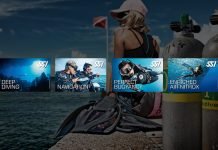
Specialty Courses

  • Advanced Wreck Diving – Learn safe wreck exploration skills, including line work, penetration techniques, and ascent procedures.
  • Sidemount Diver – Master an alternative gear setup that offers better trim, balance, and access for certain environments.

Professional Pathways

These courses help you gain experience, expand your qualifications, and prepare for more challenging or rewarding dive opportunities.


How to Decide

When choosing the right dive course in Diani, think about:

  • Time available – Short on time? Go for Try Scuba, Basic Diver, or Scuba Diver. Have 3–4 days? Open Water Diver is the best choice.
  • Future plans – If you’ll dive again soon, pick a course that counts towards a certification.
  • Comfort level – Nervous? Start with a shorter experience and upgrade later.
  • Travelling with kids – Choose an age-appropriate program from the SSI Explorers or Junior Diver range.
  • Already certified? – Build your skills with advanced, specialty, or professional-level training.

The Perfect Place to Begin

No matter which dive course in Diani you choose, you’ll enjoy warm water, clear visibility, and vibrant marine life. With professional instructors and well-maintained equipment, Diani Beach is one of the safest and most beautiful places to learn or advance your scuba diving skills.

Book your dive course in Diani with Ocean Tribe today and take the first step — or your next step — towards a lifetime of underwater adventures.

SSI Diver training pathway

A Beginner’s Guide to Scuba Diving in Diani Beach

beginners guide to scuba diving in Diani Beach

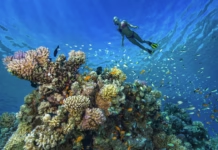
If you’ve ever dreamed of exploring a tropical underwater world, scuba diving in Diani is the perfect place to begin. With warm waters, colourful coral reefs, and a huge variety of marine life, Diani Beach offers an unforgettable introduction to the sport. Even if you’ve never worn a mask before, you’ll find it easy to take your first breaths underwater here.

Why Diani Beach is Good for Beginners

Diani Beach has warm waters and a range of dive sites that are suitable for beginners. These conditions make it great for learning. .

From our base right on the beach, you can head out on the boat to coral gardens teeming with reef fish, turtles, and the occasional dolphin. Many sites are just a short boat ride away, so you spend more time diving and less time travelling.

Courses for New Divers

There are several ways to start scuba diving in Diani. Each option suits different time frames, comfort levels, and long-term goals:

Basic Diver Experience

The Basic Diver program is a step up from Try Scuba (which is simply the pool introduction). It includes one pool session and one or two open-water dives. You can do the pool in about 40 minutes either the afternoon before you dive or early morning then the dives. The best part? If you decide to continue to the Open Water Diver course within six months, your Basic Diver dive will count as credit towards the certification. Find out more about the Basic Diver Experience.

Scuba Diver Course

The Scuba Diver course is ideal for those who want a certification but have limited time. It’s essentially half of the Open Water course. You complete the first three theory modules, the first three confined-water sessions, and two open-water dives. Once certified, you can dive to 12 metres under the supervision of a dive professional anywhere in the world. You can upgrade to full Open Water Diver later without starting from scratch. Find out more about the Scuba Diver Course.

Open Water Diver Course

This is the world’s most popular beginner certification and the best choice if you want to dive independently with a buddy. The course takes three days and includes online theory, pool training, and four open-water dives to a maximum of 18 metres. Once certified, you’ll be able to dive anywhere in the world without direct supervision. For many, this is the real gateway to a lifetime of diving adventures. Find out more about the Open Water Diver Course.

What Are the Options for Children?

Scuba diving in Diani can be a family adventure, with safe and age-appropriate options for younger participants. For children aged 6–8, the SSI Explorers program offers Snorkel Explorer and Blue Oceans Explorer activities — fun, engaging sessions that introduce them to marine life from the surface. From 8–10 years old, kids can join Scuba Explorers, where they try scuba exclusively in a swimming pool using child-sized equipment and shallow depths. Once they turn 10, they can move on to the Junior Open Water Diver certification or the shorter Basic Diver program, both of which include open-water dives. These programs let children develop skills and confidence step-by-step while keeping safety and enjoyment at the forefront.

Marine Life Highlights

One of the best things about scuba diving in Diani is the variety of marine species. Our reefs are home to angelfish, butterflyfish, triggerfish, and colourful nudibranchs. Lucky divers may see hawksbill or green turtles cruising by. During certain times of the year, you might even spot a passing whale shark.

Tips for First-Time Divers

  • Choose a reputable dive centre with qualified instructors. Ask to see the centre qualifications and the Instructor certifications to make sure they are licensed and renewed. Find out more about choosing a dive centre here.
  • Listen carefully to your briefing and don’t be afraid to ask questions.
  • Equalise your ears often as you descend.
  • Relax, breathe slowly, and enjoy the view.

Start Your Diving Journey in Diani

Whether you want to try scuba for the first time or earn your first certification, Diani Beach is an unbeatable choice. With safe, scenic dive sites and expert instructors, you’ll quickly discover why so many people fall in love with the ocean here.

Book your first dive with Ocean Tribe today and let the adventure begin. Scuba diving in Diani could be the start of a lifelong passion.

Crossover to SSI: Level Up Your Dive Career

Crossover to PADI

Making the decision to crossover to SSI is a big step for any PADI instructor. It’s not just about adding another logo to your CV. The choice comes with important considerations—how it will affect your income, the range of job opportunities you can access, the quality and flexibility of the training system you’ll be using, and the worldwide reputation of the agency you represent. For many dive pros, these factors are what make SSI such an attractive option right now. The crossover gives you the chance to reduce costs, expand your teaching reach, work for more centres, and align yourself with a training system that’s growing fast across the globe.

Why the Crossover is Upgraded

The SSI crossover is not a quick paperwork swap. Since 2024, every instructor moving into the SSI system must complete sections of an Instructor Training Course and pass an Instructor Exam. This ensures you meet SSI standards in knowledge, skills, and safety. It gives your future employers and students confidence that you can deliver quality training. SSI’s requirements put you on the same level as instructors who trained entirely within their system. This means you can’t get into SSI by taking an “easier instruction path” then take a simple crossover. You have to earn it.

Teach for Both Agencies

Doing a crossover to SSI does not mean giving up your PADI teaching status. You can stay active with both agencies. This gives you maximum flexibility, plus keeps your options open and your job prospects high. Many dive centres around the world accept instructors from both SSI and PADI. Some even run both systems side by side. By holding credentials in each, you are ready for more jobs in more locations.

Centres are Making the Switch

SSI is growing fast. More training centres each year are crossing over from other agencies, including PADI. They are choosing SSI for its strong support network, modern digital tools, and flexible teaching system. This means more employers are looking for instructors who can teach SSI courses. By crossing over now, you stay ahead of the trend and keep yourself in demand.

Financial Benefits for Instructors

A crossover to SSI can save you money. Digital materials are included in course packages, and you get automatic updates without extra fees. Renewal costs are often lower than PADI’s. The SSI Pro Rewards program even gives you cashback on certifications. Over time, these savings and rewards add up. They help you keep more of what you earn.

The Bottom Line

For a PADI instructor, an SSI crossover is a smart move. You gain a second agency on your resume, increase your chances of finding work, and benefit from SSI’s growing global presence. You keep your PADI status, save money, and join a network that values modern training and instructor freedom. Now is the time to make the move and position yourself for more opportunities.


FAQs – Crossover to SSI from PADI

Can I still teach PADI courses after crossing over to SSI?

Yes. Crossing over to SSI does not cancel your PADI membership. You can remain in teaching status with both agencies, provided you keep your PADI renewal active. This gives you maximum flexibility for job opportunities.

Do I have to redo all my instructor training to crossover?

No. SSI recognises your existing PADI instructor qualification. The crossover focuses on aligning you with SSI’s teaching standards, digital systems, and course structure. You will complete an Instructor Training Course and an Instructor Exam to meet SSI’s requirements.

Is the SSI crossover recognised worldwide?

Absolutely. SSI is present in more than 150 countries with over 3,500 training centres. Your crossover qualification is valid anywhere SSI operates, and many dive centres run both SSI and PADI programs.

Why are so many dive centres switching to SSI?

Centres are moving to SSI for its modern digital learning system, lower material costs, flexible teaching philosophy, and strong global network. This shift means more demand for instructors who can teach SSI courses.

What are the costs and savings compared to PADI?

SSI course materials are included in digital packages and update automatically at no extra cost. Renewal fees are often lower than PADI’s. SSI’s Pro Rewards program also gives cashback on certifications, helping you keep more of what you earn.

Can I complete my crossover at Ocean Tribe in Kenya?

Yes. We run regular SSI crossovers for PADI instructors. Our next program starts September 1 in Diani Beach, alongside our SSI Instructor Training Course. It’s a perfect chance to get certified, gain experience, and enjoy some of Kenya’s best diving.

How long does the crossover take?

Most crossovers are completed in four days. You will cover SSI’s teaching system, standards, and digital tools, plus the Instructor Exam.

Do I get all of my specialty instructor ratings crossed over?

Yes. All PADI specialties you hold will be matched to the SSI equivalent at no extra cost. You’ll be ready to teach them under SSI as soon as your crossover is complete.

The Eco-Conscious Diver’s Guide to Diani Beach

eco conscious diver

The importance of being an eco-conscious diver. Diani Beach is one of Kenya’s most beautiful dive destinations, famous for its white sand beaches, warm turquoise waters, and thriving coral reefs. But as divers, it’s our responsibility to protect the marine environment we love exploring. This eco-conscious diver’s guide will show you how to enjoy Diani Beach responsibly while supporting conservation efforts that keep its reefs healthy for generations to come.

1. Choose a Dive Centre with a Sustainability Focus

Start by selecting a dive centre that prioritises ocean conservation. At Ocean Tribe, we follow SSI’s environmental standards and support local reef protection projects. We use eco-friendly cleaning products, maintain our boats to reduce fuel emissions, and encourage divers to log their marine life sightings in the SSI Blue Oceans program.

When booking, ask about:

  • Energy-efficient boats and facilities
  • Waste management practices
  • Participation in marine conservation initiatives

2. Practise Perfect Buoyancy to Protect Coral

Poor buoyancy control is one of the biggest threats to coral reefs. Fin kicks or brushing gear can damage fragile corals that take years to grow. Before your dives in Diani, take an SSI Perfect Buoyancy course with Ocean Tribe. You’ll fine-tune your weighting, trim, and breathing techniques, ensuring you enjoy the reefs without harming them.

3. Use Reef-Safe Sunscreen and Gear

Chemical-based sunscreens can leach into the water and harm corals. Instead, choose a reef-safe mineral sunscreen that’s biodegradable and free of oxybenzone. You can also minimise single-use plastics by bringing a reusable water bottle and eco-friendly dive gear such as biodegradable mask defoggers and long-lasting equipment. Find out more about if you are using reef safe sunscreen.

4. Join Conservation Activities

Many projects in Diani Beach welcome visiting divers to get involved. You can join our monthly beach and underwater clean-ups, help monitor coral health, or contribute to turtle conservation programmes. Ocean Tribe run ecology programs and partners with local conservation groups to make it easy for divers to get hands-on experience while giving back to the ocean.

5. Support Local and Sustainable Businesses

Eco-conscious travel is also about how you spend your money on land. Choose locally owned hotels and restaurants that source food responsibly and support the community. This helps reduce the environmental footprint of your stay and strengthens Diani Beach’s eco-tourism economy.

6. Dive with Awareness

Being an eco-conscious diver in Diani Beach is about more than just your time underwater. Follow these simple rules:

  • Don’t touch marine life or collect souvenirs.
  • Avoid feeding fish, as it disrupts their natural behaviour.
  • Keep your fins off the bottom to avoid stirring up sediment that can smother corals.

Plan Your Eco-Friendly Dive Trip Today

Diani Beach offers world-class diving with vibrant reefs, turtles, reef sharks, and an incredible variety of macro life. By following this eco-conscious diver’s guide, you’ll enjoy a meaningful trip that protects the underwater world you love.

Book your next dive trip with Ocean Tribe and join us in making every dive a positive impact for our oceans.

Learn to Scuba Dive in Kenya: Course Packages Exceptional Value

Learn to Scuba Dive packages

If you’re ready to learn to scuba dive, Ocean Tribe in Diani Beach offers structured, all-inclusive course packages that guide you from complete beginner to certified diver in just a few days. The core Open Water Diver Course covers theory, pool training, and four open‑water dives—qualifying you to dive independently with a buddy to 18 m. We include all training, equipment rental, refreshments, hotel transfers, and digital certification via the SSI app are included  .

Choosing one of our learn‑to‑dive packages not only builds essential skills but also unlocks advanced specialties—like enriched air (Nitrox), perfect buoyancy, deep and navigation diving—at a reduced total price and in just a few additional days. It’s the most efficient path to becoming a more confident diver in Kenya’s vibrant marine environment.


Package Options Designed for Maximum Learning & Value

Get Advanced- Open Water Diver + Advanced Adventurer – $750

  • Duration: 6 days (10 Dives)
  • Includes: SSI Open Water Diver course (4 ocean dives), plus the Advanced Adventurer course (five specialty dives and one fun dive) for deeper experience up to 30 m  .
  • Who it’s for: Those starting fresh and eager to advance fast, combining two certifications in one seamless journey.

Include Nitrox Certification- Open Water Diver + Enriched Air (Nitrox) Specialty -$540

  • Duration: 3 Days (4 dives)
  • Includes: Open Water Diver training plus the SSI Enriched Air Diver certification.
  • Best for: Divers who want longer bottom times and increased dive efficiency.

Top Buoyancy- Open Water Diver + Perfect Buoyancy Specialty- $550

  • Duration: 4 days (6 dives)
  • Includes: Standard Open Water training plus SSI Perfect Buoyancy course.
  • Ideal for: People aiming for refined trim, movement efficiency, and more comfortable dives.

Be the Best- Open Water Diver + Advanced Alternative Bundle (Deep, Navigation & Nitrox)- $750

  • Duration:  6 days (10 Dives)
  • Includes: Full Open Water course and three full SSI Specialty certifications—Deep Diving (up to 40 m), Navigation, and Enriched Air—along with six ocean dives  .
  • Why it stands out: Equivalent price to the standard Advanced course but with deeper limits (40 m) and three official specialties.

Open Water & Diver Stress & Rescue (Open Water Diver Stress & Rescue + React Right First Aid/CPR/O₂) -$999

  • Duration: 6 days
  • Includes: Open Water Diver training plus classroom and dives plus scenario-based rescue training plus first aid qualifications.

What We Include in Every Package

  • Digital learning modules, pool-based confined water instruction, and open-water dives—all under SSI standards.
  • Complete dive gear rental: BC, regulator, mask, fins, snorkel, wetsuit, and dive computer  .
  • Refreshments during sessions and transfers from hotels in Diani and Galu.
  • SSI mobile app access with digital certification, logbook, and dive records.
  • Small-group instruction (1–4 learners) ensuring personalised training  .

Who Can Join These Learn To Scuba Dive Packages?

  • Minimum age: 10 years old for Open Water Diver; Advanced Adventurer and Diver Stress and Rescue at age 12 and Deep Diving at 15 years old  .
  • Requirements: Before starting pool and ocean training, you must first have basic swimming ability. In addition, you need to be medically fit to dive and complete the digital theory module.

Why These Learn To Scuba Dive Packages Are Great Value

  1. Transparent pricing: We include all training, equipment, logistics, and certification in one clear price—so you never face hidden fees
  2. Progress faster: Stack specialties during your stay in Diani rather than returning multiple times; you save time and money.
  3. SSI certification recognized internationally—train to global standards with credibility.
  4. Rich marine biodiversity at Diani: Expect encounters with turtles, rays, moray eels, dolphins, octopuses, pufferfish, clownfish, and thriving coral gardens. All perfect for real-world practice  .
  5. Dedicated small-group training: Ensures personal attention, safety, and confidence building throughout coursework.

At a Glance: Package Comparison

PackageDurationCertificationsDepth LimitMajor Benefit
Open Water + Advanced Adventurer 6 daysOpen Water + Adventure Diver30 mFast-track two certifications with diversified dives
Open Water + Enriched Air (Nitrox)3  daysOpen Water + Nitrox18 mLonger dive time and healthier breathing gas mixture
Open Water + Perfect Buoyancy4 daysOpen Water + Buoyancy18 mImproved control, air use, and confidence underwater
Advanced Alternative Bundle (Deep/Nav/Nitrox)6 daysOpen Water + 3 Specialties40 m4 certifications + varied diving options
Open Water + Diver Stress & Rescue6  daysOpen Water + Stress & Rescue + React RightVariesEnhanced leadership and safety—towards higher credentials

Summary

To learn to scuba dive effectively and efficiently, Ocean Tribe’s course packages deliver unmatched value in Diani Beach. Start with the core Open Water Diver certification and progress through advanced specialty combinations to build your underwater skills, boost your confidence, and fuel your passion. Start simple, then scale up with extra specialties tailored to your diving goals.

Why the SSI Instructor Training Course is the Smart Alternative to the PADI IDC

Alternative to the PADI IDC

If you’re planning to become a scuba diving instructor, you’ve probably come across the PADI Instructor Development Course (IDC). While the PADI IDC has long been a popular option, it’s not the only route to a rewarding career as a dive professional. Today, more divers are choosing the SSI Instructor Training Course (ITC) as the smarter, more flexible alternative to the PADI IDC.

Here’s why the SSI pathway makes sense for both your wallet and your future career.

Lower Training Costs Without Compromising Quality

One of the biggest reasons divers look for an alternative to the PADI IDC is cost. The total price of the PADI IDC plus instructor evaluation and required crew packs and application fees.can easily exceed USD $3,000, not including required crew packs and application fees.

By comparison, the SSI Instructor Training Course (ITC) is often significantly more affordable. At Ocean Tribe, the complete SSI ITC including materials, instructor evaluation, and application fees costs around USD $2,250, saving you up to USD $750 or more from the start. See below for an exact comparison to how our instructor courses cost up.

SSI’s training materials are fully digital and included in the price so you won’t face unexpected expenses for manuals or extra crew packs.

It is not just a case of “you get what you pay for” with PADI’s higher pricing. But becoming a dive instructor can be an expensive affair so you want to make sure you get the maximum value.

Greater Flexibility in How You Teach

The PADI IDC requires you to follow a rigid sequence when teaching skills which can make it harder to adapt to your students’ needs.

The SSI Instructor Course focuses on flexibility. You can rearrange skills as needed to match student pace and comfort levels. This adaptive approach often leads to better learning outcomes and makes you a more versatile instructor.

Take a look at the SSI Scuba Diving Training Standards Free

Worldwide Recognition and Job Opportunities

Some aspiring instructors worry that an SSI certification won’t open as many job doors as PADI. The reality is very different:

  • SSI has over 3,800 dive centres in more than 140 countries, and its global presence is growing rapidly.
  • Many dive centres now accept both SSI and PADI instructors, giving you just as many opportunities.
  • You’ll automatically be qualified to teach multiple specialties you already hold as a diver (Enriched Air Diving, Perfect Buoyancy, Science of Diving, etc.) without additional crossover costs

By choosing the SSI Instructor Course, you’ll gain access to a broad global network of employment opportunities. If anything there is a scarcity of SSI Instructors at the moment and there are dive centres who want to run SSI programs looking to recruit more.

Training Materials: SSI Wetnotes vs. PADI Instructor Slates

Another major advantage of the SSI Instructor Course is the quality and practicality of the training materials you receive.

A serious plus of the SSI system is how accessible the Instructor Teaching Guides are. While they are also available as downloadable PDF instructor manuals like PADI, SSI has gone a step further by fully integrating them into the MySSI App. When teaching any course, the instructor simply clicks the “Pro” button on the same digital learning page the student is using, and the complete teaching guide and standards for that subject appear instantly. This makes lesson planning and course delivery incredibly simple, as all the required information is right at your fingertips on any device. It is a huge time-saver, eliminates the need to carry bulky manuals, and allows instructors to remain fully focused on their students.

SSI provides professional-grade Wetnotes instead of the bulky collection of instructor slates used by PADI.

  • All courses in one place: SSI Wetnotes combine every course you are qualified to teach into a single compact waterproof booklet
  • Integrated pencil and storage area: Your Wetnotes include a secure pencil holder and space to jot down notes or diagrams underwater, with storage pockets for additional cards or references
  • Much less bulky: Unlike the large bundle of PADI slates, Wetnotes fit neatly into your BCD pocket or can be easily clipped to a D-ring
  • No rusting keyrings or broken slates: PADI slates often require multiple metal keyrings to keep them together which can corrode and fail over time. SSI Wetnotes eliminate this problem entirely
  • Lighter and travel-friendly: Wetnotes are compact and light making them perfect for instructors who travel or work in different locations
  • Easy to store and use: Having all your teaching materials in a single booklet saves time and hassle during courses

In short, SSI Wetnotes are built for efficiency, durability, and convenience, helping you stay organised and professional in every teaching environment.

By contrast, the PADI system requires instructors to carry a large, bulky stack of separate slates for each course which can be cumbersome in the water, difficult to travel with, and prone to wear and tear.

Easy Crossover Options If You’re Already a PADI Pro

If you’re already a PADI Divemaster or Instructor, SSI makes it straightforward to cross over.

  • PADI Divemasters: You can enrol directly in the SSI ITC. Your Divemaster training and experience will count toward the prerequisites just as it does with the PADI IDC
  • PADI Instructors: SSI offers a dedicated Instructor Crossover Program that recognises your existing rating. You won’t need to redo your entire instructor course and all equivalent specialties will be credited at no additional cost

This makes SSI a flexible option whether you’re starting fresh or already hold professional-level certifications with another agency.

Future Advantages as an SSI Instructor

Becoming an SSI Instructor isn’t just about saving on initial training costs. It also brings long-term benefits as you progress in your career:

  • Lower annual renewal fees: SSI Professional renewal fees are generally lower than PADI’s, making it more cost-effective to maintain your active status year after year
  • SSI Rewards System: Each time you issue certifications, you earn points in the SSI Rewards System. These points can be used to reduce the cost of future upgrades, crossovers, and professional fees, effectively rewarding you for teaching more divers
  • Free specialty instructor applications: Unlike PADI, where each specialty instructor rating costs extra, SSI has one pro application which then covers the rest of your applications for that year. This saves you money when you want to expand the courses you can teach
  • No hidden costs: With SSI, your digital training materials and professional tools remain accessible without recurring update fees

These advantages add up quickly, especially for instructors working full-time or seasonally in different destinations.

Added Value and Specialisation

Ocean Tribe’s upcoming SSI ITC includes bonus specialty instructor ratings for those who book early. For example, if you register before 10th August for our 1st September 2025 ITC, you’ll receive:

  • React Right Instructor (First Aid & CPR)
  • Classified Diving Instructor (Adaptive Scuba)
  • Deep Instructor

These come in addition to the standard specialties you’ll already be qualified to teach as an SSI Open Water Instructor.

  • Try Scuba Diving/ Basic Diver
  • Scuba Diver Course
  • Open Water Course
  • Advanced Adventurer
  • Perfect Buoyancy
  • Diver Stress and Rescue
  • Divemaster including Dive Guide and Science of Diving
  • Computer Diving
  • Enriched Air Nitrox
  • Marine Ecology

The Bottom Line: A Smarter Alternative

If you’re comparing the PADI IDC with other options, the SSI Instructor Training Course is the best-value alternative to the PADI IDC. It’s more cost-effective, provides teaching flexibility, gives you industry-leading training materials, and offers equal (or greater) access to worldwide job opportunities.

At Ocean Tribe in Diani Beach, Kenya, we’ve helped divers from around the world launch their professional careers through our SSI ITC.

At Ocean Tribe, we made a deliberate decision to run the SSI Instructor Training Course instead of the PADI IDC because it aligns better with how we believe professional dive training should be delivered. Our Instructor Trainer Mark was an active PADI Course Director for 17 years. It was not a decision we took lightly. SSI’s flexible teaching philosophy allows us to tailor training to the strengths and needs of each candidate rather than follow a rigid checklist. The course materials are more modern and practical, with everything instructors need in one streamlined system. The lower costs and the long-term benefits for our graduates, such as the SSI Rewards system and reduced annual renewal fees, also ensure that becoming a dive professional remains accessible. Most importantly, SSI offers our candidates equal worldwide job opportunities with a growing network of dive centres. This combination of flexibility, value, and career support makes SSI the perfect choice for those serious about building a lasting career in the dive industry.

As a comparison just on the price terms for the aspiring dive instructor here our our current SSI pricing vs the previous PADI IDCs we ran last year according to local pricing. Where Euros and British pounds are shown is where we converted to USD according to the rate at the time of publishing on xe.com

SSIPADI
Instructor Training CourseUS$999.00IDC/EFR Instructor Course US$1250.00
Instructor Crewpack & Wetnotes/SlateUS$450.00Instructor Crewpack and SlatesUS$750.00
Instructor EvaluationUS$577.00€500.00Instructor Examination US$265.15£198.00
One Time SSI Pro ApplicationUS$115.53€100.00Instructor Application FeeUS$928.37£695.00
React Right Instructor Add OnUS$57.70EFR Instructor Application FeeUS$165.63£124.00
TOTAL US$2199.23TOTALUS$3359.15
SavingUS$1159.92
Extras SSIExtras PADI
Specialty Instructor CrewpackUS$57.70€50.00Specialty Instructor ApplicationUS$62.78£47.00
Divemaster Instructor ApplicationFreeMaster Scuba Diver Trainer ApplicationUS$114.89£86.00

Ready to Start Your Instructor Journey?

Our next SSI Instructor Training Course begins 1st September 2025. Spaces are limited to keep training personalised.

Click here to learn more and secure your place today

Choosing SSI isn’t just about saving money, it’s about building a stronger foundation for your diving career.

Macro Creatures in Diani: A Macro Diver’s Dream

macro creatures in diani

Diani Beach, Kenya offers underwater explorers a stunning tabletop of macro life. While turtles and rays attract the attention, the reef’s miniature residents—leaf fish, mantis shrimp, nudibranchs, and more—reveal an intimate, hidden world. With expert Ocean Tribe guides leading the way, divers uncover these camouflaged creatures in vibrant reef habitats  .

1. Leaf Fish (Family Antennariidae)

Leaf fish, masters of camouflage, resemble fallen leaves scattered among sandy rubble and reef ledges. Commonly found at dive sites like Galu Reef, Mwachema, Tiwi, and Igloo Reef, these sit-and-wait predators lie nearly invisible until prey wanders by. Their earthy coloration paired with rapid feeding strikes make them prized finds for macro photographers  .

2. Scorpionfish & Frogfish

Close relatives of the leaf fish, scorpionfish and frogfish use impressive camouflage resembling sponges, corals, and algae. Reef structures and wrecks, particularly the MV Funguom host these motionless hunters. Their hidden textures and subtle forms make every encounter feel like a secret discovery  .

3. Nudibranchs

Vibrant and varied, nudibranchs—tiny sea slugs—dot reef rubble, sandy patches, and wreck surfaces. From neon hues to ornate patterns visible around sites like Galu Reef, these critters offer endless fascination to macro enthusiasts  .

4. Ghost Pipefish

These delicate creatures drift among reef edges and sandy slope fringes, mimicking bits of seagrass or algae. Occasional sightings around Igloo Reef, Galu, and Tiwi are rewards for patient divers searching reef flats  .

5. Harlequin Shrimp, Other Shrimp & Mantis Shrimp

  • Harlequin shrimp, with bold white, orange, and purple patterns, live beneath coral ledges.
  • Cleaner and sexy shrimp inhabit crevices and shelter spots.
  • Peacock mantis shrimp (Odontodactylus scyllarus) famed for vibrant colors and rapid predatory strikes, reside in sandy flats at Kisima Mungu, Kinondo Reef, and Igloo Reef. Sightings evoke delight as this creature is both visually stunning and behaviorally fascinating  .

6. Seahorses & Pipefish

These elusive species inhabit soft corals and seagrass beds at sites like Galu Reef and Tiwi. Though seldom encountered, divers treasure them when spotted  .

7. Cuttlefish & Octopuses

Look among sandy crevices, reef rubble, and wreck zones like MV Funguo for these intelligent cephalopods. Their dynamic color changes and curiosity offer captivating macro subjects  .

Prime Macro Hotspots in Diani

Why Macro Life Thrives Here

Diani’s reefs feature diverse habitats—rubble, sand flats, wrecks, and seagrass beds—which support a rich food web. Healthy reef systems sustain these hidden species, while Ocean Tribe guides use their expertise to uncover them for eager divers  .


Tips for Successful Macro Diving

  1. Use macro lenses or close-up ports
  2. Illuminate crevices with a dive light
  3. Maintain neutral buoyancy near the substrate
  4. Move slowly and deliberately
  5. Consult Ocean Tribe dive guides for their local knowledge

Diani’s reefs reveals a miniature wonderland, from well-camouflaged leaf and frogfish to electrifying mantis shrimp. Join Ocean Tribe on your next dive and immerse yourself in these small-scale marvels.

Scuba Diving for Kids in Diani- What You Need to Know

kids scuba diving

If you’re considering scuba diving for kids in Diani, you’re in for a treat. Ocean Tribe offers a safe and structured path for young adventurers to explore the underwater world, build confidence, and develop essential life skills. Children as young as six can begin with the multi‑activity SSI Explorers program, progressing through snorkeling, mermaiding, freediving, and introductory pool scuba. By the age of ten, they can earn the SSI Scuba Diver (Junior Scuba Diver) certification, featuring open‑water dives to twelve meters under professional supervision  . As they grow older, divers aged ten to fourteen may complete the SSI Junior Open Water Diver course—rising to eighteen meters with age and training—before eventually transitioning to adult-level qualifications after their fifteenth birthday  . Each stage is fully age appropriate, instructor led, and designed to foster independence and a lifelong respect for the marine environment.

Why Scuba Diving Is a Great Family Activity

Scuba diving is one of the few adventure sports that people of different ages and experience levels can enjoy together, making it an ideal family activity. Whether you’re exploring shallow reefs, spotting turtles, or sharing surface intervals on a boat, diving creates unforgettable shared experiences that strengthen family bonds. At Ocean Tribe, parents and children often train side by side, supporting each other through the learning process and celebrating their achievements as a team. It encourages communication, trust, and responsibility, all while immersing the whole family in the beauty of the marine world. With programs tailored to different age groups, scuba diving allows families to grow together as confident, capable divers—turning holidays into lifelong memories beneath the waves.

Why Choose SSI Youth Programs?

Ocean Tribe’s SSI youth programs provide a structured, safe, and engaging introduction to diving. With certified instructors, well-defined progression paths, and age-appropriate materials, these courses build confidence, responsibility, and respect for the marine environment while ensuring safety at every step  .

SSI Explorers (Ages 6 and Older)

This pool-based program introduces children to underwater exploration in a fun and interactive format. Beginning with Blue Oceans Explorer and Snorkel Explorer, kids can progress to Freediving Explorer, Mermaid Explorer, or Scuba Explorer (from age 8)  . The curriculum includes badges, stickers, quizzes, coloring activities, and logbook entries. Children may even unlock up to 22 specialty Explorer ratings such as Rescue Explorer and Marine Mammal Ecology Explorer  . The focus remains on developing water confidence, maturity, and environmental awareness.

Scuba Explorer (Ages 8 and Older)

Scuba Explorer introduces children (8+) to scuba gear and breathing techniques in pool or confined water environments. The depth is limited (around 5 meters), and the emphasis is on controlled, playful skill development. The goal is to prepare participants for later open-water swimming programs  .

SSI Scuba Diver (Junior Scuba Diver) – Ages 10 and Up

Starting at age 10, participants can take the SSI Scuba Diver certification (also known as Junior Scuba Diver). This entry-level program includes theory, confined water practice, and two open-water dives with a maximum depth of 12 meters under the direct supervision of an adult or professional. It follows ISO Supervised Diver standards.

SSI Junior Open Water Diver – Ages 10 to 14

The SSI Junior Open Water Diver course mirrors the adult Open Water Diver curriculum, The SSI Junior Open Water Diver course is the first full scuba certification available to young divers and is ideal for children aged 10 to 14 who are confident in the water and ready to explore the ocean beyond the pool. This course follows the exact same structure and academic content as the adult Open Water Diver program but includes age-appropriate supervision and depth limits to ensure safety.

Children aged 10 and 11 are certified to dive to a maximum depth of 12 metres (40 feet), always under the direct supervision of a certified adult or dive professional. From age 12 to 14, the depth limit increases to 18 metres (60 feet), again with mandatory supervision.

The course includes:

  • Online or offline academic learning using the SSI digital materials
  • Confined water (pool) sessions to master fundamental skills
  • Four open water dives in the ocean, conducted under close supervision
  • Practical training in buoyancy, equipment use, underwater communication, and basic problem-solving

Ocean Tribe’s friendly and experienced instructors take a supportive, step-by-step approach, creating a safe and enjoyable learning environment for junior divers. The course is typically completed over 3 to 4 days, and students receive a Junior Open Water Diver certification card upon successful completion.

Junior Specialty and Advanced Courses (Ages 12 and Older)

Once 12 years old, junior divers can pursue further certifications such as:

Each program offers expanded skills and dives up to 18 meters, always under qualified supervision  .

Transition to Adult Certification at Age 15

Upon turning 15, junior divers holding any SSI junior certification can be upgraded to a full SSI Open Water Diver card. This can be accomplished via an SSI Scuba Skills Update session, which typically includes a pool review and classroom update  . Once upgraded, they can dive independently under standard SSI guidelines.

Summary Table

ProgramAge RangeMax DepthFormat
SSI Explorers6+Pool onlyBadges, pool activities
Scuba Explorer8+~5 m (pool)Intro to scuba gear
SSI Scuba Diver (Junior)10+12 mPool + 2 open-water dives
SSI Junior Open Water Diver10–1412 m / 18 mFull OWD with limits
Junior Specialty/Advanced Courses12+18 mSkills & multi-dive bundles
SSI Open Water Diver (Adult)15+Standard adultFull certification after upgrade

Important Notes for Parents

All youth programs at Ocean Tribe follow stringent supervision standards. Participants need to complete medical declarations, fill out parental consent and liability forms, and provide proof of swimming ability. Instructors ensure the use of appropriately sized equipment and safe settings for all activities. Learning materials are hands-on, offline, and visually engaging with SSI’s MySSI digital tracking for certifications and badges.

Next Steps

To enroll, parents should:

  1. Select a program based on their child’s age, swimming skills, and interest.
  2. Complete the required medical and consent forms.
  3. Register via Ocean Tribe and schedule pool and open-water sessions.
  4. Purchase any needed educational materials (e.g. SSI Explorer manual, Scuba Diver training kit).
  5. Follow progress through the MySSI app and celebrate each milestone together.

Kenya Dive Safaris: Combining Underwater Adventure with Classic Land Safari

dive safari adventure

Kenya dive safaris offer a rare travel combination: vibrant Indian Ocean diving followed by a traditional African safari. This makes it an ideal destination for those seeking both marine life and wildlife in one seamless itinerary. Ocean Tribe Diani’s dive‑and‑safari packages deliver precisely this blend.

Why Kenya Works

  1. Dual ecosystems in one trip You can enjoy diving among coral reefs, turtles, rays, manta rays and whale sharks in Diani, then transition to land to spot the Big Five, zebras, giraffes and more at nearby parks. This proximity makes a combined trip efficient and unforgettable.
  2. Seamless logistics Ocean Tribe handles dive and safari arrangements including boat transfers, dive equipment, game drives, park fees and accommodation. Making coordination stress-free for travellers  .
  3. Year‑round accessibility Warm water temperatures (26–30 °C) and good underwater visibility are available nearly year round. Safaris are feasible at any time, with dry seasons (June–October) offering exceptional wildlife viewing  .

Ocean Tribe’s Dive & Safari Packages

On the water

An example 10‑day package includes

  • Seven nights at Diani Beach with up to 12 guided boat dives in Kisite Marine Park and nearby reefs
  • Snacks, fresh fruit, group sizes capped at four divers per guide  

Marine life highlights:

  • Green and hawksbill turtles
  • Moray eels, clownfish, surgeonfish, idolos, guitar rays
  • Seasonal sightings of manta rays and whale sharks  

On the land

  • Two nights in Tsavo East (or Ngutuni) with four game drives in open‑roof 4×4 vehicles
  • Excellent opportunities to see lions, elephants, buffalo, rhino, leopards, antelopes, giraffes and over 400 bird species  

What’s included

  • Boat dives, safari drives, vehicle, park fees, accommodations, local transfers
  • Equipment rentals, nitrox, dive insurance, dive computers and cameras are optional add‑ons  

Customisation Options

  • Flexible itineraries: add Maasai Mara or Amboseli, extend or shorten the stay
  • Private boat and lodge options for more privacy
  • Dive course add‑ons: nitrox, deep specialties, marine conservation training  
  • Options for snorkelers, freedivers, non‑divers, and refresher dives

What You Will See

Underwater

  • Abundant marine turtles, moray eels, rays (guitar, manta), whale sharks
  • Intact coral gardens, healthy reef fish and occasional wreck dives  

A Reddit diver described the coast of Kenya as “first‑class… beautiful, untouched reefs with almost no bleaching” and added that “Water temperatures from 27–30 degrees and visibility from 10 metres and upwards” make it “aquarium” diving  .

On safari

  • The Big Five
  • Large herds of zebras, antelope, giraffes
  • Hundreds of bird species
  • Classic savannah sunsets

Frequently Asked Questions

Who is the package suited for?

Open Water divers and higher, marine enthusiasts, mixed‑interest groups, couples and families.

Can non‑divers join?

Yes. Snorkelling, boat‑based marine‑wildlife watching, safari drives and scuba refreshers are available.

What is included?

Dives, safari, park fees, shared gear and guides. Extras may include nitrox, cameras, dive insurance and private arrangements.

Group sizes?

Four divers per dive guide; safari vehicles typically share with 4–6 guests for a more personal experience.

Best travel season?

Diving is best October–March for manta and whale shark sightings. Safari is excellent during the dry season (June–October).

Is it eco‑friendly?

Ocean Tribe has strong environmental practices: no‑touch reef policy, mooring discipline, coral monitoring, monthly cleaning  .

Why This Is a Great Idea

Combining diving with safari in Kenya saves time and maximises experiences in one cohesive trip. Ocean Tribe’s well‑run and environmentally conscious operation ensures safety, quality and a seamless transition between ocean and savannah. You get to experience two of Africa’s greatest natural wonders in one package.

Why the PADI IDC Isn’t Necessarily the Best Starting Point Anymore: Save by Choosing the SSI Instructor Course in 2025

PADI IDC or SSI ITC?

If you’re considering the PADI IDC to begin your dive-instructor career, it’s time to pause. Today, that path—once seen as the gold standard—is slower, more expensive, and filled with hidden hurdles. With full packages now routinely costing $3,000–4,000 USD, choosing PADI first can leave you out of pocket by $1,200–1,800 compared to SSI. Even worse, the once-easy crossover from PADI to SSI now demands the same SSI Instructor Training Course plus Evaluation—no shortcuts, no savings. The smarter, simpler route? Go directly with SSI for transparent pricing, modern tools, and a flexible teaching approach—and keep your investment where it belongs: in your dive career, not in duplicate training and extra fees.

PADI IDC: The Established Path

The PADI Instructor Development Course (IDC) is a widely recognized route to professional diver status, typically spanning 7-12 days of training followed by a mandatory two-day Instructor Examination (IE). Pricing varies depending on location and inclusions: courses have listed tuition as low as $1,400, but with materials, application, and exam fees the total typically ranges between $2,800 and $4,000 USD.

SSI Instructor Training Course: Lower Cost, Fewer Surprises

In contrast, the SSI Instructor Training Course (ITC) + Instructor Evaluation (IE) generally costs between $1,100 and $2,500 USD, depending on the dive center and region. Ocean Tribe’s one in Kenya is $2199 including all materials and fees and even a free wildlife safari after graduation.

Even at the upper end, SSI still undercuts average PADI costs. SSI also includes digital materials, tuition, exam, equipment access, and sometimes lodging—eliminating many add-on fees.

Comparing the Numbers

Using average figures:

  • PADI IDC + IE: ~$3,000 USD
  • SSI ITC + IE: ~$1,800 USD

Average savings: ~$1,200 USD

When converted with mid-2025 rates (1 USD = 0.92 EUR, 0.80 GBP, 1.50 AUD), you’re saving approximately €1,100£960, or A$1,800. In best-case scenarios (e.g., $1,100 SSI vs. $2,860 PADI), savings can reach $1,760 USD (~€1,620/£1,410/A$2,640).

Crossover Changes: No More Shortcuts

Until mid-2024, PADI instructors could crossover to SSI through streamlined processes. However, since January 2025, SSI now requires all crossover candidates to complete the full Instructor Training Course and Instructor Evaluation—the same requirements and fees as new SSI candidates  . That means PADI professionals face the full cost (~$1,800–2,500 USD) and time commitment to obtain SSI credentials.

Why SSI Is the Smarter Starting Point

  • Transparent, all-inclusive pricing with no “crewpacks” or surprise materials costs.
  • Lifetime digital materials via the MySSI app—no extra fees.
  • Pro Rewards system offers discounts on annual fees earned through teaching  .
  • No redundant training—starting with SSI takes you direct to certification, with no crossover delays or extra exams.
  • Modern digital platform simplifies course management, compared to fragmented systems used by PADI  .

Practical Takeaway

For aspiring instructors, the PADI IDC still offers global recognition, but nowadays comes with:

  • Higher upfront cost
  • Hidden or additional fees
  • A requirement to redo full SSI training if switching later

By contrast, choosing the SSI Instructor Course from the start gives you:

  • Lower total cost
  • Inclusive fee structure
  • Modern, flexible teaching tools
  • No crossover complications

Frequently Asked Questions about the PADI IDC Vs SSI ITC

I’m told my SSI Instructor Certification won’t get me as many job opportunities as a PADI Instructor. Is that true?”

It’s a common concern. But the data and job market tell a more nuanced story. PADI boasts over 6,600 dive centers and resorts worldwide and around 128,000 professional members  , which translates into a large global footprint and extensive job listings. Indeed, the PADI job board currently advertises 348+ instructor and divemaster roles, spanning high-demand locations like Australia, Maldives, Europe, and the U.S.  .

However, SSI isn’t far behind. With over 3,500 authorized dealers and 35 regional offices worldwide, SSI supports a broad network of dive centers  and many of these post jobs on the SSI careers page, which remains regularly updated  . In tourist-heavy destinations, especially those shifting to SSI, instructors often report that SSI roles are “serious job offerings” and that “there’s a huge shortage of PADI instructors,” leaving openings for qualified SSI pros too  .

What matters most isn’t which certification looks better on paper—it’s where you want to work and the local market demand. In areas saturated with PADI talent, SSI instructors may find less competition and stronger opportunities. Plus, many centers offer crossover benefits. SSI instructors are welcome to teach PADI courses in those centers, broadening your potential roles without extra certification.

Can SSI Instructors teach independently, like PADI Instructors?”

Yes—despite a common misconception. SSI instructors must affiliate with one or more dive centers, but this isn’t restrictive freelancing. One experienced instructor clarified:

“You are certainly able to be affiliated with multiple dive centers with SSI… simply ask the SSI regional office to add you as an instructor to the other dive centers you work with.”   

In other words, you gain flexibility to work across locations without needing to manage your own shop.

Can I teach PADI courses with SSI certification—and vice versa?”

Yes, but with nuances. Historically, PADI instructors enjoyed easier crossovers to SSI. Today’s rules are stricter: SSI now requires all certified instructors to complete the full ITC + IE for crossover, equalizing the cost and effort  . You lose the advantage of a fast or cheap shift.

Moreover, forum advice confirms:

“You can crossover from other agencies to PADI… but you have to go through the whole IDC process again and pay a fee.”   

So regardless of your starting choice, expect to invest in agency-specific training to teach its courses fully.

Which agency has better support and materials?”

SSI clearly excels in digital infrastructure. With its fully digital MySSI platform, lifetime access to materials, and Pro Rewards for teaching, it’s tailored for efficiency  . In contrast, PADI professionals juggle multiple platforms (although they have just merged several into one PADI app), paid updates, and separate fees for materials—even for each recognition card  

Summary

  • Job prospects: Both agencies offer strong opportunities; SSI is growing and often provides unique regional demand.
  • Teaching flexibility: SSI allows multi-center affiliations, offering varying levels of independence. PADI by contrast allows you to be a full freelancer with no affiliation.
  • Crossover: Neither pathway is shortcut-friendly anymore. You should expect full training and fees to switch agencies.
  • Professional tools: SSI’s digital-first design and reward structure give it an edge in usability and cost-effectiveness.

Ultimately, the choice between PADI IDC vs. SSI ITC depends on where you aim to teachyour personal teaching style, and your preference for digital tools and pricing transparency. If your target is an agency with modern systems, clear value, and consistent support, SSI delivers strong advantages in 2025 and beyond.

Learn to Dive Platinum Package

COURSE PACKAGES