WELCOME TO THE OCEAN TRIBE ONLINE DIVE THEORY LEARNING CENTRE
This is your go-to hub for understanding scuba theory. We’ve gathered clear explanations, expert tips, and top videos from across the diving world. Everything is designed to help you learn faster and smarter.
Browse each category to explore detailed topics. Watch helpful videos. Review key concepts. Reinforce your dive knowledge.
Whether you’re just starting or preparing for your SSI Instructor Training Course, this is the place to build confidence and clarity.
Your path to becoming a dive professional starts here. Let’s dive in.
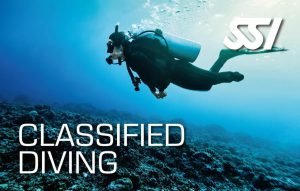
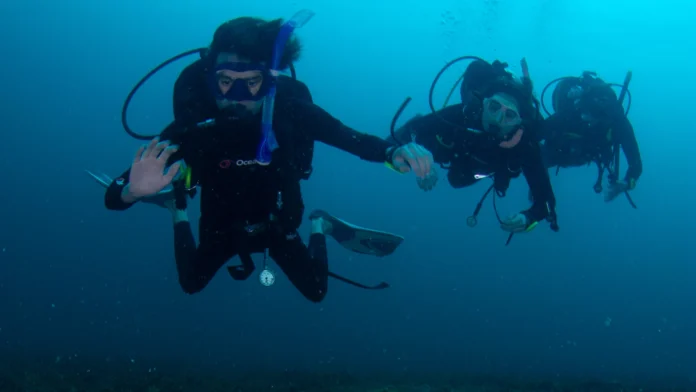
The SSI Classified Diving program has been created to enable persons with disabilities who might not be able to earn full certifications the ability to dive and get certified with different safety parameters. Learn to work with disabled divers.
Which BC Should You Use? Backplate & Wing or Jacket
News & OffersWhich BC Should You Use? Backplate & Wing or Jacket
Introduction
Choosing the right buoyancy compensator (BC/ BCD) can dramatically shape your underwater experience. You’ve probably heard of jacket-style BCs and backplate & wing (BP/W) setups, but what’s best for you? We’re diving into both options and exploring which BC should you use based on comfort, performance, and travel needs. At Ocean Tribe, we stock both—but for those seeking peak performance, we encourage trying backplate & wing—even from day one of your training. No pressure. Just options.
Jacket-Style BC
A jacket-style BC wraps around your torso like a life vest. Its air bladder encircles your chest, sides, and back. That design offers a sense of security and familiarity. Many divers rent these on holiday dive boats. They’re comfortable, with built-in pockets and integrated weight systems that hold accessories and diving essentials easily. This convenience makes them ideal for beginners who want simplicity and ease of use.
Jacket BCs are widely available at dive resorts and local shops, making gear rental quick and hassle-free . However, that bulk adds weight to travel luggage and increases drag in the water. The inflated bladder can push you upright, affecting trim, positioning you slightly vertical instead of horizontal. This while annoying underwater is beneficial at the surface. Plus, most jacket BCs aren’t modular: a broken buckle or bladder often means replacing the entire unit .
Pros & Cons (Jacket-Style BC)
Pros:
Comfortable and intuitive; easy to don and use.
Integrated pockets and weight system.
Cons:
Bulky and heavy—travel unfriendly.
Tends to push diver upright; harder to maintain trim.
Not modular—harder to repair or customize.
Backplate & Wing (BP/W)
Backplate & wing separates the system into modular parts: a rigid plate (usually steel or aluminum), a harness, and a bladder (wing) positioned behind your back . This design gives you a streamlined profile and superior trim, letting you glide horizontally through the water with less drag . Weight distribution is smarter too—you can use the backplate’s negative buoyancy and position trim weights for a balanced setup . And if something breaks, you replace that piece—not the whole BC .
Travelers especially love BP/W: choose an aluminum plate and compact wing, and it packs flat—ideal for carry-on luggage . Steel plate users get built‑in ballast and solid durability, though they carry extra weight . Some worry about setup complexity or lack of storage pockets, but once you fine-tune your harness and trim setup, that precision feels unbeatable .
If you’re a dive traveler, backplate & wing is a standout choice. Aluminum plates and compact wings fit neatly into carry-ons, cutting checked baggage size . They dry quickly and strip down easily, ideal for trips. Yes, steel plates add weight, but that smart ballast placement means less lead in your pockets overseas.
Which BC Should You Use?
If your goal is simplicity, rental‑ready gear, and comfort on every dive, a jacket‑style BC is a reliable, easy choice. It’s familiar, forgiving, and perfect for casual or resort diving.
But if you want precision trim, modular gear, travel efficiency, and performance that grows with your skills, give backplate & wing a go. It demands a little effort upfront, but the payoff is control and confidence underwater.
Our Take
Ocean Tribe stocks both systems as rental BCs. For peak performance, we recommend trying backplate & wing, even early in your dive journey. It’s not mandatory, just an invitation to experience a pro-level setup if it suits you.
Final Thoughts
So, when asking which BC should you use, remember: jackets bring comfort and familiarity; backplate & wing delivers performance, flexibility, and travel benefits. Try them. Experiment. Choose what enhances your dive—and we’ll support you either way.
Feature
Jacket-Style BC
Backplate & Wing (BP/W)
Comfort & Ease
Feels familiar and intuitive; easy to put on—great for beginners and resort rentals
Requires setup and harness adjustment, but once fitted it’s comfortable underwater ()
Storage & Pockets
Built-in pockets and weight systems for tools and accessories ()
Minimal storage; you’ll need extra pouches or belt accessories ()
Trim & Buoyancy Control
Inflated front bladder can push you upright—harder to maintain horizontal trim ()
Less flexible: components aren’t easily upgraded—break one, replace all ()
Highly modular: harness, wing, and plate are interchangeable and replaceable ()
Travel Friendliness
Bulkier and heavier, making packing for trips more challenging ()
Compact and lightweight: excellent for carry-on travel with aluminum plates ()
Durability & Longevity
More prone to failure; non-modular parts mean entire unit may need replacing ()
Built to last; fewer parts to break and easy to repair or replace ()
Cost
Affordable and widely available—ideal for beginners ()
Comparable or often cheaper in the long run; initial setup takes effort ()
Which BC should you use?
Choose a jacket-style BC if you value comfort, simplicity, rental availability, and integrated storage.
Go with backplate & wing if you care about trim, modularity, travel efficiency, and long-term gear flexibility.
Ocean Tribe offers both. While jackets are a reliable choice, we believe for optimal performance and progression, backplate & wing is worth trying, even at the start of your diving journey. No pressure—just exploration and support.
Teaching divers with disabilities is a two-way process. Instructors don’t just pass on skills. They develop new ones themselves. In fact, many dive professionals...