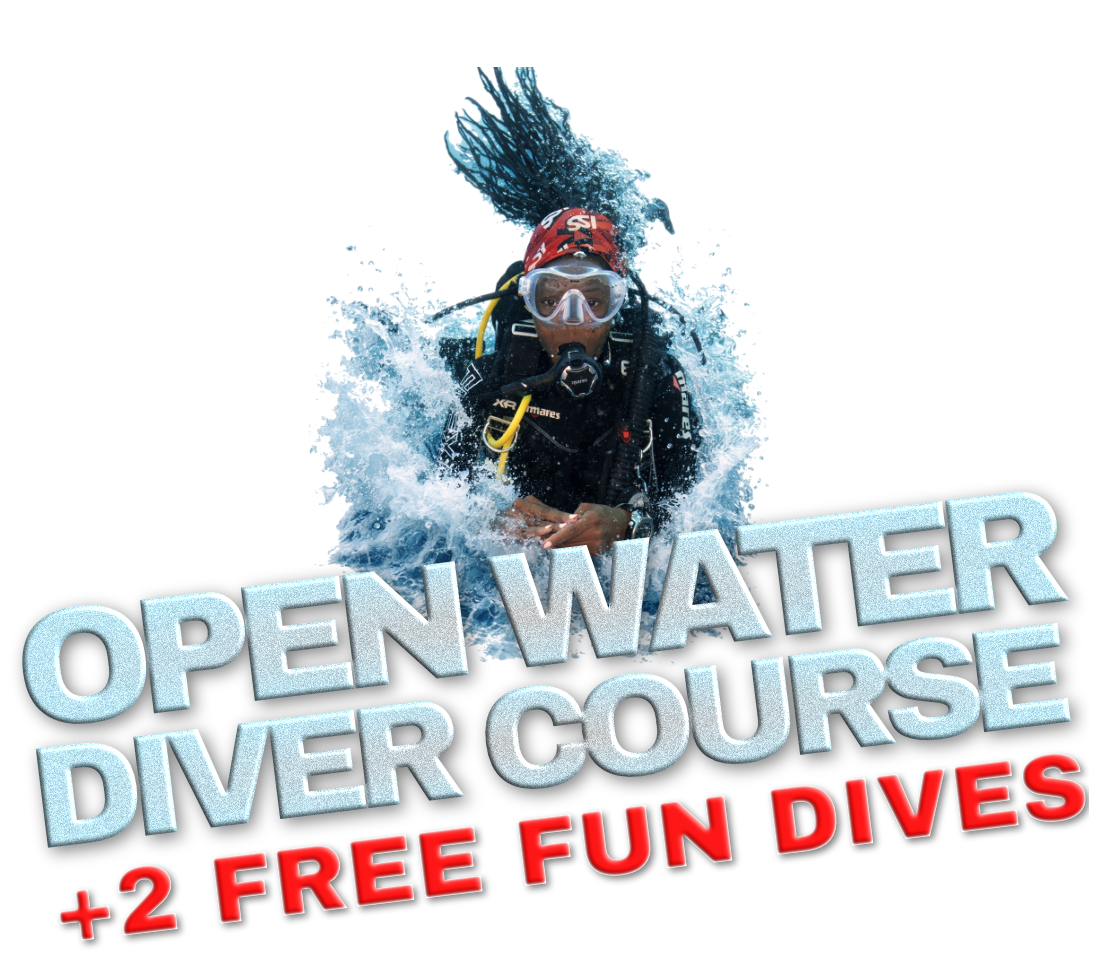
Completing your Open Water Diver course is just the beginning of your underwater journey. While your certification is valid worldwide, it doesn’t prepare you for every diving condition or situation. That’s why further dive training after Open Water—and consistently logging your dives—is absolutely essential.
Tropical Training Doesn’t Cover Every Scenario
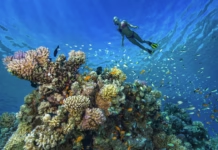
At Ocean Tribe, we train divers in the warm, calm waters of Kenya’s coral reefs. You learn to manage mild currents, occasional surge, and entry from a small dive boat using a back roll. These are good conditions for beginners—but the ocean doesn’t always stay this gentle.
Travel somewhere new, or even dive back home and you might encounter strong currents, low visibility, cold water, or unfamiliar equipment. These aren’t just variations—they’re challenges that demand new skills. Dry suit use, drift diving techniques, new equipment orientation. It could be anything.
Dive Logs Track Your Growth and Readiness
Think of your logbook as your diving resume. It doesn’t just prove experience—it shows how you’ve progressed, what conditions you’ve dived in, and which equipment you’ve used. Dive operators around the world will ask for your logged experience, especially before allowing you on advanced or technical dives.
More importantly, logging dives helps you. You build confidence by recording what went well, what didn’t, and what you learned. Over time, you see patterns, gain insights, and grow as a diver.
Training for New Environments Is Like Driving on Ice
Passing your driving test doesn’t mean you’re ready to handle icy roads or off-road tracks. Diving is the same. Want to use a dry suit? You’ll need actual training in a controlled setting. Never skip straight to the “event.” Further dive training and practice will help. Practise first, log your dives, and gain proficiency.
Even in the Tropics, Orientation Matters
Even if you dive again in warm waters, procedures can change. Different boats, dive sites, or currents require briefings and adaptation. Never assume everything will work like it did during your course. Ask questions, get an orientation, and always log the dive to reflect new conditions or techniques you encountered.
Practise. Log. Improve.
The more you practise, the more skilled and confident you become. The more dives you do refining your technique the better a diver you will become. Logging each dive lets you track that progress. Skip this step, and you lose valuable learning opportunities. Worse still, if something goes wrong, you won’t have a clear record of your dive habits or gear use.
Logging and Further Dive Training: The Perfect Combo
The best way to improve as a diver is to combine consistent dive logging with certain continuing education courses. Every new course teaches you skills that expand your comfort zone and prepare you for different environments. When you’re heading into new conditions or using unfamiliar equipment, this combination isn’t just helpful—it’s essential. You need both the training and the practice to build true competence.
So don’t stop at Open Water. Keep training, keep practising—and always log your dives. It’s the key to staying safe, gaining confidence, and becoming a truly capable diver, no matter where you dive next.