Home Blog Page 26

Try Scuba Diving (Pool Dive)

try scuba diving in a pool

Experience the thrill of breathing underwater with the SSI Try Scuba Diving program! This beginner-friendly session takes place in a safe, controlled swimming pool. You will learn basic scuba skills, practice using dive gear, and feel weightless underwater.

A certified SSI Professional will guide you every step of the way. No experience is needed—just bring your sense of adventure! This is the perfect way to see if you like scuba diving before committing to a full course.

Book your experience today and take your first breaths underwater!

If you like the pool then perhaps you would like to experience the ocean on the next segment of the Try Diving experience, The SSI Basic Diver program. Or perhaps you are hooked and want to earn your first scuba certification on the SSI Open Water Diver course.

DURATION

This experience takes around 3 hours from start to finish. Perfect for a half-day adventure in sunny Diani Beach!

WHO IS IT FOR?

New to scuba? This is for absolute beginners.

No swimming skills? No problem.

Minimum age: 8 years and above.

It’s ideal for anyone curious about diving but not yet ready for the open sea.

INCLUDED

  • Full set of rental scuba gear
  • SSI Try Scuba digital learning
  • Professional supervision by our certified SSI instructors
  • Pool session with confined water skills and fun time underwater
  • Drinking water and changing facilities on-site

ITINERARY

Step 1: Digital Learning

Start with a quick and engaging digital module through MySSI. It explains basic dive theory and safety. You can complete this in about 20 minutes before your session.

Step 2: Pool Introduction

Meet your instructor at our Diani Beach dive center. Get a safety briefing, gear up, and take your first breaths underwater in our confined pool environment. You’ll learn simple skills, float around weightlessly, and experience the joy of scuba.

Do I need to know how to swim?

No, swimming skills are not required. This pool-only session is designed for total beginners.

Can children participate?

Yes! Kids aged 8 and up can take part with parental consent.

What if I love it and want more?

Great! You can continue straight to the SSI Basic Diver or Open Water Diver course and start your scuba journey.

Is it safe?

Absolutely. We follow SSI’s high safety standards. All sessions are led by qualified instructors with years of experience.

Divemaster Course Schedule

Divemaster course schedule

Divemaster Course Schedule Overview

Starting your professional scuba journey is exciting, but it’s important to plan it well. This Divemaster course schedule shows a structured 14-day training program designed to cover all the core workshops, academic sessions, and dive leadership requirements.

Completing the course in 14 days is possible, but it is not always ideal. We recommend spreading your Divemaster training over a longer period if you can. Taking extra time gives you more practice, more real-world dive leadership experience, and a stronger foundation for your professional career. As well as logging more dives. However, if you are prepared and committed, this schedule represents the minimum timeline to complete a full Divemaster training program.

Graduating as a Divemaster also requires meeting a critical milestone—you must log at least 60 dives before certification. If you are short on dives when you begin, you should plan extra dive days or enroll in one of our Divemaster career internships. These internships are the perfect way to boost your experience, log more dives, and polish your skills in real-world diving operations.

Following this schedule will prepare you to lead dives, assist instructors, and work confidently in the dive industry. But remember, quality experience matters. Taking extra time to refine your abilities can make all the difference as you step into your new role as a dive professional.

Now, let’s dive into the detailed Divemaster course schedule.


Daily Schedule Outline

Start Time: 7:30 AM (dive days) or 9:00 AM (academic days)

Lunch Break: 12:30 PM – 1:30 PM

End Time: 5:00 PM


Full Divemaster Course Schedule

Day 1 – Welcome and Orientation

• 8:00 AM: Meet, Welcome, and Course Introduction

• 9:00 AM – 12:00 PM: Academic Session 1 | What is a Divemaster? (Lessons 1.1 – 1.4)

• 12:00 PM – 1:00 PM: Lunch

• 1:00 PM – 5:00 PM: Continue Academic Session 1

Day 2 – Dive Skills and Fitness Evaluation

• 7:30 AM – 12:00 PM: Candidate Water Fitness Evaluation + Pool Skills

• 12:00 PM – 1:00 PM: Lunch

• 1:00 PM – 5:00 PM: Academic Session 2 | Preparing for the Dive (Lessons 2.1 – 2.3)

Day 3 – First Boat Leadership Dive

• 7:30 AM – 12:30 PM: Assist and Lead Dives (First Leadership Dive Day)

• 12:30 PM – 1:30 PM: Lunch

• 1:30 PM – 5:00 PM: Continue Academic Session 2 (Lessons 2.4 – 2.6)

Day 4 – Dive Centre Operations and Practical Skills

• 9:00 AM – 12:00 PM: Dive Centre Operations Module

• 12:00 PM – 1:00 PM: Lunch

• 1:00 PM – 5:00 PM: Retail Skills, Rental Gear, and Weighting Workshops

Day 5 – Second Boat Leadership Dive

• 7:30 AM – 12:30 PM: Assist and Lead Dives (Second Leadership Dive Day)

• 12:30 PM – 1:30 PM: Lunch

• 1:30 PM – 5:00 PM: Academic Session 3 | Conducting the Dive (Lessons 3.1 – 3.3)

Day 6 – Equipment Maintenance and Academics

• 9:00 AM – 12:00 PM: Troubleshoot and Repair Equipment Workshop

• 12:00 PM – 1:00 PM: Lunch

• 1:00 PM – 5:00 PM: Continue Academic Session 3 (Lessons 3.4 – 3.5)

Day 7 – Third Boat Leadership Dive + Briefing Practice

• 7:30 AM – 12:30 PM: Assist and Lead Dives (Third Leadership Dive Day)

• 12:30 PM – 1:30 PM: Lunch

• 1:30 PM – 5:00 PM: Dive Briefing Evaluation

Day 8 – Rest Day

• Full day off to recharge

Day 9 – Dive Emergencies and Rescue Skills

• 9:00 AM – 12:00 PM: Academic Session 4 | Dive Emergencies (Lessons 4.1 – 4.3)

• 12:00 PM – 1:00 PM: Lunch

• 1:00 PM – 5:00 PM: Rescue Workshops (Panicked Diver, Stress Recognition)

Day 10 – Fourth Boat Leadership Dive + Deep Planning

• 7:30 AM – 12:30 PM: Assist and Lead Dives (Fourth Leadership Dive Day)

• 12:30 PM – 1:30 PM: Lunch

• 1:30 PM – 5:00 PM: Dive Guiding Evaluation Preparation for Deep Dive

Day 11 – Science of Diving (Theory 1)

• 9:00 AM – 12:00 PM: Diving Physics + Diving Physiology

• 12:00 PM – 1:00 PM: Lunch

• 1:00 PM – 5:00 PM: Decompression Theory + Dive Equipment Systems

Day 12 – Science of Diving (Theory 2)

• 9:00 AM – 12:00 PM: Aquatic Environment

• 12:00 PM – 1:00 PM: Lunch

• 1:00 PM – 5:00 PM: Science of Diving Exam and Review

Day 13 – Final Dive Guiding Evaluations

• 7:30 AM – 12:30 PM: Dive Guiding Evaluation | Open Water Dive

• 12:30 PM – 1:30 PM: Lunch

• 1:30 PM – 5:00 PM: Night Dive Planning and Pre-Briefing

• 6:30 PM – 9:00 PM: Dive Guiding Evaluation | Night Dive

Day 14 – Computer Diving Course + Graduation

• 9:00 AM – 12:00 PM: Computer Diving Course (Academic Sessions 1-3)

• 12:00 PM – 1:00 PM: Lunch

• 1:00 PM – 3:00 PM: Computer Diving Course (Academic Sessions 4-5)

• 3:00 PM – 5:00 PM: Dive Log Finalization and Graduation Ceremony


Summary Table: 14 Days At-A-Glance

DayMorningAfternoonSpecial
1Orientation + Academic 1Academic 1 continued
2Pool Fitness + SkillsAcademic 2
3Boat Dive 1Academic 2
4Dive Centre OpsRetail/Weighting Workshops
5Boat Dive 2Academic 3
6TroubleshootingAcademic 3
7Boat Dive 3Briefing Evaluation
8Rest Day
9Academic 4Rescue Skills
10Boat Dive 4Deep Dive Planning
11Science of Diving 1Science of Diving 1
12Science of Diving 2Science of Diving Exam
13Boat Dive 5Night Dive Prep + Night DiveNight Dive
14Computer Diving CourseGraduation Ceremony

Can You Scuba Dive with Asthma or Medical Conditions?

scuba diving with medical conditions

Are there Medical Conditions that Prevent You From Scuba Diving?

Can You Scuba Dive If You Have Asthma or Other Medical Conditions? Scuba diving opens the door to an incredible world beneath the surface. It’s peaceful, exciting, and unlike anything else. But if you have asthma or another medical condition, you might wonder if scuba diving is safe—or even possible.

The good news is that many people with medical conditions can still enjoy scuba diving. However, it depends on the specific condition, its severity, and how well it’s managed. Diving affects the body in unique ways, especially when it comes to pressure and breathing. That’s why medical clearance is so important.

But What About Asthma?

If you have asthma, diving isn’t automatically off the table. It depends on the type of asthma you have and what triggers it. For example, if your asthma is exercise-induced or worsens by cold air or stress, it may pose a higher risk underwater. But if it’s mild, well-controlled, and not triggered by diving conditions, many doctors will approve you to dive after a proper medical check.

How Does the Medical Screening Work?

Training agencies like SSI and PADI require you to complete a medical questionnaire before starting a course. If you answer “yes” to any condition—including asthma, diabetes, or heart issues—you’ll need to get a physician’s approval before diving. This is not just a formality. It’s a step that protects your safety and ensures you’re fit to dive under pressure. Download the medical form here.

Many divers with medical conditions dive safely every day. The key is honest communication, both with your doctor and your instructor. In some cases, a diving doctor may request further tests or recommend specific dive limits. With proper precautions, even those with chronic conditions can enjoy underwater experiences.

So, can you scuba dive with asthma or other medical issues? In many cases, yes. But you need to go through the right channels, get professional advice, and listen to your body. Always prioritize safety. When you do, you can turn your health limitations into manageable challenges—not barriers.

Scuba diving is for everyone who can dive safely, and with modern medicine and responsible training, that includes more people than ever before.

PADI Advanced Training Academy 2024

PADI Advanced Training Academy

Ocean Tribe is delighted to announce that on Wednesday 18th December 2024 we will be running the PADI EMEA Advanced Training Academy in Diani Beach, Kenya.

The program will run for 1 day from 8:30AM – 6:00PM

The PADI (EMEA) Advanced Training Academy consists of presentations/workshops, each to further develop new, inactive, inexperienced, or less confident PADI instructors, to empower them to become more confident and productive. While elements of the topics would have been delivered during the Instructor Development Course, the PADI EMEA Advanced Training Academy provides additional insight into these areas and is for participants (PADI OWSI and above) who already have a basic understanding of these topic areas. Presentations/workshops include:

  • Making the Most of the PADI Pros’ Site
  • Conducting a Successful PADI Rescue Diver Course
  • Conducting a Successful PADI Divemaster Course
  • PADI Risk Management and Best Practice

 ITINERARY

8:30am -Orientation

9:00am-  Workshop- Making the Most of the PADI Pros Site

11:00am- Workshop- Conducting a Successful PADI Rescue Diver Course

2:00pm- Workshop- Conducting a Successful PADI Divemaster Course

4:00pm- Workshop- PADI Risk Management and Best Practice

WHAT TO BRING

  • Laptop or Tablet with access to PADI Pros website
  • PADI Instructor Manual 2024
  • All Instructor cue cards
  • PADI Guide to Teaching
  • Phone/Tablet with the following apps installed
  • PADI App
  • PADI Training App
  • PADI Adventures App

A little more information

PADI Instructors who successfully complete the PADI EMEA Advanced Training Academy may submit a Program Completion Verification Form, signed by their Course Director, to PADI. Seminar credit will be given to instructors who submit the Program Completion Verification Form. This supports seminar credit needed when advancing PADI Instructor credentials.

The cost of the program is $99 per PADI professional

For those who would like to attend but are unable to, there will be an opportunity to complete the program online over 4 live sessions. These will be held on:

19/12/24- 2-3 pm – Orientation and Online Workshop- Making the Most of the PADI Pros Site

20/12/24- 2-3 pm – Online Workshop- Conducting a Successful PADI Rescue Diver Course

21/12/24- 2-3 pm – Online Workshop- Conducting a Successful PADI Divemaster Course

22/12/24- 2-3 pm – Online Workshop- PADI Risk Management and Best Practice

To sign up for the program please book online here or email idc@oceantribe.co  and if you have any questions for us in the meantime, please do not hesitate to contact us via email or WhatsApp.

New PADI IDC Dates for 2025

PADI IDC in Kenya 2025

Ocean Tribe PADI IDC dates for 2025 have now been released with 5 PADI IDCs scheduled for next year. These will be in March, April, June, September and November. If you don’t see a date that suits you then contact Ocean Tribe and we will try to arrange a PADI IDC that will suit you. Become a PADI Instructor in paradise with Africa’s top PADI Instructor Development team.

All IDCs are conducted by our resident PADI Course Director Mark Slingo and have loads of inclusions on top of the IDC. These include PADI Specialty Instructor training courses, African wildlife safaris, dive pro equipment discounts, and introductions to new areas of diving such as Sidemount and Full Face Diving. All PADI pro programs at Ocean Tribe include Adaptive Techniques where candidates learn to work with divers with disabilities and other special requirements.

For more information on the PADI Instructor Development Course and IDC options and internships at Ocean Tribe in Diani, Kenya. Please visit out dedicated IDC website at https://idc.oceantribe.co.

Mar

Apr

Jun

Sep

Nov

EFR Instructor Course

14 Mar

27 Apr

21 Jun

12 Sep

6 Dec

IDC Prep Course

1-2 Mar

12-13 Mar

8-9 Jun

30-31 Aug

23-24 Nov

PADI IDC (Dry Workshops)

3-7 Mar

16-20 Apr

10-14 Jun

1-4 Sep

25-29 Nov

PADI IDC (Practical Section)

8-16 Mar

21-29 Apr

15-22 Jun

5-14 Sep

30 Nov- 8 Dec

PADI Instructor Exam

17-18 Mar

30-31 Apr

23-24 Jun 

15-16 Sep

9-10 Dec

PADI Specialty Instructor Courses

20-23 Mar

2-4 May 

25-27 Jun

18-20 Sep

12-14 Dec

PADI IDC Staff Instructor

3-16 Mar

16-29 Apr

10-22 Jun

1-14 Sep

25 Nov- 8 Dec

Book Now

Book Now

Book Now

Book Now

Book Now

PADI Sidemount Diver Course in Kenya (NEW!)

PADI Sidemount Diver Course in Kenya

We are very excited to announce that we are offering the PADI Sidemount Diver course in Kenya at Ocean Tribe. From mid-December you will be able to be trained on sidemount, opening up a whole other side of diving for you. For the first program top PADI Sidemount Instructor Trainer, Platinum Course Director Gary Phillips will be travelling to Kenya to run the program.

What is Sidemount Diving

Normal scuba diving involves carrying a single cylinder on your back. This is back mount diving. Sidemount diving is simply a configuration where the tanks are arranged on your sides rather than your back. Sidemount diving can be used in sport, technical, and overhead environment diving and was originally developed by cave divers.

Sidemount divers often dive with two tanks attached in the water which can make gearing up easier. The tanks are attached to the diver’s harness with bungees or straps which can be easily removed or adjusted while diving.

In technical diving where multiple cylinders often have to be carried some believe that it is easier when using sidemount. You can move onto the PADI Tec Sidemount Diver course from the PADI Sidemount Course to learn how to mount at least 4 tanks for tech diving.

Sidemount diving is becoming increasingly popular around the world and is one of PADI’s best-selling specialty diver courses.

Reasons to Become a Sidemount Diver

So why should you try sidemount diving? It is a new diving configuration so is it for you? Below are a few good reasons to become a sidemount diver.

Streamlining

As divers, it is very important to be as streamlined as possible. When we see marine creatures underwater, we marvel at the speed they travel. This is because their streamlining has developed over millions of years of evolution. So how do we match it? 

The main problem is water is 800 times denser than air and not being streamlined can create drag which means you have to work harder to propel yourself, using more energy and your precious air. So even small things like having your feet slightly below the rest of your body can create significant drag requiring more effort to move.

What diving a sidemount configuration does is align the cylinders with your body and the direction of travel. This streamlining can make propulsion easier and your dive much more relaxed and comfortable.

Trim

Trim refers to the forward-to-back orientation of a diver and is usually referenced as; ‘in trim’, ‘head down’, or ‘feet down’. Getting the right trim is a basic diving requirement to move efficiently underwater. This is normally a good horizontal trim.

A good trim is achieved by having the correct weighting amount and positioning on your body, coupled with the correct positioning of gas in your BCD and dry suit (if you are wearing one). 

While it is perfectly possible to get a great trim in back mount diving 

(And also essential for good easy normal diving). Sidemount diving can make it easier due to the cylinder position at the sides of your body. This allows them to more closely align with your centres of gravity and buoyancy.

Balance

When you are diving with cylinders on your back, you have to use body tension to keep your balance when turning towards your sides. You often can feel unbalanced in these situations.

By contrast, when you are diving sidemount, the cylinders are mounted on either side of your chest and no matter what your orientation in the water, the centre of gravity is near the centre of your body and you are always balanced.

Stability

When you are stable when diving you can relax almost completely, whilst remaining with a good trim and balance. This makes you truly weightless and also a stable platform. From which you can perform tasks and skills in the same position in the water.

This can be incredibly important when doing some of the dives that sidemount is intended for such as overhead environments. You do not want to make contact with the floor of a wreck or cave and cause a silt out, or hurt yourself hitting overhead objects. Additionally, it is essential to be able to maintain good buoyancy for decompression stops and gas-switching tasks at specific depths, when using the configuration for tech diving.

I would just like to point out that good stability is perfectly achievable with backmount and many of us have achieved this with little difficulty. Some sidemount pros have pointed out that sidemount configurations can be easier to develop this skill in their opinions. See what you think.

Redundancy

One of the main benefits of sidemount is that enables you to carry more gas. It also provides you with a redundancy system in the event of equipment failure or diver error. This is a requirement for all technical diving. Sidemount can provide two independent gas supplies. While this has its pros and cons the redundancy feature of sidemount is a serious benefit.

Access to Tank Valves

When you are diving with a back mount configuration it can be hard to reach and impossible to see your cylinder valves, making it awkward to open and close them when geared up.

Sidemount allows you to have your valves in view, making it easier and quicker to identify and isolate any issues and easily open and close valves to switch gas supplies.

Managing Your Equipment

Sidemount gives you the option to don and doff equipment in the water (subject to water conditions). This can be of tremendous aid to divers who struggle to carry single or twinsets on land. This can aid those with back issues or with disabilities who find it easier to gear up in the water.

Additionally, sidemount also allows you to unclip tanks underwater and feed them through gaps ahead of you, enabling you as a diver to squeeze through smaller spaces. This can be very useful in cave or wreck diving.

New Challenges

You might not be looking to do technical training, or squeeze through tight overhead environments so should you still think of diving sidemount? I mean after all. It is not for everyone. Well if you like to learn new skills and embrace new challenges then yes for sure. 

Sidemount diving requires you to learn new skills that you don’t find in traditional back-mounted scuba diving. If you are like me and just want to learn as many skills as possible and keep yourself developing then this is definitely worth it.

New skills introduced include but are not limited to Managing more than one tank, new control of buoyancy and trim, and new equipment positions. What a challenge, which can be very rewarding.
What will Happen on the PADI Sidemount Diver Course?

Ok there is some PADI eLearning to complete as part of the knowledge development section of the PADI Sidemount Diver Course. During this and workshops with your PADI Instructor, you will learn about the theory of sidemount diving, as well as the gear configurations and equipment options that are available to you. You will also be introduced to

  • Benefits, and drawbacks of sidemount diving
  • Proper sidemount diving gas management
  • Buoyancy Control
  • Emergency procedures whilst sidemount diving

The PADI sidemount course practical part includes both confined and open water diver training. You will learn about the setup and donning of sidemount gear and then perform the following skills and exercises in the water

  • Equipment assembly and adjustment
  • Entry and exit with sidemount
  • Gas management
  • Buoyancy control
  • Underwater navigation on sidemount
  • Regulator Recovery
  • Emergency procedures.

You will make 3 open water dives on Sidemount over 1 or 2 days as part of the course following mastering the techniques in the pool.

Once all performance requirements have been met by you with regards to elearning, and confined and open water dives you will be issued with a PADI Sidemount Diver certification, indicating that you are qualified to use sidemount gear and dive a sidemount configuration.

How do I Book the PADI Sidemount Diver Course?

Click here to book your PADI Sidemount course now or contact us on WhatsApp to find out more about your options on the Sidemount program. 

You will need to be:

  • Open Water or higher qualified
  • At least 15 years old

I am a PADI Instructor. Can I become a Sidemount Instructor?

Yes, we can include the Sidemount Instructor training courses in a package for those PADI Instructors who complete PADI Sidemount diver training with us.

SSI Instructor Crossover Schedule

SSI Crossover schedule

Becoming an SSI Instructor through a crossover program is an exciting step in your professional diving career. At Ocean Tribe, we offer a flexible crossover schedule that can be completed in just four days. Candidates can choose to complete it over consecutive days, split it across two weekends, or even incorporate it into a full Instructor Training Course. The crossover schedule is customisable to meet the needs of each candidate.

Please note that the Instructor Evaluation (IE), which finalizes your SSI certification, is conducted separately and takes an additional one to two days depending on the number of participants.

Orientation Session

Your SSI Instructor Crossover journey begins with a short orientation session. During this time, you will receive your academic assignments and in-water presentation tasks. Instructors will explain the course expectations, set your goals, and ensure you understand the flow of the upcoming days.

The orientation is designed to be clear, efficient, and set a positive tone for the entire program. The total duration is 1.5 hours.

Day 1: Academic Foundations and Teaching Practice

The first full day of training dives straight into the academic content. You will review Academic Sessions 1 through 6, covering essential elements like the SSI teaching philosophy, standards, and systems.

In the afternoon, you move into your first teaching presentation. You will deliver an academic lesson based on the Open Water Diver course, practicing your ability to engage and educate future divers in a classroom setting.

Day one is a full training day, with a total duration of nine hours.

Day 2: Advanced Academics and Confined Water Skills

Day two builds on the academic base from the first day. You will continue the academic review, focusing on Sessions 7 to 10. These sessions deepen your understanding of SSI’s teaching methods and customer care systems.

After the academic work, you will transition into the pool or confined water environment. Here, you will deliver your first confined water teaching presentation, simulating how you would instruct Open Water Diver students during their initial skill development.

Day two is equally packed, with a total duration of nine hours.

Day 3: Rescue Skills and Emergency Training

The third day moves into more practical, real-world rescue scenarios. You will participate in a Diver Stress & Rescue workshop, refining your ability to manage emergencies in diving environments.

Following the workshop, you return to the pool for another teaching session. This time, the focus is on demonstrating and teaching emergency ascent skills, a vital competency for any Open Water Instructor.

Day three is slightly lighter, with a total duration of six hours.

Day 4: Open Water Skills and Final Evaluation

The final day of the SSI instructor crossover program shifts to the open water. You will conduct an open water teaching presentation, guiding your fellow candidates through real-world skill demonstrations.
After the practical open water work, you will complete your final written exams. These exams test your understanding of the SSI system, teaching standards, and professional responsibilities.

Finally, you will sit down for your overall performance review, receiving feedback on your strengths and the areas where you can continue to grow as an SSI Instructor.

The last day runs for a total of seven hours and brings your training portion of the crossover to a close.

Final Step: Instructor Evaluation (IE)

After successfully completing the crossover schedule, candidates must attend the Instructor Evaluation. This evaluation takes an additional one to two days and is required for final SSI Instructor certification.

How Deep Can You Dive With Basic Scuba Certification?

How deep can you dive

How Deep Can You Dive With a Basic Certification?

If you’re just starting your scuba diving journey, one of the first questions you’ll probably ask is: How deep can I dive with a basic certification? It’s a good question—and an important one.

When you complete an Open Water Diver course with a major agency like SSI or PADI, you earn your basic scuba certification. This certification gives you the freedom to dive anywhere in the world, but within safe limits. One of those limits is depth.

The 18-Meter Limit

With an Open Water certification, you can dive to a maximum depth of 18 meters, or about 60 feet. That might not sound very deep, but it’s more than enough to experience some of the best diving in the world. Reefs, wrecks, and marine life are often found in shallower water, especially in tropical regions. In fact, many certified divers spend most of their time between 10 and 18 meters.
The 18-meter limit isn’t just a rule—it’s based on science and safety. At this depth, you can enjoy longer dives without needing to worry about decompression stops. You also reduce the risk of nitrogen narcosis and other pressure-related issues that become more likely on deeper dives.

What If You’re Not Fully Certified Yet?

If you’re not ready for the full Open Water course, you can start with the Scuba Diver certification. This gives you access to a limited depth of 12 meters and always under the supervision of a professional. It’s a great way to ease into diving and build confidence before going deeper.

Going Deeper With Advanced Training

Once you’re comfortable in the water and want to explore beyond 18 meters, you have options. One popular next step is the Advanced Adventurer or Advanced Open Water course. This program typically includes a deep dive and raises your depth limit to 30 meters (100 feet), while also expanding your skills in areas like navigation or buoyancy control.
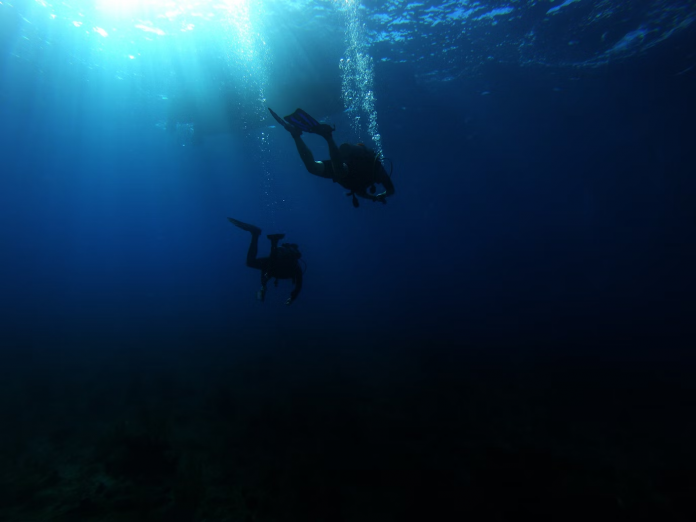
The Deep Diving Specialty: Down to 40 Meters

If your goal is to reach even deeper, consider the SSI Deep Diving specialty course. This standalone program is an alternative to the Advanced Adventurer and qualifies you to dive to 40 meters (130 feet). It focuses on deep dive planning, gas management, and the effects of depth on both your body and equipment. The Deep Diving course is ideal for divers who want to explore deeper wrecks, walls, or sites where marine life thrives beyond 30 meters.

By continuing your dive education, you open up an entirely new level of adventure—safely and with confidence.

Start with 18 Meters, Go as Deeper

For beginners, the 18-meter depth limit is more than enough to discover incredible dive sites. With further training and experience, the ocean gets deeper—and so does the adventure. Whether you stick to shallow coral gardens or eventually dive into the blue at 40 meters, your journey starts with that first certification.

Do I need a visa to travel to Kenya?

ETA do I need a visa for Kenya

For our dive and safari trips we are constantly asked “do I need a visa to travel to Kenya”. This question has become a little more confusing since Kenya introduced the eVisa earlier this year.

However the ETA is essentially the same as a visa. You need to apply for one before coming to Kenya. You also need to make sure you apply in the right place. 

Unfortunately there are many “agents” who have sprung up trying to get you to book through them. This is not necessary and can lose you money and also slow down the process.

So we have prepared the following guide below for our customers asking the question “do I need a visa to travel to Kenya?”.

Who needs a visa to travel to Kenya?

For the most current information on what nationalities need a eVisa, don’t need a visa or require a referral visa you can visit this page at the Kenya eCitizen Department of Immigration Services

How do I apply for a Kenya ETA?

  1. Go to the Kenya ETA Website
  2. Click on the red “Apply Now” button.
  3. Click on the green “Tourist and Visitors” button. 
  4. Read the instructions and click the green “continue” button.
  5. Check the conditions and then check the “I have read and agreed to the above” box. Click the green “continue” button.
  6. Click the “Individual Application” button.
  7. Select the country of residence and then click the green “continue” button.
  8. Follow the process to enter all of your passport and trip information.
  9. Confirm and proceed to the payment process.
  10. Pay Using visa card, Mastercard and other debit cards.
  11. Await approval via email, then download and print the eVisa from your eCitizen account.
  12. Present your printed eVisa to the immigration officer at the port of entry.

Note you should allow at least 3 working days to get your eVisa approved.

Kids Summer Activities in Kenya

PADI Kids scuba diving programs

For your kids summer activities in Kenya on this year’s summer holidays why not get them involved in scuba diving. For children as young as 8 years old, Ocean Tribe offer PADI scuba diving programs in Diani. 

As well as being a fun and adventurous summer activity. Scuba diving is also a wonderful way to introduce children to the underwater world and wondrous eco-system. This can lead to a lifelong hobby or even career choices in the fields of diving instruction, marine biology or conservation.

All PADI scuba diving programs for kids summer activities are well structured with worldwide-recognised certifications. So what programs are available?

Scuba Diving Programs for 8 and 9 Year Olds

PADI Bubblemaker

1 Hour Session

PADI Bubblemaker is a pool introduction to scuba diving with a PADI Instructor for kids aged 8-9. They will be introduced to the scuba equipment with a briefing with an instructor before getting into the water. They will then start blowing bubbles and learning what it is like to be on scuba in a controlled environment. The experience tends to last an hour or so.

Book the PADI Bubblemaker Experience

PADI Seal Team 

5 x 1 Hour Sessions

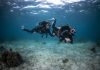
The PADI Seal Team provides a structured learning environment combined with enjoyable scuba activities. This stimulating program appeals to kids who crave adventure, seek the challenge of learning new skills and want to gain an appreciation for preserving the aquatic realm. They also earn credit towards their Junior Open Water Diver certification.
Book the PADI Seal Team Experience

PADI Master Seal Team

10 x 1 Hour Sessions

The PADI Master Seal Team is a program for kids that are already PADI Seal Team members or a PADI Junior Scuba Diver or part of the Junior Open Water Diver program. The PADI Seal Team provides a structured learning environment combined with enjoyable scuba activities. This stimulating program appeals to kids who crave adventure, seek the challenge of learning new skills and want to gain an appreciation for preserving the aquatic realm.

Book PADI Master Seal Team Experience

Scuba Diving Programs for 10+ Year Olds

PADI Discover Scuba Diving

1 Day

Discover Scuba Diving will let you try scuba to see if you like it. While not an actual scuba certification, during the discover scuba diving experience you’ll learn how to use scuba equipment in shallow water and get a quick and easy introduction to what it takes to explore the underwater world. This involves a short pool session with an instructor learning basic scuba skills, before 2 dives in the ocean.

Book the PADI Discover Scuba Diving Experience

PADI Junior Open Water Diver

3 Days

The PADI Open Water Course is the world’s most popular scuba course, and has introduced millions of people to the adventurous diving lifestyle. You breathe underwater for the first time (something you’ll never forget) and learn what you need to know to become a certified diver. During the course, you’ll make at least five pool dives and four dives at dive sites in Diani under the supervision of your Ocean Tribe Instructor. The rating can be automatically upgraded to full Open Water certification when the diver reaches 15 years old.

Book the PADI Junior Open Water Diver Course

Scuba Diving Programs for 12+ Year Olds

PADI Junior Advanced Open Water Diver

3 Days

The PADI Advanced Open Water Diver course builds on what you learned on the Open Water course, introducing new skills and extending the depth range to which you are permitted to dive. Unlike the Open Water course there is no confined water diving or classroom sessions, you are straight onto the boat in Diani after some independent study in your manual and diving. You must complete 5 adventure dives and the matching knowledge reviews in the PADI Advanced Open Water Manual to qualify as an Advanced Open Water Diver.

Book the PADI Junior Advanced Open Water Diver Course

PADI Junior Rescue Diver and Emergency First Responder

4 Days

Emergency First Response Primary & Secondary Care– Emergency First Response Primary Care (CPR) teaches participants how to respond to life-threatening emergencies. 

The course focuses on primary care through a combination of knowledge development, skill development and realistic scenario practice to make sure participants have the confidence in their ability to provide care when emergency situations arise. Emergency First Response Secondary Care (first aid) covers injuries or illnesses that are not immediately life threatening. 

Participants focus on secondary assessment and first aid through knowledge development, skill development and realistic scenario practice.

It is time for “Serious Fun.” Do you see yourself as a caring person and want to be able to help people. The PADI Junior Rescue Diver course teaches you the fundamental knowledge and skills to effectively assist a fellow diver in distress, co-ordinate dive accident scenario management and render appropriate first aid to a victim when necessary. The course takes three days to complete and follows on from the basic primary and secondary care training that you receive on the Emergency First Response course, which should be done prior to commencing a PADI Rescue Diver course.

Book the PADI Junior Rescue Diver Course

Learn to Dive Platinum Package

COURSE PACKAGES