Home Blog Page 27

Diani Beach FAQs – Everything You Need to Know Before You Go

Diani Beach Kenya

Diani Beach, Kenya’s top coastal destination, is famous for its white sandy beaches, turquoise waters, and endless adventure opportunities. Are you planning a relaxing getaway or an action-packed trip? Here are the most frequently asked questions about Diani Beach (FAQs)to help you plan your perfect vacation.


🏝️ General Information About Diani Beach

1. Where is Diani Beach located?

Diani Beach is on Kenya’s south coast, about 30 km (18 miles) south of Mombasa in Kwale County. It stretches along the Indian Ocean and is known for its stunning coastline, vibrant marine life, and laid-back atmosphere.

2. How do I get to Diani Beach?

There are several ways to reach Diani Beach:

  • By Air ✈️: The quickest way is flying into Ukunda Airport (Diani Airport) from Nairobi or Mombasa. Flights take about 1 hour from Nairobi.
  • By Road 🚗: From Mombasa, take a taxi, matatu (shared minibus), or private car via the Likoni Ferry. The journey takes about 1.5 to 2 hours.
  • By Train 🚆: The SGR (Standard Gauge Railway) from Nairobi to Mombasa is a convenient option, followed by a taxi to Diani Beach.

3. Is Diani Beach safe for tourists?

Yes, Diani Beach is considered one of Kenya’s safest destinations. However, always take basic precautions:

  • Avoid walking alone on the beach at night.
  • Use hotel transport or registered taxis.
  • Keep your valuables secure.

🌊 Beach & Water Activities

4. Can you swim in Diani Beach?

Absolutely! Diani Beach has warm, clear waters perfect for swimming. It is ideal for families due to the shallow shoreline and gentle waves make. But always be cautious of the tides.

5. What are the best water activities in Diani Beach?

Diani Beach is a watersports paradise! Popular activities include:

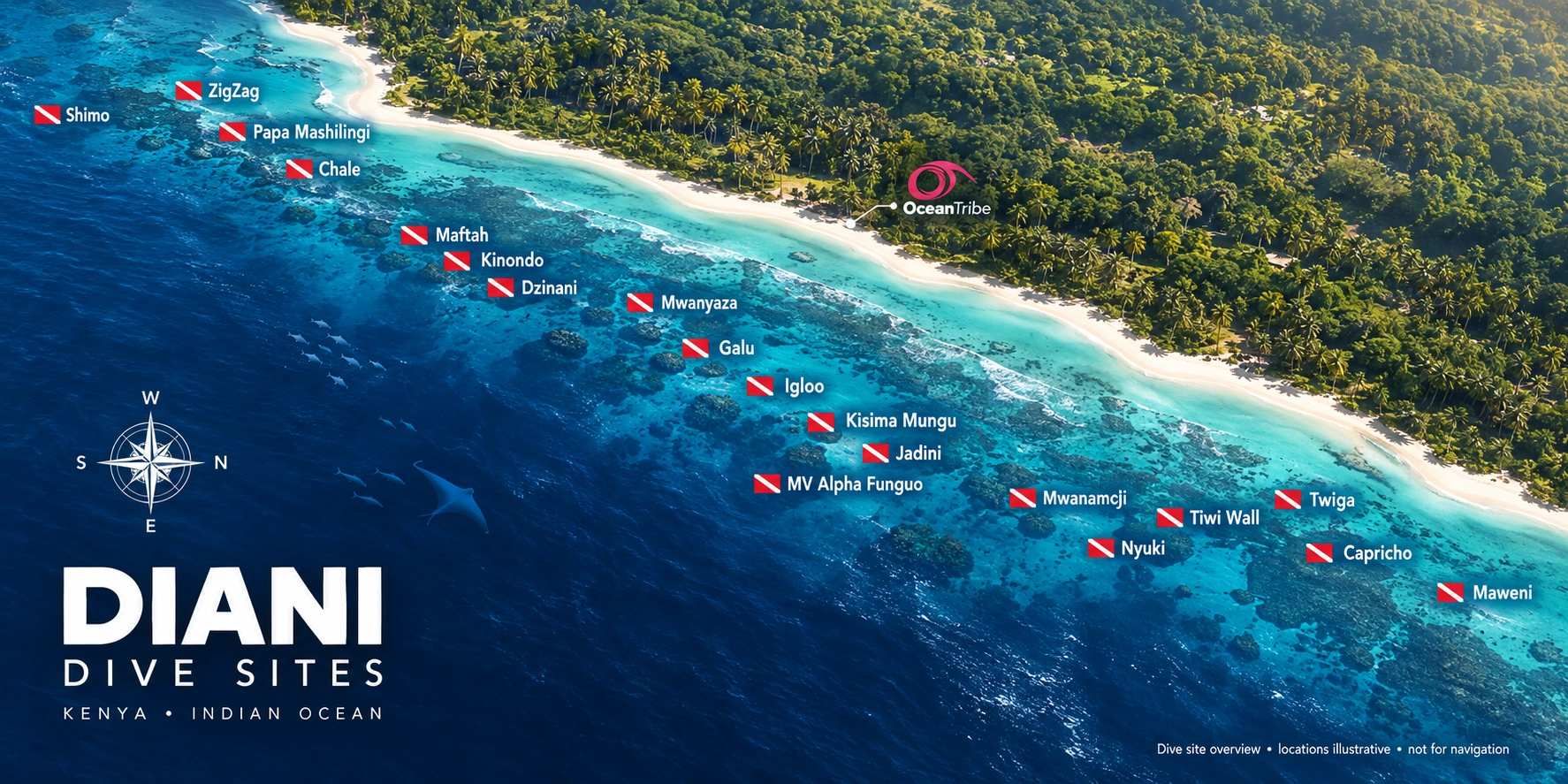
  • Scuba diving & snorkeling 🤿 – Explore vibrant coral reefs and marine life.
  • Kitesurfing & windsurfing 🏄‍♂️ – Enjoy perfect wind conditions for an adrenaline rush.
  • Deep-sea fishing 🎣 – Catch marlin, tuna, and sailfish.
  • Jet skiing & parasailing 🚤 – Experience high-speed fun on the ocean.
  • Dhow safaris & dolphin watching 🐬 – Take a traditional boat ride to spot dolphins.

6. When is the best time to visit Diani Beach?

The best time to visit is during the dry seasons:

  • December – March ☀️: Hot and sunny, ideal for beach lovers.
  • July – October 🌤️: Cooler weather, great for diving and safaris.

Avoid the rainy season from April – June when heavy rains can disrupt activities.


🏨 Accommodation & Dining

7. What are the best hotels and resorts in Diani Beach?

Diani offers accommodations ranging from luxury resorts to budget-friendly stays:
🏝️ Luxury: The Sands at Nomad, Almanara Villas, Swahili Beach Resort
🏝️ Mid-Range: Leopard Beach Resort, Baobab Beach Resort, The Zubeida
🏝️ Budget: Diani Backpackers, Pendo Villas, Soul Breeze Beach Resort

8. What food can I try in Diani Beach?

Diani has fantastic Swahili and seafood cuisine. Must-try dishes include:
🍛 Swahili Biriani – A rich, spiced rice and meat dish.
🐟 Grilled Seafood – Fresh fish, lobster, and calamari.
🥥 Coconut Beans & Chapati – A delicious vegetarian option.
🍢 Mishkaki – Spiced meat skewers.

Top restaurants to visit:

  • Ali Barbour’s Cave Restaurant – A unique dining experience inside a coral cave.
  • Salty Squid Bar & Restaurant – A perfect spot for beachfront dining.
  • Sails Beach Bar & Restaurant – Ideal for fresh seafood and a romantic atmosphere.

🐘 Wildlife & Excursions

9. Can I go on a safari from Diani Beach?

Yes! Diani Beach is close to several safari destinations:

  • Shimba Hills National Reserve 🐘 (45 minutes away) – Home to elephants and rare sable antelopes.
  • Tsavo East & Tsavo West National Parks 🦁 (3-4 hours) – Great for Big Five safaris.
  • Masai Mara 🦓 – Fly from Ukunda for a quick safari experience.

Check out our Dive and Safari Packages

10. Where can I see monkeys in Diani Beach?

Visit Colobus Conservation, a rescue center dedicated to protecting endangered colobus monkeys. You’ll also spot vervet monkeys and Sykes monkeys around hotels and beachside areas.


💰 Money & Travel Tips

11. What currency is used in Diani Beach?

The Kenyan Shilling (KES) is the local currency. Many places readily accept USD, EUR, and GBP; however, to ensure a smoother experience, it’s best to carry Kenyan Shillings (KES) for local purchases. Since smaller shops and markets may only take cash, having local currency on hand will make transactions easier and more convenient.

12. Do I need a visa to visit Diani Beach?

Most visitors need an eVisa, which can be applied for online at evisa.go.ke. Some nationalities qualify for visa-on-arrival services.

13. What’s the internet and mobile network like in Diani Beach?

Diani Beach has good mobile coverage with Safaricom and Airtel. Most hotels, cafes, and restaurants offer free WiFi.


🛍️ Shopping & Souvenirs

14. What souvenirs can I buy in Diani Beach?

Shop for handcrafted Kenyan souvenirs such as:
🖼️ Maasai jewelry – Beaded necklaces and bracelets.
🦁 Wood carvings – Handmade sculptures of African wildlife.
👜 Kikoy & Kitenge fabrics – Traditional Swahili clothing.
🐚 Seashell crafts – Unique ocean-inspired décor.

Visit the Diani Beach Art Gallery or the local markets for authentic gifts.


🔚 Final Travel Tips for Diani Beach

  • 🌞 Pack sunscreen, light clothing, and a hat – The sun is strong!
  • 🦟 Use mosquito repellent – Especially in the evenings.
  • 🚕 Use registered taxis or tuk-tuks – Safer and more reliable.
  • 💳 Carry some cash – Not all places accept cards.

Diani Beach is a tropical paradise offering relaxation, adventure, and unforgettable experiences. Whether you’re looking for thrilling activities or a peaceful escape, you’ll find it all here.
Ready to experience Diani Beach? Start planning your trip today! 🌊🏝️

Dive Agency Equivalent Certifications

Dive agency equivalent certifications
A diver checking in for scuba training
Dive agency equivalent certifications

Different badges.
The same ocean.

Find where your scuba qualification fits. Compare certification levels and plan your next course with Ocean Tribe in Diani Beach, Kenya.

7 training organisationsRecreational to instructorYour next step, made clearer
SSISSI
PADIPADI
SDISDI
NAUINAUI
RAIDRAID
CMASCMAS
BSACBSAC
The complete picture

Your certification. Across agencies.

Use SSI as the reference column, then compare the closest training level. Notes flag broader programmes, different course structures and ratings that need individual review.

10 training stages
Broad training-level comparisons. Names, privileges and prerequisites differ between organisations.
Training stageSSISSI referencePADIPADISDISDINAUINAUIRAIDRAIDCMASCMASBSACBSAC
Start divingTry diving experiencesA first taste of scubaTry Scuba / Basic DiverPool and ocean options have different scopes.Discover Scuba DivingIntroductory experience.Scuba DiscoveryIntroductory experience.Introduction to ScubaIntroductory programme.Try DiveIntroductory experience.Try Scuba / Introductory Scuba ExperienceProgramme scope varies.Try DiveIntroductory experience.
Start divingSupervised diverDive with qualified supervisionScuba DiverScuba DiverSupervised DiverNo direct match shownNAUI Scuba Diver / Open Water Scuba Diver belongs in the Open Water comparison.Scuba DiverCheck the conditions on your card.No direct match shownOne Star Diver belongs in the Open Water comparison.Discovery DiverA supervised qualification; distinct from Ocean Diver.
Start divingOpen Water DiverYour first autonomous diver qualificationOpen Water DiverOpen Water DiverOpen Water Scuba DiverOpen Water Scuba DiverOlder cards may say Scuba Diver.Open Water 20 / Open Water DiverUse the title and limits shown on your card.One Star DiverNational federation conditions may differ.Ocean DiverCheck qualification conditions and experience.
Continue divingAdvanced Open Water DiverBuild experience in different types of divingAdvanced Open Water DiverPreviously Advanced Adventurer. Older SSI AOWD recognition cards are different.Advanced Open Water DiverAdvanced Adventure DiverDifferent from the SDI Advanced Diver recognition.Advanced Open Water Scuba DiverOlder cards may say Advanced Scuba Diver.Explorer 30 / Advanced 35Related advanced programmes with different requirements.Two Star DiverBroader grade. Individual assessment.Sports DiverBroader grade including rescue elements.
Continue divingDiver Stress & RescuePrevent problems and respond effectivelyDiver Stress & RescueRescue DiverRescue DiverScuba Rescue DiverMaster Rescue DiverRescue Diver / Two Star DiverReview the federation syllabus and completed rescue training.Sports DiverReview the rescue training and experience completed.
RecognitionAdvanced Specialty DiverA recognition of specialty training and experienceAdvanced Specialty DiverFour qualifying specialties and 24 logged dives.No direct match shownReview individual specialties and logged dives.Advanced DiverFour specialties and 25 logged dives. Requirements differ.No direct match shownReview individual specialties and logged dives.No direct match shownReview individual specialties and logged dives.No direct match shownStar grades follow a different structure.No direct match shownBSAC grades follow a different structure.
RecognitionMaster DiverRecreational achievement, not a professional ratingMaster DiverRecognition requirements apply.Master Scuba DiverRecreational recognition.Master Scuba DiverRecognition requirements differ.Master Scuba DiverA course with its own training requirements.Master DiverRecognition requirements differ.No direct match shownThree Star Diver is a leadership grade.No direct match shownAdvanced Diver is a leadership grade.
Go proDivemaster / Dive leadershipLead certified divers and develop professional skillsDivemasterBuilt on Dive Guide plus Science of Diving requirements.DivemasterDivemasterDivemasterDivemasterThree Star Diver / DivemasterReview the grade and federation requirements.Dive LeaderReview experience and professional prerequisites.
Go proAssistant InstructorDevelop supervised teaching responsibilitiesAssistant InstructorLegacy Dive Control Specialist: ask for a rating review.Assistant InstructorAssistant InstructorAssistant InstructorRating review requiredSend your exact leadership or assistant-level card.Rating review requiredCMAS instructor grades are not assumed to match this level.Rating review requiredAssistant and legacy Club Instructor grades need review.
Go proOpen Water InstructorTeach within your agency authorisationsOpen Water InstructorOpen Water Scuba InstructorOpen Water Scuba Diver InstructorScuba InstructorOpen Circuit InstructorConfirm your exact instructor rating.CMAS InstructorGrade and teaching scope require review.Open Water InstructorReview active status and teaching scope.

Scroll across the chart to see every agency. The training stage stays in view.

Start divingTry diving experiences
SSI
Try Scuba / Basic DiverPool and ocean options have different scopes.
PADI
Discover Scuba DivingIntroductory experience.
SDI
Scuba DiscoveryIntroductory experience.
NAUI
Introduction to ScubaIntroductory programme.
RAID
Try DiveIntroductory experience.
CMAS
Try Scuba / Introductory Scuba ExperienceProgramme scope varies.
BSAC
Try DiveIntroductory experience.

These are introductory experiences. They do not replace an autonomous Open Water Diver certification.

Start divingSupervised diver
SSI
Scuba Diver
PADI
Scuba Diver
SDI
Supervised Diver
NAUI
No direct match shownNAUI Scuba Diver / Open Water Scuba Diver belongs in the Open Water comparison.
RAID
Scuba DiverCheck the conditions on your card.
CMAS
No direct match shownOne Star Diver belongs in the Open Water comparison.
BSAC
Discovery DiverA supervised qualification; distinct from Ocean Diver.

Supervised qualifications are a different level from Open Water Diver. Check the supervision and depth limits recorded by your training organisation.

Start divingOpen Water Diver
SSI
Open Water Diver
PADI
Open Water Diver
SDI
Open Water Scuba Diver
NAUI
Open Water Scuba DiverOlder cards may say Scuba Diver.
RAID
Open Water 20 / Open Water DiverUse the title and limits shown on your card.
CMAS
One Star DiverNational federation conditions may differ.
BSAC
Ocean DiverCheck qualification conditions and experience.

These are broadly comparable entry-level diver qualifications. Age, depth, conditions and supervision rules still follow your own certification and experience.

Continue divingAdvanced Open Water Diver
SSI
Advanced Open Water DiverPreviously Advanced Adventurer. Older SSI AOWD recognition cards are different.
PADI
Advanced Open Water Diver
SDI
Advanced Adventure DiverDifferent from the SDI Advanced Diver recognition.
NAUI
Advanced Open Water Scuba DiverOlder cards may say Advanced Scuba Diver.
RAID
Explorer 30 / Advanced 35Related advanced programmes with different requirements.
CMAS
Two Star DiverBroader grade. Individual assessment.
BSAC
Sports DiverBroader grade including rescue elements.

Advanced programmes do not all contain the same dives or teach to the same depth. CMAS Two Star and BSAC Sports Diver are broader grades, so the team reviews their training rather than treating them as identical courses.

Continue divingDiver Stress & Rescue
SSI
Diver Stress & Rescue
PADI
Rescue Diver
SDI
Rescue Diver
NAUI
Scuba Rescue Diver
RAID
Master Rescue Diver
CMAS
Rescue Diver / Two Star DiverReview the federation syllabus and completed rescue training.
BSAC
Sports DiverReview the rescue training and experience completed.

Rescue entry requirements, first-aid currency and practical training must be checked. A related broader grade does not automatically satisfy every requirement.

RecognitionAdvanced Specialty Diver
SSI
Advanced Specialty DiverFour qualifying specialties and 24 logged dives.
PADI
No direct match shownReview individual specialties and logged dives.
SDI
Advanced DiverFour specialties and 25 logged dives. Requirements differ.
NAUI
No direct match shownReview individual specialties and logged dives.
RAID
No direct match shownReview individual specialties and logged dives.
CMAS
No direct match shownStar grades follow a different structure.
BSAC
No direct match shownBSAC grades follow a different structure.

SSI Advanced Specialty Diver replaced SSI’s former Advanced Open Water Diver recognition. It is separate from the current five-dive Advanced Open Water Diver course. Similar recognition names do not mean identical requirements.

RecognitionMaster Diver
SSI
Master DiverRecognition requirements apply.
PADI
Master Scuba DiverRecreational recognition.
SDI
Master Scuba DiverRecognition requirements differ.
NAUI
Master Scuba DiverA course with its own training requirements.
RAID
Master DiverRecognition requirements differ.
CMAS
No direct match shownThree Star Diver is a leadership grade.
BSAC
No direct match shownAdvanced Diver is a leadership grade.

Master Diver and Master Scuba Diver are recreational achievements. They are not Divemaster qualifications. CMAS Three Star and BSAC Advanced Diver have leadership responsibilities and should not be treated as direct matches.

Go proDivemaster / Dive leadership
SSI
DivemasterBuilt on Dive Guide plus Science of Diving requirements.
PADI
Divemaster
SDI
Divemaster
NAUI
Divemaster
RAID
Divemaster
CMAS
Three Star Diver / DivemasterReview the grade and federation requirements.
BSAC
Dive LeaderReview experience and professional prerequisites.

Leadership grades can support an application for further professional training. Professional registration, assisting privileges, rescue competence and experience need individual review. SSI Dive Guide and Divemaster are distinct ratings.

Go proAssistant Instructor
SSI
Assistant InstructorLegacy Dive Control Specialist: ask for a rating review.
PADI
Assistant Instructor
SDI
Assistant Instructor
NAUI
Assistant Instructor
RAID
Rating review requiredSend your exact leadership or assistant-level card.
CMAS
Rating review requiredCMAS instructor grades are not assumed to match this level.
BSAC
Rating review requiredAssistant and legacy Club Instructor grades need review.

Assistant-level teaching permissions differ between agencies. Legacy ratings such as SSI Dive Control Specialist and BSAC Club Instructor need an individual review of the actual qualification and current status.

Go proOpen Water Instructor
SSI
Open Water Instructor
PADI
Open Water Scuba Instructor
SDI
Open Water Scuba Diver Instructor
NAUI
Scuba Instructor
RAID
Open Circuit InstructorConfirm your exact instructor rating.
CMAS
CMAS InstructorGrade and teaching scope require review.
BSAC
Open Water InstructorReview active status and teaching scope.

An instructor rating does not transfer automatically. Ocean Tribe reviews your current status and qualifications, then confirms the appropriate SSI crossover training and Instructor Evaluation requirements.

Read the card, not just the name

Similar levels.
Different requirements.

Changing training agency does not usually mean starting again. Your existing certification can support entry into an appropriate next course, once its prerequisites have been checked.

  • Supervised is different from autonomousA Scuba Diver qualification may require direct supervision. Open Water qualifications sit at a different training level. NAUI Scuba Diver and BSAC Ocean Diver belong with Open Water, not the supervised row.
  • Master Diver is different from DivemasterMaster Diver or Master Scuba Diver is a recreational achievement. Divemaster is a leadership qualification with additional responsibilities.
  • Older SSI cards need a closer lookThe former Advanced Adventurer course is now Advanced Open Water Diver. The older Advanced Open Water Diver recognition is now Advanced Specialty Diver. Check your training record if your card uses an older name.
  • Depth and experience still matterA comparable title does not change your depth limit or authorise unfamiliar activities. We review training, logged dives, age and any restrictions before recommending a course.
Understanding the stars

CMAS grades at a glance

CMAS national federations can adapt programmes. These are broad reference points rather than automatic transfers.

1★Entry-level diver training. Broadly comparable to Open Water.
2★Broader experienced-diver training. Review advanced and rescue content.
3★Dive leadership. Review against Dive Leader or Divemaster requirements.

What ISO levels tell you

ISO 24801 distinguishes supervised divers, autonomous divers and dive leaders. ISO 24802 describes instructor competencies. These standards help explain training categories; they do not award you another agency’s certification.

Explore CMAS training standards →
Keep moving forward

Your next adventure starts here.

Grow your diving skills

Explore advanced training, buoyancy, navigation and specialties that match the diving you want to do.

Explore advanced courses →

Build a professional career

Bring your current qualification and experience to a conversation about Divemaster or SSI instructor training.

Explore professional training →

Cross over as an instructor

Already qualified to teach? We review your rating and active status, then explain the SSI crossover and evaluation route.

Explore instructor crossovers →
Before you book

Your certification questions.

Can I take an SSI course with a PADI certification?

A recognised equivalent qualification can support entry into the appropriate SSI course. We also check the course’s other prerequisites, such as logged experience, minimum age, rescue training and first-aid requirements.

Will I automatically receive an equivalent SSI card?

No. This chart compares training levels. Receiving an SSI certification requires the applicable training, assessment and certification process. Instructor crossovers have their own requirements.

What if my certification is not listed?

Send us the agency, exact course title, certification date and your recent diving experience. Older cards, national federation grades and qualifications from other organisations can be reviewed individually.

Why does my qualification appear in more than one comparison?

Some programmes combine training that another agency separates into several courses. CMAS Two Star and BSAC Sports Diver are examples of broader grades. We review the actual training completed rather than assuming a one-to-one match.

Does Junior Open Water count as Open Water?

A junior qualification may sit at the same broad training stage, but age-related depth and supervision restrictions still apply. Tell us your age and the exact card you hold so we can confirm suitable diving and training.

Let’s find your next step

Bring your card.
We’ll help with the rest.

Send Ocean Tribe your certification details and latest logged-dive information. We’ll help you understand which course fits your experience.

Ask the Ocean Tribe team →

How Long Does It Take to Become a Dive Instructor?

how long to become a diving instructor

How Long Does It Take to Become a Dive Instructor?

If you’ve fallen in love with scuba diving, turning it into a career might feel like the next big step. Becoming a dive instructor is exciting, rewarding, and full of opportunities. But how long does it actually take?

It Depends on Where You Start

The answer depends on your current certification level. If you’re brand new to diving, the full path takes longer. You’ll need to move through each course step by step. That means starting with Open Water Diver, progressing to Advanced, then Rescue Diver, and finally reaching Divemaster.

Each of these certifications takes time and experience. You also need to log a certain number of dives. For SSI, that number is 100 before you can begin your Instructor Training Course (ITC).

A Flexible Journey

If you’re diving regularly and focused on your training, you could become an instructor in about six months to a year. Some people complete the journey faster by joining full-time internships or dedicated professional programs. Others take longer, especially if they’re diving part-time or only on holidays. The beauty of scuba is that it fits around your lifestyle.

The Instructor Course Itself

Once you’re ready, the Instructor Training Course typically lasts around two weeks. During that time, you’ll learn how to teach, manage student divers, and follow international standards. You’ll be evaluated on both classroom knowledge and in-water performance. It’s intensive, but incredibly rewarding.

What Happens After Certification?

After passing the final instructor exam/evaluation, you’re qualified to teach new divers and issue certifications. This opens doors to working in dive resorts, liveaboards, training centers, and more. You’ll be part of a global community, sharing your passion and helping others experience the underwater world.

So, How Long Does It Really Take?

For most people, the journey to instructor level takes several months to a year. It depends on how often you dive, how quickly you progress, and how much time you can dedicate to training. But if you’re committed and enthusiastic, you’ll get there—and it’s absolutely worth the effort.

How to Set Up Your SSI Digital Learning Account

SSI Digital Learning

Set up your SSI digital learning account to start your scuba diving journey with SSI? The first step is creating the account. It’s fast, easy, and gives you instant access to SSI’s eLearning platform. Whether you’re signing up for your first course or continuing your diving education, everything begins with registration.

Navigate to the SSI Website

To get started, visit the official SSI registration page to set up your SSI digital learning account, using this direct affiliation link: https://my.divessi.com/register/ref/772107

This link ensures you’re registered with Ocean Tribe, an SSI-affiliated dive center that can assign your courses, track your progress, and certify you when you’re ready. It also gives you local support from experienced dive professionals. If you are registering with another dive centre then leave off the number on the end.

Create Your SSI Digital Learning Account

Once on the registration page, fill in your personal details. Use your full legal name, as it will appear on your certifications. Choose a strong password and remember your login details—you’ll use them throughout your training.

You’ll also be asked for your email and phone number. Make sure they’re accurate, as this is how your dive center will contact you about course updates and scheduling.

Upload a Profile Photo

This step is important. You must upload a clear photo of yourself, similar to a passport photo. This image will appear on your digital certification card, so make sure it’s a good one. No sunglasses, hats, or distractions in the background.

Enter Your Full Address

Next, enter your complete home address. SSI requires this information to complete your profile and match your records across systems. Double-check everything before submitting.

Connect With Your Dive Center

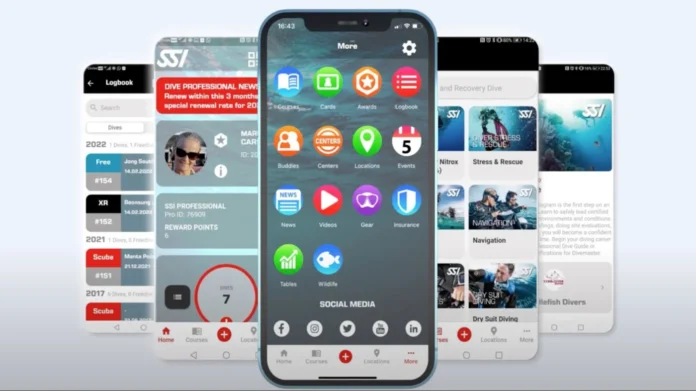
Once your profile is complete and linked to Ocean Tribe, your instructor can register you for the right SSI course. You’ll then receive access to the digital learning materials through the MySSI app or website. You can start studying right away—at your own pace, from anywhere in the world.

Download the MySSI App for iPhone or iPad

Download the MySSI App for Android

Begin Your Diving Journey Today

Setting up your SSI digital learning is quick and simple, but it’s also the start of something exciting. With Ocean Tribe as your training partner, you’ll get expert guidance, world-class materials, and a seamless path to becoming a certified diver. So don’t wait—sign up, dive in, and explore a whole new world beneath the surface.

Do I Need To Be Able to Swim to Scuba Dive?

Do I need to be able to swim to scuba dive?

“Do I need to be able to swim to scuba dive? The answer isn’t a straightforward yes or no. It depends on the type of scuba diving experience you’re looking for.

SWIMMING REQUIREMENTS FOR THE OPEN WATER COURSE

If you want an Open Water Diver license or scuba certification, the answer is yes. Entry-level courses require swim and floating tests to earn certification. On the Open Water Diver course this is a 200m swim and a 10 minute tread or float.

The swim requirement isn’t about swimming while scuba diving. This ensures your safety and your group’s by helping you stay afloat if you need to remove your equipment, including your BCD.

SWIMMING ON A TRY SCUBA EXPERIENCE

However if you are looking at doing a Try Scuba experience. It is not 100% necessary to be able to swim. You will be under the direct supervision within arm’s reach of an SSI Instructor. Your Instructor will teach you to kick properly using fins in the water. The rest of the time you will be neutrally buoyant underwater. We still recommend being able to swim prior to trying or learning to scuba dive. This will enhance your confidence and the experience for you.

Ocean Tribe generally will do the scuba diving experience for non-swimmers. In a swimming pool or an other shallow water area. If you then decide you really want to continue with scuba diving. We have professional swimming instructors on staff who can run programs to aid you to learn to swim.

DISABLED DIVERS

The exception to this rule is. Those people with disabilities taking part on one of our SSI Classified Diver level 3 diver programs. These divers will be taken through the water by 3 SSI dive professionals. The pros are experienced in working with divers with disabilities. Therefore, swimming for these participants is not required due to the added safety measures.

For people with disabilities who are wishing to scuba dive or try diving. Contact our SSI Instructor Trainer Mark who is a specialist in this field. You will be surprised how many “disabled”conditions are able to get in the water and experience the wonders of scuba diving.

Contact us at Ocean Tribe in Diani Beach today. For more information regarding swimming lessons. Or to book your Try Scuba Diving experience or Open Water or Scuba Diver course.

Can I Dive?- What to Know Before Scuba Diving

Can I dive? Things to know before scuba diving

CAN I DIVE? WHAT DO I NEED TO KNOW?

Scuba diving is an exciting and rewarding adventure, but it can be physically demanding. To stay safe, consider key factors before diving. Learn about the health and medical requirements for scuba diving here.

CAN I DIVE? SWIMMING REQUIREMENTS

As a general rule it is a good idea to be able to swim before undertaking scuba diving activities. Find out more about swimming requirements for dive programs here.

CAN I DIVE?- HEALTH REQUIREMENTS FOR SCUBA DIVING

Before scuba diving, you must complete a dive medical to determine if further assessment is needed. Below, you’ll find self-assessment questionnaires and physician forms to get started.

TRY DIVING & KIDS SCUBA COURSES

Complete the Try Diver Medical Statement & Questionnaire or Physician’s Approval to Dive to determine if you need a medical evaluation before scuba diving. Failing to complete this may prevent you from participating. If required, download and bring the Diver Medical Examiner’s Evaluation Form to your physician.

OPEN WATER DIVER STUDENTS

Review the Diver Medical Examiner’s Evaluation Form carefully. If you answer ‘yes’ to any health questions, you must take the completed form to your physician for medical clearance before starting your scuba diving course.

All participants training for an entry-level recreational diving certificate must be at least 10 years old. Divers under 18 require parental or guardian consent to begin training.

For divers under 12, please inform us before the course starts, as a private instructor will be required.

CERTIFIED DIVERS

Certified divers are not required to take a medical again prior to diving in Kenya. But we do advise that you only dive in good physical health. Abstain from alcohol and drugs before diving. Check if you are on any medication that is a contradiction to diving.

CONTINUING EDUCATION STUDENTS (ADVANCED, SPECIALTIES AND RESCUE DIVERS)

A medical evaluation is required for continuing scuba education. Print and bring the Diver Medical Examiner’s Evaluation Form to your physician. Without this, you may not be allowed to participate in your scuba diving course.

PROFESSIONAL DIVE COURSE STUDENTS

All students on Dive Guide, Divemaster, Instructor Training Course, Specialty Instructor Course or Assistant Instructor Trainer course. Must get a Diver Medical Examiner’s Evaluation Form filled out by a physician and bring it to their course. Failure to do so will mean you cannot participate in the program. SSI Pros are also required to have an annual dive medical to prove they are still fit to dive.


Completing the medical questionnaire accurately and honestly is essential for your safety while scuba diving. Many people underestimate the impact of medical conditions on diving or are unaware of potential risks. Failing to disclose health issues or providing false information can lead to serious injury or even death during a dive. Thoroughly completing the medical form is vital to protect both the diver and their group.

If it becomes clear during the activity that the medical form was completed incorrectly, either by omission or false statements, we reserve the right to prohibit participation in any scuba diving or snorkeling activities. The trip leader aboard the boat will have full discretion in these decisions.

All medical forms and information sheets are available in PDF format. If you don’t have Adobe Acrobat Reader, you can download it for free from Adobe.

For more details, check out our Frequently Asked Questions page or learn more about the process of starting your scuba diving journey.

CAN I DIVE?- DO I NEED INSURANCE FOR DIVING?

We highly recommend purchasing travel insurance to protect against trip cancellations due to illness, poor weather, travel delays, itinerary changes, lost luggage, or legal costs. However, most travel insurance policies do not cover diving accidents or related treatment and evacuation. For comprehensive scuba diving coverage, we suggest a dedicated policy like those offered by Dive Assure.

Dive Assure provides insurance specifically designed for divers, including coverage for overnight experiences. Their rider covers incidents such as flight delays or cancellations leading to missed departures, vessel mechanical issues, medical inability to dive, inclement weather, and named storms or cyclones. If you’re traveling during cyclone season (December to April), we strongly advise purchasing insurance well in advance that includes force majeure coverage for natural disasters.

Not all travel insurance policies cover scuba diving or water activities, so it’s essential to review policy details carefully. In the event of a medical emergency, evacuation, medical expenses, and vessel relocation costs are the financial responsibility of the customer.

For peace of mind, ensure your insurance covers all aspects of your diving adventure before your trip.

FLYING AFTER DIVING

Scuba diving regulations recommend waiting at least 12 hours before flying or going to altitude after a single no-decompression dive. For multiple dives, the recommended wait time is at least 24 hours to ensure safety.

SSI ITC Schedule- Instructor Course Calendar

SSI ITC Schedule
● SSI Professional Training Calendar

SSI ITC Schedule & Course Calendar 2026–2027

Plan your journey from dive professional to SSI Instructor. Compare Assistant Instructor, ITC, Instructor Evaluation and post-ITC development dates across 2026 and 2027.

View Course Dates
📅 Course calendar 2026 and 2027 dates included
📍 Main location Diani Beach, Kenya
🎓 Complete pathway Assistant Instructor through to IE
🌍 Flexible training Extra dates may be arranged on request

Choose the dates that fit your instructor journey

Ocean Tribe normally schedules an SSI Instructor Training Course every couple of months. Additional courses may also be arranged when candidate demand and trainer availability allow.

Each calendar block brings together the Assistant Instructor program, full Instructor Training Course, separate Instructor Evaluation and opportunities for further instructor development.

Candidates who want to shorten their time in Kenya may also be able to complete selected academic preparation, workshops and presentations online before arriving for practical training.

Five connected training stages

The coloured markers used throughout the calendars show how each program fits into the wider SSI instructor-development pathway.

🤿

Assistant Instructor

The first section of instructor development, focusing on academic and confined-water teaching.

🎓

Full ITC

The complete Instructor Training Course, including academic, confined-water and open-water development.

🏆

Instructor Evaluation

The separate SSI evaluation that verifies knowledge, demonstrations and teaching performance.

⭐

Specialty Instructor

Add instructor ratings and broaden the SSI programs you are qualified to teach.

🚀

Assistant Instructor Trainer

Advanced development for qualifying Divemaster Instructors progressing toward trainer status.

2026 ITC calendar

2026
2026 course block

March

Diani Beach, Kenya
Assistant Instructor 4–8 Mar
Full ITC 4–13 Mar
Instructor Evaluation 14–15 Mar
Specialty Instructor 18–19 Mar
Assistant Instructor Trainer 4–13 Mar
2026 course block

May

Diani Beach, Kenya
Assistant Instructor 4–8 May
Full ITC 4–13 May
Instructor Evaluation 14–15 May
Specialty Instructor 18–19 May
Assistant Instructor Trainer 4–13 May
2026 course block

July

Diani Beach, Kenya
Assistant Instructor 15–19 Jul
Full ITC 15–24 Jul
Instructor Evaluation 25–26 Jul
Specialty Instructor 29–30 Jul
Assistant Instructor Trainer 15–24 Jul
2026 course block

September

Diani Beach, Kenya
Assistant Instructor 4–8 Sep
Full ITC 4–13 Sep
Instructor Evaluation 14–15 Sep
Specialty Instructor 18–19 Sep
Assistant Instructor Trainer 4–13 Sep
Special overseas course

October

Siargao, Philippines
Assistant Instructor 19–23 Oct
Full ITC 24–29 Oct
Instructor Evaluation 30–31 Oct
Specialty Instructor 1–3 Nov
Assistant Instructor Trainer 19–29 Oct
2026 course block

Nov / Dec

Diani Beach, Kenya
Assistant Instructor 28 Nov–1 Dec
Full ITC 28 Nov–7 Dec
Instructor Evaluation 8–9 Dec
Specialty Instructor 12–13 Dec
Assistant Instructor Trainer 28 Nov–7 Dec

October 2026: This training block is scheduled at Ocean Tribe’s sister dive centre in Siargao, Philippines. The other 2026 sessions are scheduled in Diani Beach, Kenya.

2027 ITC calendar

2027
2027 course block

March

Diani Beach, Kenya
Assistant Instructor 4–8 Mar
Full ITC 4–13 Mar
Instructor Evaluation 14–15 Mar
Specialty Instructor 18–19 Mar
Assistant Instructor Trainer 4–13 Mar
2027 course block

May

Diani Beach, Kenya
Assistant Instructor 4–8 May
Full ITC 4–13 May
Instructor Evaluation 14–15 May
Specialty Instructor 18–19 May
Assistant Instructor Trainer 4–13 May
2027 course block

July

Diani Beach, Kenya
Assistant Instructor 15–19 Jul
Full ITC 15–24 Jul
Instructor Evaluation 25–26 Jul
Specialty Instructor 29–30 Jul
Assistant Instructor Trainer 15–24 Jul
2027 course block

September

Diani Beach, Kenya
Assistant Instructor 4–8 Sep
Full ITC 4–13 Sep
Instructor Evaluation 14–15 Sep
Specialty Instructor 18–19 Sep
Assistant Instructor Trainer 4–13 Sep
Details to be confirmed

October

Location to be confirmed
Assistant Instructor 19–23 Oct
Full ITC 24–29 Oct
Instructor Evaluation 30–31 Oct
Specialty Instructor 1–3 Nov
Assistant Instructor Trainer 19–29 Oct
2027 course block

Nov / Dec

Diani Beach, Kenya
Assistant Instructor 28 Nov–1 Dec
Full ITC 28 Nov–7 Dec
Instructor Evaluation 8–9 Dec
Specialty Instructor 12–13 Dec
Assistant Instructor Trainer 28 Nov–7 Dec

October 2027: The proposed dates are shown above, but the location and final session details remain subject to confirmation.

Not sure which dates or pathway you need?

Tell Ocean Tribe your current certification, logged dives and professional goal. The team can confirm the right course, dates and preparation for your instructor journey.

Entry-requirement review
Course-date guidance
Accommodation options
Equipment-package advice
Additional instructor ratings
Safari and travel planning

Typical ITC daily schedule

Open each day to see how academic workshops, skill development and practical teaching are combined throughout the program.

DAY
1
Orientation & Skills Refresh
  • ITC Orientation Session – approximately 1.5 hours
  • Science of Diving Workshop – approximately 3 hours
  • Open Water and Diver Stress & Rescue skills practice – approximately 4 hours
DAY
2
The SSI System & Skills Development
  • Overview of SSI – approximately 2 hours
  • Duties of an SSI Professional – approximately 1.5 hours
  • Open Water Diver and Scuba Skills Update workshop – approximately 4 hours
  • Candidate water-fitness evaluation – approximately 1.5 hours
DAY
3
Academic Presentations & Program Administration
  • Program Administration workshop – approximately 3 hours
  • Open Water Diver academic presentation – approximately 3 hours
  • Perfect Buoyancy or specialty presentation – approximately 2.5 hours
DAY
4
In-Water Teaching & Exams
  • Assistant Instructor Programs – approximately 3 hours
  • Open Water Diver pool presentation – approximately 2 hours
  • Perfect Buoyancy pool presentation – approximately 1 hour
  • Final exam and review – approximately 2 hours
  • Program and performance review – approximately 1 hour
DAY
5
Core Programs & Instructor Specialties
  • Open Water Diver Program – approximately 2 hours
  • Instructor Specialties – approximately 2 hours
  • Diver Stress & Rescue and Divemaster workshop – approximately 4 hours
DAY
6
Rest, Study & Catch-Up
  • Scheduled rest day
  • Make-up sessions if required
  • Study and presentation preparation
DAY
7
Rescue Teaching & Academic Presentations
  • Enriched Air Nitrox or Diver Stress & Rescue presentation – approximately 3 hours
  • Rescue Skills pool workshop – approximately 2 hours
  • Diver Stress & Rescue pool presentation – approximately 2 hours
DAY
8
Emergency Skills & Open-Water Training
  • Open Water Diver emergency-skill pool presentation – approximately 3 hours
  • Open Water Diver open-water presentation – approximately 4 hours
DAY
9
Dive Guide & the Business of Diving
  • Dive Guide academic presentation – approximately 3 hours
  • Dive briefing evaluation – approximately 1.5 hours
  • The Business of Diving – approximately 4 hours
DAY
10
Dive Guiding & Career Planning
  • Open-water dive-guiding evaluation – approximately 4 hours
  • Your Career with SSI – approximately 1.5 hours
DAY
11
Final Program & Performance Review
  • Final program review
  • Candidate performance review – approximately 2 hours
  • Final preparation guidance for the SSI Instructor Evaluation

Flexible professional-training options

💻

Online preparation

Complete suitable academic preparation and selected workshops before travelling for practical training.

📅

Additional dates

Extra ITCs may be arranged when there is sufficient demand and suitable trainer and evaluator availability.

🦁

Dive and safari options

Add extra diving, accommodation or an African safari to your instructor-training visit.

ITC calendar FAQs

Do I complete Assistant Instructor separately?

The Assistant Instructor program forms the first part of the full ITC. It can be completed as a standalone qualification or as part of the complete instructor course.

Is the Instructor Evaluation included in the ITC dates?

The Instructor Evaluation is a separate SSI evaluation conducted after the training course, so its dates are shown separately.

Where is the October 2026 course held?

The October 2026 course block is scheduled at Ocean Tribe’s sister dive centre in Siargao, Philippines.

Is the October 2027 location confirmed?

No. The proposed October 2027 dates are shown, but the location and final details remain subject to confirmation.

Can Ocean Tribe arrange another ITC date?

Additional courses may be possible when there is sufficient candidate demand and trainer and Instructor Certifier availability.

Choose your dates and start your instructor journey

Reserve your preferred 2026 or 2027 SSI Instructor Training Course and begin planning your professional training in Diani.

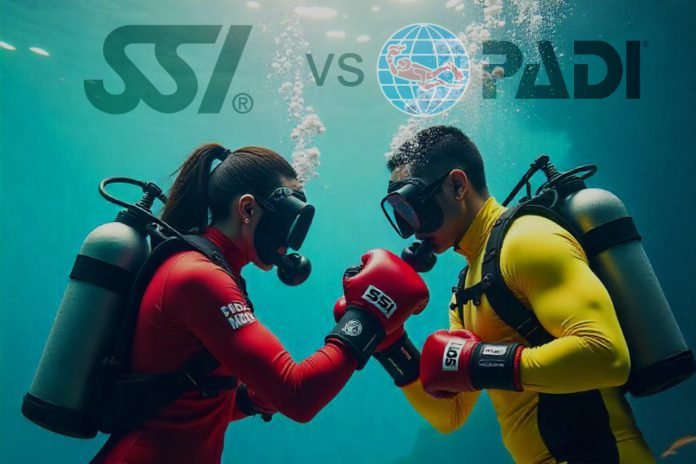
What are the Differences Between SSI and PADI? Which Training Organisation Should I Go With?

SSI Vs PADI
● Comparing Dive Training Organisations

SSI or PADI: Which Should You Choose?

Both organisations produce internationally recognised divers and instructors. The important differences are found in teaching structure, digital systems, professional affiliation and how you want to build your career.

🌍 Recognition Both are accepted internationally
✅ Certification Both require skill mastery
↔️ Progression You can move between agencies
👨‍🏫 Best advice Choose the instructor and centre carefully

There is no universally wrong choice

SSI and PADI are two of the world’s best-known recreational diver training organisations. Certifications from both are widely accepted by reputable dive centres around the world.

Both systems combine knowledge development, confined-water training and open-water experience. Both require students to meet the program’s performance requirements before certification.

The differences are mainly in how courses are structured and administered, how digital resources are delivered and how professionals operate within each system.

The logo on the certification card is not the whole story. The quality of your instructor, the dive centre, course duration, class size and amount of genuine in-water training matter enormously.
⚖️

Both can create excellent divers

A great instructor using either system can provide outstanding training. A rushed course using either system can provide a poor experience.

Look beyond the agency name and ask how the course will actually be taught.

Two established global training systems

SSI

Scuba Schools International

SSI uses a digital-first training system and works through affiliated SSI Training Centres. Its standards allow flexibility in how an instructor develops a student while still requiring every performance requirement to be completed.

  • Internationally recognised certifications.
  • MySSI digital learning, certifications and logbook.
  • Flexible student-centred teaching within SSI standards.
  • Experience-based diver recognition levels.
  • Professionals teach through eligible SSI Training Centres.
PADI

Professional Association of Diving Instructors

PADI has extensive global recognition and a highly structured course system. Its programs use defined training sequences and standardised educational materials available through PADI’s digital platforms.

  • Internationally recognised certifications.
  • Established digital learning and certification systems.
  • Highly standardised course structure.
  • Large worldwide network of dive centres and professionals.
  • Eligible professionals may operate independently or through a centre.

SSI and PADI side by side

Program details, fees and professional policies can change. Always check the current standards and package inclusions before enrolling.

AreaSSIPADI
International recognitionWidely recognised worldwideWidely recognised worldwide
Knowledge developmentDigital learning supported by instructor workshopsDigital learning supported by instructor workshops
Certification requirementsAll performance requirements must be masteredAll performance requirements must be mastered
Training sequenceGreater flexibility within current SSI standardsMore prescribed course progression
Digital ecosystemMySSI platform for learning, cards, logs and resourcesPADI digital platforms for learning, cards and diver services
Professional affiliationTeaching is conducted through an eligible SSI Training CentreEligible professionals may teach through a centre or independently
Instructor developmentInstructor Training Course and Instructor EvaluationInstructor Development Course and Instructor Examination
Switching agenciesPrevious equivalent certifications may support progressionPrevious equivalent certifications may support progression

Structure and flexibility

Both systems require safe training and mastery. The main difference is how much flexibility an instructor has when helping a student progress through the course.

🔄

SSI’s flexible approach

Within current SSI standards, instructors can adapt the teaching sequence and revisit a difficult skill after building the student’s comfort and confidence elsewhere.

📋

PADI’s structured approach

PADI courses follow a defined progression designed to create a consistent training format across its international network.

✅

Mastery is still required

Flexibility does not mean removing skills or lowering standards. Students with either organisation must complete the applicable performance requirements before certification.

🧑‍🎓

What matters to the student

A patient instructor should adapt explanations, provide appropriate practice and avoid certifying a diver before they are comfortable and capable.

How the main course levels compare

Course titles are not always identical, but receiving dive centres normally assess the equivalent certification level, experience and logged dives.

SSI Open Water Diver
↔
PADI Open Water Diver
SSI Advanced Open Water Diver
↔
PADI Advanced Open Water Diver
SSI Diver Stress & Rescue
↔
PADI Rescue Diver
SSI Divemaster
↔
PADI Divemaster
SSI Open Water Instructor
↔
PADI Open Water Scuba Instructor

ITC or IDC?

Both routes develop teaching knowledge and in-water instructional skills before a separate evaluation verifies that the candidate has met the required instructor standard.

SSI pathway

Instructor Training Course

The SSI ITC develops academic teaching, confined-water instruction, open-water teaching, standards knowledge and professional skills.

  • SSI Instructor Training Course.
  • Academic and in-water teaching presentations.
  • Demonstration-quality scuba and rescue skills.
  • Separate SSI Instructor Evaluation.
  • Teaching through an eligible SSI Training Centre.
PADI pathway

Instructor Development Course

The PADI IDC develops teaching presentations, standards knowledge, in-water instructional ability and preparation for the examination.

  • PADI Instructor Development Course.
  • Academic and in-water teaching presentations.
  • Demonstration-quality scuba and rescue skills.
  • Separate PADI Instructor Examination.
  • Professional options through centres or eligible independent teaching.

Professional-entry and crossover requirements can change. Confirm the current standards directly with the chosen training organisation and centre.

Ask better questions than “Which logo is best?”

👨‍🏫

Who is the instructor?

Ask about their experience, teaching style, reputation and how much personal coaching you will receive.

🏢

What is the dive centre like?

Consider safety standards, equipment condition, facilities, staffing and the centre’s commitment to quality training.

⏱️

Is there enough time?

Avoid selecting a course solely because it is the fastest. Good training includes time to practise and solve problems.

👥

How large is the group?

Smaller groups can allow more coaching, repetition and individual attention from the instructor.

💰

What is included?

Compare digital learning, equipment, certification fees, additional dives, evaluation costs and required materials.

🌍

What is your career plan?

Consider where you want to work, which centres operate there and what professional-development support is available.

Why Ocean Tribe chose SSI for instructor training

Ocean Tribe values SSI’s digital system, flexible educational approach, training-centre structure and clear professional-development pathway.

We believe these features allow us to provide strong value and student-focused training. That is our professional preference—not a claim that a PADI qualification is invalid or unrecognised.

Excellent professionals exist in both systems. The final quality of the course still depends heavily on the instructor, centre, preparation and candidate effort.

The real answer

Choose the course that gives you enough time, high-quality instruction, safe training conditions and the strongest support for your personal diving or career goals.

Whichever organisation you choose, become the kind of diver or instructor others can trust.

SSI versus PADI FAQs

Is an SSI certification accepted at PADI dive centres?

Yes. SSI and PADI certifications are widely recognised by reputable dive centres. The centre will normally check your certification level, experience, recent diving and logged dives.

Can I complete one level with SSI and the next with PADI?

Usually, yes. Equivalent certifications from recognised organisations can generally be used to enter the next appropriate training level, provided all other prerequisites are met.

Is SSI easier than PADI?

No. Both require the applicable knowledge and skills to be mastered. SSI may allow greater flexibility in the training sequence, but this does not remove performance requirements.

Which organisation is cheaper?

Course prices depend on location, digital materials, certification fees, course duration, inclusions and the dive centre. Compare the complete package rather than only the advertised starting price.

Can a PADI professional become an SSI professional?

A professional from another recognised organisation may be able to enter an SSI crossover or instructor-training route. Requirements change, so Ocean Tribe must review your current professional status, certifications and experience.

Which is better for becoming an instructor?

Both can lead to an international diving career. Compare the instructor trainer, amount of practical teaching, mentoring, evaluation preparation, total cost and career support.

Choose SSI? Train to become an instructor with Ocean Tribe

Complete your SSI Instructor Training Course in Diani and develop the knowledge, teaching ability and practical confidence required for your professional diving career.

View Course Dates

How Much does the SSI ITC Cost?

What does the SSI ITC Cost?
● SSI Instructor Training Packages

How Much Does the SSI ITC Cost?

Compare twelve clear instructor-training packages, from streamlined training-only options to complete packages with accommodation, professional development and your own dive equipment.

Compare Packages
💰 Packages start from US$2,099
🏆 Core qualification ITC and Instructor Evaluation included
⭐ Career development Five instructor specialties included
🤿 Choose your package Training, accommodation and gear options

Choose the level of support you need

Every Ocean Tribe ITC package gives you the complete instructor training experience. The difference between packages is whether you add the Divemaster Instructor Seminar, accommodation and an Essential or Elite professional equipment package.

This means you can choose streamlined training if you already have accommodation and equipment, or arrange almost everything through one complete package.

The Instructor Evaluation, digital materials and Instructor Crew Pack are included in the published packages, helping you budget without discovering major required course fees later.

The full Ocean Tribe instructor experience

These benefits are included across all twelve published ITC packages.

Informal one-week preparation program
SSI Instructor Training Course
SSI Instructor Evaluation
ITC Digital Learning and materials
SSI Instructor Crew Pack
Five SSI Instructor Specialties
Professional equipment-purchase rates
Ocean Tribe T-shirt
Ocean Tribe Dive Club membership
Introduction to Sidemount Diving
Resume workshop and professional CV photo
Career guidance and job-placement support
Early-booking safari offer
Instructor-development mentoring
No major required course fees hidden

Training packages

Ideal if you already own suitable equipment or want to use available training-only rental equipment.

From US$2,099
Training only

Bare Bones

$2,099 per person

The streamlined route for candidates who already have their accommodation and equipment arrangements.

  • Complete ITC package
  • Instructor Evaluation
  • Materials and Crew Pack
  • Five Instructor Specialties
  • Rental equipment available
  • Divemaster Instructor Seminar
  • Accommodation
  • Personal equipment pack
Training + DMIS

Properly Equipped

$2,599 per person

Add the Divemaster Instructor Seminar and prepare to train professionals further along the SSI pathway.

  • Complete ITC package
  • Instructor Evaluation
  • Materials and Crew Pack
  • Five Instructor Specialties
  • Divemaster Instructor Seminar
  • Rental equipment available
  • Accommodation
  • Personal equipment pack
Training + stay

Fully Loaded

$2,499 per person

Combine your ITC with arranged accommodation so you can focus completely on the training.

  • Complete ITC package
  • Instructor Evaluation
  • Materials and Crew Pack
  • Five Instructor Specialties
  • Accommodation included
  • Rental equipment available
  • Divemaster Instructor Seminar
  • Personal equipment pack

Training + Essential Gear

Begin your instructor career with a complete Essential Gear Pack selected from professional-quality equipment options.

From US$3,348
ITC + Essential Gear

Starter Pack

$3,348 per person

Complete your ITC and begin working with your own Essential professional dive-equipment package.

  • Complete ITC package
  • Instructor Evaluation
  • Five Instructor Specialties
  • Essential Gear Pack
  • Divemaster Instructor Seminar
  • Accommodation
ITC + DMIS + Gear

Dive Pro Pack

$3,848 per person

Add professional-level instructor development and a complete Essential Gear Pack.

  • Complete ITC package
  • Instructor Evaluation
  • Five Instructor Specialties
  • Divemaster Instructor Seminar
  • Essential Gear Pack
  • Accommodation
ITC + Stay + Gear

Resort Pack

$3,748 per person

Combine your training, accommodation and Essential Gear Pack into one convenient package.

  • Complete ITC package
  • Instructor Evaluation
  • Five Instructor Specialties
  • Accommodation included
  • Essential Gear Pack
  • Divemaster Instructor Seminar

Training + Elite Gear

Choose premium professional equipment designed for instructors who want a high-performance setup from the beginning.

From US$3,648
ITC + Elite Gear

Pro Elite

$3,648 per person

Complete instructor training with a premium Elite Gear Pack.

  • Complete ITC package
  • Instructor Evaluation
  • Five Instructor Specialties
  • Elite Gear Pack
  • Divemaster Instructor Seminar
  • Accommodation
ITC + DMIS + Elite Gear

Leadership Elite

$4,148 per person

Combine advanced professional development with premium dive equipment.

  • Complete ITC package
  • Instructor Evaluation
  • Five Instructor Specialties
  • Divemaster Instructor Seminar
  • Elite Gear Pack
  • Accommodation
ITC + Stay + Elite Gear

Ocean Elite

$4,048 per person

Add accommodation and premium equipment to your complete ITC.

  • Complete ITC package
  • Instructor Evaluation
  • Five Instructor Specialties
  • Accommodation included
  • Elite Gear Pack
  • Divemaster Instructor Seminar
ITC = Instructor Training Course IE = Instructor Evaluation DMIS = Divemaster Instructor Seminar

Package pricing and equipment availability can change. Ocean Tribe will confirm the current total, selected equipment, accommodation, eligibility and any applicable professional application fees before your booking is finalised.

What comes in the gear packages?

Choose from available equipment within the Essential or Elite package. Final models, sizes and colours depend on stock and suitability.

Essential Gear Pack

US$1,249 value

A complete professional starter setup from recognised dive-equipment brands.

  • BCD choice: Cressi Solid Plus, XDEEP Zeos or Mares Rock
  • Regulator choice with alternate and gauge
  • Mares Puck Lite dive computer
  • Ocean Tribe compass
  • Ocean Tribe 3mm wetsuit
  • Mask, fins and snorkel
  • Reel, DSMB and cutting tool

Elite Gear Pack

US$1,549 value

A premium professional setup with higher-performance BCD, regulator and computer options.

  • BCD choice: Cressi Aquawing, XDEEP Zen or Mares XR-Rec Trim
  • Premium regulator choice with console
  • Computer choice including Mares or selected Shearwater models
  • Ocean Tribe 3mm wetsuit
  • Mask, fins and snorkel
  • Reel, DSMB and cutting tool

Useful ITC bolt-ons

Add extra professional ratings, ecology programs or a safari to create the training experience that matches your goals.

🪪

SSI Professional Application

US$120

May apply to professionals crossing over from another organisation or SSI professionals not renewed for the current year.

⭐

Extra Specialty Instructor Rating

US$79

Add additional eligible Specialty Instructor seminars beyond the ratings included in your package.

🐢

Five Ecology Instructor Specialties

US$300

Broaden your environmental teaching portfolio with a package of ecology instructor ratings.

🎓

Divemaster Instructor Seminar

US$499

Includes selected instructor seminars such as Deep, Navigation, React Right, Night and Classified Diving.

🦁

Three-Day African Safari

US$399

Add a three-day, two-night safari after your training, subject to itinerary and availability.

🎁

Early-Booking Safari Offer

Free*

The safari may be included when qualifying ITC packages are booked at least eight weeks before the course.

Which ITC package is right for you?

The right option depends on the equipment you already own, whether you need accommodation and how quickly you want to progress toward Divemaster Instructor.

Review your existing equipment
Confirm accommodation needs
Plan your professional ratings
Consider long-term equipment value
Check crossover requirements
Confirm current stock and sizing

ITC package FAQs

Is the Instructor Evaluation included?

Yes. The published Ocean Tribe packages include the SSI Instructor Evaluation together with the ITC, digital materials and Instructor Crew Pack.

Are five Specialty Instructor ratings included?

The published packages include five SSI Instructor Specialties. Ocean Tribe will confirm the eligible specialty choices and any experience or student-level prerequisites that apply.

Do I need to buy an equipment package?

No. The four training packages allow you to use your own suitable equipment or available training rental equipment. Bring your own dive computer and wetsuit where required.

What is the Divemaster Instructor Seminar?

The DMIS adds selected instructor ratings and professional development that helps qualifying instructors progress toward training SSI Dive Guides and Divemasters.

Can I choose the equipment models?

You can choose from eligible package options, subject to stock, sizing, suitability and any price differences confirmed by Ocean Tribe.

Is the safari always free?

The free safari is an early-booking offer for qualifying packages booked at least four weeks before the course. Confirm availability and current offer conditions before booking.

Choose your ITC package and begin your instructor journey

From streamlined training to complete packages with accommodation, advanced development and professional equipment, there is an option for every instructor candidate.

What are the SSI ITC Prerequisites

SSI ITC Prerequisites
● SSI Instructor Training Course

Are You Ready for the SSI ITC?

Check the certifications, experience, medical documents and professional preparation required before beginning your SSI Instructor Training Course.

🎂 Minimum age 18 years old
🤿 Experience At least 100 logged dives
🎓 Professional level Divemaster or qualifying equivalent
📋 Medical clearance Signed within the previous 12 months

Get everything ready before your course begins

Meeting the SSI ITC prerequisites before arriving means you can focus fully on developing your teaching, presentation and student-management skills during the course.

If you trained through another recognised diving organisation, that does not normally prevent you from joining. Ocean Tribe can review your qualifications and confirm whether they meet SSI’s entry requirements.

Send the training team your certification history, number of logged dives and current medical information if you are unsure about your eligibility.

8 important checks

A quick eligibility check

You will need the correct professional certification, experience, specialty background, emergency training, medical clearance and supporting documentation.

If one item is missing, speak to Ocean Tribe. In many cases, the required training or experience can be completed before the ITC begins.

SSI ITC prerequisites

Candidates must meet the applicable SSI training standards and provide evidence of their certifications, experience and fitness to dive.

🎂

Minimum age

You must be at least 18 years old when entering the Instructor Training Course.

🎓

Professional certification

Hold an SSI Divemaster certification, or an eligible leadership-level or instructor-member certification in good standing from another recognised training organisation.

🤿

Logged dives

Have at least 100 logged open-water dives, with your dive history available for review.

🌙

Specialty experience

Provide documented experience in night diving, deep diving and underwater navigation.

💨

Enriched Air Nitrox

Hold a recognised Enriched Air Nitrox certification before beginning the ITC.

❤️

CPR and First Aid

Hold recognised CPR and First Aid training completed within the previous 24 months.

🩺

Medical clearance

Submit a physician-signed medical clearance completed within the previous 12 months, with no subsequent change in your medical condition.

📅

Certification history

You must have been a certified diver for at least six months.

100 minimum logged dives

Your logged dives should show variety

The number of dives is important, but an instructor candidate also needs experience across different conditions and training environments.

✓

Deep diving experience documented in your dive log.

✓

Night or limited-visibility diving experience documented in your dive log.

✓

Underwater navigation experience using natural and compass navigation.

✓

A complete and reviewable logbook, whether digital or paper based.

Documents to prepare

Gather everything before travelling so certification checks do not delay your training or Instructor Evaluation.

✓

Your SSI professional profile or equivalent professional certification details.

✓

Documentation for any non-SSI entry-level, advanced, rescue and leadership-level certifications.

✓

Evidence of your Enriched Air Nitrox certification.

✓

A current CPR and First Aid certificate completed within the previous 24 months.

✓

Your completed and physician-signed diver medical clearance from within the previous 12 months.

✓

Your dive log showing at least 100 dives and experience in deep, night and navigation diving.

✓

Any additional documents requested by SSI or Ocean Tribe following review of your professional training history.

Your qualifications may still be accepted

Leadership-level and instructor candidates from recognised recreational diver training organisations may be eligible to enter the SSI instructor pathway.

PADI NAUI SDI CMAS RAID Other recognised agencies

Send your training history

Qualification names and structures vary between organisations. Ocean Tribe will review your certifications and professional status to confirm the appropriate SSI route.

Depending on your existing qualification, you may need an orientation, crossover process or additional training before certification.

Ask About Your Eligibility

Meet the requirements? Start your instructor journey.

If your certifications, logged dives and documents are ready, choose your course dates and begin preparing for professional instructor training in Diani.

View Course Dates
Learn to Dive Platinum Package

COURSE PACKAGES