Home Blog Page 51

How Should I Prepare for My SSI ITC Instructor Training Course?

Properly prepare for the SSI ITC

How Should I Prepare for My SSI ITC- What Should I Do?

Being properly ready for your ITC will make it so much easier to complete in a stress-free manner and enable you to go to the IE all set. Below we include the best way to prepare for your SSI ITC including:

  • The study that be completed by you.
  • Digital Learning
  • SSI Training Standards
  • Dive theory you should get familiar with via the SSI Science of Diving and other specialty programs
  • SSI materials to study.

Complete SSI Instructor Training Course Digital Learning

The SSI Instructor Training Course digital learning component provides access to comprehensive training materials anytime, anywhere. It includes interactive lessons on dive theory, teaching techniques, and safety procedures. You’ll find videos, quizzes, and knowledge reviews to reinforce learning. This self-paced approach allows you to study at your convenience and be well-prepared for practical sessions. You need to complete this before the ITC to best prepare yourself.

Familiarise Yourself with the SSI Scuba Training Standards

Locate the SSI Scuba Training Standards in the “Courses” section of your MySSI app or through the MySSI website on a browser. You can also download a PDF file of the latest standards from the MySSI website in the “Downloads” section. Read the standards and familiarise yourself with where things can be found in the manual.

Go Over Your Dive Theory

Study your SSI Science of Diving Digital Learning and answer questions in the app. You can also use our dedicated ITC Learning Centre. This has informative videos, tips, and quizzes to help you prepare your dive theory. On booking the ITC you will receive access to our Online Classroom which has further preparation aids.

  • Dive planning and environmental considerations
  • Dive physics (e.g., buoyancy, pressure, gas laws)
  • Dive physiology (e.g., decompression sickness, narcosis)
  • Dive equipment
  • Decompression theory and dive tables/computers

Practice Your Dive Skills to Presentation Level

As an SSI Instructor, you will be required to demonstrate skills very slowly. This is so that the key attributes of the skill are easy to see and exaggerated.You should practice the following skills as much as possible to get them to demonstration level. SSI tips for this can be found in our online learning center and the Scuba Skills Review in the SSI Digital Learning on the SSI app.

  1. Equipment Assembly
  2. Buddy Check
  3. Deep Water Entry
  4. Buoyancy Check
  5. Regulator Clearing
  6. Regulator Retrieval
  7. Snorkel to regulator exchange 
  8. Partially flooded mask
  9. Fully Flooded Mask
  10. Mask remove and replace
  11. No mask breathing 
  12. Free-flow regulator breathing
  13. Neutral buoyancy Diving Position LPI
  14. Neutral buoyancy Diving Position Oral
  15. 5 Point descent
  16. 5 Point ascent
  17. Emergency Swimming Ascent
  18. Emergency Buoyant Ascent
  19. Remove and Replace Equipment on the surface
  20. Remove and Replace Equipment underwater
  21. Remove and replace weight system on the surface
  22. Remove and replace weight system underwater
  23. Unconscious diver on the surface
  24. Surfacing an unresponsive diver
  25. Reciprocal compass heading
  26. Exiting the unresponsive diver
  27. Rigging and using a lift bag
  28. Panicking diver on the surface. Surface approach
  29. Panicking diver on the surface. Underwater approach
  30. Panicking diver underwater

React Right CPR & First Aid Instructor Course

React Right CPR & First Aid Instructor Course

BECOME A CERTIFIED CPR & FIRST AID INSTRUCTOR

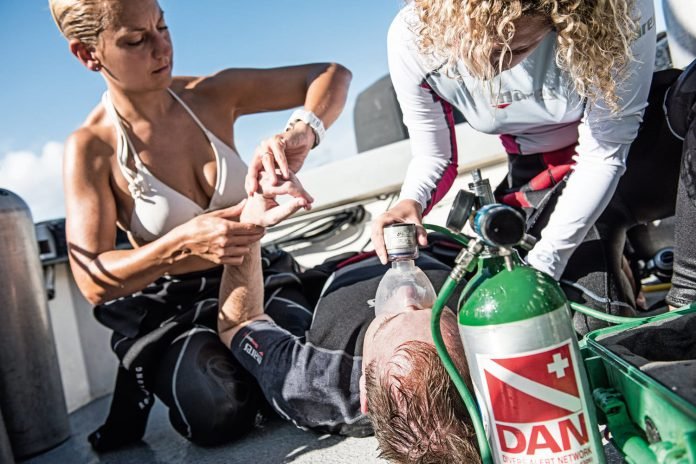
The SSI React Right CPR & First Aid Instructor Course equips you with the skills to teach life-saving techniques to both divers and non-divers. Throughout the course, you’ll learn essential emergency response methods, including CPR, first aid, AED use, and oxygen administration. As a result, you’ll be fully prepared to handle any diving or non-diving emergency with confidence.

Why Take This Course?

✅ Gain professional-level first aid training
✅ Teach essential CPR and emergency response skills
✅ Open new career opportunities inside and outside the dive industry
✅ Help make diving safer for everyone

What You’ll Learn To Teach

✔ How to assess emergency situations
✔ Proper CPR techniques and first aid response
✔ Using an Automated External Defibrillator (AED)
✔ Administering emergency oxygen
✔ Teaching skills to certify new first responders

Who Can Join the SSI React Right CPR & First Aid Instructor Course?

This course is perfect for:

🔹 Divemasters and Instructors who want to enhance their teaching skills and combine them with Diver Stress & Rescue training.
🔹 Rescue Divers ready to take the next step in their professional journey.
🔹 Anyone passionate about emergency response training and eager to learn life-saving skills.

No matter your background, this course helps you grow, gain expertise, and make a difference!

Start Teaching & Make a Difference

As a React Right Instructor, you’ll be qualified to train divers, professionals, and everyday people in emergency response. This skill is valuable anywhere in the world, making you a more versatile and in-demand instructor.

Take the first step in your professional dive career and become an SSI React Right CPR & First Aid Instructor today!

What is the Required Scuba Diving Equipment for the SSI ITC?

Required Scuba Diving Equipment

You need to know the required scuba diving equipment for the SSI ITC and indeed throughout your scuba diving career.

SSI Instructors are required to wear specific equipment (not missing any) when they are teaching SSI programs. They are also required to have teaching items.

During the SSI ITC and SSI IE you will be expected to have the required scuba diving equipment when you are giving your teaching presentations.

While it is possible to hire the required dive gear from Ocean Tribe, as a dive professional you really should invest in your own set of scuba equipment. As the tools of the trade and something you will be working with day-in-day-out. We offer extreme discounts on dive gear from X-Deep, Shearwater, Oceanic, Hollis,  Aqualung, Scubapro, Fourth Element, and Beaver to our go-pro dive students. We can also advise on the best equipment to get as a dive professional starting out.

WHAT IS THE REQUIRED SCUBA DIVING EQUIPMENT FOR THE SSI ITC?

  • BC
  • Regulator 1st & 2nd Stage
  • Alternate Air Source (Octopus or Air2)
  • Depth Gauge
  • SPG
  • Dive Computer/Timing Device
  • Compass
  • Cutting Tool
  • Mask
  • Snorkel
  • Fins
  • Exposure Suit
  • SMB & Reel
  • Surface Signalling Device – Visual/Audible

EXTRA EQUIPMENT REQUIRED

  • Measuring Tape (can be used in water)
  • Pocket Mask
  • Calculator
  • Good quality rope for demonstrating knot-tying

What are the SSI ITC Required Materials?

SSI ITC required materials

Being properly prepared for your instructor training course includes having the SSI ITC required materials. You don’t want to have to waste time and effort during the ITC searching for things you need to complete it. Below is a list of the SSI required materials as well as other things you will definitely need during the program to complete it and be prepared for the SSI IE and your future dive instructor career.

THE SSI ITC REQUIRED MATERIALS ARE:

  • SSI Instructor Training Course Digital Learning
  • SSI Recreational Scuba Pro Wetnotes
  • Dive Briefing & Dive Guide Evaluation Slate
  • SSI Digital Instructor Kit
    • Includes digital manuals, standards, and teaching guides
    • Covers Open Water Diver, Advanced Adventurer, Rescue, and Specialty programs
  • SSI Professional Total Teaching System
    • Digital access to SSI’s training standards and teaching tools
    • Instructor manual, academic presentations, and student materials

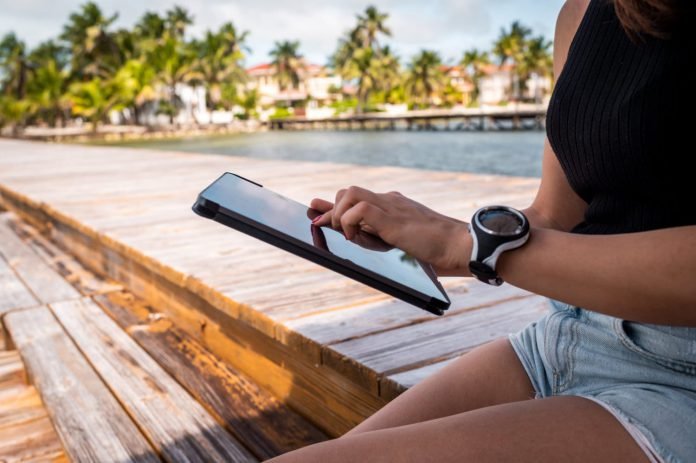
We include all of the SSI ITC materials in our ITC packages so you do not have to worry if you will be missing anything. One thing that you do need will be a laptop or tablet. It is too hard to access everything quickly from a mobile phone.

In addition to the required scuba equipment which you can find the complete list of here. You should also bring standard study materials, power points, water bottle and anything else you think you might need. You will need all of your certification details (and copies of any from other training agencies). You should also have a current medical signed by a doctor.
New Loyalty Scheme to Reward Frequent Divers

Ocean Tribe Reward frequent divers in Kenya

Ocean Tribe are extremely excited to announce that we are launching a new loyalty scheme,Ocean Tribe Rewards to reward frequent divers, who book multiple courses or dive trips withOcean Tribe. Every time you make a booking withOcean Tribe you can accumulateOcean Tribe Doubloons.

Once you have saved enough doubloons you can redeem from a list of Kenya dive trips to the national marine parks and PADI dive courses. We don’t limit who can use the doubloons either, you can use the credit to make a booking for anyone for example a family or friend. Want to pay for a PADI Discover Scuba Dive for a family member to try scuba diving? Use yourOcean Tribe doubloons to pay for it. Check out the full list of Ocean Tribe Rewards on the portal page.

Sound good? Register  as an Ocean Tribe crew member today and start earning doubloons for diving rewards.


Crossing Over to PADI From Another Diver Training Organisation

The PADI Diver system

Crossing over to PADI is necessary if you already have a diver certification prior to diving with or starting a course with Ocean Tribe, but it is from a diver training organisation other than PADI. PADI recognises a majority of certifications from other organisations and gives you credit for them prior to starting a course. To find out what course you can enrol on with your certification from another diver training organisation then check out the different organisations below.

National Association of Underwater Instructors (NAUI) Certifications Crossing Over to PADI

Current NAUI Certification

PADI Equivalent Certification

PADI Course to enrol on

Scuba Diver Open Water Diver Advanced Open Water
Advanced Scuba Diver Advanced Open Water Rescue Diver
Master Scuba Diver Rescue Diver Divemaster
Divemaster Divemaster IDC
Instructor Instructor IDC

Scuba Schools International (SSI) Certifications Crossing Over to PADI

Current SSI Certification

PADI Equivalent Certification

PADI Course to enrol on

Open Water Diver Open Water Diver Advanced Open Water
Advanced Open WaterDiver Advanced Open Water Rescue Diver
Search and Rescue Techniques Rescue Diver Divemaster*
Master Diver Rescue Diver Divemaster*
Dive Con Divemaster IDC
Instructor/ Dive Con Instructor Instructor IDC

*After assessment of Rescue Diver Skills

British Sub Aqua Club (BSAC) Certifications Crossing Over to PADI

Current BSAC Certification

PADI Equivalent Certification

PADI Course to enrol on

Ocean Diver/ Club Diver Open Water Diver Advanced Open Water
Sport Diver Open Water Diver Advanced Open Water
Sport Diver with 20+ dives Advanced Open Water Diver Rescue Diver
Dive Leader Rescue Diver Divemaster
Advanced Diver Rescue Diver Divemaster or Assistant Instructor
Club Instructor Instructor IDC
Open Water Instructor Instructor IDC
Advanced Instructor Instructor IDC

Confédération Mondiale des Activités Subaquatiques (CMAS) Certifications Crossing Over to PADI

Current CMAS Certification

PADI Equivalent Certification

PADI Course to enrol on

1 Star Diver Open Water Diver Advanced Open Water
2 Star Diver (with verification of night and navigation dive) Rescue Diver Divemaster
3 Star Diver Rescue Diver Divemaster or IDC
1 Star Instructor Divemaster Divemaster
2 Star Instructor Instructor PADI Instructor Orientation Course

Sub Aqua Association (SAA) Certifications Crossing Over to PADI

Current SAA Certification

PADI Equivalent Certification

PADI Course to enrol on

Club Diver Open Water Diver Advanced Open Water
Club Diver (20+ Dives and experience in deep and navigation diving) Advanced Open Water Diver Rescue Diver
Dive Leader with 20+ dives Advanced Open Water Diver Rescue Diver
Dive Leader (with Diver Rescue) Rescue Diver Divemaster
Dive Supervisor (with Diver Rescue) Divemaster Assistant Instructor
Assistant and Club Instructor (with Diver Rescue) Divemaster IDC
Regional Instructor Instructor PADI Instructor Orientation Course

Scuba Diving International (SDI) Certifications Crossing Over to PADI

Current SDI Certification

PADI Equivalent Certification

PADI Course to enrol on

Open Water Open Water Diver Advanced Open Water
Advanced Diver Advanced Open Water Rescue Diver
Rescue Diver Rescue Diver Divemaster
Divemaster Divemaster IDC
Instructor Instructor IDC

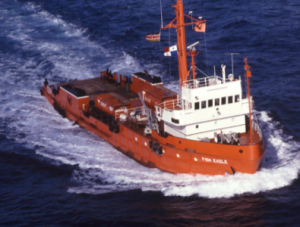
Ship to be sunk as a new artificial reef in Mombasa Marine Park

MV Fish Eagle Kenya

New Wreck Dive in Kenya

MV Fish Eagle KenyaBuccaneer Diving’s resident marine biologist Sander Den Haring has posted via the Project AWARE websitethat there is to be a new artificial reef in Mombasa Marine Park as the MV Fish Eagle a multi-purpose vessel has come to the end of its topside life and rather than being sold for scrap, is being utilised further and sunk to form a hopefully great artificial reef and wreck diving site.

The MPV Fish Eagle has been working along the coast of East Africa for over 45 years. The 53m long vessel will first be cleaned out to make it safer for wreck divers and environmentally friendly and will then be sunk. The exact position of sinking has yet to be determined but the date for sinking has been provisionally set for the weekend of 26-27 October 2013. Once more details are available from Sander I will post them up on here but this is tremendously exciting news for Kenyan diving and we look forward to adding another great dive site to the already existing ones in East Africa. Find out more about Kenya wreck diving in this article about the MV Dania and a cool video of her sinking in 2003.

Do I have to complete my diving internship in one go?

diving internship

FAQ- Do I have to complete my diving internship in one go?

We understand that you might have arrangements that might not permit you to remain in one place for an extended period of time and as such we try to be as flexible as we can with the scuba diving internships.

If for any reason you want to schedule a gap in your scuba diving internship such as to return home for Christmas or go travelling around on your GAP year and then come back to complete the training, then it is surely possible to arrange this with us.

We do like to have as much notice as possible so that we can arrange it and certain events like the PADI IDC Instructor Development Course are only run at periodical times so you would need to check when you are scheduled to be taking this and plan accordingly.

You should also bear in mind that you will also need to log a certain amount of dives to qualify for certain ratings. These include:

Dive Course Pre-requisite Logged Dives

We can plan your internship with you to ensure that you meet these requirements. To be honest most interns leave with way more dives than the bare minimum required so this is not normally an issue. The dive center location on Kilifi creek and the fact that we can dive our house reef straight from shore means that you should find getting lots of diving in an easy task.

If you wish to schedule a break in your training for example to travel around the mainland Africa during your Gap year or going and doing other projects in-between then this is absolutely possible. The system can be adapted for you and our scuba diving internship coordinators will work with you to ensure hat you complete your training a a leisurely pace and have an enjoyable and worthwhile experience.

How can I find a diving job following completing my dive internship?

best job in the world

The Ocean Tribe has a wide range of contacts to help you find a diving job once you graduate from the PADI Divemaster internship or PADI instructor internship as a scuba diving professional. Throughout network of staff diving contacts and former interns we have dive connections in a number of countries around the world and have sent interns in the past to work in such places as Tanzania, Thailand, Cyprus. Malaysia, Indonesia, Egypt, Cayman Islands, Turks and Caicos, Australia, New Zealand, Philippines, Cambodia, USA, Mexico, Galápagos Islands, UK, Spain, Greece, Jordan, Bahrain,the UAE, Sri Lanka and other exciting places.

Following graduation from your dive internship program we offer a number of workshops to interns to help them find a job in scuba diving. These include a CV (resume) writing workshop, a job searching and email contact workshop, a website building and social media interaction workshop to help you market yourself as a PADI pro and we can also train you in further education courses such as PADI specialty instructor training courses and Disabled Divers International instructor courses to further what qualifications you can offer a dive business.

We appreciate that enrolling on a dive internship is a big investment so obviously you would like to see a return on your investment, so we really put effort into making sure that you are prepared to find a dive job and to to give you as many contacts and connections as possible to do so.

For those of you who are on a GAP year then here is a chance to earn back the money that you have spent on the internship and see more of the world as you work your way in scuba diving, while for those of you making a career change then all skills you can ring to the table such as marketing, management, and languages can assist you in finding jobs in the scuba diving industry and living the dream.

Just to give you an idea of the types of diving job that are available out there. You can work as a diving instructor or Divemaster at a shore dive center or on a liveaboard dive vessel where you stay on the boat and travel to further dive sites. You can work with scuba equipment manufacturers or as a freelance diving instructor in certain areas giving you a carte Blanche to travel. Dive centres also need administration staff and watersports directors and boat captains as well as equipment technicians. We can help you to train in many of these area and make yourself as employable to a dive business as possible.

What are the dive internship age restrictions?

dive internship

The question of how old do you have to be to do a diving internship is one we get asked a lot. There are very few dive internship age restrictions. The only ones that really matter are the PADI regulation that you must be at least 18 years old to start the PADI Divemaster course. However it is quite possible to begin all of the non-professional programs before you are 18 and if you sign up for a Divemaster internship or Instructor internship then you can complete all of the non-professional segments before your 18th birthday which should provide some reassurance for those of you who are taking a GAP year but are not yet 18.

There are no other age restrictions on the internships, such as a maximum age. Indeed you do not have to be a young whippersnapper to enjoy scuba diving. I know of a number of instructors who are still working into their 60s and a few weeks ago taught a lady in her mid 70s to scuba dive. As long as you are certified by a doctor as medically fit to dive then there is no reason why you cannot dive and take part in our internships and become a PADI pro.

We have a wide range of age demographics of interns from young guys on their gap years to older people enjoying career breaks or making a career change for the tropical diving job in the sun. You will make loads of friends here from around the world and have the opportunity to work in awesome locations after you qualify. Ready to sign up? Check out our fantastic range of scuba diving internship packages.

Learn to Dive Platinum Package

COURSE PACKAGES