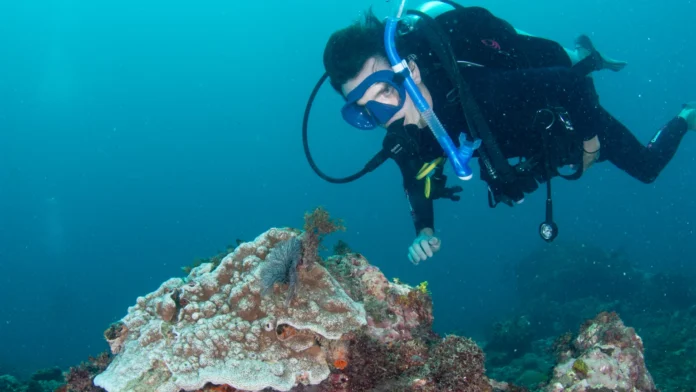
Scuba diving isn’t just a sport. It’s increasingly recognised as a powerful therapeutic tool. For individuals recovering from trauma, injury, or chronic stress, the underwater world offers a unique pathway to healing.
Whether it’s military veterans managing PTSD, individuals overcoming physical injuries and disabilities, or anyone seeking relief from anxiety, scuba diving therapy is making waves as an effective and transformative practice.
What Is Scuba Diving Therapy?
Scuba diving therapy involves using diving activities to support physical rehabilitation, mental health, and emotional well-being. It’s not a standalone medical treatment—but it’s a highly effective complement to conventional therapy, particularly for:
- Post-Traumatic Stress Disorder (PTSD)
- Anxiety and depression
- Physical disabilities or paralysis
- Chronic stress and burnout
Programs offering therapeutic diving often use structured scuba courses tailored to the participant’s needs, either with modified equipment, adaptive techniques, or psychological support integrated into the experience.
Scientific Benefits: Mental and Physical Gains
Studies have shown that scuba diving can offer a range of therapeutic benefits:
- Reduced anxiety and improved mood: Controlled breathing and immersion in nature activate the parasympathetic nervous system, lowering stress levels.
- Mindfulness and presence: Underwater, divers must focus on breathing and body awareness, similar to meditation or yoga.
- Pain relief and mobility: Water’s buoyancy reduces joint strain, making it easier to move. This is especially beneficial for those with limited mobility or recovering from injury.
- Increased confidence and social connection: Completing dives in a supportive group setting fosters a sense of achievement and community.
A 2017 study published in the Journal of Disability and Rehabilitation found that military veterans participating in diving programs reported significant psychological improvements, including reduced PTSD symptoms, better sleep, and enhanced self-esteem.
Real-World Programs Helping People Heal
Several organizations worldwide are making scuba diving therapy accessible:
- Deptherapy (UK): A UK-based charity providing specially adapted scuba diving programs for injured military veterans. Participants often begin with basic scuba and progress toward certifications in supportive group settings.
- SUDS – Soldiers Undertaking Disabled Scuba (USA): Based in North Carolina, this nonprofit introduces wounded, ill, and injured service members to diving as part of their rehabilitation.
- HSA – Handicapped Scuba Association: Operating globally, HSA offers adaptive scuba training for people with a wide range of physical challenges.
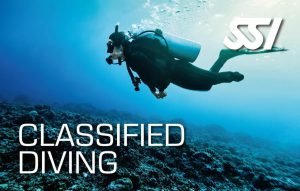
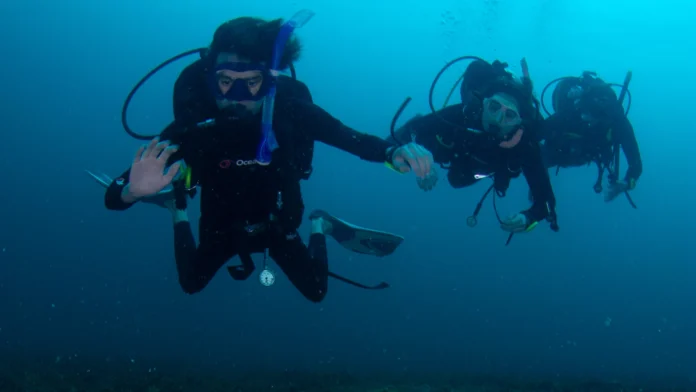
- SSI Classified Diver Program: This training system allows individuals with disabilities to dive safely with one or more dive buddies trained to assist them. It is available at select SSI centres—including Ocean Tribe.
These programs are not only therapeutic but also help build long-term coping strategies, community, and personal growth through adventure.
How to Get Started with Therapeutic or Adaptive Diving
If you’re interested in exploring scuba diving as therapy, here are your first steps:
- Seek medical clearance: Speak with your healthcare provider to ensure you’re fit to dive, especially if you have recent injuries or psychological diagnoses.
- Find a trained provider: Look for dive centers offering adaptive diving or Classified Diver training. These facilities will have staff trained in accessible techniques and equipment use.
- Start with a try dive: Many programs offer a “Try Scuba” session to let you experience the water before committing to a full course.
- Choose the right course: Depending on your condition, you may begin with an introductory course or follow a custom path with therapeutic goals.
At Ocean Tribe in Diani Beach, we’re proud to support inclusive diving through SSI’s Classified Diver Program. Our instructors are trained to work with divers of all physical abilities and to create safe, empowering ocean experiences.
Why the Ocean Heals
There’s something uniquely peaceful about being underwater. No noise. No rush. Just breath and movement. For many, diving offers more than freedom—it offers relief. In that quiet space below the surface, healing begins.
If you’re searching for a new way to manage stress, rebuild your strength, or reconnect with your body and mind, scuba diving might be the answer.