Choosing where to dive is just as important as choosing where to travel. As such it is important you can recognise the signs of a good dive centre. A good dive centre keeps you safe, improves your skills, protects the environment, and makes the experience genuinely enjoyable. A bad one cuts corners, rushes dives, and hopes you won’t notice.
If you are wondering how to spot the difference, these are the most reliable signs of a good dive centre, from the moment you arrive to your final dive.
When You Arrive
First impressions matter, but they should be backed up by substance.
You should start by checking the dive centre’s rating with the training agency they claim to be liated with, whether that is SSI, PADI, or another recognised organisation. Legitimate centres are listed publicly, and higher ratings usually reflect higher standards, facilities, and instructor experience.
Next, look at the dive professional who will be teaching or guiding you. A good dive centre will have no problem showing you instructor or divemaster credentials and confirming that they are in active teaching status. Certifications must be renewed annually, and this is not something to be vague about.
Take a look at the equipment and the filling facilities. Well-maintained regulators, clearly labelled tanks, organised storage, and clean compressors are strong indicators of professionalism. If equipment looks neglected or questions are brushed off, that is a red flag.
Ask about environmental policies. Good dive centres take reef protection seriously and can explain how they minimise impact, manage waste, and brief divers on responsible behaviour underwater.
Pay attention to how questions are handled. A quality dive centre welcomes questions and takes time to answer them properly, without rushing or making you feel awkward for asking.
They should also ask to see your certification card and logbook. This shows they care about your experience level rather than assuming everyone can dive the same profile.
If you are looking for a course do they ask you what your goals are and make appropriate recommendations? Or just try to force you into courses?
If you have not dived in a long time, a refresher should be recommended or required. This is not about upselling. It is about safety and comfort for both you and the group.
Finally, ask where training will be conducted. Confined water sessions should be in a controlled environment, and open water dives should match the course requirements and your ability level.
When You Are On a Dive
Once you are geared up and ready to dive, the details really start to matter.
Equipment should fit correctly and function properly before you enter the water. A good dive professional checks this with you rather than assuming everything is fine.
The dive briefing should clearly explain the plan, depth, time, route, entry and exit procedures, emergency protocols, and hand signals. You should feel confident about what is going to happen before you roll in.
On the boat, divemasters and instructors should be approachable, calm, and willing to answer questions. A relaxed but organised atmosphere is usually a sign of experience.
Dive site selection is another key indicator. A good dive centre chooses sites that are appropriate for the least experienced diver in the group, not the most confident one.
Organisation and ratios matter. As a general rule, a good dive centre will not exceed a 4:1 diver-to-leader ratio, depending on conditions and diver level. Smaller groups mean better supervision, better air management, and more enjoyable dives.
Weighting is often overlooked, but it is critical. If you are unsure about your weighting, a buoyancy check should be done. Simply adding extra weight to make you sink quickly is poor practice and affects safety, trim, and air consumption.
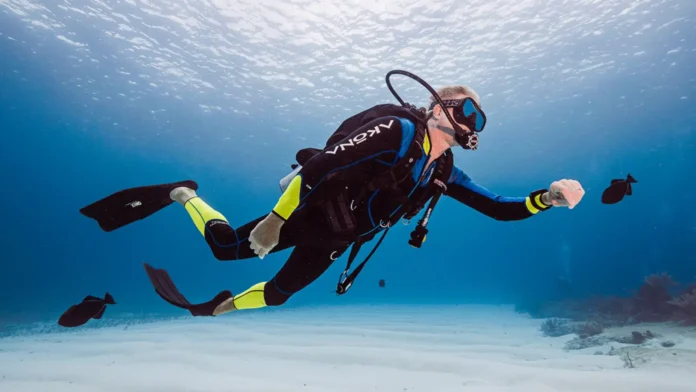
Environmental awareness should be visible underwater. Dive leaders should demonstrate good buoyancy, avoid contact with the reef, and gently correct divers who are not following best practice.
Regular air checks during the dive are another clear sign of professionalism. You should never feel forgotten underwater.
When You Are on a Course
Training standards exist for a reason, and a good dive centre follows them closely.
Instructors should explain skills clearly and give you enough time to practice and master them. Training should never feel rushed or pressured.
Group sizes should remain within safe limits, typically no more than four students per instructor. If you are unsure, training standards for each course are publicly available online and easy to check.
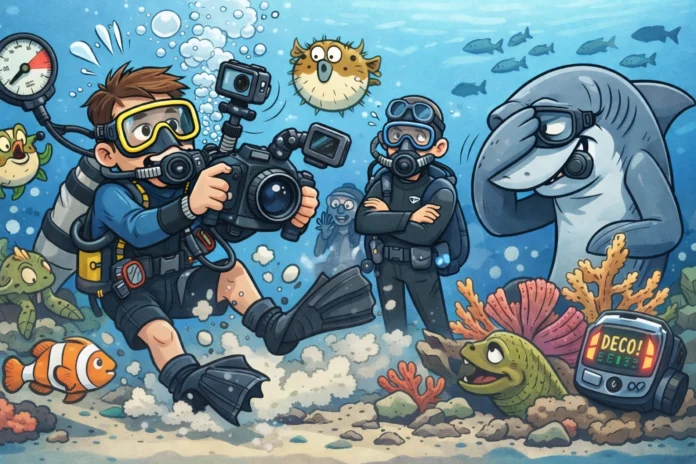
Cameras should not be involved during skill training unless filming is done by an independent, certified diver who is not part of the course. Skills are about learning, not content creation.
Once the course is complete, certification should be issued before you leave the dive centre. Certifications are processed digitally, so there is no excuse for delays if all performance requirements have been met.
Always verify the digital card or certification record. Check that the instructor listed is the person who actually taught you and that the certification level is correct.
Why These Signs Matter
Good diving is built on trust, competence, and attention to detail. The signs of a good dive centre are not flashy marketing claims but consistent professional behaviour before, during, and after the dive.
If a dive centre ticks these boxes, you are far more likely to have a safe, relaxed, and genuinely enjoyable experience underwater, whether you are fun diving or taking your first steps toward professional training.
Choosing well at the start can shape your entire diving journey.
How We Do It at Ocean Tribe
At Ocean Tribe, these principles are not marketing slogans. They are how we operate every single day. wEdon’t wan’t to just tell you the signs of a good dive centre but live by them.
Ocean Tribe is a fully affiliated, actively rated SSI training centre, and all instructors and divemasters working with us are current, renewed, and in active teaching status. We encourage guests and students to check credentials, certifications, and experience because transparency matters.
Our equipment is professionally serviced, clearly organised, and appropriate for the diving we do. Our filling facilities are maintained to high standards, and safety checks are routine, not optional. If you want to see how something works, we will happily show you.
We run small groups as standard. Whether you are fun diving or training, we keep diver-to-professional ratios conservative so that every diver gets attention, support, and a relaxed experience underwater.
Environmental responsibility is built into our briefings and our diving. Good buoyancy, reef awareness, and responsible behaviour are actively demonstrated and reinforced on every dive.
We check certifications and logbooks, recommend refreshers when needed, and select dive sites that suit the least experienced diver in the group, not the most confident. Weighting is done properly, buoyancy checks are encouraged, and air management is actively monitored during the dive.
On courses, we follow training standards closely. Skills are taught properly, not rushed. Group sizes remain within limits, cameras stay out of training unless independently filmed, and certifications are issued digitally once all performance requirements are met. Before you leave, you can verify that your certification is correct and issued by the instructor who trained you.