WELCOME TO THE OCEAN TRIBE ONLINE DIVE THEORY LEARNING CENTRE
This is your go-to hub for understanding scuba theory. We’ve gathered clear explanations, expert tips, and top videos from across the diving world. Everything is designed to help you learn faster and smarter.
Browse each category to explore detailed topics. Watch helpful videos. Review key concepts. Reinforce your dive knowledge.
Whether you’re just starting or preparing for your SSI Instructor Training Course, this is the place to build confidence and clarity.
Your path to becoming a dive professional starts here. Let’s dive in.
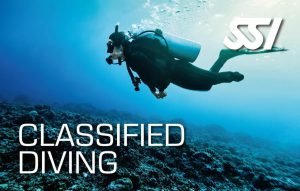
The SSI Classified Diving program has been created to enable persons with disabilities who might not be able to earn full certifications the ability to dive and get certified with different safety parameters. Learn to work with disabled divers.
PADI Freediver Course in Kenya- Here at Ocean Tribe we are delighted to announce that we will be holding the first PADI Freediver program to be conducted in Kenya. The course at Ocean Tribe scuba diving in Diani Beach, will be conducted by award-winning Freediver and influencer PADI Freediving Instructor Trainer Dada Li. Dada is one of the world’s top freedivers and frequently travels for teaching programs and working on films around the world.
Freediving is about inward power, discipline and control. If you’ve always wanted to enter the underwater world quietly, on your own terms, staying as long as your breath allows, then freediving is for you. Taking the PADI Freediver course is your first step toward discovering why freediving is becoming a popular way to explore beneath the waves.
Prerequisites
To enroll in a PADI Freediver course you must be at least 15 years old. You need adequate swimming skills and need to be in good physical health. No prior experience with snorkelling, skin diving or freediving is required.
Younger than 15? 12 year olds and older can enroll in the PADI Basic Freediver course and eight year olds and older can enroll in the PADI Skin Diver Course.
Academic
The PADI Freediver course consists of three main phases:
Knowledge development about freediving principles through independent study with PADI Freediver eLearning (or your instructor may conduct class sessions if not available in a language you understand).
In the Pool
Confined water session to learn breathhold techniques as well as static and dynamic apnea. Goal – static apnea of 90 seconds and dynamic apnea of 25 metres/80 feet.
In the Ocean
Open water sessions to practice free immersion and constant weight freedives, plus proper buddy procedures. Goal – constant weight freedive of 10 metres/30 feet.
Equipment
In the PADI Freediver course, you learn to use a mask, snorkel and fins, and may also use a wetsuit and weight belt. Using gear designed specifically for freediving is best, however, in this course, you may be able to use snorkelling equipment you already own.
The cost of the program is $280 USD. If you wish to know more about the course then please contact info@oceantribe.co for more information.
Kisite National Marine Park – A Hidden Gem for Divers and Nature Lovers
Kisite Mpunguti National Marine Park, located off the coast of Diani Beach in Kenya, is a true underwater paradise. This protected marine park is famous for its crystal-clear waters, vibrant coral reefs, and diverse marine life, making it one of Kenya’s top diving and snorkeling destinations.
The park’s waters teem with colorful fish, sea turtles, and playful dolphins. Depending on the season, you may even have the chance to swim with the magnificent whale sharks and graceful manta rays. Kisite Marine Park is part of the larger Kisite-Mpunguti Marine Reserve, a vital ecosystem that conserves not only marine life but also the surrounding islands.
For divers, Kisite offers some of the best dive sites in the region. Coral gardens and underwater caves provide a rich environment for divers of all levels. Whether you are a beginner or an experienced diver, the park’s calm, warm waters, and excellent visibility ensure a safe and memorable experience.
If you prefer snorkeling, Kisite’s shallow waters are equally spectacular. Here, you can swim alongside schools of tropical fish, see vibrant corals, and explore the rocky outcrops that attract an abundance of marine life. The park’s protected status ensures that the ecosystem remains pristine, offering an unparalleled underwater adventure.
Besides diving and snorkeling, Kisite National Marine Park is also perfect for boat rides. Take a guided tour and enjoy breathtaking views of the Indian Ocean while spotting dolphins and enjoying the coastal scenery. Local guides provide insight into the park’s history and its role in marine conservation.
Easily accessible from Diani Beach and Mombasa, Kisite Marine Park offers an unforgettable escape into the heart of Kenya’s marine wonders. Whether you’re looking for adventure beneath the waves or a peaceful boat ride, Kisite National Marine Park guarantees a memorable experience.
Masai Mara National Reserve – Kenya’s Premier Safari Destination
Masai Mara National Reserve is one of the most famous safari destinations in the world. Located in southwestern Kenya, this vast reserve is a wildlife haven and offers stunning views of the African savannah.
The Mara boasts exceptional wildlife and forms part of the larger Mara-Serengeti ecosystem, home to the Big Five—lions, elephants, leopards, buffalo, and rhinos. The reserve is also the stage for the Great Migration, one of nature’s most awe-inspiring events. Every year, millions of wildebeest, zebra, and gazelle migrate from the Serengeti in Tanzania to the Mara, crossing the Mara River in dramatic scenes watched by crocodiles and lions.
In addition to the Great Migration, The Mara offers year-round wildlife sightings. Visitors frequently spot cheetahs, giraffes, hyenas, and various bird species, including the vulture, eagle, and hornbill. The park’s open plains and diverse ecosystems, from the Mara River to the wooded hills, create a rich environment for animals to thrive.
BEST SAFARI EXPERIENCE
For a truly immersive experience, you can enjoy a game drive through the reserve. Experienced guides guide these drives, helping you witness wildlife in their natural habitat while sharing valuable knowledge about the flora and fauna. In addition to game drives, hot air balloon safaris provide a breathtaking aerial view of the landscape, especially at dawn when the animals are most active.
Masai Mara is also home to the Maasai people, who have lived in the area for centuries. Visitors can learn about the Maasai culture and traditions through cultural visits to local villages. These experiences offer insight into the Maasai’s unique way of life, including their customs, music, and crafts.
Easily accessible from Nairobi and Mombasa, Masai Mara is a top choice for anyone seeking a memorable safari experience in Kenya. With its diverse wildlife, scenic landscapes, and rich cultural heritage, Masai Mara National Reserve guarantees an unforgettable adventure.
Amboseli National Park – Kenya’s Majestic Wildlife Haven
Amboseli National Parkis one of Kenya’s most iconic safari destinations. Nestled at the foot of Mount Kilimanjaro, the park spans 392 square kilometers and offers stunning views of Africa’s highest peak.
Amboseli is famous for its large elephant herds, which roam freely across the vast plains. Visitors also spot lions, cheetahs, buffaloes, and over 600 bird species. The park’s diverse ecosystems, including wetlands, savannahs, and swamps, make it a unique wildlife sanctuary.
The Observation Hill provides panoramic views, making it a perfect spot for photography. Additionally, the park’s swamps attract an abundance of wildlife, especially during the dry season when animals gather for water.
For those seeking adventure, Amboseli offers excellent game drives and guided nature walks. As you drive through the park, you’ll have the chance to see animals up close in their natural environment. The park is also home to several Maasai villages, where visitors can experience the rich local culture and traditions of the Maasai people.
Amboseli is easily accessible from Nairobi and Mombasa, making it a popular choice for those looking to experience wildlife up close. Whether you’re here to see the elephants, enjoy breathtaking landscapes, or immerse yourself in Maasai culture, Amboseli delivers an unforgettable safari experience.
Tsavo West National Park – Kenya’s Scenic Wilderness
Tsavo West National Park is one of Kenya’s most captivating wildlife destinations. Covering over 9,000 square kilometers, the park is a diverse landscape of savannah, volcanic hills, and wetlands. It’s home to the Big Five and hundreds of other wildlife species.
As you explore, you’ll encounter elephants, lions, leopards, and rhinos, all roaming freely in their natural habitat. The park is also famous for the stunning Mzima Springs, where you can see hippos, crocodiles, and fish up close.
The Sheldrick Falls and Chyulu Hills offer breathtaking views and perfect spots for photography. Additionally, Taita Hills provides panoramic vistas of the surrounding savannah and Mount Kilimanjaro.
Tsavo West is easily accessible from Mombasa and Nairobi, making it a great addition to your dive and safari adventure. With fewer crowds and incredible wildlife sightings, Tsavo West guarantees an unforgettable experience.
Tsavo East National Park – Kenya’s Untamed Wilderness
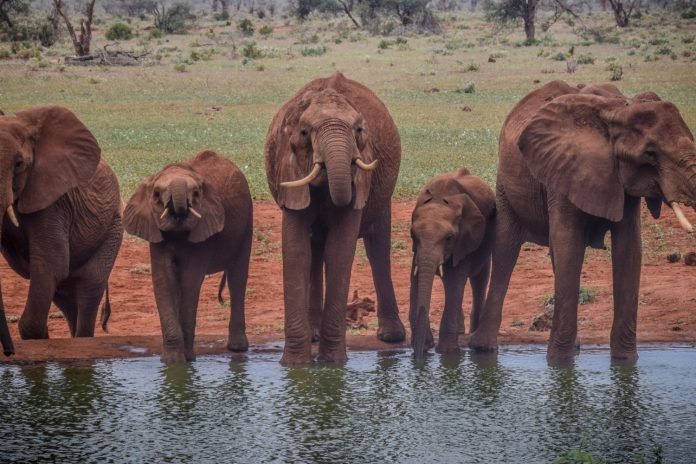
Tsavo East National Park, one of Kenya’s largest and most iconic wildlife reserves, offers a raw and authentic safari experience. Spanning 13,700 square kilometers, this vast landscape is home to the famous red elephants of Tsavo, lions, leopards, buffalo, rhinos, and over 500 bird species.
As you embark on game drives across the park, you will discover endless savannahs, rugged rock formations, and winding rivers that sustain Kenya’s diverse wildlife. Furthermore, the Galana River, which cuts through the park, attracts herds of animals, while predators lurk nearby, creating thrilling safari moments.
Top Attractions in Tsavo East
Mudanda Rock – Towering rock formation where elephants and other wildlife gather at the waterhole below.
Aruba Dam – This is a hotspot for hippos, crocodiles, and countless bird species.
Lugard Falls – A breathtaking series of rapids along the Galana River, perfect for photography.
Come to Kenya and Become a Diving Instructor in Paradise
Become a diving Instructor by taking your SSI Instructor Training Course (SSI ITC) in Kenya. We teach the SSI ITC to the most up-to-date curriculum.
This incorporates SSI Digital Learning. Thus enabling you to complete many of the presentations before arrival at the IDC.
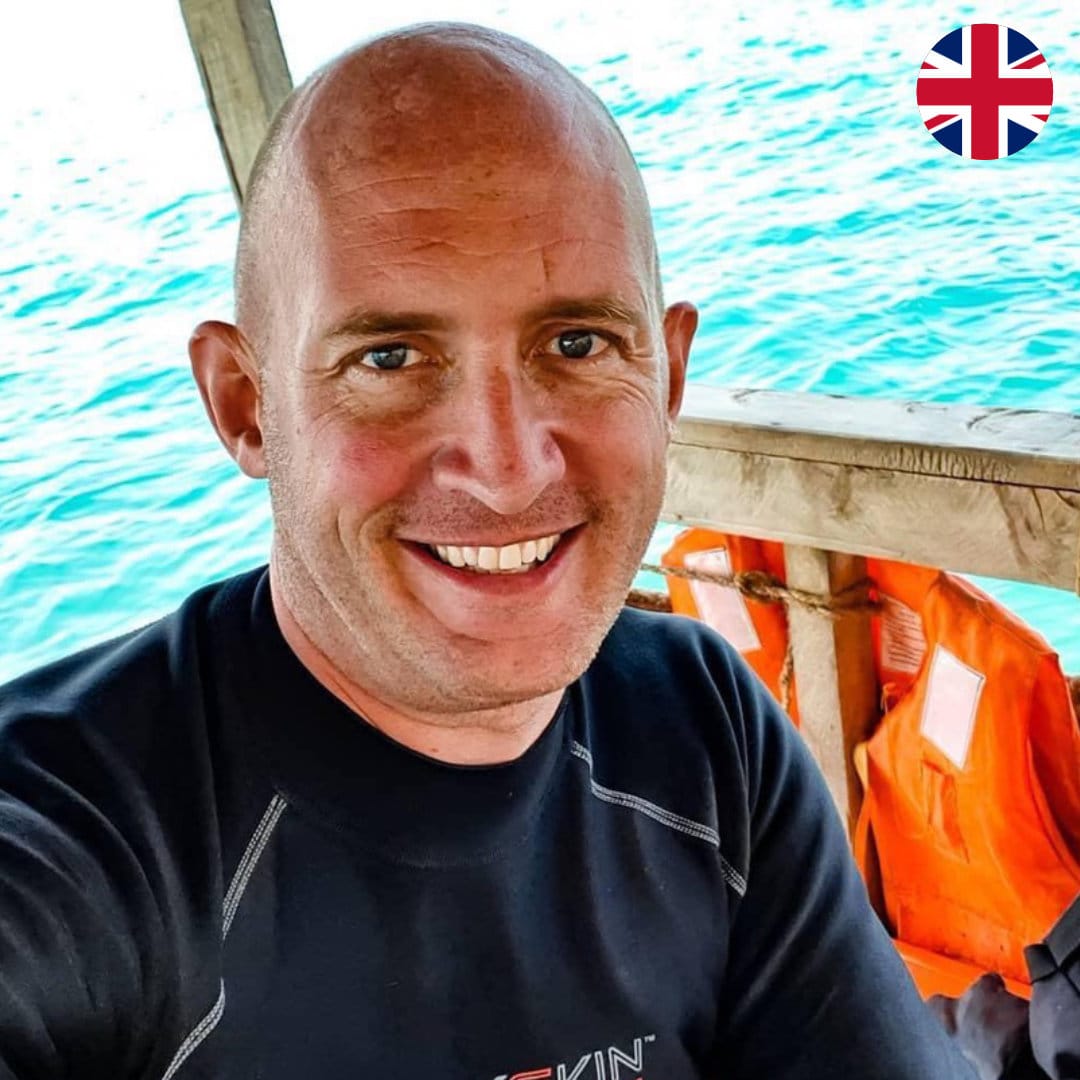
The ITC is conducted by Award-Winning SSI Instructor Trainer Mark Slingo and a team of Assistant Instructor Trainers
The program lasts 8-16 days depending on the style you wish to do.
When you are not on the ITC you can go diving. When it comes to scuba diving coral reefs, Kenya is up there with the best of them.
Ocean Tribe’s dive base in Diani Beach is located on one of the world’s top 10-rated beaches.
Diani is consistently-rated the best beach in Africa. The palm tree-lined white powder sands run down to azure waters, where the fringing coral reefs can be found only 100m offshore.
The Ocean Tribe SSI Instructor Training Course incorporates the Assistant Instructor Course and the main dive Instructor Training Course.
The whole program takes place over 8-12 days, followed by a 2-day instructor exam, conducted by an incoming SSI Instructor Certifier.
DURATION
You complete the SSI Instructor Training Course over 12 days. This incorporates classroom workshops, class presentations, pool training, and presentations. Plus the Open Water presentations and workshops. You will also complete some digital learning in your own time in the MySSI app.
Unlimited tank refills and pool access for practice
TRAINING MATERIALS INCLUDED
SSI Instructor Training Course Digital Learning
SSI Recreational Scuba Pro Wetnotes
SSI Professional Mask Strap
Dive Briefing & Dive Guide Evaluation Slate
WHAT OTHER INCLUSIONS ARE THERE?
Free water, tea and coffee, and daily lunch
We can give you visa assistance with your eVisa application to Kenya
Ocean Tribe Dive Club membership for the year (free diving & other benefits)
We include a Team teaching module is included following a successful ITC/IE. This allows you to ease into teaching with a professional alongside you.
Career development assistance
We give special discounts on dive equipment in-store. These can include full gear packages.
ITC Polo Shirt/ T-Shirt
Ocean Tribe Mask Strap Cover
MEDICAL INFORMATION
You must meet medical questionnaire requirements. Some conditions or medications may prevent you from diving. You should take the RSTC Diver Medical: Participant Questionnaire to a doctor to have your medical for submission to SSI.
Kenya’s scuba diving is one of its best kept secrets. Over the years we have been mystified why more divers don’t come from around the world to experience the wonders of Kenya’s coral reefs and other dive sites. So we have put together 10 reasons to scuba dive Kenya to assist divers in making their decision to travel to Kenya to dive and also to alert some of you Kenyan’s out there, the wonders that are right here on your doorstep.
[two_third]1. Coral reefs in pristine condition
In comparison to some of the more famous diving locations around the world and the well publicised problems of reef damage from over fishing, boat anchors, and bleaching, Kenya’s reefs are remarkably untouched. From the fringing reefs of the South Coast to the islands around Lamu, Kenya has a fantastic array of coral reefs supporting thousands of species of reef fish.[/two_third] [one_third][/one_third]
[two_third]2. Wide range of scuba diving sites suitable for all levels of diver
While Kenya has many fabulous coral reef dive sites, it is not limited to these alone. Both the North and South Coasts offer purpose-sunk shipwrecks for divers to explore with the MV Fungao off Diani, the MV Dania off Bamburi and MV Fish Eagle off Kilifi. There are also the Vuma caverns near Kilifi with a wide array of rock formations in addition to the coral reef there. There is shore diving at several locations in Kenya and opportunities to dive in the mangroves to explore the life there. At all locations in Kenya there are dive sites suitable for all levels of diver from beginner Try Scuba Divers, right up to advanced levels of deep diver.[/two_third] [one_third][/one_third]
[two_third]3. Range of Marine Life
The coral reefs and waters of Kenya make a home to a wide range of marine life ranging from the giants of the ocean right down to a great range of macro creatures. It is possible to encounter sharks, turtles, rays, whales, dolphins and more in the waters around Kenya. Lovers of smaller critters will delight in the reef life with nudibranchs, frogfish, blennies, lionfish and more to see and of course most of the cast of the Disney animation Finding Nemo.[/two_third] [one_third][/one_third]
[two_third]4. Chance to encounter giants
At certain times of the year in Kenyan waters it is possible to dive with the giants of the ocean, manta rays and the biggest fish in the ocean whale sharks. The ‘Papa Shillingi’ can be seen from November through to March making it a thrilling experience for both divers and snorkelers as these 6m long fish glide past them.[/two_third] [one_third]
[/one_third]
[two_third]5. Dive site location
One of the big problems with diving for some participants is the amount of time it can take out of a holiday or short break. Often in many parts of the world it can take several hours to reach a dive site by boat. Multiple dives coupled with surface intervals can mean that a dive trip takes up the whole day. Not so in Kenya where most of the dive sites sit 15 minutes or less from the dive boat launch sites. With the exception of specialist dive trips you can do a morning 2 tank dive day and be back in time for lunch at your beach resort followed by an afternoon of relaxation and other activities.[/two_third] [one_third][/one_third]
[two_third]6. Safari opportunities on land
No visit to Kenya would be complete without seeing some its world famous wildlife on a Kenyan safari. Encounter the big five, see the amazing Kenyan national parks and treasures such as the great Rift Valley, the peak of Mt Kenya, the forests of the Aberdares and there is too much already to write about. Where else in the world could you conceivably encounter a whale shark in the morning and lion and an elephant in the wild in the afternoon? An experience not to be missed. [/two_third] [one_third][/one_third]
With visibility regularly being over 20m in Kenyan waters and the wide array of marine life, both giant and macro and different diving locations, this can be a great location for underwater photographers. You will have many opportunities to capture great shots.[/two_third] [one_third][/one_third]
[two_third]8. Muck diving
For divers who like to explore and really find macro marine life, there are also plenty of opportunities to muck dive in Kenya. Nearby to the main coral reefs, these sites offer real chances to find more small critters including many species of nudibranch and more. [/two_third] [one_third][/one_third]
[two_third]9. Protected marine parks
Kenya has in general a successful wildlife management policy and this extends to its waters. There are a number of marine parks in Kenya which play haven for marine life with fisherman unable to access them. Even in the areas outside of the marine parks, the coral is in good condition and the waters are not drastically overfished.[/two_third] [one_third][/one_third]
[two_third]10. Swahili sightseeing
After diving it can be a wonderful experience to take in the Swahili culture of the Kenyan coast. With a history dating back hundreds of years, there are many things to see and do on the Kenya coast. Take in the architecture of the Omani occupation in Lamu and Mombasa old town. Visit a Swahili market to barter for and purchase trinkets and souvenirs. Take part in other watersports such as the incredibly popular kite boarding. Visit snake parks and other wildlife attractions. There really is something for everyone.[/two_third] [one_third][/one_third]
The SSI Master Diver rating is awarded to divers who have taken big steps to gaining experience through dive courses and logging dives. As such here at Ocean Tribe we have put together a package to enable you to gain enough of the required certifications. Added to this specialty courses that increase your dive skills. All at a massive discount as opposed to buying the courses separately.
As mentioned above the SSI Advanced Adventurer is the equivalent rating to the PADI Advanced Open Water Diver Course. The SSI rating is earned by completing 24 dives and 4 SSI Specialty Instructor courses. It is therefore a higher rating than its PADI namesake.
The SSI Advanced Adventurer card will be accepted as an “Advanced” Card the same as the PADI one in dive centers around the world (but make sure you complete the deep and navigation dives on the advanced adventurer course for this to be the same).