Home Blog Page 11

Scuba Instructor Training in Kenya: 10 Reasons to Choose

scuba instructor training in kenya

If you’re dreaming of becoming a dive professional, there’s no better place to do it than Kenya. There are so many exciting reasons to do your scuba instructor training in Kenya. It’s not just about earning a certification. It’s about starting a life-changing adventure that combines world-class instruction, rich marine life, inclusive teaching opportunities, and unforgettable experiences on land and sea.

Great Training Conditions and On-Site Setup

One of the top reasons to do your scuba instructor training in Kenya is the incredible environment and seamless facilities. The warm, calm waters of Diani Beach offer perfect conditions for building your skills. The ocean stays between 26 and 29°C year-round, and gentle currents make training stress-free.

At Ocean Tribe, everything is on-site. You’ll find a modern classroom, a large training pool, and direct beach access to the dive boat. You can move easily from theory to pool practice to ocean dives without wasting time. Plus, after graduating, you become a Dive Club member, with access to unlimited diving, special events, and extra opportunities to keep improving.

Specialty Certifications and Safari Adventure Included

While training in Kenya, you can earn up to seven specialty instructor ratings, including Deep Diving, Nitrox, and loads of other ecology courses. These extra certifications make you more valuable and open more job opportunities worldwide.

Even better, your package includes a free 3-day, 2-night African safari after your Instructor Evaluation. It’s the perfect way to celebrate your achievement. Seeing elephants, lions, giraffes, and other wildlife in their natural habitat makes your training journey unforgettable.

Learn Inclusive Teaching for Disabled Divers

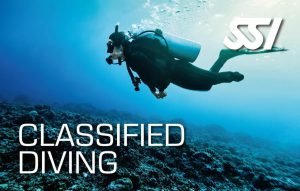
Kenya also offers a special chance to learn inclusive teaching. At Ocean Tribe, you can join the SSI Classified Diver Instructor program from one of the top disabled diver trainers in the world. This course teaches you to work confidently with disabled divers and adapt lessons for students with physical or cognitive challenges.

By opening up the underwater world to more people, you become a more versatile and compassionate instructor. It’s one of the most rewarding reasons to do your dive instructor training in Kenya.

Strong Conservation Focus

Another powerful reason to choose dive instructor training in Kenya is the strong focus on conservation. Ocean Tribe is involved in coral monitoring, turtle conservation, and beach clean-ups. You’ll get the opportunity to join these projects and learn to protect marine life firsthand.

This hands-on experience shapes you into an instructor who inspires students to respect and care for the ocean wherever they dive.

World-Class Instruction from Experienced Trainers

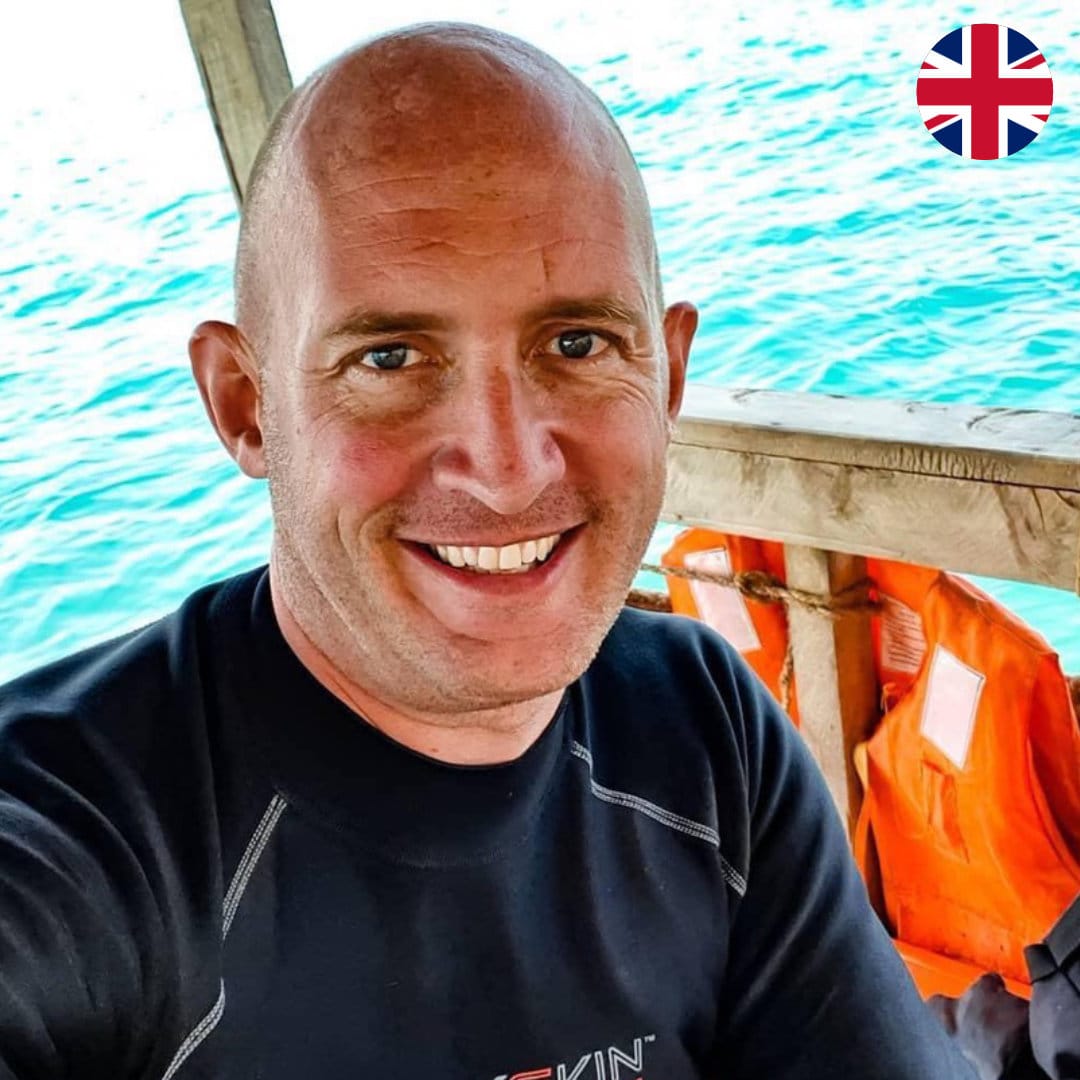
Ocean Tribe is known for excellent dive instruction. At Ocean Tribe, you’ll learn from SSI Instructor Trainer Mark Slingo, an award-winning trainer with years of experience. His supportive and friendly style builds your confidence quickly.

Learning from a dedicated mentor gives you the skills and mindset to inspire students anywhere in the world.

All-Inclusive, Hassle-Free Packages

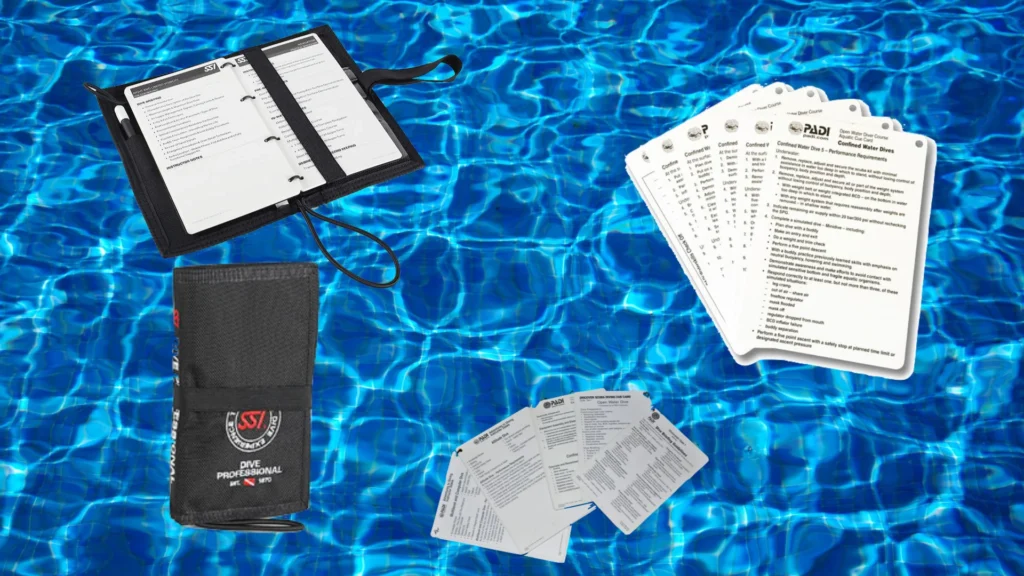
Another big reason to do your dive instructor training in Kenya is the all-inclusive package. Your course fee covers digital learning materials, wetnotes, slates, pool sessions, unlimited tanks, daily local lunches, and even the instructor exam.

Ocean Tribe also helps with visas, airport transfers, and budget-friendly accommodation. You can focus fully on your course without worrying about hidden costs or travel headaches.

Global Certification and Career Opportunities

When you complete your scuba instructor training in Kenya, you receive a globally recognized SSI certification. You’ll be able to teach anywhere in the world. You’ll also join a strong network of dive centers and instructors across East Africa and beyond.
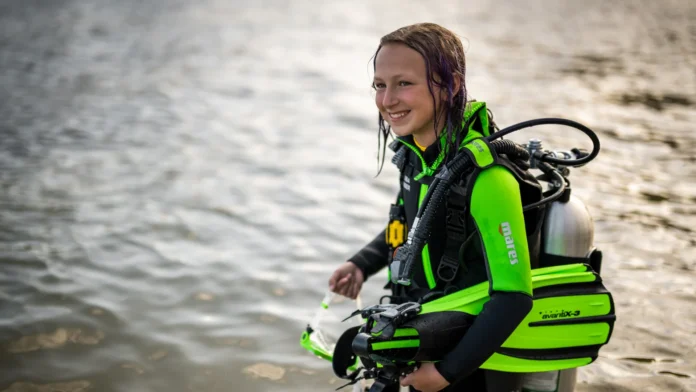
There are many internships and job openings available right after your course. SSI’s flexible teaching system helps you create your own style and connect with students in a personal, memorable way.

Rich Culture and Adventure

Kenya is not just a place to learn diving. It’s full of adventure and vibrant culture. Between training days, you can explore colorful markets, try Swahili cuisine, and meet friendly local communities.

Combining training with cultural experiences makes your journey even more special. You’ll come home with amazing memories and lifelong friendships.

Transformational Personal Growth

Perhaps the most powerful reason to do your dive instructor training in Kenya is the personal transformation. This journey challenges you physically, mentally, and emotionally. You’ll leave as a confident leader and passionate ocean ambassador.

The mix of top-level training, inspiring marine life, and cultural immersion ensures you return home forever changed and ready to guide new divers anywhere in the world.

Amazing Marine Life to Explore After Your Course

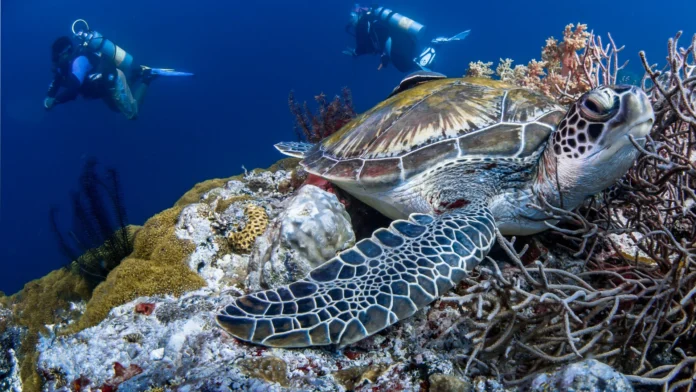
Although the course focuses on skill development, Kenya’s marine life is waiting for you after you graduate. The reefs are full of colorful corals, turtles, reef sharks, rays, and even seasonal whale sharks.

As a Dive Club member, you’ll enjoy unlimited diving and get to explore this underwater paradise as much as you like. It’s the perfect reward for all your hard work.

Why Scuba Instructor Training in Kenya Is the Perfect Choice

There are endless reasons to do your dive instructor training in Kenya. You’ll enjoy world-class facilities, learn inclusive teaching, support conservation, and experience an exciting blend of adventure and culture. You’ll earn a respected certification and start a journey that will shape your life and career forever.

If you’re interested in upcoming course dates, safari details, or help planning your adventure, get in touch today. We’d love to help you take the next step toward becoming a dive professional in Kenya!

Crossover from PADI to SSI: How Much Can You Save as a Pro

Crossover from PADI to SSI

Are you thinking about a crossover from PADI to SSI? Many dive professionals are switching to SSI to save money and enjoy a more streamlined teaching system. You can crossover from PADI to SSI at both Divemaster and Instructor levels.

Can I Hold Both PADI and SSI Pro Ratings?

Yes it is possible to be both a PADI Instructor and an SSI Instructor at the same time. This is useful if you work at a centre which offers both or work as a freelancer between multiple centres. At the higher Instructor certification levels of Master Instructor and Instructor Trainer, you will have to make the choice at which organisation you would like to teach for. Bear in mind that with this scenario of being both, you would be paying 2 professional renewals a year.

Divemaster Certification Costs

A PADI Divemaster course costs around $399 for digital materials and slates, $165 for the application fee, and about $999 for tuition. Annual renewal as a PADI Divemaster costs around $250.

An SSI Divemaster pays $216 for digital materials and the pro pack, $120 for the application fee, and then the tuition fees. The whole lot is $950 total at Ocean Tribe (covering all fees and materials). Annual renewal is only $85.

Divemaster Savings: Lower upfront costs and significant annual savings.

Check out the Ocean Tribe Divemaster Course

Instructor (IDC/ITC) Certification Costs

To become a PADI Instructor, you pay $1,250 for the course (including EFR), $750 for the IDC crew pack, $273 for the application fee, $956 for the IE exam, and $170 for the EFR Instructor fee.

An SSI Instructor course costs $999. The digital instructor pack is about $450, the evaluation $590, and the application fee $120 (or free for SSI Divemasters). React Right (first aid) is included at no extra fee.

Instructor Course Savings: Around $1,199.

Check out the Ocean Tribe Instructor Training Course

Instructor Continuing Education

As a new PADI Instructor, you can teach Rescue, Divemaster, Project AWARE, Coral Reef Conservation, and Peak Performance Buoyancy. To add specialties, you take a Specialty Instructor Course and pay £47 / $65 (with a Course Director) or £96 / $132 (self-certify). Upgrades to higher levels like Master Scuba Diver Trainer cost £86 / $117 and Master Instructor costs £115 / $167.

SSI Instructors can teach Diver Stress and Rescue, Dive Guide & Science of Diving, Enriched Air Nitrox, Perfect Buoyancy, and Marine Ecology right away. For additional specialties, you only pay $58 per Digital Instructor Guide with no application fee. Upgrades to higher levels happen automatically free of charge when requirements are met.

Continuing Education Savings: Much higher savings with SSI as you progress.

Annual Renewal Costs

PADI Divemasters pay $250 annually; Instructors pay $430.

SSI Divemasters pay $85; Instructors pay $190. SSI’s fee includes React Right Instructor status and free digital updates for new ratings.

Annual Saving: $165 (Divemaster), $240 (Instructor).

SSI Pro Rewards Points

SSI’s Pro Rewards system helps reduce costs further. You earn points every time you certify students or complete programs. Every 200 points earn you a $20 discount on your next renewal. Some instructors fully cover their renewal fees this way. PADI does not offer a similar program at this time.

Bottom Line

crossover from PADI to SSI can save you thousands over your diving career. You’ll pay lower fees, enjoy free digital upgrades, and benefit from more affordable continuing education. SSI’s digital tools and rewards make it an even smarter choice for dive pros looking to cut costs and stay flexible.

Sources: Based on official PADI and SSI price lists. Actual prices may vary slightly by country.

A Diver’s Reading Guide: Inspiring Dive Stories, Novels, and Kenya Books

Kenya and diving books

Planning a dive trip to Kenya or just looking for some underwater inspiration? This curated reading guide offers a mix of practical and biographical diving books, thrilling scuba-themed novels, and a selection of works about Kenya’s rich history and landscapes. This is a small personal selection chosen by Mark — there are many more excellent titles out there, so be sure to explore further!

Practical and Biographical

Under Pressure by Gareth Lock MSc
This essential read on human factors in diving explores how decision-making, teamwork, and communication affect safety underwater. Gareth Lock uses real case studies to highlight how even experienced divers can make critical errors and how to mitigate them. [1]

Shadow Divers by Robert Kurson
A gripping true story about two wreck divers who discover a mysterious German U-boat off the coast of New Jersey. Their dangerous quest to identify the submarine becomes an obsession, filled with deep dives, hazards, and personal sacrifice. [2]

The Last Dive by Bernie Chowdhury
This tragic account follows a father-son team who pushed the limits of deep wreck diving. It details their journey into technical diving, culminating in a fatal dive, and examines the powerful lure of deep exploration. [3]

Scuba Diving Novels

AJ Bailey Series by Nicholas Harvey
Set in the Cayman Islands, this series follows AJ Bailey, a dive boat operator and reluctant heroine. The books blend thrilling underwater mysteries with rich Caribbean settings and fast-paced action. [4]

Fin Fleming Scuba Diving Series by Sharon Ward
Fin Fleming is a marine institute VP and dive shop operator who finds herself in the middle of mysteries and crimes. The series combines diving adventures with murder investigations, offering plenty of twists and excitement. [5]

Dirk Pitt Series by Clive Cussler
These classic adventure novels feature Dirk Pitt, an underwater explorer and marine engineer, as he uncovers lost treasures and faces global threats. The books are famous for their blend of diving action and larger-than-life plots. [6]

Kurt Austin Series by Clive Cussler
A spin-off from the Dirk Pitt adventures, Kurt Austin leads NUMA’s Special Assignments Team. The stories deliver high-seas action and daring underwater missions, perfect for fans of maritime thrillers. [7]

Africa Action Series by Steve Braker
Set along Africa’s east coast, these action thrillers follow William Brody, a former special forces operative, as he confronts poachers and pirates. While not strictly diving-focused, they offer great insights into life and adventure on the African coast. [8]

About Kenya

The Man-eaters of Tsavo by John Patterson
A first-hand account of the infamous lions that terrorized railway workers in 1898 Kenya. Patterson’s narrative captures the drama and danger of colonial-era Africa. [9]

Out of Africa by Isak Dinesen (Karen Blixen)
A beautifully written memoir about life on a Kenyan coffee plantation in the early 20th century. Blixen’s reflections on the land and people became a classic portrait of colonial Kenya. [10]

Born Free by Joy Adamson
The heartwarming true story of Elsa the lioness, raised and returned to the wild in Kenya. This book sparked global interest in wildlife conservation. [11]

Born Wild by Tony Fitzjohn
A memoir from George Adamson’s protégé, detailing decades spent rehabilitating big cats and battling poachers. It’s a raw, inspiring look at conservation work in Kenya. [12]

White Mischief by James Fox
A true-crime account of a 1941 murder among Kenya’s colonial elite. The book explores the decadent lives and scandals of the Happy Valley set. [13]

The Life and Death of Lord Erroll by Errol Trzebinski
A detailed investigation into the same 1941 murder featured in White Mischief, offering new evidence and personal insights. [14]

West with the Night by Beryl Markham
Markham’s memoir about growing up in Kenya and her adventures as a bush pilot. Ernest Hemingway praised it as a masterpiece of adventure writing. [15]

Wildlife Wars by Richard Leakey
Leakey’s account of his battles against poaching and corruption as head of Kenya Wildlife Service. A candid look at conservation and politics in Kenya. [16]

The Flame Trees of Thika by Elspeth Huxley
A memoir of a British girl’s childhood on a pioneer farm in early 20th-century Kenya. It beautifully describes settler life and interactions with local communities. [17]

Novels with Kenya

Assegai by Wilbur Smith
A historical adventure set before World War I, following a safari guide entangled in espionage and romance. It captures the wild spirit and tensions of colonial Kenya. [18]

The Constant Gardener by John le Carré
A modern thriller set partly in Kenya, focusing on a diplomat investigating his wife’s murder and uncovering a pharmaceutical conspiracy. It offers a gripping plot and sharp commentary on exploitation. [19]

Weep Not, Child by Ngũgĩ wa Thiong’o
A powerful coming-of-age story set during the Mau Mau uprising. It explores the struggles of a young Kenyan boy and his family under colonial rule. [20]


This list is just a small personal selection by Mark, meant to inspire and introduce a few favorites. There are countless other fantastic reads waiting to be discovered. For more, check out the full Goodreads list of books set in Kenya: Books Set in Kenya.


Citations
[1] Under Pressure — Gareth Lock MSc
[2] Shadow Divers — Robert Kurson
[3] The Last Dive — Bernie Chowdhury
[4] AJ Bailey Series — Nicholas Harvey
[5] Fin Fleming Series — Sharon Ward
[6] Dirk Pitt Series — Clive Cussler
[7] Kurt Austin Series — Clive Cussler
[8] Africa Action Series — Steve Braker
[9] The Man-eaters of Tsavo — John Patterson
[10] Out of Africa — Isak Dinesen
[11] Born Free — Joy Adamson
[12] Born Wild — Tony Fitzjohn
[13] White Mischief — James Fox
[14] The Life and Death of Lord Erroll — Errol Trzebinski
[15] West with the Night — Beryl Markham
[16] Wildlife Wars — Richard Leakey
[17] The Flame Trees of Thika — Elspeth Huxley
[18] Assegai — Wilbur Smith
[19] The Constant Gardener — John le Carré
[20] Weep Not, Child — Ngũgĩ wa Thiong’o

Dive and Safari Packages- Make The Most of Kenya

dive and safari

Kenya offers a rare combination of underwater excitement and wildlife wonder, and Ocean Tribe’s dive and safari packages are designed to deliver both in one seamless journey. Whether you’re gliding through Diani’s vibrant coral reefs or tracking the Big Five across Tsavo’s vast plains, these packages promise unforgettable experiences tailored just for you. Moreover, with options ranging from private conservancies to iconic national parks—and even gorilla treks in Uganda and Rwanda—every adventure is thoughtfully curated to match your tastes and budget. Let Ocean Tribe guide you from turquoise waters to golden savannahs—and beyond.
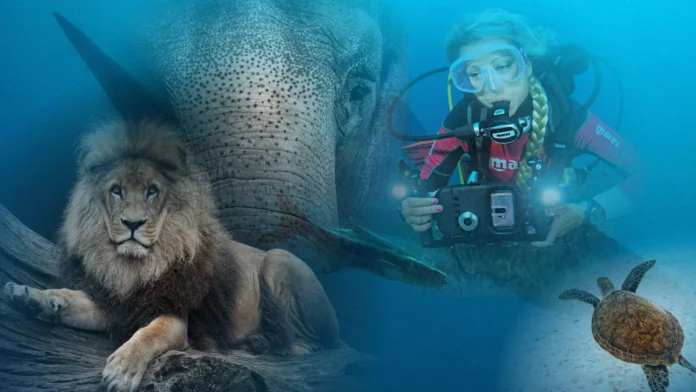
Dive and Safari Packages- Experience Diani’s Underwater Magic

Begin your Dive and Safari adventure with Ocean Tribe by diving into the vibrant world of Diani’s coral reefs. Drift along colorful reef walls, glide beside turtles in turquoise waters, and uncover reef ecosystems teeming with marine life. Our expert dive team ensures your experience is as safe as it is unforgettable.

Custom Dive and Safari Packages Tailored to You

After your dives, shift gears to land and wildlife encounters crafted to match your style and budget:

Private Wildlife Conservancies

Explore hidden gems like Ngutuni, a sprawling 10,000-acre sanctuary bordering Tsavo East. Here, you can enjoy both day and night game drives and experience wildlife from the comfort of lodge-view waterholes  . Or retreat to Hildana Lodge, nestled in a secluded 5,000-acre conservancy at the foot of the Taita Hills, where family herds visit waterholes and cheetah sightings are common  .

National Parks & Beyond

Opt for classic Big Five safaris in renowned parks like Tsavo East & Tsavo West, explore Amboseli’s vistas of Kilimanjaro, witness the Masai Mara migration, or marvel at flamingos at Lake Nakuru. Trek the Aberdare forests, visit Samburu/Shaba, and even extend your adventure to gorilla trekking in Uganda or Rwanda—all seamlessly arranged for you.

Seamless Adventure Planning

Ocean Tribe removes the stress of logistics. From dive bookings and safari transfers to choosing between tented bush camps, family lodges, or luxury retreats, everything is custom-planned. Whether you prefer rugged mornings in the bush followed by relaxing evenings at beachside lodges, or combining gorilla tracking with marine dives, we bring your vision to life—effortlessly.

Why Combine Ocean and Safari?

The magic lies in contrast: mornings spent mingling with Diani’s marine turtles and corals, afternoons tracking elephants silhouetted against fiery sunsets. Your journey spans ocean, savannah, and forest, offering more than a vacation—it’s a curated Kenyan and East African odyssey.

Interested in building this into a personalized itinerary? Want to learn about seasons, budget options, or transport logistics? Just say the word—we’re ready to plan your perfect dive-and-safari escape!

What to Bring on a Dive Trip in Kenya

What to bring on a dive trip

What to bring on a dive trip? Getting ready for a dive trip is an adventure in itself. When you book your dives with Ocean Tribe in Diani Beach, you’re heading to one of Kenya’s most beautiful and exciting underwater playgrounds. To make sure you get the most out of your experience, it’s important to come prepared.

So, what should you bring with you when diving with Ocean Tribe? Let’s break it down.

Essential Dive Gear

At Ocean Tribe, we provide high-quality rental gear if you don’t have your own. However, many divers prefer to bring their personal equipment for maximum comfort and familiarity.

If you have your own gear, pack your mask, fins, snorkel, BC/BCD, regulator, wetsuit, and dive computer. A properly fitted mask is essential for clear, comfortable dives, and your own fins make swimming easier and more efficient.

In Diani’s warm tropical waters, most divers are comfortable in a 3mm wetsuit or even a shorty. The water is usually between 26°C and 29°C, so heavy exposure protection isn’t necessary unless you get cold easily.

What to Bring on a Dive Trip- Useful Accessories

A surface marker buoy (SMB) is highly recommended for safety, and a small dive torch is handy for exploring under ledges and highlighting colors.

Mask defog solution, a save-a-dive kit (with spare straps and mouthpieces), and a mesh gear bag are all smart additions. A dry bag will help keep your phone, towel, and dry clothes safe on the boat.

Sun and Boat Essentials

You’ll spend a lot of time in the sun before and after your dives. Bring reef-safe sunscreen to protect your skin and the marine environment. A hat, sunglasses, and a light towel or sarong are also essential.

Lightweight, quick-drying clothing is best for comfort before and after dives.

Dive Documents and Insurance

Remember to bring your certification cards and logbook (digital or physical). Ocean Tribe dive staff will check your certification and logged dives before you start.

We also recommend having travel and dive insurance details on hand for peace of mind throughout your trip.

For Underwater Photographers

If you plan on capturing the beauty of Diani’s reefs and marine life, don’t forget your underwater camera, housing, and accessories. Double-check all O-rings and seals before you travel to avoid leaks. Spare batteries, memory cards, and a microfiber cloth for cleaning lenses are always a good idea.

Relax and Enjoy

When you arrive at Ocean Tribe, our friendly team will help you set up, get comfortable with the equipment, and guide you through every step of your dive adventure.

With the right preparation, you can focus on what really matters: drifting over colorful coral gardens, spotting turtles and rays, and soaking in the magic of the Indian Ocean.

Ready to dive in? Pack smart, bring your sense of adventure, and let Ocean Tribe take care of the rest. We can’t wait to welcome you to Diani Beach!

Which BC  Should You Use? Backplate & Wing or Jacket

X deep backplate and wing

Introduction

Choosing the right buoyancy compensator (BC/ BCD) can dramatically shape your underwater experience. You’ve probably heard of jacket-style BCs and backplate & wing (BP/W) setups, but what’s best for you? We’re diving into both options and exploring which BC should you use based on comfort, performance, and travel needs. At Ocean Tribe, we stock both—but for those seeking peak performance, we encourage trying backplate & wing—even from day one of your training. No pressure. Just options.

Jacket-Style BC

A jacket-style BC wraps around your torso like a life vest. Its air bladder encircles your chest, sides, and back. That design offers a sense of security and familiarity. Many divers rent these on holiday dive boats. They’re comfortable, with built-in pockets and integrated weight systems that hold accessories and diving essentials easily. This convenience makes them ideal for beginners who want simplicity and ease of use.

Jacket BCs are widely available at dive resorts and local shops, making gear rental quick and hassle-free  . However, that bulk adds weight to travel luggage and increases drag in the water. The inflated bladder can push you upright, affecting trim, positioning you slightly vertical instead of horizontal. This while annoying underwater is beneficial at the surface. Plus, most jacket BCs aren’t modular: a broken buckle or bladder often means replacing the entire unit  .

Pros & Cons (Jacket-Style BC)
  • Pros:
    • Comfortable and intuitive; easy to don and use.
    • Integrated pockets and weight system.
  • Cons:
    • Bulky and heavy—travel unfriendly.
    • Tends to push diver upright; harder to maintain trim.
    • Not modular—harder to repair or customize.

Backplate & Wing (BP/W)

Backplate & wing separates the system into modular parts: a rigid plate (usually steel or aluminum), a harness, and a bladder (wing) positioned behind your back  . This design gives you a streamlined profile and superior trim, letting you glide horizontally through the water with less drag  . Weight distribution is smarter too—you can use the backplate’s negative buoyancy and position trim weights for a balanced setup  . And if something breaks, you replace that piece—not the whole BC  .

Travelers especially love BP/W: choose an aluminum plate and compact wing, and it packs flat—ideal for carry-on luggage  . Steel plate users get built‑in ballast and solid durability, though they carry extra weight  . Some worry about setup complexity or lack of storage pockets, but once you fine-tune your harness and trim setup, that precision feels unbeatable  .

Pros & Cons (Backplate & Wing)
  • Pros:
    • Modular—swap plates, wings, harnesses, components.
    • Streamlined and boosts trim, reducing drag.
    • Durable; fewer parts to fail.
  • Cons:
    • It takes time to set up and require fine‑tuning.
    • Minimal built-in storage—needs add-ons.
    • Requires learning a different surface float feel.

Travel Benefits

If you’re a dive traveler, backplate & wing is a standout choice. Aluminum plates and compact wings fit neatly into carry-ons, cutting checked baggage size  . They dry quickly and strip down easily, ideal for trips. Yes, steel plates add weight, but that smart ballast placement means less lead in your pockets overseas.

Which BC Should You Use?

If your goal is simplicity, rental‑ready gear, and comfort on every dive, a jacket‑style BC is a reliable, easy choice. It’s familiar, forgiving, and perfect for casual or resort diving.

But if you want precision trim, modular gear, travel efficiency, and performance that grows with your skills, give backplate & wing a go. It demands a little effort upfront, but the payoff is control and confidence underwater.

Our Take

Ocean Tribe stocks both systems as rental BCs. For peak performance, we recommend trying backplate & wing, even early in your dive journey. It’s not mandatory, just an invitation to experience a pro-level setup if it suits you.

Final Thoughts

So, when asking which BC should you use, remember: jackets bring comfort and familiarity; backplate & wing delivers performance, flexibility, and travel benefits. Try them. Experiment. Choose what enhances your dive—and we’ll support you either way.

FeatureJacket-Style BCBackplate & Wing (BP/W)
Comfort & EaseFeels familiar and intuitive; easy to put on—great for beginners and resort rentals  Requires setup and harness adjustment, but once fitted it’s comfortable underwater ()
Storage & PocketsBuilt-in pockets and weight systems for tools and accessories ()Minimal storage; you’ll need extra pouches or belt accessories ()
Trim & Buoyancy ControlInflated front bladder can push you upright—harder to maintain horizontal trim ()Promotes excellent horizontal trim; backplate weight supports balanced posture ()
Modularity & RepairLess flexible: components aren’t easily upgraded—break one, replace all ()Highly modular: harness, wing, and plate are interchangeable and replaceable ()
Travel FriendlinessBulkier and heavier, making packing for trips more challenging ()Compact and lightweight: excellent for carry-on travel with aluminum plates ()
Durability & LongevityMore prone to failure; non-modular parts mean entire unit may need replacing ()Built to last; fewer parts to break and easy to repair or replace ()
CostAffordable and widely available—ideal for beginners ()Comparable or often cheaper in the long run; initial setup takes effort ()

Which BC should you use?

  • Choose a jacket-style BC if you value comfort, simplicity, rental availability, and integrated storage.
  • Go with backplate & wing if you care about trim, modularity, travel efficiency, and long-term gear flexibility.

Ocean Tribe offers both. While jackets are a reliable choice, we believe for optimal performance and progression, backplate & wing is worth trying, even at the start of your diving journey. No pressure—just exploration and support.

Immersion Diuresis- Why You Always Have to Pee When Diving

Immersion Diuresis

Introduction

Have you ever wondered why you always feel the urge to pee as soon as you enter the water, even if you just went? You’re not alone. Many swimmers and water lovers experience this, and it has a scientific name: immersion diuresis.

What is immersion diuresis?

Immersion diuresis is the increased urine production that happens when your body is submerged in water. When you enter cold water, blood vessels in your arms and legs constrict. This pushes blood toward your core to keep you warm. Your body senses this extra blood volume in your chest and central organs. It thinks you have too much fluid on board. In response, your kidneys filter out more water from your blood, creating more urine. That’s why you feel the sudden urge to pee.

Why does immersion diuresis happen?

This reaction is part of your body’s natural defense mechanism to maintain a stable fluid balance. By making you urinate more, your body can reduce what it sees as “extra” fluid and keep your blood pressure under control. While it’s most noticeable in cold water, immersion diuresis can also occur in warm water. Any form of immersion triggers this effect, just more strongly when it’s chilly.

Is immersion diuresis dangerous?

For most people, immersion diuresis is not dangerous. It’s a normal physiological response. However, it can contribute to dehydration if you don’t replace the fluids you lose. Dehydration can increase the risk of fatigue, cramps, and a general feeling of weakness after being in the water. That’s why it’s crucial to hydrate well before and after any water activities, even if you don’t feel thirsty.

How can you manage immersion diuresis?

The best way to handle immersion diuresis is to accept it and prepare. Drink enough water beforehand, but avoid overloading on fluids right before diving. Make sure to hydrate steadily throughout the day. Avoid caffeinated drinks like coffee, tea, and energy drinks before going into the water. Caffeine acts as a diuretic, which means it makes your kidneys produce even more urine. Combined with immersion diuresis, this can lead to dehydration more quickly and increase the risk of cramps and fatigue. Wear appropriate exposure protection to reduce excessive heat loss, which can lessen the severity of immersion diuresis. And most importantly, don’t hold it in! Trying to ignore the urge can make you uncomfortable and distract you from enjoying your time in the water.

Conclusion

Immersion diuresis is one of those funny and slightly annoying parts of being in the water. It’s your body doing its job to stay balanced in an unusual environment. Next time you feel that urge to pee, remember. It’s completely normal!

Guitar Rays of Diani – The Ray-Sharks of the Reef

Guitarfish

Guitar rays, also known as guitarfish, are one of the ocean’s most curious hybrids—combining the flat body of a ray with the sweeping tail of a shark. Divers in Diani Beach, Kenya are sometimes lucky enough to encounter these bottom-dwelling creatures gliding across sandy flats or resting near coral reefs. But what exactly are guitar rays, and why are they worth watching out for?

What Is a Guitar Ray?

Guitar rays belong to the ray family Rhinobatidae, a group often referred to as shovelnose rays. With a long, flattened snout, wing-like pectoral fins, and a muscular tail, their silhouette closely resembles a guitar—hence the name[^1].

They typically grow to about 1.5–1.8 meters in length, although some species remain smaller. Their backs are sandy brown or olive, mottled for camouflage against the seabed, while their undersides are pale. Though closely related to rays, they swim like sharks, using their tails in a side-to-side motion rather than flapping their fins[^2].

Where Do Guitar Rays Live?

Guitar rays prefer warm, shallow coastal waters, especially tropical and subtropical seas. They thrive over sandy and muddy seabeds, seagrass meadows, and the edges of coral reefs[^3].

In East Africa, and particularly around Diani, these habitats are found in abundance. The Diani–Chale Marine Reserve offers a combination of fringing coral reefs, sandy channels, and seagrass beds—an ideal environment for guitar rays to feed and hide[^4].

What Do They Eat?

Guitar rays are bottom feeders, using their keen senses and flattened bodies to detect prey buried in sand. Their diet includes:

  • Crustaceans like crabs and shrimp
  • Mollusks, including clams and snails
  • Small bottom-dwelling fish
  • Worms and other invertebrates

They often forage by stirring up sand with their fins or lying in ambush, waiting for prey to pass by[^5].

Behaviour and Daily Life

Guitar rays are typically solitary and shy. During the day, they rest motionless on the seabed, partially buried. At night, they become more active, foraging under the cover of darkness.


Unlike stingrays, they do not possess venomous barbs and are generally harmless to divers. While they may appear elusive, patient observers may see one gliding slowly away if gently approached[^6].

How Do Guitar Rays Reproduce?

Guitar rays reproduce through internal fertilisation, with females giving birth to live young after a long gestation period. This method, called ovoviviparity, involves embryos developing in eggs inside the mother’s body until they hatch and are born.

  • Gestation lasts around 10–12 months.
  • Litter sizes are small—between 2 and 12 pups.
  • No parental care is provided after birth.

Due to their slow reproductive cycle and low birth rates, guitar rays are especially vulnerable to population declines[^7].

Are They Endangered?

Many species of guitar rays are now considered threatened or endangered. The IUCN lists several as VulnerableEndangered, or Critically Endangered, largely due to:

  • Overfishing, both targeted and as bycatch
  • Habitat destruction from coastal development and pollution
  • Low reproductive rates, making population recovery slow

Some guitarfish are even caught for their fins, which are sold in international shark-fin markets[^8].

Guitar Rays in Diani, Kenya

Diani’s reef and sandscape make it one of the best places in Kenya to see guitar rays. The marine reserve’s protected status and rich biodiversity increase the likelihood of sightings, especially in sandy channels between coral outcrops or during night dives.

Local dive operators, including Ocean Tribe, report occasional sightings of resting guitar rays, particularly in deeper reef areas or near seagrass beds. Their ability to camouflage makes them easy to miss—but extremely rewarding to find[^4].

Why You Should Care

Guitar rays may not be as famous as manta rays or whale sharks, but they’re just as remarkable. As indicator species, their presence tells us about the health of coastal marine ecosystems. Seeing one on a dive is a special moment—and a reminder of why marine protection matters.

Next time you’re diving in Diani, keep an eye on the sand—you might just spot a shadow that looks a little like a shark, a little like a ray… and completely unforgettable.

References

[^1]: Last, P.R., et al. (2016). Rays of the World. CSIRO Publishing.

[^2]: Compagno, L.J.V. (2002). Sharks of the World. FAO Species Catalogue.

[^3]: McEachran, J.D., & de Carvalho, M.R. (2002). Biology of Skates and Rays.

[^4]: Kuria, M. & Eijkelenboom, G. (2019). Diani–Chale Marine Reserve Biodiversity Report. Kenya Marine and Fisheries Research Institute.

[^5]: Smith, M.M. & Heemstra, P.C. (1986). Smiths’ Sea Fishes.

[^6]: Ocean Tribe Dive Log Archives, 2022–2024.

[^7]: IUCN Red List. (2023). Rhinobatos spp. Retrieved from iucnredlist.org

[^8]: Dulvy, N.K., et al. (2021). Overfishing Threatens Sharks and Rays. Nature, 589, 233–237.

5 Myths About Scuba Diving – Busted!

myths about scuba diving

Scuba diving is one of the most thrilling ways to explore our planet. But despite its popularity, there are still plenty of myths floating around that stop people from taking the plunge. Today, we’re busting five of the most common scuba diving myths so you can dive in with confidence.

Myth 1: You Need to Be a Strong Swimmer

You don’t need to be an Olympic-level swimmer to become a scuba diver. You just need to feel comfortable in the water and be able to swim a short distance. During your Open Water Diver course, you’ll do a basic swim test and a float test — that’s it! Good buoyancy skills and proper training matter much more than raw swimming power.

Myth 2: Diving Is Only for the Young and Fit

Diving is for everyone. We’ve seen people in their 70s and even 80s discover the joy of diving. You don’t have to be a top athlete — you just need to be in reasonably good health. With medical clearance, even people with certain conditions can dive safely. There are also adaptive diving programs for divers with disabilities, proving the ocean is truly for all.

Myth 3: Sharks Are Waiting to Attack You

This is one of the biggest misconceptions. Sharks are not interested in humans. In fact, most divers feel lucky to even spot one. Sharks usually avoid us, and seeing them underwater is a magical experience, not a dangerous one. The media has exaggerated shark attacks for decades, but in reality, you’re far more likely to get injured doing household chores than diving with sharks.

Myth 4: It’s Too Expensive

While scuba diving does involve some investment, it’s often more affordable than people think. Entry-level courses, local dive trips, and rental equipment make it accessible. Once certified, you can choose how often and where you dive, fitting your budget and travel plans. Many dive centers also offer package deals and loyalty programs to make it even more affordable.

Myth 5: You Need to Travel to Exotic Locations

Tropical islands aren’t the only places with amazing diving. You can find great diving spots close to home almost anywhere in the world. Lakes, quarries, and local coastal waters often hide incredible underwater life and unique experiences. Even if you do love traveling, you can combine diving with other adventures, like safaris or cultural tours.

Dive In and Discover for Yourself

Diving opens up a whole new world — one that is peaceful, full of life, and surprisingly accessible. Don’t let myths hold you back. Whether you’re curious about taking your first breaths underwater or ready to sign up for a course, now is the perfect time to start your adventure.

Dive into the Open Water Diver Course in Kenya

Open Water Diver

If you’ve ever dreamed of breathing underwater and gazing upon vibrant coral reefs, the SSI Open Water Diver course with Ocean Tribe in Diani Beach, Kenya, is your passport to an unforgettable underwater adventure.

Why SSI?

SSI (Scuba Schools International) is a world-renowned training agency recognized in every corner of the globe. Its free MySSI digital learning platform offers comprehensive theory modules, quizzes, and e-logbooks, all accessible on your smartphone or tablet at your convenience  . SSI’s standards align with ISO and WRSTC, ensuring your certification is globally respected.

Who Can Enrol on an Open Water Diver Course?

This course welcomes anyone aged 10 and above (10–14 as Junior, 15+ as Adult) with basic swimming ability and general good health. Whether you’re an adventurous gap-year student, a family seeking a bonding experience, or a seasonal traveler, if you can swim and are medically cleared, you’re ready.

What Happens During the Open Water Diver Course?

Your journey unfolds in three immersive stages over three days:

Digital Learning (Theory at Your Own Pace)

Once you register, you’ll receive access to SSI’s MySSI platform, complete with interactive videos, reading materials, quizzes, and progress tracking. This flexible learning allows you to absorb diving fundamentals. Physics, equipment, safety protocols, decompression, and marine awareness, on your own schedule, leaving room to ask questions during the later class and in-water sessions.

Pool/Confined Water Training

In Diani, we teach the confined water training session in our dive pool to guide you through critical dive skills . You’ll learn buoyancy control, mask clearing, regulator recovery, air-sharing, emergency ascents, and underwater navigation. Over six sessions you’ll notch confidence and comfort in taking your first breaths underwater.

Open Water Dives

Next come four open water dives on Diani’s stunning reefs  . The first two dives typically go to maximum 12 m, letting you practice new skills in a real ocean setting. The final two reach up to 18 m, testing your proficiency under instructor supervision and revealing spectacular marine life including turtles, reef fish, and perhaps even reef sharks or eagle rays. This is where your skills click. The thrill of weightlessness, air control, and authentic interaction with the underwater world.

Is My Open Water Diver Certification Valid Worldwide?

Yes, your SSI Open Water certification is permanent and accepted globally. You can dive with a buddy anywhere in conditions similar or better to those in which you were trained, with depths up to 18 m, thanks to SSI’s ISO-aligned standards. No matter where your travels take you, you have the freedom to dive the world’s reefs.

Tailored Course Packages at Ocean Tribe

Ocean Tribe offers a range of expertly curated combos that align with your diving ambitions:

Ocean Tribe structures these combos thoughtfully to ensure seamless progression—from Open Water fundamentals through advanced depth, buoyancy finesse, enriched-air awareness, and rescue capability. You avoid booking piecemeal; instead, you progress logically with expert guidance  .

Why These Packages Are a Smart Choice

  1. Efficient Learning Path – Combining certifications saves time and provides a continuous, layered learning experience.
  2. Cost-effective Bundles – Package pricing makes specialty certifications more affordable than booking separately  .
  3. Skill Reinforcement – Learning Nitrox shortly after basic skills or mastering buoyancy early enhances safety, comfort, and enjoyment.
  4. Career and Fun Options – For those who want to dive deeper, continue to rescue or even instructor level, Ocean Tribe offers advanced support through divemaster and instructor training.

Ready to Join?

Come down and see us at Ocean Tribe in Diani, Book online or talk to us more on WhatsApp to find out more.

For extra course information see the Open Water Diver course page

Whether you’re just starting or planning to upgrade quickly, our packages offer flexibility, depth, and value. Take the plunge. Your dive adventure starts here.

What If You Don’t Have Time for the Full Open Water Course?

If your schedule is tight or you’re just testing the waters, you can still start your dive journey with shorter, flexible options. The SSI Scuba Diver course is a condensed version of the Open Water Diver course. It takes just two days and includes theory, pool training, and two open water dives. You’ll earn a certification that allows you to dive to 12 meters under the supervision of a professional. It’s ideal for holidaymakers with limited time or those wanting to ease into scuba at a slower pace.

Alternatively, the SSI Basic Diver experience is a one-day introduction that includes a short academic session, shallow pool skills, and two guided ocean dives to 12 meters. It’s not a certification course, but it gives you a safe, exciting taste of the underwater world, and even counts toward your full Open Water certification if you decide to continue later.

Learn to Dive Platinum Package

COURSE PACKAGES