Home Blog Page 12

Dive The Wreck in Diani? What Cert Do I Need?

Wreck diving course, MV Alpha funguo Kenya

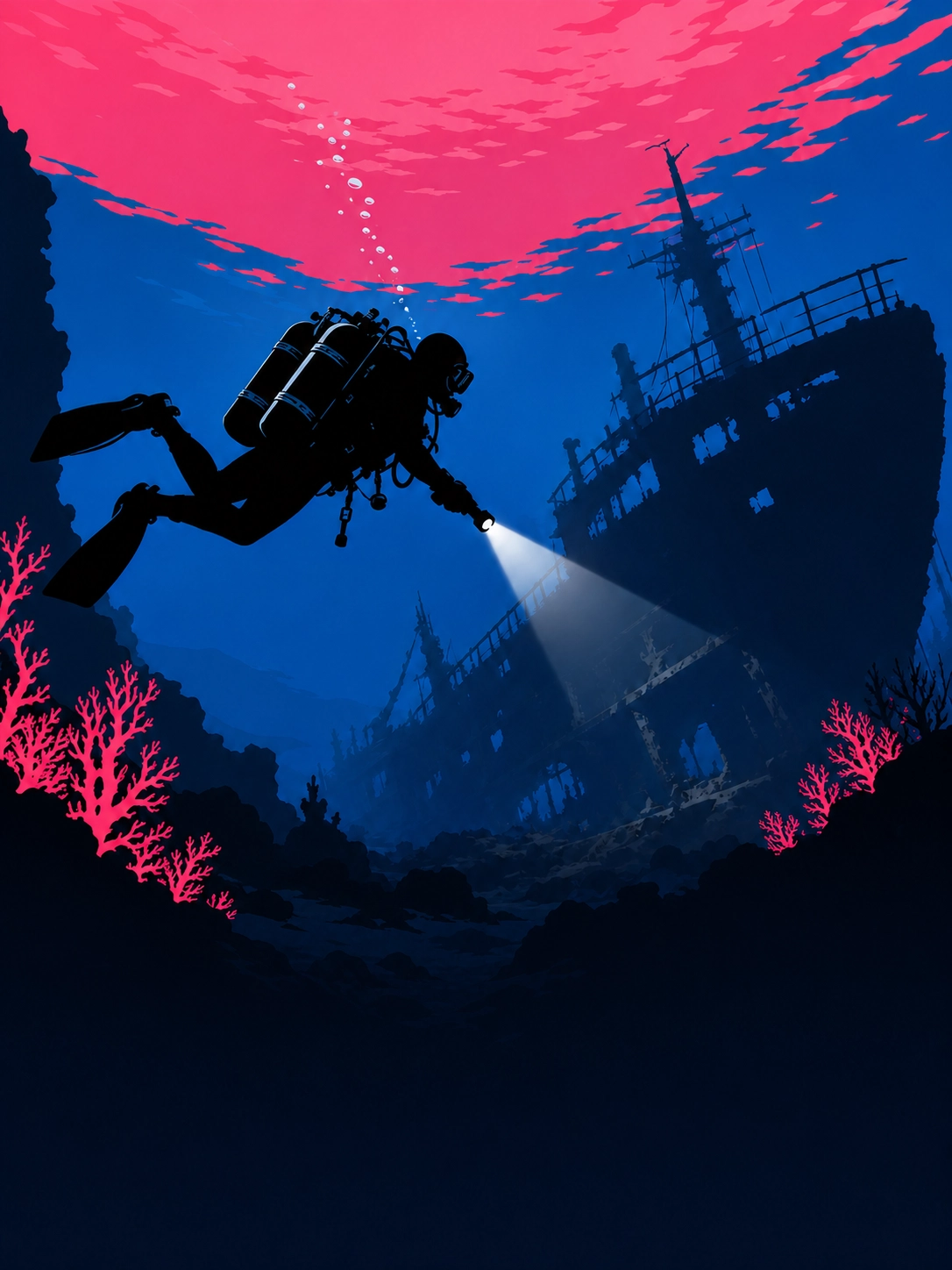
How can I dive the wreck in Diani? The iconic MV Alpha Funguo wreck lies between 22 m and 30 m deep off Diani Beach. Because it exceeds the typical 18 m limit of an Open Water certification, to dive the wreck in Diani you must already hold a qualification that permits dives to at least 30 m. In practice that means Advanced Open Water (or an equivalent rating) or a Deep Diver specialty. Either one gives you the depth range to explore MV Alpha Funguo safely  .

Why do I need further training for this dive site?

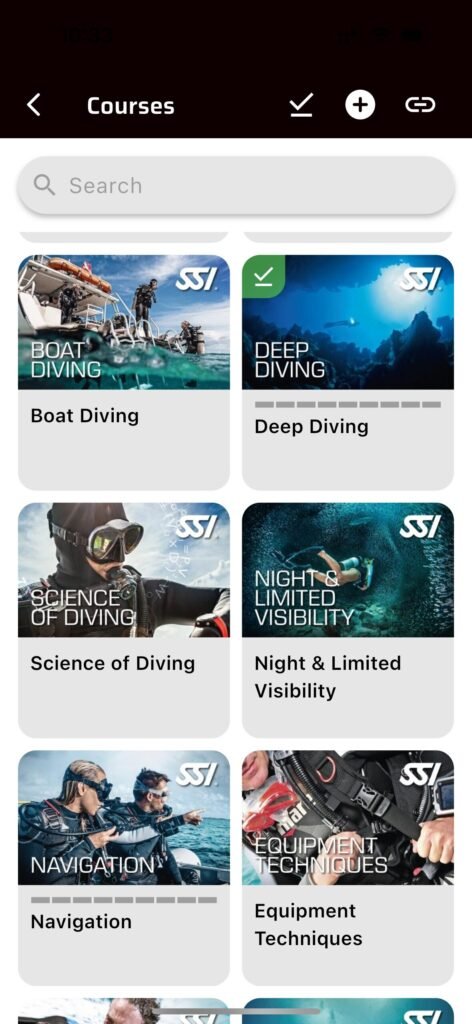
Advanced Open Water Diver raises your maximum depth to approximately 30 m, covering the deepest parts of the wreck itself. A Deep Diver Specialty not extends your range further than this to 40m, but also teaches hazard‑management—gas planning, narcosis control and deeper emergency protocols. This is critical for safe dives on deeper wreck sites like this one . Most agencies require you hold at least one of these before attempting deeper recreational sites like the MV Alpha Funguo.

What courses are available? Can you start immediately?

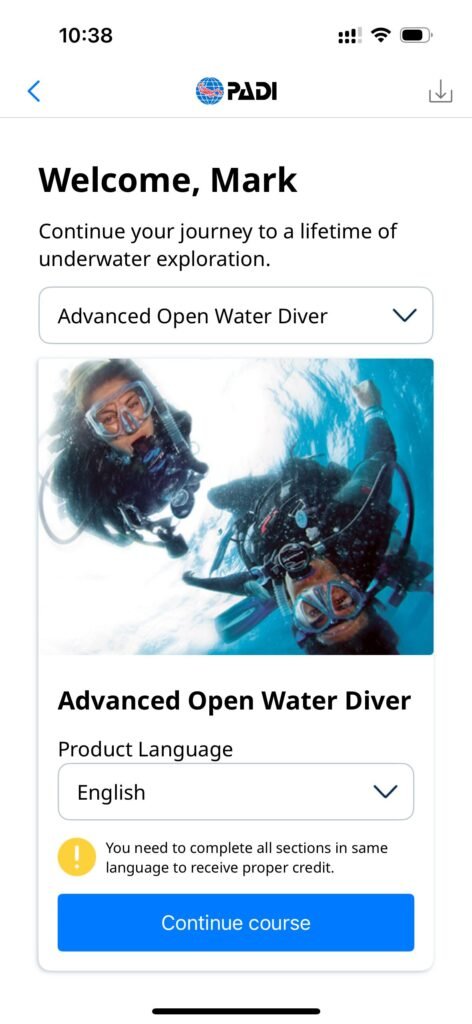
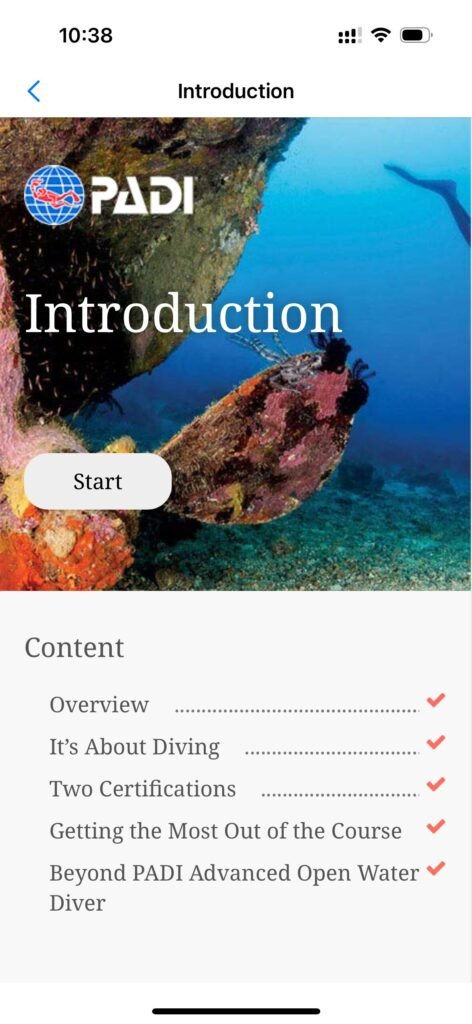
Absolutely—you can begin the moment you’re ready. We offer same‑day enrollment into either the Advanced Open Water (Advanced Adventurer)course, Advanced Alternative Package (Deep/Navigation and Enriched Air Diving) or Deep Diving Specialty courses. Theory is delivered through e‑learning modules that you can complete online before your first dive. If you decide to start the program on the way to the dive sites, no problem. We can get you signed up ont he boot and you can complete the digital learning following the dive day.

What wreck-focused training is available?

To truly unlock the ability to dive the wreck in Diani with confidence, supplementing your depth certification with a Wreck Diver Specialty is ideal. This course focuses on non‑penetration techniques, underwater mapping, risk management around wreck structures and site‑specific navigation. Some centres offer this as a one‑day course directly on MV Alpha Funguo  .

For those intrigued by limited penetration—the brief entry into safe interior sections—SSI Advanced Wreck Diver training is the next step. While the Deep or Advanced level clears you for depth, an advanced wreck specialty teaches you to manage lines, enter safe overhead areas within the light zone, respond to lost‑line scenarios, and further your gas‑management skills under overhead‐environment protocols. You will be introduced to specific equipment for wreck diving and how to use it safely.

These wreck courses are simply an introduction to wreck diving. There are many further courses in Extended Range Diving and wreck penetration from a number of agencies. These will assist in your development as a safe wreck diver.

Introducing our Mission‑Ready Diver package

We’ve designed an all-in-one pathway so you can confidently dive the wreck in Diani. Every specialty in our Mission‑Ready Diver package is engineered to equip you fully to dive the wreck in Diani:

Deep Diving

The Deep Diving specialty extends your depth limit up to 40 m, teaching narcosis awareness, gas planning, and emergency ascent skills crucial for operating at MV Alpha Funguo’s circa 29 m depths.

Advanced Wreck Diving

The Advanced Wreck Diving course introduces overhead‑environment procedures. These include static‑line deployment, careful light‑zone penetration, lost‑line recovery drills and confined‑space buoyancy.

Enriched Air Nitrox Diving

Nitrox training enhances your no‑decompression bottom time at depth, giving you a longer, more comfortable window to inspect the wreck while minimizing stress of worrying about your no decompression limit.

Recreational Sidemount Diving

Diving with a sidemount configuration sharpens trim, reduces drag, and teaches cylinder‑redundancy management. This ideal for threading through tighter apertures and gives you an amazing trim as well as more air sources.

Together, these specialties raise your legal depth allowance, deepen your wreck‑diving skills, extend your bottom time, and optimize equipment handling—so you’ll be fully mission‑ready to dive the wreck in Diani with confidence, safety, and precision.

A brief history of MV Alpha Funguo

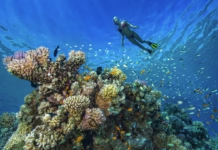
Originally a 45 m fishing trawler, MV Alpha Funguo was intentionally scuttled by a dive centre in Diani on 21 February 2002 to create an artificial reef just off Diani Beach  . The wreck now rests on its side on a sandy bottom, with its highest point at 22 m and its lower reaches at around 30 m deep. Over nearly two decades it’s become a thriving underwater habitat: groupers, rays, turtles, and sometimes sharks now call it home, making it an ideal and visually rich training site for deep and wreck diver specialties .


In summary: to dive the wreck in Diani, you must hold either Advanced Open Water (or equivalent) or a Deep Diver Specialty—i.e., any certification allowing dives to 30 m or deeper. For greater confidence, add the Wreck Diver Specialty (non‑penetration) and, if desired, advanced wreck courses for limited interior access. Training can start today via online theory and continue with in‑water modules arranged at your convenience. Our Mission‑Ready Diver package bundles all necessary steps so you can set sail confidently toward MV Alpha Funguo within days.

Let us know when you’re ready: enrolment opens immediately and we can kick off your online modules within hours so you’ll be diving the wreck in Diani before you know it.

Log Your Dives and Win Big in the SSI Dive Log Challenge

SSI Dive Log Challenge

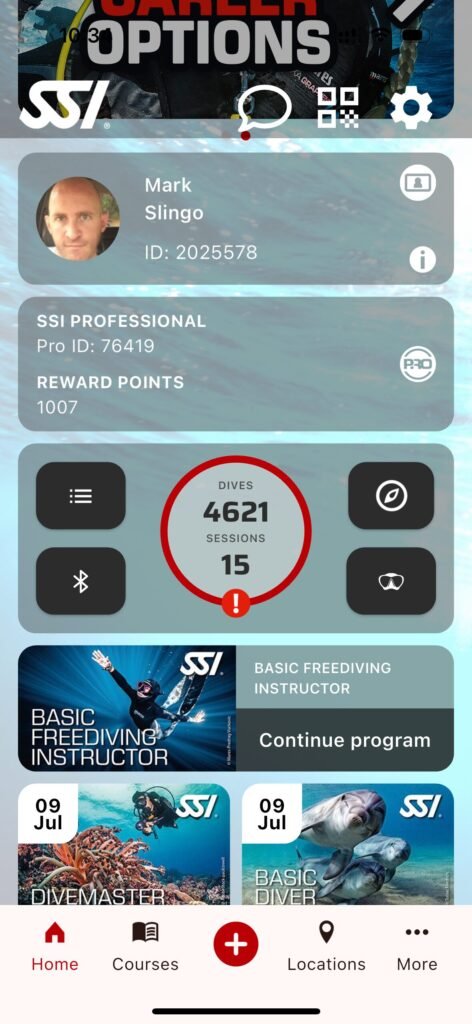
The SSI Dive Log Challenge 2025 is here—and Ocean Tribe divers have a golden opportunity to win prizes, get featured worldwide, and even score a dive holiday in Thailand. Running from July 1st to September 30th, 2025, this exciting global event rewards divers for logging and verifying their dives in the MySSI app.

Whether you’re SSI certified or trained with another agency, if you dive with Ocean Tribe and log at least two verified dives per month, you’re in the running.

What Is the SSI Dive Log Challenge 2025?

The SSI Dive Log Challenge 2025 is a three-month global campaign encouraging divers to log every dive they make between July 1st and September 30th, 2025. Only dives logged and verified in the MySSI app during this time period count as valid entries.

Each dive gives you another chance to win—and you don’t need to be SSI-certified to join. The challenge is open to all certified divers who use the app and have their logs validated by a professional, like your Ocean Tribe instructor or guide.

Incredible Monthly and Grand Prizes

Every month during the challenge, SSI will randomly select winners from the pool of logged dives:

  • One Mares Quad Dive Computer will be awarded monthly
  • Five Mares Force-X Masks will be given away to other lucky participants

At the end of the challenge, one Grand Prize winner will be selected from all entries to win an exclusive liveaboard dive trip to Thailand, sponsored by LiveAboard.com.

It’s one of the most exciting scuba giveaways of the year—and it only takes a few logged dives to enter.

How Ocean Tribe Divers Can Join

Getting involved in the SSI Dive Log Challenge 2025 is easy when you’re diving in Diani with Ocean Tribe:

  1. Download the free MySSI app
  2. Log your dives between July 1st and September 30th
  3. Ask your Ocean Tribe guide or instructor to verify each dive in the app
  4. Log at least two dives per month to stay eligible

Even if your certification is from PADI, RAID, NAUI, or another agency, you’re welcome to participate. The only requirement is to use the MySSI app for logging and verification.

Be Featured in the SSI Hall of Fame

Your dive stories can also earn global recognition. To be featured in the SSI Hall of Fame, share your underwater photos or videos on Instagram or Facebook, tag your Ocean Tribe guide, and use #divelogchallenge or tag @ssi_international.

This is your chance to celebrate your growth, your memories, and the incredible people you meet underwater. Whether it’s your first turtle, a wreck dive, or a stunning coral reef, let your story be seen around the world.

Why It Matters

The SSI Dive Log Challenge 2025 is more than a prize draw. It’s about building good dive habits, tracking your progress, and becoming part of a global community of divers who value safety, skill, and shared experiences. And every dive logged is another moment to remember—and another chance to win.

Dive with Ocean Tribe. Log your adventure. Be part of something bigger.

Scuba Instructor- Your Passport to Travel

scuba instructor

Becoming a scuba instructor doesn’t just give you a career. It gives you a passport to the world. With your certification in hand, you can work anywhere there’s water, from tropical islands to luxury liveaboards, teaching, guiding, and exploring.

It’s a life of freedom, global movement, and meaningful connection. And the journey begins right here with Ocean Tribe’s Diving Instructor Internship Program in Kenya.

A Career That Travels With You

Your scuba instructor certification is recognised around the world. That means you can work across continents, from Europe’s sun-drenched coastlines to Southeast Asia’s island chains and the Caribbean’s turquoise shallows. Dive centres in Thailand, Australia, the Maldives, Egypt, and Mexico all rely on travelling pros. We even have a centre in the Philippines which happily takes seasonal pros following their graduation at Ocean Tribe

You won’t be tied to a desk or a single location. Many instructors live on dive boats, rent beach bungalows, or stay in seasonal crew housing. Resorts and liveaboards often offer contracts that last just a few months, giving you the flexibility to move between jobs and countries at your own pace.

Follow the Seasons: Work Worldwide

Dive work follows the sun. In Europe, countries like Spain, Greece, and Italy see high demand from May to September. These scuba instructor jobs often include accommodation and offer competitive wages. When the European season ends, you can head to places like Thailand, Indonesia, or the Caribbean, where the peak runs from October to March. Kenya, Egypt, and other parts of Africa also offer year-round work with busy holiday peaks.

By timing your moves with the seasons, you can cover most of the year with back-to-back contracts. It’s a rhythm that balances earning, exploring, and growing as a diver.

Skills That Go Wherever You Go

Being a dive instructor gives you more than teaching skills. You develop leadership and risk management, learn how to control groups in the ocean, and gain experience in first aid. These are valuable in many areas of marine tourism, from eco-tours and fishing trips to resort operations.

You also build customer service skills, gear knowledge, and potentially even technical skills like underwater photography or video editing. If you learn local languages along the way, your employability skyrockets. A few words of Spanish in the Canaries or Thai in Koh Tao can make a big difference when applying for jobs.

Travel Light: Gear for the Global Instructor

To make the most of this mobile lifestyle, pack smart. Prioritise a compact regulator and mask that fit into carry-on luggage. Choose a travel-friendly BC/BCD such as a dedicated travel lightweight model or a backplate and wing and light fins that are easy to transport. Rashguards and undersuits should be quick-drying, and a good dive computer is essential for both diving and teaching.

You don’t need to carry heavy tanks or weights, as most centres provide these. Stick to a waterproof travel bag that holds only what you need, including a laptop or tablet for bookings, student records, and communication.

Tech and Tools to Stay Connected

A lightweight laptop or tablet keeps your teaching life organised. You can manage schedules, track student progress, and edit photos or videos for social media. Many dive computers now link directly to logbook apps or training agency platforms like MySSI or DiverLog.

Using apps to learn basic local language phrases will help you integrate more easily and stand out to employers. Staying active on platforms like WhatsApp and social media also helps you keep in touch with other dive professionals and stay informed about job openings around the world.

Why This Life Works

Every new dive contract brings a fresh reef, a new landscape, and a different culture. The skills you carry with you are transferable to a wide range of roles within the marine tourism industry. Seasonal work also builds in natural breaks that let you travel for yourself, explore new regions, and reconnect with why you started this journey in the first place.

This isn’t just a job. It’s a lifestyle built on freedom, curiosity, and a love for the ocean.

Combine Being a Scuba Instructor With Other Remote Careers

Scuba instructing pairs perfectly with other flexible, remote-friendly jobs. Many dive professionals also work as content creators, travel bloggers, or influencers, sharing their underwater adventures online. Others take on freelance roles in photography, writing, or graphic design between dive seasons. The digital nomad lifestyle complements dive work well—you can teach by day, edit videos or write travel blogs at night, and build a personal brand that grows as you travel. Your office might be the beach, your classroom the reef, and your clients from around the world. It’s a career path limited only by your creativity and drive.

Start Your Journey with Ocean Tribe

Based in Diani Beach, Kenya, Ocean Tribe offers one of East Africa’s most comprehensive instructor development pathways. Whether you’re starting from scratch or already a certified Divemaster, our Diving Instructor Internship Packages take you from student to professional with real-world teaching experience, guided mentorship, and access to an SSI Instructor Trainer on staff.

You’ll gain internationally recognised certifications, hands-on experience with real students, and exposure to conservation and accessibility diving. The program includes visa support, affordable accommodation, and job placement assistance. You’ll also be introduced to a network of partner dive centres to help you line up future contracts. It’s not just training, it’s the first step into a nomadic lifestyle as a global dive professional.

Want This Life? Here’s How to Start

If you’re already a Divemaster, Ocean Tribe can help you complete your Instructor Training Course with expert guidance and mentorship. If you’re starting from scratch, join our full internship program and progress from Open Water all the way to Instructor. Along the way, you’ll gain practical experience, refine your dive skills, and build the confidence to teach in real-world environments.

You’ll also receive support with work visas, job hunting, and planning your first overseas contracts. We’ll help you prepare for a life of travel, both in and out of the water.

Ready to Pack Your Dive Gear and Passport?

Ocean Tribe doesn’t just train instructors. We launch global diving careers. If you’re ready to explore the world reef by reef, start with us in Kenya. Your future is out there—floating over coral, drifting in currents, and meeting people from every corner of the globe. Let’s dive in.

How to Improve Your Air Consumption as a Scuba Diver

improve your air consumption

If you’re looking to stay underwater longer and feel more in control of your dives, the solution is simple: improve your air consumption. It’s not just about breathing less. It’s about moving more efficiently, staying relaxed, and developing better habits in the water. Below are key areas every diver should focus on, along with courses offered at Ocean Tribe that turn those actions into instinct.

Be Relaxed

The fastest way to improve your air consumption is to relax. Tension raises your heart rate, increases your oxygen demand, and leads to shallow, fast breathing. Instead, focus on calm, steady breaths and smooth movements. The more at ease you are, the slower you breathe, and the longer your tank lasts. Divers who master this calm state often see a noticeable increase in bottom time on every dive.

Make Sure You Have a Good Trim

Trim is your body’s position in the water. A diver with proper trim stays horizontal and balanced, gliding through the water with minimal resistance. When your body is angled or out of balance, you kick harder and breathe more. Proper trim reduces drag and helps you move more naturally, which can significantly improve your air consumption on every dive.

Work on Your Lung Volume and Breathing Technique

Learning to control buoyancy with your lungs—rather than constantly inflating or deflating your BC—makes a major difference. When you rely on small shifts in breath volume to make micro-adjustments in depth, you stay more stable and conserve air. Add in deep, diaphragmatic breathing with slow, controlled exhales, and you’ll find your breathing becomes both more efficient and more comfortable underwater.

Streamline Yourself and Your Equipment

Improving your air consumption is also about how you set up your gear. Unsecured hoses, bulky accessories, or poor trim can increase water resistance and force you to work harder to move. Streamlining your equipment setup helps reduce drag, keeps your profile clean, and allows for more efficient propulsion with fewer wasted breaths.

Work on Your Propulsion

The way you kick has a direct effect on your breathing rate. Large, rapid flutter kicks require more effort and spike your oxygen use. Switching to slow, deliberate frog kicks or modified back kicks helps you cover distance with less effort. Efficient propulsion means less muscle fatigue, a lower heart rate, and ultimately, better air consumption. Short story. The more you move the quicker you use your air. Make yourself efficient to maximise your air.

Physical Condition

Your overall fitness, comfort, and thermal protection all influence how much air you use. A cold or unfit diver will naturally breathe harder. Staying fit, hydrated, and properly equipped for conditions will improve your baseline efficiency and help you avoid unnecessary stress that leads to higher air consumption. It’s also critical to ensure your gear is well-maintained, with no leaks or inefficiencies that waste air before you even notice.

Courses That Help You Improve Your Air Consumption

At Ocean Tribe in Diani, we offer SSI specialty courses specifically designed to help you improve your air consumption by building better in-water habits and planning techniques.

Perfect Buoyancy is the starting point for most divers looking to dive longer and more efficiently. You’ll learn how to adjust your trim, control your buoyancy through breath, and glide effortlessly underwater. The skills you build here have a direct impact on air use and comfort.

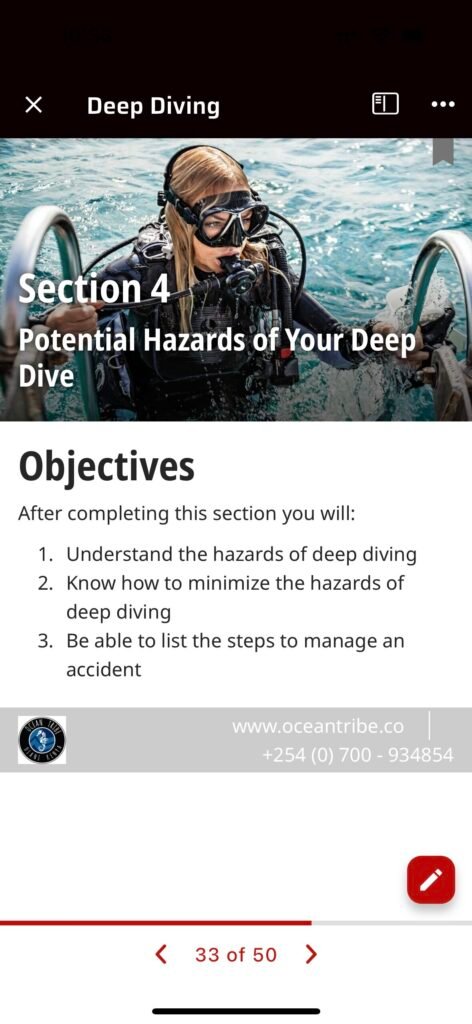
Deep Diving takes it further by teaching you how pressure affects your breathing rate and how to plan dives using Surface Air Consumption (SAC) calculations. By understanding how your gas usage changes with depth, you can better manage your air and avoid unnecessary stress during deep dives.

Freediver courses are the best way to work on air management. They teach you about minimal movement for maximum efficiency and breathing techniques. An invaluable skill set to have even as a scuba diver.

Courses might help on some tips but the real way to solve it is dive experience and working on the techniques shown above.

Improve Your Air Consumption—One Dive at a Time

To improve your air consumption, start with small changes. Breathe slowly, stay streamlined, master your buoyancy, and move with intention. If you wish, build on those habits with structured training through courses like Perfect Buoyancy and Deep Diving at Ocean Tribe.

You’ll not only dive longer. You’ll dive better.

Your First Dive Computer- A Guide to Buying

First dive computer

Diving into scuba for the first time is thrilling—and picking the right first dive computer can make that experience safer, more comfortable, and ultimately more fun. A dive computer isn’t just a gadget; it becomes your underwater partner, constantly measuring depth, time, ascent rate, and dissolved‑gas loading—then using a decompression algorithm to guide your safe return to the surface  . As you prepare to choose your first dive computer, this guide leads you step‑by‑step through the features that matter.

Why This Matters for Your First Dive Computer

At its core, every dive computer tracks depth versus time to calculate no‑decompression limits, warn you of ascent‑rate excesses, and log your dive profile  . Unlike tables, the computer adapts to what you actually do underwater—real‑time data, dynamic guidance, fewer risks, and far more confidence  . For a diver’s very first dive computer, intuitiveness, reliability, and safety-critical clarity should come first. Everything else—compass, air integration, gas switching—is icing on the cake as your diving grows.

When you plunge into your first open‑water dives, the essential screen data you need are depth, elapsed time, and remaining no‑decompression time  . Beyond that, every reliable first dive computer should track ascent rate, manage enriched‑air (nitrox) if you’re already trained, and display battery status and surface‑interval warnings  . You want that information simple, unambiguous, and easy to read even if stress levels rise underwater .

Feature Layers: Starting Simple, Expanding Later

For your dive computer, beginners often benefit from a basic, all‑in‑one unit: depth, time, safe‑ascent guidance, nitrox support, and a rugged, easy‑to‑read display. A first dive computer like the Mares  Puck or Suunto  Zoop Novo fits this profile: straightforward menus, user‑replaceable batteries, large digits, and rock‑solid reliability. As one Reddit diver explained, “You can go for [a cheap computer], wireless AI is a nice gadget, but you can keep it for later”  .

When you’re ready to step up—adding features such as air integration, tilt‑compensated compass, rechargeable battery systems, and mixed‑gas support—mid‑range first dive computers like Shearwater’s Peregrine  TX or Tern TX, or Suunto’s D5, offer flexibility without overwhelming new divers.

Air‑Integration and Digital Compass

Air‑integration allows your first dive computer to show cylinder pressure and calculate air‑time‑remaining—comforting and convenient, but only critical once you’re diving nitrox or planning multiple dives per day  .

Digital compasses eliminate the need for a separate navigation tool underwater—ideal for clear, drift, or wreck diving scenarios. Many models include compasses built‑in; base variants skip them to keep cost and complexity down.

Battery Decisions

Your first dive computer will either use a rechargeable lithium‑ion battery (sealed, USB‑charged) or a user‑replaceable coin cell. Replaceable types (common in budget units like Zoop 2 or Mares models) are easy to swap in the field and preferred for remote travel. Rechargeable units (in Suunto D5, Shearwater Peregrine TX, Shearwater Teric) offer day‑to‑day convenience, but need reliable charging before each trip  .

Growth Path: From Basic to Tech‑Ready

Your first dive computer should feel comfortable from dive one, but not box you in for dive fifty. If you’re considering sidemount, nitrox or technical courses down the line, choose a model that lets you upgrade firmware, switch gases, or add air‑integration later. The Garmin Descent 3, Shearwater Perdix 2 or Teric series supports full tech features—gas switching, trimix, adjustable algorithms—making them ideal first dive computers for future tech divers.

Smartwatches

Some divers treat their first dive computer as a trusty daily smartwatch too. Apple Watch Ultra/Ultra 2, when paired with Oceanic+ app, and Garmin Descent  Mk3 deliver dive‑ready modes, fitness tracking, and smartwatch convenience. For beginner divers not exceeding recreational limits, these can serve as capable first dive computers—especially if you already use them on land.

Does the Dive Computer Export to an App?

In today’s dive‑tech ecosystem, the relationship between your first dive computer and mobile ecosystem matters nearly as much as the device itself. Whether or not your first dive computer has a corresponding app, or links to agency logbooks or third‑party platforms, impacts how smoothly you’ll manage your dive data, training records, equipment logs and share adventures.

Brands like Suunto offer a strong logbook connection: the D5 wirelessly uploads dive data via Bluetooth into the Suunto app, which doubles as a clean, well‑designed logbook interface and syncs to desktop tools like DM5  . Shearwater’s Teric and Tern models connect via Bluetooth to Shearwater Cloud and third‑party apps like Subsurface or MacDive—owning both hardware and app ecosystem lets users effortlessly sync profiles, share notes, and review dive data later  . Likewise, Garmin’s Descent series integrates tightly with the Garmin Dive app and Garmin Connect, where surface GPS mapping, gear tracking, and detailed dive analytics—including gas usage—are available  .

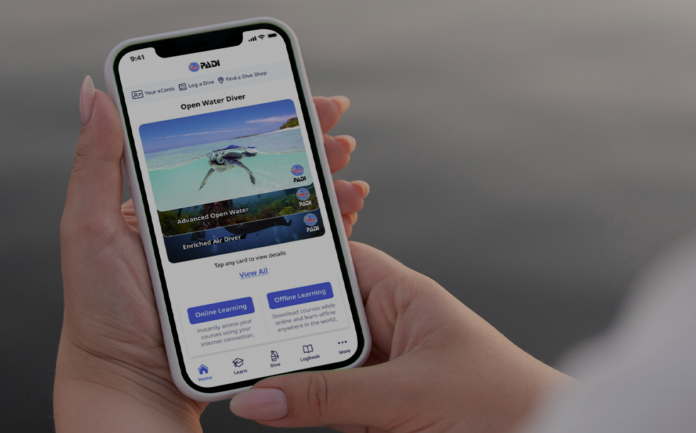
Beyond manufacturer apps, a vibrant third‑party landscape—such as DiveMate, Deepblu, Subsurface or Divelog—supports data imports from multiple brands and log‑file formats, plus features like photo‑rich dive sharing, buddy lists, and certifications syncing  . Some training agencies (SSI, PADI etc.) provide their own logs—SSI’s MySSI app even integrates Mares connectivity and SCUBAPRO LogTRAK dives directly to agency records  .


Conclusion: Choosing Your First Dive Computer

Every first dive computer should excel at the basics: clear depth‑time‑no‑deco readouts, safe ascent guidance, enduring battery, and intuitive operation. Start with a simple, rugged model if you’re dipping toes in holiday‑style diving. If your ambition lies in advanced nitrox or technical diving, invest in a machine built for upgradeability from day one—ideally with air integration and compass options.

Your first dive computer becomes your underwater partner—one that should fit your current experience level, grow as you grow, and always keep you safely headed toward the surface. Match features to your plans, balance budget and aspirations, and pick the model that helps you dive with clarity, comfort, and confidence.

Shearwater Teric with SWIFT: The Best Dive Computer I’ve Owned

Mark's shearwater teric

If you want a dive computer that transitions seamlessly from recreational to technical—and even freediving—the Shearwater Teric, paired with the SWIFT transmitter, is an exceptional choice. It delivers everything I value: stylish design, reliable performance, and streamlined functionality.

Elegant Watch-Style Design, Customised to You

The Shearwater Teric looks and feels like a sleek wristwatch. It features a vibrant 1.39″ AMOLED display beneath a sapphire crystal, surrounded by a 316 stainless steel bezel and buttons  . Its watch-style aesthetic is enhanced by interchangeable 22 mm straps. Added to this you can customise the display with different colours to match your strap, mood, or dive gear.

Display & Compass – Clear and Always Available

Underwater clarity matters. The AMOLED screen is sharp and easy to read, even in strong sunlight or low visibility. Crucially, the built-in 3-axis, tilt-compensated compass can remain always-on, making it my go-to for underwater navigation.

Battery & Charging – Long-Lasting and Convenient

After two one-hour dives, the Teric had only used around 8% of its battery. That’s impressive even by 30-hour dive rating standards  . It supports wireless charging via Qi-compatible pads or its own induction stand  .

I have heard some users report battery performance softening after two years, but wireless charging keeps it hassle-free .

Controls & Alerts – Four Buttons, Intuitive Navigation

The Teric’s four physical buttons unlock a menu system designed around situational logic. One button can be customized for quick access to tools like the compass or stopwatch  .

Alerts can come through vibration instead of annoying loud beeps, which is practical and less obtrusive in dive settings. That being said, it can beep if you wish.

Air Integration – SWIFT Transmitter Compatibility

With support for up to four SWIFT transmitters, it’s ideal for both recreational and sidemount technical dives  .

I’ve used two transmitters when diving sidemount. The Shearwater Teric handles GTR (Gas Time Remaining) and pressure monitoring flawlessly  .

SWIFT’s smarter transmission avoids interference issues common in multi-tank setups  .

Do note: I recommend carrying a backup SPG in the unlikely event you were to get a rare SWIFT failure.

Diving Modes & Usability

Whether you’re freediving, recreational diving, open-circuit tech, or closed-circuit, the Teric has a mode for it  .

Menu navigation is easy. In the field, I consistently manage settings using just the four buttons. Transitioning between freedive, recreational, and technical dives is seamless.

Logging & Connectivity

Bluetooth syncs dive logs effortlessly with Shearwater Cloud, and I link it to MacDive for reliable record-keeping.

Sadly it doesn’t connect with PADI or SSI log apps—but that’s due to their app architectures, not Shearwater’s  .

Downsides – What to Keep in Mind

  • Watch face activation requires pressing a button, not a cover-up feature but a battery-saving design. A bit annoying when wearing it as a watch
  • Screen size could feel small compared to models like the Perdix. But the clarity of a high-res AMOLED display compensates  .
  • Price puts it in premium territory, with price north of $1000. But for what it offers in build quality, battery, display, air integration, it delivers significant value.

Final Thoughts

The Shearwater Teric with SWIFT is the best dive computer I’ve ever used. It blends high-end design, usability, and depth of functionality masterfully. Whether you dive recreationally, explore technical depths, or practise freediving, the Teric covers all bases without overwhelming complexity.

If you appreciate a sophisticated watch-style computer and value clear underwater visibility, long battery life, dependable air integration, and intuitive operation—you’ll find this is a worthwhile investment.

If You Don’t Need All the Features: Consider Tern TX or Peregrine TX

Not every diver needs the full feature set of the Teric. If you’re after a sleek, capable dive computer without the technical dive bells and whistles, these two models are excellent alternatives:

Shearwater Tern TX

  • Compact, watch‑style design with a bright 1.3″ AMOLED screen—nearly as crisp as the Teric’s, but smaller and lighter  .
  • Includes air integration (up to four SWIFT transmitters) and a digital compass—just like the Teric, but trimmed down for sport divers  .
  • Four-button control with intuitive menus; haptic warnings available  .
  • Battery provides about 20 hours of dive time, plus wireless charging  .
  • Ideal if you value a sleek form factor and don’t plan to do trimix or closed‑circuit diving.

Shearwater Peregrine TX

  • Offers a much larger 2.2″ backlit LCD screen—excellent visibility even in low-light conditions  .
  • Includes air integration for up to four tanks and a built-in compass  .
  • Robust wrist console design, still comfortable despite its size  .
  • Same 30‑hour battery life and wireless charging base as the Teric, plus USB‑C charging  .
  • Slightly less vibrant display than the Teric, but its clarity and size make it a standout for those who prefer larger readouts  .

Which Should You Choose?

  • Choose Tern TX if you appreciate the Teric’s form and simplicity, want air integration and compass, and prefer a lighter, more everyday-watch-like size.

• • Opt for Peregrine TX if you prioritize screen readability above all, even at the cost of bulk—and still want top-tier air integration and battery performance. Reddit users note:“…the Tern TX is everything you could want from a rec version of Teric…”  “Peregrine TX … larger screen is easy to see… very intuitive programming.”  

Dive and Safari Kenya Package | 10-Day Tsavo East

dive and safari kenya package

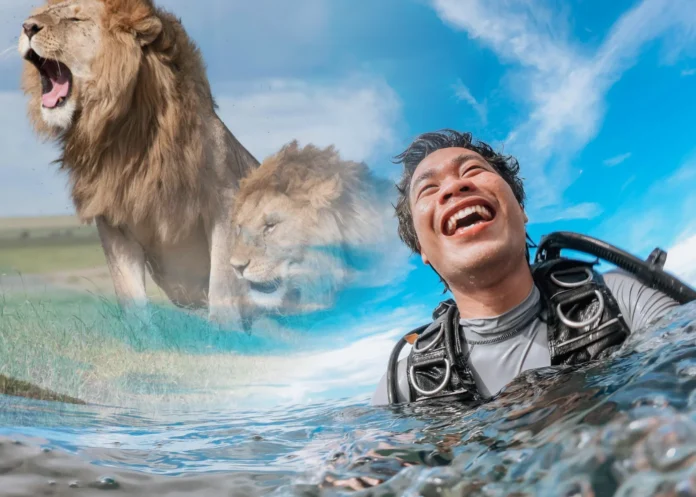
Looking for the ultimate African experience? The Dive and Safari Kenya Package is your perfect match. This 10-day trip combines tropical diving with big game safaris. You’ll explore coral reefs, relax on a white-sand beach, and go in search of elephants and lions. All in one incredible journey.

Start with the Sea

Your trip begins in Diani Beach, one of the most beautiful coastlines in Kenya. For seven nights, you’ll stay at Leopard Beach Resort & Spa, a beachfront retreat with stunning views and relaxing comforts.

Each morning, you’ll head out with Ocean Tribe for guided dives. Over five days, you’ll explore coral reefs, a shipwreck, and tropical marine life. The package includes six dive trips. That’s 12 dives in total. One of the highlights is a full-day trip to Kisite Marine National Park, famous for its dolphins, turtles, and vibrant coral.

After diving, you’ll have time to relax by the pool, enjoy Swahili food, or explore Diani’s shops and local culture. Whether you’re new to diving or a pro, this part of the trip is packed with adventure.

Then Into the Wild

On Day 8, it’s time to leave the beach behind and head inland. You’ll board a First-Class train from Mombasa to Voi. From there, a private driver will take you to Satao Camp inside Tsavo East National Park.

This luxury tented camp sits by a busy waterhole, where elephants, giraffes, and even lions come to drink. You’ll enjoy two nights here, with four game drives included. Expect sunrise safaris, sundowners in the bush, and candlelit dinners under the stars.

By Day 10, you’ll return to the coast — full of stories, photos, and unforgettable memories.

Why Choose the Dive and Safari Kenya Package?

  • 7 nights in Diani Beach + 2 nights in Tsavo East
  • 12 dives including Kisite Marine Park
  • 4 game drives in a 4×4 safari vehicle
  • First-class train travel and private transfers
  • Full board on safari, half board on the coast
  • Hosted by Ocean Tribe — Kenya’s leading dive centre

This trip is ideal for couples, friends, or solo travellers. It’s the best of Kenya above and below the surface — all in one seamless adventure.

Learning to Dive- My Experience

Marj’s Experience Learning to Dive

Learning to scuba dive is one of the most exciting and life-changing adventures you can have—and Marjorie is proof of that.

Marj joined us at Ocean Tribe in Diani Beach to complete her SSI Open Water Diver course and then continued straight into the Advanced Adventurer program. In this video, she shares her experience, the challenges she overcame, and what it felt like to take her first breaths underwater.

🎥 Watch her story here:

From day one, Marj brought an open mind, a sense of humour, and a willingness to try something completely new. Like many new divers, she wasn’t quite sure what to expect—but quickly fell in love with the ocean world.

In her own words, she talks about the support she received from her instructor, the friendships she made, and how each dive helped build her confidence. She also dives into (literally and figuratively!) the highlights of her Advanced Adventurer dives—like going deeper than she ever thought possible and learning to navigate underwater.

Whether you’re curious about scuba diving or already planning your first course, Marj’s story shows just how rewarding the journey can be. Take inspiration from her experience learning to dive.

Inspired by her story? Join us in Diani and start your own adventure.

Your journey could be next!
#DiveSSI #OceanTribeKenya #LearnToDive #WomenWhoDive

Empowering Disabled Divers: Understanding the SSI Classified Diver Program

SSI Classified Diver

Scuba diving can be life-changing for anyone — especially for people with disabilities. With proper training and support, the underwater world becomes more accessible than ever. This article explores the SSI Classified Diver Program, a scuba training path designed for divers with physical, sensory, or cognitive challenges. We’ll explain how it works, the different classification levels, who it’s for, and how it compares to similar programs like PADI’s Adaptive Techniques and the Handicapped Scuba Association (HSA). You’ll also get insights from Ocean Tribe, a dive center in Diani Beach, Kenya, led by a paraplegic instructor. Let’s dive in and discover why scuba diving empowers disabled individuals — and how you can get started.

What Is the SSI Classified Diver Program?

The SSI Classified Diver Program helps people with disabilities learn scuba diving safely. Developed by Scuba Schools International (SSI), this program uses adaptive techniques to match each diver’s needs. It teaches essential scuba skills while accommodating various physical or sensory limitations. Updated in 2020, the program has grown in popularity and effectiveness.

Unlike creating a separate course, SSI adapts the standard Open Water Diver course. Instructors adjust techniques and allow assistance where needed. For example, a diver with limited leg use might focus on arm propulsion. A trained assistant can help with gear setup or water entries. The student completes theory sessions, confined water skills, and open water dives — just like any diver, but at their own pace and ability.

Every Classified Diver dives with support. Their certification card shows their required assistance level. This ensures safety while promoting independence. SSI encourages forming inclusive dive teams. It’s not just about an individual and their instructor. It’s about building dive communities where all divers feel welcome.

Understanding the Levels in the SSI Classified Diver Program

After training, divers are certified at Level 1, 2, or 3. Each level reflects how much assistance they need. Here’s a quick breakdown:

  • Level 1 – Most independent. The diver needs just one Classified Dive Buddy.
  • Level 2 – The diver needs a team of two trained buddies.
  • Level 3 – Requires two buddies plus a trained Classified dive professional (like an instructor).

Each diver’s card shows their level. This helps dive operators plan the right team setup. Importantly, these levels are based on water skills — not land-based diagnoses. Two people with the same disability may be at different levels, depending on their in-water ability.

SSI encourages progress. A Level 3 diver may improve over time and move to Level 2. The program builds confidence and celebrates every achievement.

Who Can Join the Program?

The program welcomes anyone with a disability — physical, sensory, or cognitive — as long as they have medical clearance to dive. Here’s who can benefit:

  • Mobility impairments: Paraplegics, amputees, and those with spinal injuries can dive using adaptive gear and techniques.
  • Sensory impairments: Blind or deaf divers use touch, visual cues, and modified signals to dive confidently.
  • Neurological conditions: Conditions like cerebral palsy, MS, or Parkinson’s can be accommodated with personalized instruction.
  • Cognitive/developmental disorders: Students with autism, Down syndrome, or brain injuries benefit from patient, repetitive instruction tailored to their learning style.

This program doesn’t label people by what they can’t do. It focuses on what’s possible under water.

How SSI Classified Diver Program Compares to PADI and HSA

SSI isn’t the only organization offering adaptive diving. Let’s compare:

  • PADI Adaptive Techniques: PADI doesn’t offer a separate certification for disabled divers. Instead, instructors adapt standard training for each student. They use creative techniques to help students meet regular performance requirements. PADI also offers an Adaptive Support Diver course to train buddies. This approach emphasizes inclusion but doesn’t issue special certification cards.
  • HSA (Handicapped Scuba Association): HSA is an independent body that certifies disabled divers using a three-tier system (Levels A, B, C). Their levels mirror SSI’s 1–3. HSA also trains instructors and dive buddies specifically for adaptive diving. The main difference? HSA operates outside the major agencies, while SSI integrates the program into its core system.
  • SSI Classified Diver: SSI combines the structure of HSA with the accessibility of a major agency. The classification card clearly shows the diver’s support needs. Any SSI dive center with qualified instructors can offer this training, making it more widely available.

Real-World Impact: Ocean Tribe’s Experience

Ocean Tribe, based in Diani Beach, Kenya, leads by example. The center is run by Mark Slingo, the world’s only paraplegic SSI Instructor Trainer and PADI Course Director. After a life-changing accident in 2005, Mark returned to the ocean and built a career training divers and professionals. He shows firsthand that disability is not inability.

At Ocean Tribe, all instructors are trained in adaptive diving. They include SSI Classified Instructor training in their pro programs. This builds a culture where inclusion is the norm, not an exception. During Adaptive Diving Week in 2024, Ocean Tribe hosted discover scuba sessions for disabled participants and led instructor training events.

Seeing an instructor in a wheelchair leading dives sends a powerful message. Students feel seen, supported, and inspired. Many describe scuba diving as their first experience of true freedom — moving effortlessly in all directions, beyond the limits of wheelchairs or crutches.

Ocean Tribe proves that inclusive diving works. They’ve trained adaptive divers and even paraplegic instructors. Their mixed training environments — where disabled and non-disabled students learn side by side — make the dive community stronger and more empathetic.

How Diving Empowers Disabled People

Underwater, gravity disappears. This changes everything. Wheelchair users can glide through reefs, float with fish, and explore wrecks. Diving builds strength, improves coordination, and reduces spasms. It’s even therapeutic for conditions like cerebral palsy and chronic pain.

Mentally, diving calms the mind. Deep breathing and underwater focus reduce anxiety and promote mindfulness. Many adaptive divers report improved mood, confidence, and self-worth. It’s also deeply social. Divers become part of a global community — one that values adventure, teamwork, and inclusivity.

Diving reminds you what’s possible. It shifts the focus from limitation to ability. For many, it becomes a life-changing hobby or even a career.

Getting Started: A Quick Guide

  1. Get Medical Clearance: Complete the SSI medical form. A dive doctor or general physician needs to confirm you’re fit to dive. Be open and honest about your health.
  2. Find a Dive Center: Look for SSI Classified Centers or instructors trained in adaptive techniques. Contact them, share your needs, and ask how they support adaptive divers. A good center will listen and adapt.
  3. Check Gear Options: Most divers use standard gear with minor modifications. Your instructor will help you customize your setup. Webbed gloves, alternate fin styles, or buddy assistance can help.
  4. Train at Your Pace: You’ll start in a pool or calm water. Practice skills, build comfort, and take your time. Once ready, you’ll do open water dives to complete certification.
  5. Join the Dive Community: After certification, stay involved. Go on dive trips. Connect with other divers. Take more courses. Be proud of your achievement and inspire others.

Final Thoughts

Scuba diving is for everyone. With the SSI Classified Diver Program and inclusive dive centers like Ocean Tribe, the ocean is now open to all. If you’ve ever dreamed of diving — no matter your ability — take the first step. The underwater world doesn’t care how you enter. It welcomes you for who you are: a diver.

Let your journey begin. The water is waiting.

Kenya in a Wheelchair: Safari, Scuba Diving, and Travel Tips

Diani Beach Kenya in a wheelchair

Traveling to Kenya as an active wheelchair user and adaptive diver can be a life-changing adventure. From rolling through savannahs on safari to exploring vibrant coral reefs in the Indian Ocean, Kenya offers accessible experiences for travelers of all abilities. With thoughtful planning and realistic expectations, you can enjoy Kenya’s wild beauty comfortably, safely, and independently. Kenya in a wheelchair can be possible.

Let’s explore practical tips on accessible safaris, accommodations, ground transport, and adaptive scuba diving. This guide to travel Kenya in a wheelchair combines useful details with a warm, empowering tone to get you excited about what’s possible.

Accessible Safaris in Kenya

Yes, you can go on safari! Thanks to specialized tour operators, wheelchair users can experience world-famous wildlife reserves without leaving their comfort zone. Many safari companies provide 4×4 vehicles fitted with ramps, tie-downs, and raised ceilings. These features let you roll in and remain in your wheelchair throughout the game drive if you prefer.

Game drives typically explore expansive plains, woodlands, and riverbanks. Some parks are flat and more accessible than others. With private conservancies, you get a quieter, more flexible experience. Expect sightings of elephants, giraffes, lions, and countless antelope. The open design of safari vehicles offers fantastic visibility, even from a seated position.

Adaptive safari-friendly camps now include tents and lodges with level access, wide doors, and spacious bathrooms. Even when a bathroom lacks fixed grab bars or a roll-in shower, good operators often bring portable equipment like shower chairs or ramps. They can also adjust your tent’s location for proximity to the dining area. Staff are usually happy to assist with moving across uneven ground.

Safari terrain can be bumpy and dusty. To stay comfortable, use an extra seat cushion and consider strapping in if needed. Bring a scarf or dust mask for dry season trips. A track wheel, front wheel or freewheel off-road front wheel, or power assist device can greatly improve your independence on camp paths.

For long game drives, ask for a split schedule: morning and late afternoon sessions with a midday break. Don’t hesitate to rest when needed. Also, stay hydrated, wear a hat and sunscreen, and bring any medication you need for pain or muscle spasms. With good communication and preparation, the safari experience becomes smooth and deeply rewarding.

Finding Accessible Accommodation

Kenya offers accessible places to stay in cities, on the coast, and in the bush. Options range from budget guesthouses to luxury lodges. While not every place meets global accessibility standards, many go above and beyond to help guests with disabilities. Ocean Tribe can help with planning there.

Larger city hotels often have at least one or two adapted rooms with wide doors, step-free entry, and bathroom features like roll-in showers and grab bars. Always contact the hotel in advance to confirm the room setup. Ask clear questions about bathroom layout, door widths, and access routes.

At the beach, many resorts are single-story and spacious. Paved pathways, ramps to common areas, and helpful staff make coastal stays relaxing. Some properties even offer beach wheelchairs or help accessing the sand. If you’re budget-conscious, newer apartments or rentals may be suitable, especially those built with lifts or ground-floor entry.

In safari regions, lodges vary in accessibility. Luxury camps are more likely to have adapted tents. Even basic camps can work with a few modifications. Many operators travel with equipment like commode chairs, so ask what’s available. Good operators also keep tents close to central areas and help with transfers over rough ground.

Wherever you stay, charge medical devices in advance. Bring a plug adapter and backup battery for peace of mind. Power outages are rare in the city but more common in rural areas. Carry essential aids like a portable grab bar, shower stool, or transfer board if you need them.

Getting Around Kenya in a Wheelchair

Getting around requires some strategy. Public transport isn’t accessible, so plan to use private transfers or tour vehicles. Fortunately, a few companies offer vans with ramps or lifts. Book these in advance, especially for airport pickups or long-distance travel.

Kenya’s main airports provide wheelchair assistance. Staff can meet you on arrival and help with immigration and baggage. Still, carry important removable parts of your wheelchair—like the joystick or cushion—in the cabin. Always tag your chair clearly.

In cities, sidewalks are often uneven and rarely ramped. To explore, consider hiring a car and driver. It’s affordable and more convenient than self-driving. Drivers are generally helpful and will assist with folding chairs or offering a hand at curbs.

Long-distance trips can be done by road or train. Domestic flights may involve small planes with no boarding ramps, so check if transfer assistance is available. The modern train between Nairobi and Mombasa is a great alternative. It offers elevators and staff who assist wheelchair users.

Bring a basic wheelchair repair kit and extra charger. If something breaks, replacement parts may be hard to find quickly. Also, save emergency contacts in your phone and carry a local SIM or international plan.

Adaptive Scuba Diving in Kenya

Kenya’s warm Indian Ocean isn’t just for sunbathing—it’s an incredible place to scuba dive, even with a disability. Diving is one of the few sports where a wheelchair becomes irrelevant. Underwater, we all float and move freely.

Ocean Tribe, based in Diani Beach, specializes in adaptive diving. Led by a wheelchair-using instructor trainer, their team has extensive experience supporting disabled divers. Whether you’re paraplegic, an amputee, or someone with limited mobility, they can create a tailored experience to suit your needs.

Introductory dives begin in a pool, where you learn to use the gear and practice breathing. If you’re comfortable, you can progress to shallow reef dives. Instructors adjust techniques to match your mobility and always dive with close supervision. Safety is the priority, and training moves at your pace. We offer all SSI courses for divers of any ability and for those divers whose condition might prevent them earning a full certification we have the SSI Classified Diver program.

The reefs of Kenya are stunning. Expect to see coral gardens, angelfish, turtles, moray eels, and more. Visibility is usually excellent, and water temperatures are warm year-round. You won’t need to wear a thick wetsuit. Adaptive gear like webbed gloves or modified fins can make diving easier. Ocean Tribe has much of this on hand.

The dive team helps with boat access and transfers. We leave wheelchairs behind when on smaller dive boats. If needed, staff will carry you safely. Once in the water, the sense of freedom is profound. Many divers say it feels like flying.

If diving interests you, get medical clearance in advance. Bring your prescription mask or familiar wetsuit if preferred. Let the dive center know your exact needs so they can prepare the right gear and plan.

Final Thoughts: Travel with Confidence

Traveling with a disability always takes extra preparation. To travel Kenya in a wheelchair, some infrastructure may be lacking, and assistance might be improvised. But the experiences on offer are rich, authentic, and unforgettable.

Be clear about your needs, carry backup gear, and build flexibility into your plans. Talk openly with your tour operator or dive center. Choose partners who understand disability and want to make your trip easy and empowering.

Kenya welcomes travelers with open arms. From the wide savannahs to the blue ocean, the country offers adventure, beauty, and the chance to push beyond your limits. You’ll return with new memories, confidence, and stories you’ll tell for life.

So pack your spirit of adventure and get ready. Magical Kenya is waiting. And yes — it can be wheelchair accessible.

Learn to Dive Platinum Package

COURSE PACKAGES