Home Blog Page 14

Top Dive Instructor Jobs: Where Can Your Certification Take You?

Dive instructor jobs

If you’re training to become a dive pro, you’ve likely asked yourself: What kind of dive instructor jobs are actually out there? The good news is that the scuba world is full of exciting possibilities. Your dive instructor certification isn’t just a license to teach—it’s a passport to a lifestyle that’s as adventurous and diverse as the ocean itself.

At Ocean Tribe in Diani Beach, Kenya, we’ve trained instructors who’ve gone on to work all over the world. From guiding reef dives in the Maldives to teaching wreck courses in Malta, the opportunities are as varied as they are inspiring. Let’s take a look at some of the top dive instructor jobs you can aim for.

Resort Dive Instructor

This is the most common and accessible role for newly certified professionals. Resort-based dive centers hire instructors to teach beginner courses, run try dives, and lead fun dives for guests. It’s a fantastic way to build teaching hours, meet people from all walks of life, and dive daily in paradise.

Popular locations: Thailand, Indonesia, the Caribbean, Egypt, and—of course—Kenya.

Liveaboard Instructor

Fancy waking up at sea every day? Liveaboard dive instructor jobs take you to remote reefs and deep blue drop-offs that day boats can’t reach. You’ll guide certified divers on multiple dives a day, deliver briefings, and maybe even teach advanced courses between meals on deck.

Expect long hours—but unforgettable marine life.

Marine Conservation

Want to combine teaching with ocean protection? Many NGOs and eco-focused dive centers hire instructors to train volunteers in diving while involving them in reef monitoring, coral restoration, or species surveys.

This is a powerful way to use your skills for good, and it looks great on your professional diving resume.

Instructor at a Dive School or Career Center

These positions often offer more stability and room for growth. Career-focused dive schools like Ocean Tribe run full-time programs that include professional development, internships, and instructor training courses. Working at a dive school gives you the chance to mentor future pros and advance your own qualifications.

Private Dive Instructor

Some instructors carve out a niche by offering bespoke private instruction for high-end clients. Think superyachts, celebrities, and exclusive island resorts. These roles demand top-level professionalism and flexibility—but can be highly lucrative and open doors to elite travel.

Specialty Dive Instructor

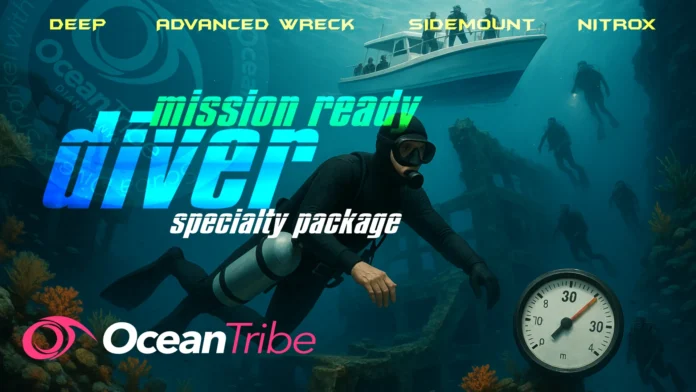
After your base-level instructor certification, you can add SSI or PADI specialties to your portfolio—think Nitrox, Deep, Wreck, or Photography. Instructors with multiple specialties are more in demand and often earn more.

At Ocean Tribe, we encourage all of our candidates to gain specialty instructor ratings during their SSI Instructor Training Course.


So, Where Will Your Dive Instructor Certification Take You?

Whether you dream of guiding reef dives in turquoise waters or leading professional-level courses around the world, dive instructor jobs are as limitless as the ocean. With the right training, real-world experience, and a little ambition, you can turn scuba diving into your full-time career—and make every day underwater count.

At Ocean Tribe, we don’t just train instructors. We create opportunities. Ready to start your journey? Get in touch today and take the plunge.

How to Apply for a Visa for Kenya: A Step-by-Step Guide

Kenya visa

Planning a trip to Kenya? Whether you’re coming for a beach holiday, safari, scuba diving adventure, or business, you’ll likely need a visa. This guide explains how to apply for a visa for Kenya quickly, safely, and without stress.

Start With the eCitizen Portal

Kenya has moved its entire visa application process online. You must apply through the official government platform: eCitizen.

It’s easy to use and accessible worldwide. First, create an account. Then, select the visa category that fits your visit—usually, a Tourist VisaBusiness Visa, or Transit Visa.

Once you’ve filled out the form and uploaded the required documents (including your passport and a passport-sized photo), you pay the visa fee using a debit or credit card. That’s it! Processing usually takes between 2 to 3 working days.

Do Not Use Visa Agents

You might come across third-party websites or agents offering to help with your Kenyan visa. Avoid them.

Here’s why:

  • They charge extra fees. The official tourist visa costs $50, but agents may charge double or more.
  • They are not official. These platforms are not connected to the Kenyan government.
  • They can delay your application. Submitting through unofficial channels often causes confusion or rejections.
  • You risk being scammed. Some agents collect money and never process your visa at all.

Always apply directly through the eCitizen portal. It’s the only secure and legitimate way.

What You’ll Need

Before starting your application, make sure you have:

  • A passport valid for at least 6 months
  • A clear passport-style photo
  • Travel details, such as flight bookings or accommodation confirmation
  • A credit or debit card for payment

Keep Your Confirmation

After submission, you’ll receive email updates. Once approved, download and print your visa confirmation. You’ll need to show this when checking in for your flight and again at Kenyan immigration on arrival.

Final Tips

Apply at least a week before you travel. While visas are usually processed quickly, it’s better to avoid last-minute stress. Also, double-check that your passport won’t expire soon—Kenya requires it to be valid for at least six months from your arrival date.


How to apply for a visa for Kenya is simple if you follow the official steps. Stick to the eCitizen portal, avoid third-party agents, and prepare your documents in advance. Soon, you’ll be ready to explore the stunning landscapes, wildlife, and coastline that make Kenya such a unique destination.

SSI Instructor Training Course Completed in Kenya

SSI ITC May 2025

Ocean Tribe Celebrates New SSI Instructors

Big congratulations are in order as Ocean Tribe wraps up another successful SSI Instructor Training Course and Instructor Evaluation!

Our very own Jacinta, along with Kassim, Salim, and Sam, recently completed their journey through the SSI Instructor Training Course under the expert guidance of Instructor Trainer Mark. The course pushed each of them to develop their teaching abilities, refine their dive skills, and grow as professional leaders in the scuba industry.

To cap it off, the group took part in the SSI Instructor Evaluation by visiting Instructor Certifier Corrina. Who flew in from South Africa to conduct the assessment. Her insight and experience brought great energy to the evaluation process—and the whole team did us proud.

A very special shout-out goes to Jacinta. When she first joined Ocean Tribe just a few years ago, Jacinta didn’t know how to swim. However, through relentless determination, unwavering passion, and consistent hard work, she not only learned to swim but steadily climbed the entire diving ladder. Starting as a beginner, she progressed to Divemaster and now proudly stands as an SSI Instructor. Her journey is a powerful reminder of what can be achieved with the right mindset, support, and perseverance.

The newly trained instructors will now enjoy a well-earned celebration and short break. Before taking on their next challenge: the SSI Specialty Instructor Seminars.

Well done to the whole team. We can’t wait to see where your dive careers go from here!


Inspired to become an SSI Instructor yourself?

How to Give a Dive Debrief – Dive Pro Tips

dive debrief

Leading a dive doesn’t stop once you hit the surface. The dive debrief is where real growth happens. If you’re wondering how to give a dive debrief, this guide will show you how to do it like a pro.

A debrief gives divers the chance to reflect on their performance, correct mistakes, and reinforce what went well. It improves safety, strengthens team communication, and builds diver confidence. Whether you’re working with beginners or seasoned divers, a well-structured debrief turns every dive into a learning experience. It also shows professionalism, creates trust, and encourages divers to stay curious and motivated.

When done properly, a debrief transforms a dive from a one-off experience into a stepping stone for long-term improvement. Here’s how to deliver it clearly, positively, and with purpose.

Start with the Pre-Dive Safety Check

Ask how the buddy checks went. Did anyone find a problem? Did everyone take it seriously or rush through it? This sets the tone and reinforces the importance of doing it right every time.

Review the Entry

Was the entry controlled and calm? Did everyone enter at the right time with the correct spacing? Highlight anything that went wrong and how to correct it before the next dive.

Discuss the Descent and Equalization

Was the descent smooth? Did everyone equalize without issues? If someone struggled, find out why. Fixing equalization or descent problems builds confidence and comfort for the next dive.

Cover the Core Fundamentals

How was buoyancy control? Was trim stable and horizontal? Did everyone use efficient propulsion techniques? Was breathing slow and controlled? These are the core skills every diver needs to master.

Check Equipment Performance

Did all gear function correctly? Any issues with masks, regulators, or hoses? If something didn’t work properly, fix it now—not mid-dive tomorrow.

Did You Handle the Conditions?

Ask the group honestly—did they manage the environment or feel overwhelmed? Whether it was surge, current, or low visibility, help them reflect and improve their response.

Navigation, Communication, and Awareness

Did the group stay together and follow the plan? Were signals clear? Did everyone stay aware of their position, their buddy, and their surroundings? These skills keep dives smooth and safe.

Was the Dive Ended at the Right Time?

Did the team surface according to the plan, or did something force an early exit? Review air limits, time limits, and comfort levels. Ending strong is part of good dive leadership.

Review the Ascent and Safety Stop

Was the ascent slow and controlled? Did everyone complete a full safety stop? Reinforce why this is essential—even on easy dives.

Reflect on the Exit

How was the exit from the water? Was it smooth, or did someone need help? Practice and planning make this final step safer and more efficient.

Calculate the SAC Rate

Ask each diver for their Surface Air Consumption rate. Review how buoyancy, trim, and breathing control affect it. Tracking SAC helps divers improve efficiency over time.

End with One Key Takeaway

Finish strong. Ask every diver what they’ll focus on next time. This helps them apply what they learned and take ownership of their growth.

A good debrief isn’t a lecture. It’s a two-way conversation that makes every diver better. Knowing how to give a dive debrief is one of the most powerful tools in a dive pro’s toolkit. Use it well, and your divers will improve after every single dive.

Interested in learning more? Check out this information from The Human Factor for more in depth analysis and ideas.

Can You See the Scuba Training Standards Before Your Course?

SSI training standards available publicly

Can You Ask to See the Scuba Training Standards Before Your Dive Course?. Yes, you can—and you absolutely should. When you sign up for a scuba course, you’re not just paying for fun. You’re paying to learn critical safety skills that could one day save your life. That’s why it’s so important to know exactly what your scuba course training standards require—before you even get in the water.

Why Training Standards Matter

Every dive course has a defined list of skills, dives, and theory you must complete before you’re certified. These minimum standards ensure you can dive safely and confidently. Unfortunately, not every instructor follows them properly. Some might rush you through, skip skills, or even issue certifications they aren’t qualified to give. While it’s not common. You should protect against it anyway to avoid any issues.

Knowing the scuba course training standards helps you protect yourself. It also allows you to hold your instructor accountable and ensure you’re getting the full training you deserve.

With SSI, You Can Access Standards Yourself

Unlike some other agencies, SSI (Scuba Schools International) makes its course standards fully available to students.

Here’s how to find them:

  • Open the MySSI app
  • Tap the “Courses” button at the bottom
  • Scroll down to “Scuba Training Standards and Procedures”
  • Open the document and read the specific course you’re taking

This gives you full visibility of the required dives, skills, and knowledge for your certification.

Check Your Instructor’s Credentials

You can also check if your instructor is active and authorised to teach your course:

More info on what to look for here:

👉 Why You Should Always Ask to See a Scuba Instructor’s Card

Review the Paperwork—Don’t Skip It

At the end of your course, your instructor should go through your performance and complete your paperwork. This checklist confirms that you’ve met all the required standards. If anything is missing, you must complete it before certification.

No shortcuts. No skipped skills.

Minimum Standards Are Just the Start

Scuba course training standards represent the bare minimum. You should feel confident and competent in every skill—not just pass because it’s “good enough.” If you need more time, more practice, or more support, that’s okay. A good instructor will guide you, not rush you.


So yes—ask to see the scuba course training standards. Check your instructor. Read the course requirements. And make sure your certification is earned properly, with safety and confidence built in.

Why You Need Further Dive Training After Open Water

Wreck diver

Completing your Open Water Diver course is just the beginning of your underwater journey. While your certification is valid worldwide, it doesn’t prepare you for every diving condition or situation. That’s why further dive training after Open Water—and consistently logging your dives—is absolutely essential.

Tropical Training Doesn’t Cover Every Scenario

At Ocean Tribe, we train divers in the warm, calm waters of Kenya’s coral reefs. You learn to manage mild currents, occasional surge, and entry from a small dive boat using a back roll. These are good conditions for beginners—but the ocean doesn’t always stay this gentle.

Travel somewhere new, or even dive back home and you might encounter strong currents, low visibility, cold water, or unfamiliar equipment. These aren’t just variations—they’re challenges that demand new skills. Dry suit use, drift diving techniques, new equipment orientation. It could be anything.

Dive Logs Track Your Growth and Readiness

Think of your logbook as your diving resume. It doesn’t just prove experience—it shows how you’ve progressed, what conditions you’ve dived in, and which equipment you’ve used. Dive operators around the world will ask for your logged experience, especially before allowing you on advanced or technical dives.

More importantly, logging dives helps you. You build confidence by recording what went well, what didn’t, and what you learned. Over time, you see patterns, gain insights, and grow as a diver.

Training for New Environments Is Like Driving on Ice

Passing your driving test doesn’t mean you’re ready to handle icy roads or off-road tracks. Diving is the same. Want to use a dry suit? You’ll need actual training in a controlled setting. Never skip straight to the “event.” Further dive training and practice will help. Practise first, log your dives, and gain proficiency.

Even in the Tropics, Orientation Matters

Even if you dive again in warm waters, procedures can change. Different boats, dive sites, or currents require briefings and adaptation. Never assume everything will work like it did during your course. Ask questions, get an orientation, and always log the dive to reflect new conditions or techniques you encountered.

Practise. Log. Improve.

The more you practise, the more skilled and confident you become. The more dives you do refining your technique the better a diver you will become. Logging each dive lets you track that progress. Skip this step, and you lose valuable learning opportunities. Worse still, if something goes wrong, you won’t have a clear record of your dive habits or gear use.

Logging and Further Dive Training: The Perfect Combo

The best way to improve as a diver is to combine consistent dive logging with certain continuing education courses. Every new course teaches you skills that expand your comfort zone and prepare you for different environments. When you’re heading into new conditions or using unfamiliar equipment, this combination isn’t just helpful—it’s essential. You need both the training and the practice to build true competence.


So don’t stop at Open Water. Keep training, keep practising—and always log your dives. It’s the key to staying safe, gaining confidence, and becoming a truly capable diver, no matter where you dive next.

How Long Does a Scuba Dive Last at Ocean Tribe?

Science of diving specialty course

Many divers ask, how long does a scuba dive last? At Ocean Tribe in Diani Beach, Kenya, we keep every dive safe, fun, and well-managed with clear limits and professional planning. At Ocean Tribe in Diani Beach, Kenya, we follow strict safety protocols to ensure every dive is both enjoyable and responsible.

Coral Reef Dives: 50 Minutes or 50 Bar

For our daily reef dives, each scuba dive typically lasts up to 50 minutes or until a diver reaches 50 bar of air pressure—whichever comes first. Once one diver hits this limit, the whole group begins their ascent. This way, everyone surfaces together, staying safe and within the no-decompression zone.

If your group has experience and wants to stay underwater longer, you can arrange a 60-minute dive in advance. Just speak with the dive leader and boat crew before the trip.

Wreck Dives: Safety First on Deeper Dives

On deeper sites like the MV Alpha Funguo wreck, the rules are slightly different. This dive goes beyond 20 metres, so we begin our ascent at 70 bar. This ensures we have time for a proper safety stop and remain well within the no-decompression limits.

Using Dive Computers for Every Dive

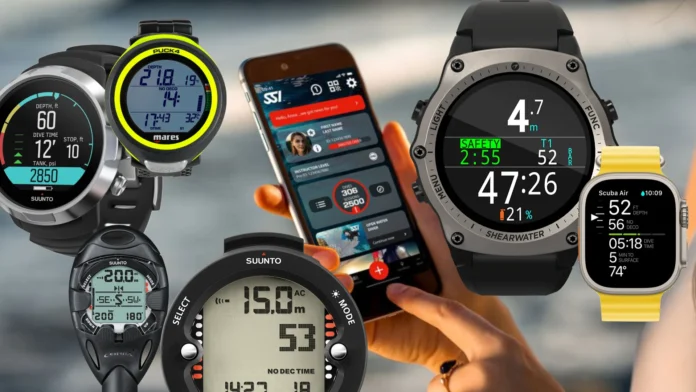
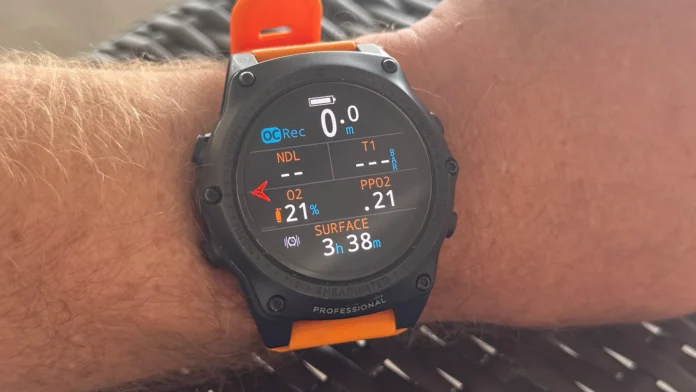
All divers must use a dive computer. We always follow the most conservative profile in the group. If a diver doesn’t use a computer, the group follows standard dive tables—but we rarely approach NDLs on our reef dives.

So, if you’re asking how long does a scuba dive last with Ocean Tribe, the answer is always rooted in safety. Whether it’s a relaxed coral dive or an exciting wreck adventure, we make sure your experience is both thrilling and secure.

Diani Dive and Stay Package | 3 Nights Leopard Beach Resort & 4 Dives

Diani dive and stay package 3 days 4 dives leopard beach

Discover the Ultimate Diani Dive and Stay Package

Looking for a tropical escape that blends luxury and underwater adventure? This Diani Beach dive and stay package offers it all. Spend three nights at the stunning Leopard Beach Resort & Spa. Dive with Ocean Tribe, Diani’s award-winning dive centre, on two guided morning dive trips.

Perfect for certified divers seeking reef exploration and resort comfort in one unforgettable trip.

Your Stay: Leopard Beach Resort

Set in 28 acres of lush gardens, Leopard Beach Resort offers peace and luxury. You’ll stay in a Superior Balcony Room.

Expect comfort and style. Rooms include air conditioning, a satellite flat-screen TV, free Wi-Fi, a mini-bar, and tea/coffee facilities. The eco-friendly rain shower in the en-suite bathroom is perfect after a dive.
The Diving: 2 Mornings, 4 Dives

Explore the Indian Ocean with two morning dive trips. Each includes two guided boat dives at vibrant coral reefs and wrecks teeming with marine life.
Spot turtles, moray eels, clownfish, and, in season, manta rays and whale sharks. Ocean Tribe provides expert guides, snacks, refreshments, and return transfers from the resort.

Sample Itinerary

Day 1 – Welcome to Diani

Arrive at Ukunda Airport or Mombasa. Transfer to Leopard Beach Resort. Check in and relax—swim, sunbathe, or book a spa session. Enjoy dinner at one of the resort’s restaurants.

Day 2 – First Dives

Enjoy breakfast, then meet Ocean Tribe at 7:45 AM. Head out for your first two dives on Diani’s famous reefs. Return by 1:00 PM. Spend the afternoon at leisure. Have dinner at a different restaurant or try a themed buffet.

Day 3 – Dive Again

After breakfast, go for two more dives at new sites. Expect different scenery and marine life. Return in the afternoon. Optional: Visit Colobus Conservation or take a sunset dhow cruise. End the day with dinner and cocktails.

Day 4 – Farewell

Enjoy a final beachside breakfast. Check out and transfer to the airport. Leave with lasting memories of your Diani Beach diving holiday.

What’s Included

  • 3 nights in a Superior Balcony Room
  • 4 guided boat dives (2 trips) with Ocean Tribe
  • Half board meals (breakfast and lunch/dinner)
  • Dive guides, snacks, and refreshments
  • Return resort-dive centre transfers

What’s Not Included

  • Dive equipment rental (BCD, regulator, mask, fins, wetsuit)
  • Dive computer or underwater camera rental
  • Airport or SGR transfers
  • Dive courses or scuba skills updates
  • Try dive experiences for non-certified divers

Book Your Dive & Stay Package Now

This 4-day escape offers the best scuba diving in Diani Beach with all the comforts of a luxury resort. Whether you’re an experienced diver or returning to the water after a break, this trip is designed for relaxation, adventure, and unforgettable marine moments.

Note: Dives depend on weather and certification level. Rentals and additional training are available at extra cost.

10-Day Dive Safari Package – Diani & Ngutuni

Ngutuni 10 Day

From Coral Reefs to Savannah Adventures

Experience the best of Kenya with Ocean Tribe’s 10-Day Dive Safari Package. Start with world-class diving in Diani Beach. Then finish with a classic African safari in the heart of wildlife country. It’s the perfect mix of underwater discovery and big game excitement.

Days 1–7: Dive in Diani

Begin your journey on the white sand beaches of Diani, where turquoise waters and colourful reefs are just minutes away. Spend six full mornings diving with Ocean Tribe. With two dives each day, you’ll explore everything from vibrant coral gardens and turtle cleaning stations to deeper drop-offs teeming with life.

We customise the dive plan to match your certification level. Whether you’re building experience or a seasoned diver chasing rare sightings, we’ve got you covered. Optional extras like night dives or the famous Alpha Funguo wreck can be added to your itinerary.

You’ll stay at the award-winning Leopard Beach Resort & Spa, one of Diani Beach’s most iconic properties. Your Superior Balcony Room offers comfort, privacy, and lush garden views from a private upper-floor balcony. The resort sits right on the beach, just a few minutes from the Ocean Tribe dive centre. After your dives, relax in the pool, stroll through the tropical grounds, or enjoy a cocktail with an ocean view. With modern amenities, excellent dining, and a peaceful setting, Leopard Beach is the perfect place to recharge between adventures.

Afternoons are free for relaxation. Enjoy your resort pool, sip cocktails on the beach, or ask us to arrange local excursions and cultural tours.

Days 8–10: Safari at Ngutuni Lodge in Tsavo East

After your final dives, head inland for an unforgettable 3-day safari in Ngutuni Conservancy, located on the edge of Tsavo East National Park. Your base is Ngutuni Lodge, set within a private game sanctuary. The lodge overlooks a waterhole that attracts wildlife day and night—you can often spot elephants, giraffes, zebras, and antelope right from your balcony.

Enjoy two thrilling game drives each day in open-roof safari vehicles, guided by expert local trackers. Lions, buffalo, cheetahs, and even leopards roam the conservancy and nearby park. As the sun sets over the savannah, relax in the lodge’s peaceful setting, surrounded by nature.

The conservancy offers a quieter, more intimate experience than busy national parks. Because it’s private, you’ll enjoy longer drive times, fewer vehicles, and better photo opportunities.

What’s Included

  • 9 nights accommodation (7 nights in Diani Beach, 2 nights at Ngutuni Lodge)
  • 6 days of diving (2 dives per morning)
  • Scuba equipment rental and marine park fees
  • Safari transport, game drives, park fees, and full-board stay at Ngutuni Lodge
  • Airport transfers and local transport throughout
  • Daily breakfast and lunch during activities
  • Experienced dive professionals and safari guides

One Trip. Two Wild Worlds. Endless Memories.

The 10-Day Dive Safari Package takes you from coral reefs to wild savannahs in a single adventure. Explore Kenya’s rich marine life and then track the Big Five through open plains. It’s more than a holiday—it’s an experience you’ll never forget.

Book your spot now and get ready to dive, drive, and discover Kenya like never before.

Why You Should Get Scuba Dive Experience—Not Just More Certs

Get dive experience

Scuba diving is an incredible journey. From your first breath underwater to exploring deep reefs and wrecks, there’s always something new to discover. But many new divers rush from one course to the next, chasing certification after certification. If you truly want to grow as a diver, the best thing you can do is get scuba dive experience, not just collect cards.

Courses Teach, but Experience Builds Confidence

There’s no doubt that scuba courses are important. They introduce you to new skills and expand your diving knowledge. But those skills only become second nature through repetition. A course can teach you how to navigate or manage buoyancy—but unless you apply that knowledge in real-world dives, it won’t stick.

The more you dive, the more confident and capable you become. Experience helps you fine-tune your weight, improve air consumption, and stay calm in unfamiliar situations.

Your Dive Log Tells the Real Story

Dive logs aren’t just paperwork. They show your progress, track your skills, and prove your experience. Many advanced dive sites and excursions require a minimum number of logged dives. Without proof of your experience, you could miss out on wreck dives, deep dives, or strong current adventures.

Operators and instructors often review your logbook before taking you on more challenging dives. A diver with 50+ real-world dives in different environments is often far more prepared than someone with multiple certifications but little actual time underwater.

Being a Better Buddy Starts with Experience

When you get scuba dive experience, you become a better dive buddy. You learn how to spot problems before they escalate. You know how to react calmly if something goes wrong. You become more aware of your surroundings and your team.

Good dive buddies make every dive safer and more enjoyable—for themselves and everyone around them.

Don’t Rush—Dive More Between Courses

There’s nothing wrong with taking new courses. But each one should be backed by solid diving experience. Take time between certifications to practice your skills, explore different dive sites, and enjoy diving for fun.

Dive clubs, local trips, and shore dives are great ways to build your log. The more dives you log, the more meaningful each future certification will be.

Get Scuba Dive Experience and Enjoy the Journey

Scuba diving isn’t a race. It’s not about how many cards you hold. It’s about how comfortable and capable you feel underwater. To get there, you need to get scuba dive experience, not just pass exams.

Take your time. Log your dives. Learn by doing. You’ll grow into a safer, more confident diver—and you’ll enjoy the underwater world even more.

Learn to Dive Platinum Package

COURSE PACKAGES