Home Blog Page 7

Become a Freediving Pro: Basic Freediving Instructor Course November

SSI Basic Freediver

The ocean offers silence, focus, and freedom. Freediving connects you with that in the most natural way. This November, Ocean Tribe is running the SSI Basic Freediving Instructor Course in Diani Beach. From 1–3 November 2025, you can take your passion for freediving and turn it into a professional path.

What the Course Covers

The SSI Basic Freediving Instructor Course qualifies you to teach SSI entry-level freediving programs such as Snorkel Diver, Try Freediving, and Basic Freediver. You will learn to plan and deliver sessions, manage safety, and build student confidence in both pool and ocean environments. By the end, you will be ready to inspire others to enjoy the freedom of holding a single breath beneath the surface.

Prerequisites

To join, you must be at least 18 years old. You also need to hold a professional rating as an SSI Assistant Instructor (or equivalent from another agency) or be a certified SSI Mermaid Instructor. These prerequisites ensure you already have the foundation to guide students responsibly.

Course Highlights

Over a couple of days you will refine your freediving technique, practice breath-holding and streamlining, and learn how to demonstrate skills clearly. You will gain confidence as an educator while enjoying the relaxed tropical setting of Diani. The program balances theory, pool training, and open water practice.

During the course you will develop the ability to teach relaxation and breathing techniques, smooth water entry, snorkel clearing, and efficient finning. You will also learn to guide students through safe breath-holding, rescue procedures for blackouts, ear equalisation, and proper diving techniques. You will finish with the skills to conduct reviews and keep accurate student records.

Why Join This Course?

This course is your entry point into professional freediving instruction. It expands your career opportunities, strengthens your teaching skills, and connects you to SSI’s global network. You will leave with the ability to introduce others to the world of freediving and share the unique calm that comes with it.

Course Breakdown

Theory

You will access SSI’s digital learning system before the course. It includes videos and texts that can be downloaded for offline study. Complete this at your own pace so you arrive ready for the in-person sessions.

Practical Sessions

You will train in both confined water and open water. Pool sessions focus on skill mastery and comfort. Open water dives build real experience in ocean conditions and allow you to practice rescues, equalisation, and dive safety.

FAQs

Do I need prior freediving experience?

No. But you must already be at least a Recreational Assistant Instructor or higher before joining the instructor course.

How long does the course last?

The program runs for 2 days, with a mix of classroom, and pool training.

What equipment is needed?

You should have your own freediving kit including mask, snorkel, fins, and weight belt. Ocean Tribe can advise on equipment rental or purchase if needed.

Who can become a Basic Freediving Instructor?

Anyone over 18 who is at least an Assistant Instructor or Mermaid Instructor can apply, provided they have the required freediving certification.

Mermaid Course in Diani: The Ocean is Your Stage, Shine as a Mermaid

SSI Mermaid Course

Mermaiding has taken the world by storm. It combines swimming, performance, and breath-holding into a magical water activity. At Ocean Tribe in Diani Beach, you can now experience this exciting adventure through our SSI Mermaid programs and take it even further with the Mermaid Instructor Course on 1-3 November 2025.

What is the SSI Mermaid Course?

The course is all about freedom and creativity in the water. You will learn to swim gracefully with a monofin, improve your breath-holding, and discover how to move with flow and style. The course is designed for fun but also focuses on safety and control.

At Ocean Tribe you will practice in the pool and then take your skills into the ocean. The Indian Ocean’s calm, clear waters are the perfect backdrop to bring your mermaid dreams to life.

Mermaid Instructor Course in November

If you are already a dive professional or passionate about mermaiding, you can join the SSI Mermaid Instructor Course. This program runs at Ocean Tribe from 1–3 November 2025. You will learn how to teach mermaid programs, demonstrate skills, and create safe and enjoyable training sessions.

The Mermaid Instructor Course is also about building a career path. You will gain the ability to train new mermaids, promote your own courses, and be part of a growing global trend.

Highlights of the Mermaid Programs

  • Learn efficient swimming and monofin techniques
  • Practice safe breath-holding and underwater movement
  • Discover performance skills and posing in a mermaid tail
  • Enjoy a professional photoshoot to capture your transformation
  • Train in both pool and ocean settings for the full experience
  • Instructor candidates gain the tools to teach and certify mermaids

Costs

Why Diani Beach for Your Mermaid Course?

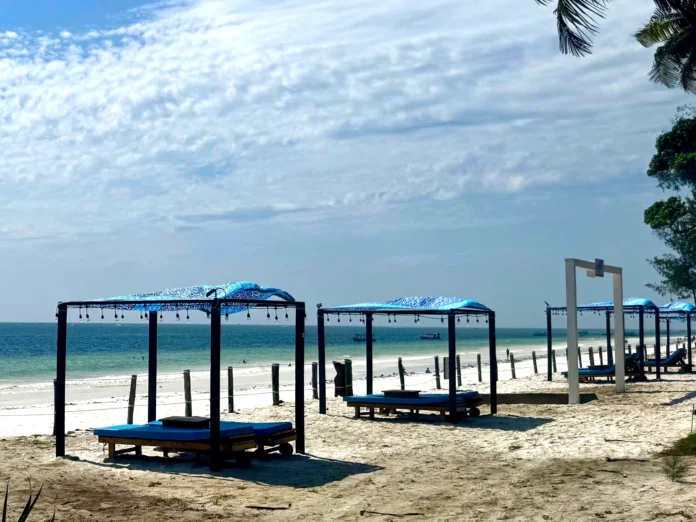
Diani Beach is one of the most beautiful coastlines in Africa. With white sand, turquoise water, and rich marine life, it offers the perfect stage for your mermaid training. Ocean Tribe provides expert instructors, professional equipment, and a fun, welcoming environment. After your course you can relax on the beach, explore the reef, or add a safari to your adventure.

FAQs

Do I need to be a scuba diver to join the Course?

No. The SSI Mermaid Course is separate from scuba diving. You only need to be confident in the water and ready to learn.

How long does the Full Course take?

The Mermaid Course runs over three days. It includes pool sessions, ocean dives, and a photoshoot.

How old do you have to be to become a Mermaid?

You must be at least 12 years old to enroll in the SSI Mermaid Course. Younger participants can try the SSI Explorers Mermaid experience.

Is the Mermaid Course only for ladies?

Not at all. The Mermaid Course is open to everyone. Men, women, and teens all enjoy mermaiding. It is about fun, fitness, and freedom in the water, not gender.

What equipment is provided?

Ocean Tribe provides monofins, mermaid tails, and all training gear. Just bring swimwear and energy.

Can I do the Mermaid and Mermaid Instructor courses back to back?

Yes. If you meet the prerequisites you can complete both programs in one visit.

What is included in the Mermaid Instructor course?

The $549 fee covers training, SSI digital materials, instructor evaluation, and certification.

Why Take the Perfect Buoyancy Course This September?

perfect buoyancy course

Every diver wants to glide effortlessly through the water, moving with precision while conserving energy and air. Yet buoyancy is one of the hardest skills to master on your own. It takes more than just experience; it requires the right guidance, equipment setup, and understanding of how conditions affect you underwater. That’s why this September, our Specialty Diver Course of the Month is Perfect Buoyancy. If you’ve been asking yourself why take the Perfect Buoyancy course, the answer is that it will completely transform how you dive, no matter your current level.

What is Perfect Buoyancy?

The Perfect Buoyancy course is designed to refine the single most important skill in scuba diving. Control. Through structured training, you’ll learn to move more efficiently, hover motionless without effort, and adjust your body position to maintain ideal trim. You’ll practice in realistic diving conditions, working on precision breathing, proper weighting, and smooth finning techniques. This course isn’t just about looking like a pro underwater. It’s about building a foundation of confidence and control that will improve every dive you ever make, whether it’s exploring shallow reefs, diving with sharks in the blue, or preparing for advanced training like wreck, deep, or sidemount diving.

Why take the Perfect Buoyancy course?

Master Equipment Setup for Better Balance

One of the biggest factors in buoyancy and trim is how your equipment is configured. In this course, you’ll learn how to adjust and fine-tune your setup, whether you’re diving a traditional jacket-style BCD or a more streamlined backplate-and-wing system. Many divers struggle because their weight distribution or harness adjustments are slightly off, causing them to roll, tilt, or fight against their gear. With professional guidance, you’ll discover how to position your weights, cylinders, and accessories so that your body feels balanced in the water. By the end of the course, your equipment will no longer feel like a burden but an extension of your body.

Adapt to Different Exposure Suits and Dive Conditions

Another common challenge divers face is maintaining buoyancy when switching exposure suits or diving in new environments. A thin tropical wetsuit behaves very differently from a thick 7 mm suit or a drysuit, and factors like saltwater versus freshwater make a big difference too. During the Perfect Buoyancy course, you’ll learn how to adjust your weighting for different suits, how to anticipate buoyancy shifts as neoprene compresses at depth, and how to control ascents in varying conditions. These skills give you the flexibility to dive comfortably anywhere in the world, from warm coral reefs to cooler temperate waters.

Improve Air Consumption and Dive Time

When your buoyancy is under control, you stop wasting energy fighting to stay level or struggling to maintain position. Your breathing slows, your movements become more efficient, and you conserve air naturally. That means more time underwater to enjoy the sights you came for. By learning the subtleties of breath control, trim adjustments, and smooth movement, you’ll notice that your dives feel longer, calmer, and far more enjoyable.

Protect the Reef and Marine Life

Poor buoyancy control is one of the biggest threats to fragile underwater ecosystems. Divers who accidentally kick coral, stir up sediment, or bump into marine life often don’t even realize the damage they are causing. Perfect Buoyancy training teaches you to hover effortlessly, maintain distance, and interact with the underwater world responsibly. You’ll gain the confidence to approach delicate areas closely without ever making contact, ensuring that your dives leave only bubbles behind.

Smart Tips for Choosing and Buying Your Own Gear

As part of the course, our instructors will guide you through equipment choices that can improve your diving. From understanding the benefits of investing in a backplate-and-wing for better trim, to choosing the right fins for control, or selecting a wetsuit thickness that suits your diving environment, you’ll learn how to make smart purchasing decisions. Many divers buy equipment before fully understanding how it affects their buoyancy. By taking the Perfect Buoyancy course, you’ll be in a stronger position to invest in gear that works for you, saving money and frustration in the long run.

Bundle the Perfect Buoyancy Course with Other Training

Perfect Buoyancy is a natural companion to several other specialties. For example, pairing it with Enriched Air Nitrox helps you extend bottom time while enjoying the efficiency of better buoyancy. Combining it with Deep Diving or Wreck Diving prepares you to control yourself in environments where precision is critical. It’s also an excellent early course for divers considering the Divemaster Internship or professional training, since perfect buoyancy is the foundation of safe and confident leadership underwater. During September, Ocean Tribe offers opportunities to bundle the Perfect Buoyancy specialty with other courses at a reduced package rate, helping you progress faster and more affordably. Not here in September. We can do it at any time.

Why September is the Best Time

September is an ideal month to work on buoyancy skills. Conditions along the south coast of Kenya offer calmer seas and good visibility, creating the perfect learning environment. Our instructors dedicate extra time and resources to this Specialty Diver Course of the Month, ensuring you get focused, personalized training. By enrolling in September, you not only benefit from optimal conditions but also from exclusive offers that won’t be available later in the year.

Join the Perfect Buoyancy Course

If you’ve ever wondered why take the Perfect Buoyancy course, the answer is that it will change your diving forever. You’ll gain better air use, enhanced control, and the confidence to dive anywhere with ease. More importantly, you’ll protect the ocean, feel more comfortable in your equipment, and lay the foundation for every adventure you take on next.

Book your Perfect Buoyancy Specialty with Ocean Tribe this September and experience the freedom of true control underwater.

SSI Basic Freediving Instructor Course Included with October ITC

SSI Basic Freediver

Exciting Upgrade for October ITC/FOC Participants

All participants in the October Instructor Training Course (ITC/FOC) now have the chance to upgrade to the SSI Basic Freediving Instructor Course. This special program will be conducted by SSI Instructor Certifier and Instructor Trainer Director Corinna Davids, bringing world-class freediving and instructor development expertise directly to you.

This upgrade allows you to finish the ITC not only as a scuba instructor but also as a freediving instructor. In addition, it gives you the chance to expand your teaching portfolio while gaining fresh skills that set you apart. As a result, you step confidently into the fast-growing world of freediving, opening the door to more opportunities and a wider student base.

What the SSI Basic Freediving Instructor Course Covers

The Basic Freediving Instructor Course qualifies you to teach SSI’s entry-level freediving programs: Snorkel Diver, Try Freediving, and Basic Freediver. The training includes six academic sessions and one confined-water session, with practice to a maximum depth of 10 meters. The full program runs over 8 to 12 hours and is usually completed in one or two days.

To join, you must be an active SSI Assistant Instructor or hold an equivalent rating. you will also need to under Candidate Water Fitness Evaluation is also required. Training is conducted in small groups under the direct supervision of Corinna Davids, ensuring personal coaching and the highest training standards.

Why This Upgrade Matters

SBy adding freediving instruction to your skills, you become more versatile and more employable. You can introduce beginners to both scuba and freediving, increasing your career opportunities and your value to dive centers worldwide. Freediving is one of the fastest-growing water sports, and this certification is your entry point to teaching it professionally.

The course also creates a clear pathway to higher levels of freediving education, including SSI Freediving Instructor Level 1 and beyond. With Corinna Davids leading the training, you’ll gain the confidence, knowledge, and skills to succeed in this exciting field.


FAQs

Who will conduct the Basic Freediving Instructor Course?

The course will be led by SSI Instructor Certifier and Instructor Trainer Director Corinna Davids.

What does the course qualify me to teach?

You will be certified to teach Snorkel Diver, Try Freediving, and Basic Freediver courses.

How long does the course take?

The course takes about 8 to 12 hours. It includes six academic sessions and one confined-water session, typically spread over one or two days.

What is the maximum training depth?

You will train to a maximum of 10 meters in confined or open water conditions.

Who can join the course?

You must be an active SSI Assistant Instructor or hold an equivalent instructor-level certification. You must also complete a Candidate Water Fitness Evaluation.

What happens after I finish?

Once you complete the course and final exam, you will be certified as an SSI Basic Freediving Instructor and can immediately begin teaching entry-level freediving programs.

Why should I upgrade during the October ITC?

You gain dual instructor qualifications in just a few extra hours of training. This makes you more versatile, more employable, and better prepared to grow into advanced freediving instruction.

What Wetsuit Thickness Do I Need for Diving in Kenya?

scuba diving wetsuit

Wetsuit thickness for diving in Kenya? Diving in Kenya offers warm tropical waters, colourful reefs, and exciting encounters with turtles, dolphins, and whale sharks. Yet even in paradise, water temperature matters. Choosing the right wetsuit thickness will keep you comfortable and allow you to enjoy longer dives without shivering.

Kenya’s water temperatures

The Indian Ocean along Kenya’s south coast, including Diani Beach and Kisite Marine Park, stays warm all year. On average, surface temperatures range from 25°C to 29°C. The warmest period is November to April, while June to September can feel slightly cooler due to seasonal winds and currents.

Because the water is so inviting, many divers underestimate how quickly body heat is lost. Even a few degrees difference can affect your comfort, especially if you are doing multiple dives a day.

Recommended wetsuit thickness

Shorty wetsuit or 2 mm suit

During the warmest months, a shorty or thin 2 mm wetsuit can be enough for dives. Many divers enjoy the freedom of movement and lighter feel. However, if you plan to do two or three dives in a day, you may notice a chill setting in by the later dives.

3 mm full wetsuit

This is the most popular option for diving in Kenya. A 3 mm suit gives you the right balance between insulation and flexibility. It also provides full-body coverage, which helps protect against jellyfish, fire coral, or accidental reef contact.

5 mm full wetsuit

A 5 mm suit is the choice for divers who know they get cold easily. It is also the best option during the cooler months from July to September. Technical divers or those making deeper dives often prefer the extra warmth and comfort of a 5 mm.

Thermal rashguards and alternatives

Some divers prefer high-tech thermal rashguards instead of traditional neoprene. Brands like Sharkskin, Lavacore, and Fourth Element Thermocline use fleece-lined materials that trap a thin layer of warm water next to the skin.

These suits are neutrally buoyant, so you don’t need to adjust your weights as much as with neoprene. They also dry faster and pack down smaller, making them perfect for travel.

In Kenya, thermal rashguards can work well for warm months, single dives, or snorkelling. However, for multiple dives a day or during the cooler season, most divers will still find a 3 mm wetsuit more reliable for staying warm. Many divers combine both, using a Sharkskin top under a 3 mm suit for extra insulation without adding bulk.

Other considerations

Number of dives

If you plan on making multiple dives in a single day, your body will gradually cool. Even in warm tropical waters, repeated immersion lowers core temperature. A thicker wetsuit helps reduce fatigue and lets you stay warmer over several dives.

Depth

Water temperature often drops as you descend. While the surface may be 28°C, the temperature at 30 metres can feel several degrees cooler. If you are diving deeper wrecks or walls, the extra protection of a thicker suit is helpful.

Body type

Slim divers usually lose heat more quickly than stockier divers. If you know you are prone to feeling cold, lean toward a 5 mm even when most divers are comfortable in 3 mm suits.

Exposure protection

A wetsuit is not only about warmth. A full suit shields your skin from stings, scrapes, and sunburn between dives. This makes a long-sleeved full suit more practical than a shorty for many divers.

Do you need gloves, hoods, or boots?

In Kenya’s tropical conditions, most divers only wear dive boots with open-heel fins. Hoods and gloves are rarely necessary unless you feel the cold or are doing technical dives. Many dive operators also prefer/require divers not to use gloves, as this will encourage divers to avoid reef contact.

Renting vs bringing your own

Most dive centres in Kenya, including Ocean Tribe, provide rental wetsuits in good condition. If you prefer a personal fit, bringing your own 3 mm suit is ideal. For frequent divers, investing in a lightweight travel wetsuit makes sense.


FAQs

What thickness wetsuit is best for Kenya diving?

A 3 mm full wetsuit suits most divers year-round, with 5 mm being useful for cooler months or those who feel cold easily.

Can I dive in just a rash vest or swimsuit?

Yes, but only for short dives, or if you have good resistance to water cooling. You may get colder on repetitive dives.

Do dive centres in Kenya rent wetsuits?

Yes, most centres offer shorty or long rental wetsuits in 3 mm or 5 mm thickness.

Will I need a hood or gloves?

Not usually. Boots are enough, and gloves are often discouraged to help protect the reef.

Dive Computer Buying Guide – Find the Perfect Model for Your Diving

dive computer choosing

Every diver eventually reaches the stage where renting gear no longer feels like enough. A mask and fins usually come first, followed by a wetsuit. But one of the biggest and most important steps is investing in your own dive computer. Choosing a dive computer is not just about buying another piece of kit. It is about safety, confidence, and freedom underwater. A dive computer becomes your constant companion during every dive, tracking your depth, time, and no-decompression limits in real time. It adapts to your actual dive profile rather than sticking to the rigid rules of a printed table. This flexibility gives you peace of mind, allows longer and more relaxed dives, and often helps you to explore more of the reef or wreck safely.

Why a dive computer matters

Dive tables are useful for learning the theory of diving, but they are limited in practice. They assume a square profile, which rarely reflects how people actually dive. Once you descend, your depth changes constantly, and your bottom time shifts along with it. A dive computer continuously monitors all of this and calculates your remaining no-decompression limit based on real conditions, not assumptions. It also tracks your ascent rate, warns you if you go too fast, and monitors your surface interval so you know exactly when you are ready to dive again. These features make diving safer and less stressful, especially when conditions change. For many divers, the moment they try a computer is the moment they wonder how they ever managed without one.

Features to look for when choosing a dive computer

The right computer for you depends on both the type of diving you are doing now and the direction you plan to go in the future. One of the first considerations is display style. Some divers prefer sleek watch-style computers that can double as an everyday wristwatch. Others go for larger wrist-mounted or console models with bold, high-contrast displays that are easy to read even in low light or murky conditions. If you plan on night dives or photography, a screen you can read clearly without effort makes a big difference.

Another key factor is Nitrox compatibility. Most modern dive computers now support enriched air nitrox, and even if you have not yet taken the course, it is worth making sure your chosen model is future-proof. Once you progress, you will already be equipped for longer and safer dives. The algorithm and conservatism settings also matter. Different brands use different mathematical models to calculate no-decompression limits. A good dive computer should allow you to adjust the level of conservatism to suit your fitness, experience, and risk comfort level. Some divers prefer a more generous setting for recreational fun dives, while others keep their settings conservative for added safety.

Connectivity is increasingly popular in modern dive computers. Some models sync directly to your smartphone, letting you download your logbook, update firmware, or even share your dive on social media. Others pair with a wireless transmitter that sends live tank pressure data to your wrist, letting you see depth, no-deco time, and remaining gas all in one glance. While not essential, these features can make your diving more convenient. Battery type is also important. Rechargeable models are environmentally friendly and perfect for divers who travel often. However, user-replaceable batteries can be more practical in remote areas where charging may not be possible. Durability, build quality, and button responsiveness are all important, especially if you dive in colder water, wear gloves, or plan on using your computer for years to come.

Recommended dive computers at different levels

Entry-level options

For new divers looking for something reliable, simple, and affordable, the Mares Puck Lite is a fantastic place to start. It is easy to use, has a clear display, and supports Nitrox. It is a no-nonsense computer that gives you all the information you need without overwhelming you with extras. Many divers happily use their Puck Lite for years before upgrading, and it remains one of the best value-for-money models on the market.

Mid-range favourites

If you are ready to take the next step, the Shearwater Peregrine is an excellent choice. It offers a bright colour screen, intuitive menus, and robust build quality. Many divers love it for its mix of user-friendliness and high-end performance. For those who want extra features, the Shearwater Peregrine TX and Shearwater Tern TX include a digital compass and wireless air integration, giving you a live reading of your tank pressure alongside depth and no-deco time. These models are particularly well suited to divers who want a long-term computer that can grow with them as their skills and ambitions expand.

Advanced and technical diving

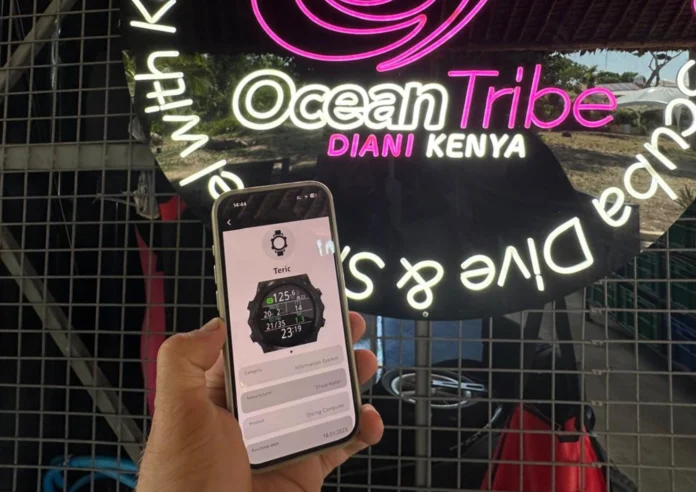
For divers moving into more advanced training, deeper dives, or technical setups, the Shearwater Teric and Shearwater Perdix are two of the most respected computers on the market. They support multiple gases, trimix, and advanced decompression planning, while also offering superb reliability and customisation. Many technical divers swear by these models, and their reputation for toughness is well deserved. If you are serious about going beyond recreational limits, one of these will likely be your companion for years.

Smartwatch alternatives

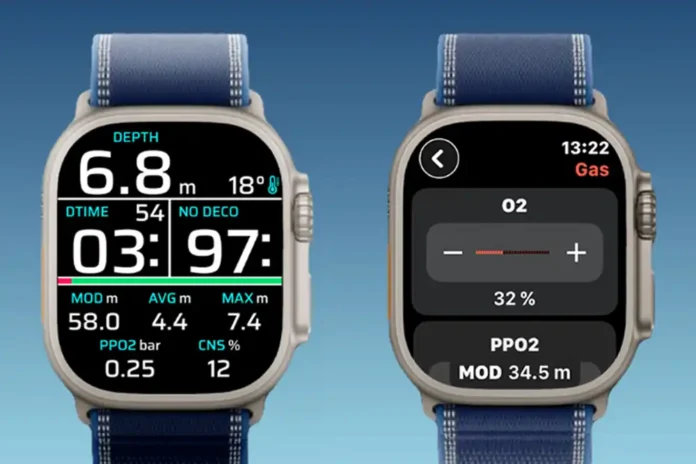
Not every diver wants a dedicated dive computer. If you are already using an Apple Watch Ultra 1 or 2 , you can add the Oceanic+ app, turning your smartwatch into a capable dive computer. This solution is best for recreational divers who want the convenience of an all-in-one device. It may not have the ruggedness or depth capabilities of a dedicated Shearwater, but for casual divers who also use their watch for fitness tracking and daily wear, it is an appealing option.

Honorable mentions

There are many excellent dive computers beyond the models mentioned above. The Mares Sirius blends a sleek watch design with advanced functions up to technical level, appealing to divers who want style without losing features. Other top manufacturers such as Suunto, Garmin, Ratio, and Halcyon also produce outstanding computers and smartwatch computers at all levels. The best choice depends on what feels comfortable for you, how much information you want displayed, and how far you see your diving going in the future.

Balancing budget and long-term investment

Dive computers range from under $300 to well over $1,500. The challenge is choosing a model that fits your budget now but will not hold you back later. Buying too basic can mean replacing your computer within a year or two, while going too advanced too early can leave you struggling with features you do not yet need. Another consideration especially with smartwatches is longevity as manufacturers want you to upgrade. The goal is to find the balance where the computer matches your current diving but still gives you room to grow. At Ocean Tribe, we often advise divers to choose the best computer they can reasonably afford, but always with their actual diving plans in mind.

Our final advice

At Ocean Tribe, we encourage divers to try before they buy. Rent or borrow a computer, talk to instructors, and see which models feel right for you. A dive computer should feel natural on your wrist or in your console, and the menus should make sense at a glance. Choosing a dive computer is personal. It is not about what looks best in a catalogue but about what feels like a trusted partner underwater. Take the time to explore your options, and you will find a computer that supports you for many years of safe, confident, and enjoyable diving.


FAQs

Do I really need a dive computer as a beginner?

Yes. A dive computer adds safety, tracks your profile in real time, and helps you learn good habits from your very first dives.

Can I rent a dive computer instead of buying one?

You can, but owning one gives you consistency and familiarity. Using the same computer every dive helps you build trust in your gear. Rental computers tend to be the very basic robust models built for heavy use and not too many features.

Is a wristwatch-style or a console dive computer better?

It depends on your preference. Watch-style computers are compact and travel friendly. Consoles are bigger and easier to read in low visibility.

How long will a dive computer last?

With proper care, a dive computer can easily last five to ten years. Rechargeable batteries and regular servicing extend its lifespan.

Does a colour screen matter?

A colour screen does not change the core function of the computer, but it does make information easier to read at a glance. Bright displays improve visibility in low light and help highlight warnings clearly. Many divers find them more intuitive, although they usually come with higher price tags and shorter battery life compared to simple monochrome mode.

Do I need Bluetooth connectivity?

Bluetooth connectivity is not essential, but it can be very convenient. It allows you to sync dives to your phone, update firmware, and even share logs with friends or instructors instantly. If you enjoy digital logging or want an easy way to track your diving progress, Bluetooth is worth having. If you prefer to keep things simple, you can manage perfectly well without it.

Do we stock any of these dive computers at Ocean Tribe?

Yes. At Ocean Tribe we stock popular Shearwater models such as the Peregrine, Peregrine TX, Tern TX, Teric, and Perdix, along with Mares computers like the Puck Lite and Sirius. If you would like to try one before buying, ask our team.e can often arrange a demo or recommend the best option for your diving level.

Correct BC Weighting- Jackets Vs Wings

Getting your correct BC weighting is one of the most important parts of good diving. Many divers carry too much weight. That makes you struggle with trim, work harder, and breathe through your air faster. Too little weight is just as bad. You will float up at the end of the dive and struggle to hold a safe stop.


Alec Pierce from Alec Pierce Scuba our favourite scuba tech tips explains in this video how to set up your BC and check your weighting. He shows how to test if you are carrying the right amount on a dive. He also talks about how different wetsuits, drysuits, and tanks change your buoyancy and how to make small adjustments.


When you take the time to get your correct BC weighting, everything becomes easier. Your trim improves. You move with less effort. You use less gas and protect the reef. A few minutes of practice at the start of a dive trip will pay off every time you enter the water.

FAQs

How do I check my weighting?

Start at the surface with a nearly empty tank and no air in your BC. Take a normal breath and hold still. You should float at eye level. When you exhale you should sink slowly.

Why does my weighting change with different gear?

Every wetsuit, drysuit, and tank has different buoyancy. A thick wetsuit adds lift. An aluminium tank gets lighter during the dive. A steel tank stays heavier. Always recheck when you change equipment.

What is the benefit of correct BC weighting?

It makes you more comfortable in the water. Your trim improves, you use less energy, and you breathe less gas. You also protect the reef because you stay in control of your position throughout the dive.

Take the Leap: Become a Dive Instructor in Kenya

SSI Instructor evaluation

Have you ever dreamed of turning the ocean into your office? Choosing to become a dive instructor is more than just a career decision. It is an adventure that gives you freedom, travel opportunities, and a lifestyle built around the sea. With Ocean Tribe’s SSI Instructor Training Course (ITC) in Diani Beach, that dream is within reach.

Why Choose to Become a Dive Instructor in Kenya

Ocean Tribe’s Instructor Training Course gives you the skills, confidence, and qualifications to succeed anywhere in the world. You will train in warm Indian Ocean waters surrounded by coral reefs and marine life. You will also learn from an award-winning Instructor Trainer with years of global experience.

Every ITC package includes one week of preparation, the full Instructor Training Course, six SSI Instructor Specialties at no extra cost, and the Instructor Evaluation with all materials and crew pack. There are no hidden fees. On top of this, you get career support, resume coaching, and access to professional-level equipment discounts. Many candidates secure jobs immediately after their certification.

Upcoming Instructor Training Courses in Diani Beach

Ocean Tribe is running several ITCs in the coming months, giving you flexibility to choose the date that fits your schedule.

  • September 2025
  • October 2025
  • November 2025
  • March 2026
  • May 2026
  • September 2026
  • October 2026
  • November 2026

Booking early has an extra advantage. If you secure your place at least four weeks before the course, you also receive a free three-day wildlife safari after your ITC.

Great Reasons to Become a Dive Instructor

A career with freedom

Dive instructors do not spend their lives tied to an office. Your workplace is the ocean, your schedule is flexible, and every day brings something new.

Work anywhere in the world

When you become a dive instructor you open the door to global opportunities. Resorts, islands, and dive centres across the world are always looking for qualified professionals.

Share your passion

As an instructor you get to change lives. You will introduce people to the underwater world, help them grow their confidence, and inspire them to protect the ocean.

Join a global community

Diving connects you with people everywhere who share the same love for the sea. Becoming a dive instructor makes you part of a worldwide professional network.

Continuous growth

Every student and every dive makes you a better diver. You will expand your experience, add specialties, and grow into leadership roles as your career develops.

Packages to Suit Every Path

Ocean Tribe offers twelve ITC packages to match your needs. From streamlined training-only options to all-inclusive bundles with accommodation and equipment, there is a tier for every future dive professional. Essential and Elite Gear Pack tiers provide complete scuba sets for those who want to graduate ready to teach with their own kit.

FAQs

How long does the ITC take?

The program runs for around two weeks, including preparation, training, and the Instructor Evaluation.

Do I need to be a Divemaster already?

Yes, you must hold a Divemaster or equivalent certification. If you need it first, Ocean Tribe also offers Divemaster training.

Can I start working after the ITC?

Yes. Many candidates find work immediately after the course. Ocean Tribe also supports you with career guidance and introductions to our network of dive centres.

Do I need my own dive equipment?

Yes, dive instructors are expected to have their own gear. If you don’t, Ocean Tribe’s Essential and Elite Gear Pack tiers provide a full professional set at near trade prices. We do provide rental equipment but strongly recommend you have your own equipment as a professional diver.

Start Your Instructor Journey

This is your opportunity to become a dive instructor, change your life, and join a global community of professionals. With Ocean Tribe’s upcoming ITCs in Diani Beach, the moment to take the leap is now. Book your place today and begin your adventure.
Take the Divemaster Challenge – Start from any level and rise to dive leadership

divemaster challenge

Becoming a Divemaster is more than earning a certification. It is a challenge that transforms you into a leader, opens the door to professional diving, and gives you the confidence to guide others into the underwater world. At Ocean Tribe, our Divemaster Challenge packages are designed to take you from any starting point and build you up to the professional level.

Why take the Divemaster Challenge

The Divemaster Challenge is for anyone who loves the ocean and wants to take diving further. Some join because they dream of a diving career. Others want the skills, confidence, and knowledge that only professional training can give. Whatever your reason, the Divemaster Challenge pushes you to the next level.

You will develop leadership, master your dive skills, and learn to assist instructors. You will spend time in the water almost every day. Log dives, build stamina, and gain the ability to think like a dive professional. It is a journey that changes the way you see yourself as a diver.

What is included in the Divemaster Challenge

Our internship-style packages give you more than just a course. You join the Ocean Tribe team and live the dive lifestyle. Training includes:

  • Unlimited diving during your program period
  • A full set of your own equipment (see some examples below)
  • Dive Courses- Academic and skill development through the SSI digital learning system plus in-water skill sessions and stamina training
    • Open Water Diver
    • Deep Diving
    • Enriched Air Diving
    • Navigation Diving
    • Night & Limited Visibility Diving
    • React Right CPR, First Aid, AED and O2 Provider
    • Diver Stress & Rescue
    • Computer Diving
    • Science of Diving
    • Divemaster
  • Gain Additional Diver Recognition
    • Specialty Diver
    • Advanced Open Water Diver
    • Master Diver
  • Guide divers and work dive boats
  • Assisting real courses with real students under instructor supervision
  • Dive guiding practice on our reefs and wrecks
  • Workshops in equipment, dive planning, and environmental awareness
  • Daily life as part of a working dive center

You also get the chance to experience Kenya’s Indian Ocean reefs, turtles, dolphins, and even whale sharks when they visit.

Start at any time

The Divemaster Challenge is flexible. You can begin at any point in the year. We tailor packages depending on your current certification level. If you are already an Advanced diver, you can step straight in. If you are a beginner, you can start with your Open Water course and progress step by step until you reach the Divemaster level.

This means you can plan your challenge around a gap year, a career break, or even just an extended holiday.

The transformation to Divemaster

During the Divemaster Challenge you grow as a diver in every way. You will feel your buoyancy sharpen, your awareness expand, and your confidence rise. You will go from focusing on your own diving to looking after others. That is the true transformation. You become the diver others look up to.

It is also a personal journey. Many who complete the Divemaster Challenge leave with not only a certification but also a new outlook on life. Living by the ocean, diving every day, and facing challenges in the water create memories and skills that last a lifetime.

Where the Divemaster Challenge can lead

The Divemaster certification is your first professional step in diving. From here you can:

  • Work as a dive guide anywhere in the world
  • Assist instructors with training courses
  • Continue on to the Instructor Training Course
  • Use your skills in marine conservation or dive tourism
  • Simply enjoy being the most confident diver on every trip

The Divemaster Challenge is a doorway. It is the moment you move from being a passionate diver to becoming a professional in the dive community.

Ready to take the challenge?

At Ocean Tribe in Diani Beach, Kenya, we run Divemaster Challenge programs all year round. With the reefs of the Indian Ocean, the chance to go on safari, and the guidance of an award-winning instructor trainer, this is your chance to change your life.

Take the challenge. Start from any level and rise to dive leadership.

What does the Divemaster Challenge cost?

The Divemaster Challenge offers flexible pricing depending on your needs. The full Zero to Divemaster package is $4,399 and includes all SSI courses from Open Water through Divemaster, unlimited diving, all digital materials and fees, plus a complete set of brand new scuba equipment. If you already own your equipment, you can choose the equipment-excluded package for $2,999. If you already have some of the courses and logged dives then we can reduce the prices further. There are also exciting add-ons to enhance your experience, such as three months’ dorm-style accommodation for $750, all nine SSI Ecology specialties for $499, and even an African safari for $400. This makes it easy to build a custom program that fits your budget, your lifestyle, and your goals as a future dive professional.


FAQs

How long does the Divemaster Challenge take?

The length depends on your starting level and how much time you have. Most people spend between 4 weeks and 12 weeks on the program.

Is Accommodation Included?

We can include accommodation depending on what you would be looking for and budget. From dorms and rooms at the local backpackers, to rental apartments and houses. We can arrange.

Can beginners really start the Divemaster Challenge?

Yes. If you are not certified yet, we build a package that includes your Open Water, Advanced, and Rescue courses before moving into the Divemaster training.

Do I need to be super fit?

You should be in good health and comfortable in the water. During training you will improve your stamina and water skills step by step.

Will I get to dive every day?

Yes. Diving is a daily part of the program, with a mix of fun dives, skill dives, and assisting on real courses.

What can I do after becoming a Divemaster?

You can work in the dive industry, assist instructors, and even move on to become a scuba instructor yourself.

Paraplegic Dive Equipment Setup: My Recommended Gear for Adaptive Diving

paraplegic diving equipment setup

Scuba diving gives you freedom like nothing else. For paraplegic divers, choosing the right equipment makes all the difference in safety, comfort, and enjoyment. Over the years working in scuba diving as a paraplegic, I have refined my paraplegic dive equipment setup so it stays light, streamlined, and easy to manage both in and out of the water. Here is the equipment I find works best and why.

Backplate and Wing BC

A backplate and wing BC is one of the best options for paraplegic divers. It distributes weight evenly and helps you stay in a balanced trim position. This makes buoyancy control much easier. Integrated weights remove the need for a belt. This setup also allows for smooth donning and doffing. It stays light for travel while still giving stability once you are in the water.

Sidemount Diving

Sidemount is another strong option. You can clip tanks on in the water, which avoids lifting heavy cylinders on land. It gives excellent trim and flexibility. It also allows you to use multiple gases. For divers looking ahead, it is a great first step into technical diving.

Lightweight Regulator with Transmitter

A lightweight balanced regulator is a must for comfort and travel. I prefer to pair it with a wireless transmitter. This reduces hoses and prevents entanglement. A small button gauge serves as a useful backup. Overall this setup stays neat and practical.

Air2 or Octopus

Your alternate air source comes down to preference. An Air2 combines the BC inflator and octopus in one. This cuts down hoses even more. Some divers prefer a standard octopus because it is easier to handle in air sharing. Both are effective. Choose the one that feels natural and safe for you.

Wrist Mounted Dive Computer

A wristwatch style dive computer with air integration is simple and effective. It avoids large arm units or dangling consoles that might catch when putting on or removing gear. Your dive data is right where you need it. Larger consoles suit divers who want a bigger screen. For me the wrist computer stays clean and practical.

Mask and Snorkel

Low volume masks are best because they clear with little effort. A strap cover makes donning and doffing easier. I also carry a foldable snorkel. It tucks into a pocket when not in use and avoids clutter.

Gloves

I use molded webbed gloves. They give me dexterity and propulsion without fins. Neoprene gloves are another choice if you want warmth or padding. The right glove depends on your diving style.

Wetsuits and Thermal Protection

A wetsuit should offer warmth and flexibility. In warm water I use light stretchy suits or thermal rash guards. In cooler conditions I add zips or thermal layers. Free diving suits can also help by giving more movement in the arms.

Dive Boots

Dive boots protect the feet. They are useful on rocks, pool decks, and boat ladders. Dive socks are a lighter option. Heavy boots can cause feet to drag so lighter is usually better.

Useful Extras: DPV

A diver propulsion vehicle is one of the best extras for paraplegic divers. It reduces strain and lets you cover more ground. It makes exploration easier and adds independence.

My Personal Dive Setup

Primary system

Equipment locker

Frequently Asked Questions About Paraplegic Dive Equipment Setup

What is the best BC for paraplegic divers?

A backplate and wing with integrated weights works best. It balances your position, keeps you streamlined, and makes entry and exit easier.

Is sidemount good for paraplegic diving?

Yes. Sidemount allows you to clip tanks on in the water and keeps trim excellent. It is also a pathway into technical diving.

What type of mask should I use?

Low volume masks are easiest to clear. Adding a strap cover makes putting them on and taking them off more comfortable.

Do paraplegic divers need fins?

Not always. Some divers use fins. Others prefer webbed gloves for propulsion with their arms.

What is the most useful extra?

A diver propulsion vehicle. It reduces effort, increases range, and gives more freedom underwater.

Final Thoughts

A paraplegic dive equipment setup should always focus on freedom, comfort, and safety. My own system is light, streamlined, and flexible. From my BC to my computers and gloves, each piece supports independence underwater. With the right equipment, adaptive diving opens the ocean to new possibilities and pure adventure.


About Mark

Mark Slingo is an award-winning SSI Instructor Trainer and adaptive diving specialist based in Diani Beach, Kenya. After a diving accident left him paraplegic, Mark continued his journey underwater and now shares both his personal experience and professional expertise with divers from around the world. He has trained hundreds of divers and instructors, with a strong focus on inclusive practices and opening the ocean to people of all abilities. Through his dive center, Ocean Tribe, Mark combines world-class training with environmental awareness, community projects, and accessible adventures that prove diving is for everyone.

Learn to Dive Platinum Package

COURSE PACKAGES