Home Blog Page 6

Dive Computer Buying Guide – Find the Perfect Model for Your Diving

dive computer choosing

Every diver eventually reaches the stage where renting gear no longer feels like enough. A mask and fins usually come first, followed by a wetsuit. But one of the biggest and most important steps is investing in your own dive computer. Choosing a dive computer is not just about buying another piece of kit. It is about safety, confidence, and freedom underwater. A dive computer becomes your constant companion during every dive, tracking your depth, time, and no-decompression limits in real time. It adapts to your actual dive profile rather than sticking to the rigid rules of a printed table. This flexibility gives you peace of mind, allows longer and more relaxed dives, and often helps you to explore more of the reef or wreck safely.

Why a dive computer matters

Dive tables are useful for learning the theory of diving, but they are limited in practice. They assume a square profile, which rarely reflects how people actually dive. Once you descend, your depth changes constantly, and your bottom time shifts along with it. A dive computer continuously monitors all of this and calculates your remaining no-decompression limit based on real conditions, not assumptions. It also tracks your ascent rate, warns you if you go too fast, and monitors your surface interval so you know exactly when you are ready to dive again. These features make diving safer and less stressful, especially when conditions change. For many divers, the moment they try a computer is the moment they wonder how they ever managed without one.

Features to look for when choosing a dive computer

The right computer for you depends on both the type of diving you are doing now and the direction you plan to go in the future. One of the first considerations is display style. Some divers prefer sleek watch-style computers that can double as an everyday wristwatch. Others go for larger wrist-mounted or console models with bold, high-contrast displays that are easy to read even in low light or murky conditions. If you plan on night dives or photography, a screen you can read clearly without effort makes a big difference.

Another key factor is Nitrox compatibility. Most modern dive computers now support enriched air nitrox, and even if you have not yet taken the course, it is worth making sure your chosen model is future-proof. Once you progress, you will already be equipped for longer and safer dives. The algorithm and conservatism settings also matter. Different brands use different mathematical models to calculate no-decompression limits. A good dive computer should allow you to adjust the level of conservatism to suit your fitness, experience, and risk comfort level. Some divers prefer a more generous setting for recreational fun dives, while others keep their settings conservative for added safety.

Connectivity is increasingly popular in modern dive computers. Some models sync directly to your smartphone, letting you download your logbook, update firmware, or even share your dive on social media. Others pair with a wireless transmitter that sends live tank pressure data to your wrist, letting you see depth, no-deco time, and remaining gas all in one glance. While not essential, these features can make your diving more convenient. Battery type is also important. Rechargeable models are environmentally friendly and perfect for divers who travel often. However, user-replaceable batteries can be more practical in remote areas where charging may not be possible. Durability, build quality, and button responsiveness are all important, especially if you dive in colder water, wear gloves, or plan on using your computer for years to come.

Recommended dive computers at different levels

Entry-level options

For new divers looking for something reliable, simple, and affordable, the Mares Puck Lite is a fantastic place to start. It is easy to use, has a clear display, and supports Nitrox. It is a no-nonsense computer that gives you all the information you need without overwhelming you with extras. Many divers happily use their Puck Lite for years before upgrading, and it remains one of the best value-for-money models on the market.

Mid-range favourites

If you are ready to take the next step, the Shearwater Peregrine is an excellent choice. It offers a bright colour screen, intuitive menus, and robust build quality. Many divers love it for its mix of user-friendliness and high-end performance. For those who want extra features, the Shearwater Peregrine TX and Shearwater Tern TX include a digital compass and wireless air integration, giving you a live reading of your tank pressure alongside depth and no-deco time. These models are particularly well suited to divers who want a long-term computer that can grow with them as their skills and ambitions expand.

Advanced and technical diving

For divers moving into more advanced training, deeper dives, or technical setups, the Shearwater Teric and Shearwater Perdix are two of the most respected computers on the market. They support multiple gases, trimix, and advanced decompression planning, while also offering superb reliability and customisation. Many technical divers swear by these models, and their reputation for toughness is well deserved. If you are serious about going beyond recreational limits, one of these will likely be your companion for years.

Smartwatch alternatives

Not every diver wants a dedicated dive computer. If you are already using an Apple Watch Ultra 1 or 2 , you can add the Oceanic+ app, turning your smartwatch into a capable dive computer. This solution is best for recreational divers who want the convenience of an all-in-one device. It may not have the ruggedness or depth capabilities of a dedicated Shearwater, but for casual divers who also use their watch for fitness tracking and daily wear, it is an appealing option.

Honorable mentions

There are many excellent dive computers beyond the models mentioned above. The Mares Sirius blends a sleek watch design with advanced functions up to technical level, appealing to divers who want style without losing features. Other top manufacturers such as Suunto, Garmin, Ratio, and Halcyon also produce outstanding computers and smartwatch computers at all levels. The best choice depends on what feels comfortable for you, how much information you want displayed, and how far you see your diving going in the future.

Balancing budget and long-term investment

Dive computers range from under $300 to well over $1,500. The challenge is choosing a model that fits your budget now but will not hold you back later. Buying too basic can mean replacing your computer within a year or two, while going too advanced too early can leave you struggling with features you do not yet need. Another consideration especially with smartwatches is longevity as manufacturers want you to upgrade. The goal is to find the balance where the computer matches your current diving but still gives you room to grow. At Ocean Tribe, we often advise divers to choose the best computer they can reasonably afford, but always with their actual diving plans in mind.

Our final advice

At Ocean Tribe, we encourage divers to try before they buy. Rent or borrow a computer, talk to instructors, and see which models feel right for you. A dive computer should feel natural on your wrist or in your console, and the menus should make sense at a glance. Choosing a dive computer is personal. It is not about what looks best in a catalogue but about what feels like a trusted partner underwater. Take the time to explore your options, and you will find a computer that supports you for many years of safe, confident, and enjoyable diving.

FAQs

Do I really need a dive computer as a beginner?

Yes. A dive computer adds safety, tracks your profile in real time, and helps you learn good habits from your very first dives.

Can I rent a dive computer instead of buying one?

You can, but owning one gives you consistency and familiarity. Using the same computer every dive helps you build trust in your gear. Rental computers tend to be the very basic robust models built for heavy use and not too many features.

Is a wristwatch-style or a console dive computer better?

It depends on your preference. Watch-style computers are compact and travel friendly. Consoles are bigger and easier to read in low visibility.

How long will a dive computer last?

With proper care, a dive computer can easily last five to ten years. Rechargeable batteries and regular servicing extend its lifespan.

Does a colour screen matter?

A colour screen does not change the core function of the computer, but it does make information easier to read at a glance. Bright displays improve visibility in low light and help highlight warnings clearly. Many divers find them more intuitive, although they usually come with higher price tags and shorter battery life compared to simple monochrome mode.

Do I need Bluetooth connectivity?

Bluetooth connectivity is not essential, but it can be very convenient. It allows you to sync dives to your phone, update firmware, and even share logs with friends or instructors instantly. If you enjoy digital logging or want an easy way to track your diving progress, Bluetooth is worth having. If you prefer to keep things simple, you can manage perfectly well without it.

Do we stock any of these dive computers at Ocean Tribe?

Yes. At Ocean Tribe we stock popular Shearwater models such as the Peregrine, Peregrine TX, Tern TX, Teric, and Perdix, along with Mares computers like the Puck Lite and Sirius. If you would like to try one before buying, ask our team.e can often arrange a demo or recommend the best option for your diving level.

Correct BC Weighting- Jackets Vs Wings

Getting your correct BC weighting is one of the most important parts of good diving. Many divers carry too much weight. That makes you struggle with trim, work harder, and breathe through your air faster. Too little weight is just as bad. You will float up at the end of the dive and struggle to hold a safe stop.


Alec Pierce from Alec Pierce Scuba our favourite scuba tech tips explains in this video how to set up your BC and check your weighting. He shows how to test if you are carrying the right amount on a dive. He also talks about how different wetsuits, drysuits, and tanks change your buoyancy and how to make small adjustments.


When you take the time to get your correct BC weighting, everything becomes easier. Your trim improves. You move with less effort. You use less gas and protect the reef. A few minutes of practice at the start of a dive trip will pay off every time you enter the water.

FAQs

How do I check my weighting?

Start at the surface with a nearly empty tank and no air in your BC. Take a normal breath and hold still. You should float at eye level. When you exhale you should sink slowly.

Why does my weighting change with different gear?

Every wetsuit, drysuit, and tank has different buoyancy. A thick wetsuit adds lift. An aluminium tank gets lighter during the dive. A steel tank stays heavier. Always recheck when you change equipment.

What is the benefit of correct BC weighting?

It makes you more comfortable in the water. Your trim improves, you use less energy, and you breathe less gas. You also protect the reef because you stay in control of your position throughout the dive.

Take the Leap: Become a Dive Instructor in Kenya

SSI Instructor evaluation

Have you ever dreamed of turning the ocean into your office? Choosing to become a dive instructor is more than just a career decision. It is an adventure that gives you freedom, travel opportunities, and a lifestyle built around the sea. With Ocean Tribe’s SSI Instructor Training Course (ITC) in Diani Beach, that dream is within reach.

Why Choose to Become a Dive Instructor in Kenya

Ocean Tribe’s Instructor Training Course gives you the skills, confidence, and qualifications to succeed anywhere in the world. You will train in warm Indian Ocean waters surrounded by coral reefs and marine life. You will also learn from an award-winning Instructor Trainer with years of global experience.

Every ITC package includes one week of preparation, the full Instructor Training Course, six SSI Instructor Specialties at no extra cost, and the Instructor Evaluation with all materials and crew pack. There are no hidden fees. On top of this, you get career support, resume coaching, and access to professional-level equipment discounts. Many candidates secure jobs immediately after their certification.

Upcoming Instructor Training Courses in Diani Beach

Ocean Tribe is running several ITCs in the coming months, giving you flexibility to choose the date that fits your schedule.

  • September 2025
  • October 2025
  • November 2025
  • March 2026
  • May 2026
  • September 2026
  • October 2026
  • November 2026

Booking early has an extra advantage. If you secure your place at least four weeks before the course, you also receive a free three-day wildlife safari after your ITC.

Great Reasons to Become a Dive Instructor

A career with freedom

Dive instructors do not spend their lives tied to an office. Your workplace is the ocean, your schedule is flexible, and every day brings something new.

Work anywhere in the world

When you become a dive instructor you open the door to global opportunities. Resorts, islands, and dive centres across the world are always looking for qualified professionals.

Share your passion

As an instructor you get to change lives. You will introduce people to the underwater world, help them grow their confidence, and inspire them to protect the ocean.

Join a global community

Diving connects you with people everywhere who share the same love for the sea. Becoming a dive instructor makes you part of a worldwide professional network.

Continuous growth

Every student and every dive makes you a better diver. You will expand your experience, add specialties, and grow into leadership roles as your career develops.

Packages to Suit Every Path

Ocean Tribe offers twelve ITC packages to match your needs. From streamlined training-only options to all-inclusive bundles with accommodation and equipment, there is a tier for every future dive professional. Essential and Elite Gear Pack tiers provide complete scuba sets for those who want to graduate ready to teach with their own kit.

FAQs

How long does the ITC take?

The program runs for around two weeks, including preparation, training, and the Instructor Evaluation.

Do I need to be a Divemaster already?

Yes, you must hold a Divemaster or equivalent certification. If you need it first, Ocean Tribe also offers Divemaster training.

Can I start working after the ITC?

Yes. Many candidates find work immediately after the course. Ocean Tribe also supports you with career guidance and introductions to our network of dive centres.

Do I need my own dive equipment?

Yes, dive instructors are expected to have their own gear. If you don’t, Ocean Tribe’s Essential and Elite Gear Pack tiers provide a full professional set at near trade prices. We do provide rental equipment but strongly recommend you have your own equipment as a professional diver.

Start Your Instructor Journey

This is your opportunity to become a dive instructor, change your life, and join a global community of professionals. With Ocean Tribe’s upcoming ITCs in Diani Beach, the moment to take the leap is now. Book your place today and begin your adventure.

Take the Divemaster Challenge – Start from any level and rise to dive leadership

divemaster challenge

Becoming a Divemaster is more than earning a certification. It is a challenge that transforms you into a leader, opens the door to professional diving, and gives you the confidence to guide others into the underwater world. At Ocean Tribe, our Divemaster Challenge packages are designed to take you from any starting point and build you up to the professional level.

Why take the Divemaster Challenge

The Divemaster Challenge is for anyone who loves the ocean and wants to take diving further. Some join because they dream of a diving career. Others want the skills, confidence, and knowledge that only professional training can give. Whatever your reason, the Divemaster Challenge pushes you to the next level.

You will develop leadership, master your dive skills, and learn to assist instructors. You will spend time in the water almost every day. Log dives, build stamina, and gain the ability to think like a dive professional. It is a journey that changes the way you see yourself as a diver.

What is included in the Divemaster Challenge

Our internship-style packages give you more than just a course. You join the Ocean Tribe team and live the dive lifestyle. Training includes:

  • Unlimited diving during your program period
  • A full set of your own equipment (see some examples below)
  • Dive Courses- Academic and skill development through the SSI digital learning system plus in-water skill sessions and stamina training
    • Open Water Diver
    • Deep Diving
    • Enriched Air Diving
    • Navigation Diving
    • Night & Limited Visibility Diving
    • React Right CPR, First Aid, AED and O2 Provider
    • Diver Stress & Rescue
    • Computer Diving
    • Science of Diving
    • Divemaster
  • Gain Additional Diver Recognition
    • Specialty Diver
    • Advanced Open Water Diver
    • Master Diver
  • Guide divers and work dive boats
  • Assisting real courses with real students under instructor supervision
  • Dive guiding practice on our reefs and wrecks
  • Workshops in equipment, dive planning, and environmental awareness
  • Daily life as part of a working dive center

You also get the chance to experience Kenya’s Indian Ocean reefs, turtles, dolphins, and even whale sharks when they visit.

Start at any time

The Divemaster Challenge is flexible. You can begin at any point in the year. We tailor packages depending on your current certification level. If you are already an Advanced diver, you can step straight in. If you are a beginner, you can start with your Open Water course and progress step by step until you reach the Divemaster level.

This means you can plan your challenge around a gap year, a career break, or even just an extended holiday.

The transformation to Divemaster

During the Divemaster Challenge you grow as a diver in every way. You will feel your buoyancy sharpen, your awareness expand, and your confidence rise. You will go from focusing on your own diving to looking after others. That is the true transformation. You become the diver others look up to.

It is also a personal journey. Many who complete the Divemaster Challenge leave with not only a certification but also a new outlook on life. Living by the ocean, diving every day, and facing challenges in the water create memories and skills that last a lifetime.

Where the Divemaster Challenge can lead

The Divemaster certification is your first professional step in diving. From here you can:

  • Work as a dive guide anywhere in the world
  • Assist instructors with training courses
  • Continue on to the Instructor Training Course
  • Use your skills in marine conservation or dive tourism
  • Simply enjoy being the most confident diver on every trip

The Divemaster Challenge is a doorway. It is the moment you move from being a passionate diver to becoming a professional in the dive community.

Ready to take the challenge?

At Ocean Tribe in Diani Beach, Kenya, we run Divemaster Challenge programs all year round. With the reefs of the Indian Ocean, the chance to go on safari, and the guidance of an award-winning instructor trainer, this is your chance to change your life.

Take the challenge. Start from any level and rise to dive leadership.

What does the Divemaster Challenge cost?

The Divemaster Challenge offers flexible pricing depending on your needs. The full Zero to Divemaster package is $4,399 and includes all SSI courses from Open Water through Divemaster, unlimited diving, all digital materials and fees, plus a complete set of brand new scuba equipment. If you already own your equipment, you can choose the equipment-excluded package for $2,999. If you already have some of the courses and logged dives then we can reduce the prices further. There are also exciting add-ons to enhance your experience, such as three months’ dorm-style accommodation for $750, all nine SSI Ecology specialties for $499, and even an African safari for $400. This makes it easy to build a custom program that fits your budget, your lifestyle, and your goals as a future dive professional.


FAQs

How long does the Divemaster Challenge take?

The length depends on your starting level and how much time you have. Most people spend between 4 weeks and 12 weeks on the program.

Is Accommodation Included?

We can include accommodation depending on what you would be looking for and budget. From dorms and rooms at the local backpackers, to rental apartments and houses. We can arrange.

Can beginners really start the Divemaster Challenge?

Yes. If you are not certified yet, we build a package that includes your Open Water, Advanced, and Rescue courses before moving into the Divemaster training.

Do I need to be super fit?

You should be in good health and comfortable in the water. During training you will improve your stamina and water skills step by step.

Will I get to dive every day?

Yes. Diving is a daily part of the program, with a mix of fun dives, skill dives, and assisting on real courses.

What can I do after becoming a Divemaster?

You can work in the dive industry, assist instructors, and even move on to become a scuba instructor yourself.

Paraplegic Dive Equipment Setup: My Recommended Gear for Adaptive Diving

paraplegic diving equipment setup

Scuba diving gives you freedom like nothing else. For paraplegic divers, choosing the right equipment makes all the difference in safety, comfort, and enjoyment. Over the years working in scuba diving as a paraplegic, I have refined my paraplegic dive equipment setup so it stays light, streamlined, and easy to manage both in and out of the water. Here is the equipment I find works best and why.

Backplate and Wing BC

A backplate and wing BC is one of the best options for paraplegic divers. It distributes weight evenly and helps you stay in a balanced trim position. This makes buoyancy control much easier. Integrated weights remove the need for a belt. This setup also allows for smooth donning and doffing. It stays light for travel while still giving stability once you are in the water.

Sidemount Diving

Sidemount is another strong option. You can clip tanks on in the water, which avoids lifting heavy cylinders on land. It gives excellent trim and flexibility. It also allows you to use multiple gases. For divers looking ahead, it is a great first step into technical diving.

Lightweight Regulator with Transmitter

A lightweight balanced regulator is a must for comfort and travel. I prefer to pair it with a wireless transmitter. This reduces hoses and prevents entanglement. A small button gauge serves as a useful backup. Overall this setup stays neat and practical.

Air2 or Octopus

Your alternate air source comes down to preference. An Air2 combines the BC inflator and octopus in one. This cuts down hoses even more. Some divers prefer a standard octopus because it is easier to handle in air sharing. Both are effective. Choose the one that feels natural and safe for you.
Wrist Mounted Dive Computer

A wristwatch style dive computer with air integration is simple and effective. It avoids large arm units or dangling consoles that might catch when putting on or removing gear. Your dive data is right where you need it. Larger consoles suit divers who want a bigger screen. For me the wrist computer stays clean and practical.

Mask and Snorkel

Low volume masks are best because they clear with little effort. A strap cover makes donning and doffing easier. I also carry a foldable snorkel. It tucks into a pocket when not in use and avoids clutter.

Gloves

I use molded webbed gloves. They give me dexterity and propulsion without fins. Neoprene gloves are another choice if you want warmth or padding. The right glove depends on your diving style.

Wetsuits and Thermal Protection

A wetsuit should offer warmth and flexibility. In warm water I use light stretchy suits or thermal rash guards. In cooler conditions I add zips or thermal layers. Free diving suits can also help by giving more movement in the arms.

Dive Boots

Dive boots protect the feet. They are useful on rocks, pool decks, and boat ladders. Dive socks are a lighter option. Heavy boots can cause feet to drag so lighter is usually better.

Useful Extras: DPV

A diver propulsion vehicle is one of the best extras for paraplegic divers. It reduces strain and lets you cover more ground. It makes exploration easier and adds independence.

My Personal Dive Setup

Primary system

Equipment locker

Frequently Asked Questions About Paraplegic Dive Equipment Setup

What is the best BC for paraplegic divers?

A backplate and wing with integrated weights works best. It balances your position, keeps you streamlined, and makes entry and exit easier.

Is sidemount good for paraplegic diving?

Yes. Sidemount allows you to clip tanks on in the water and keeps trim excellent. It is also a pathway into technical diving.

What type of mask should I use?

Low volume masks are easiest to clear. Adding a strap cover makes putting them on and taking them off more comfortable.

Do paraplegic divers need fins?

Not always. Some divers use fins. Others prefer webbed gloves for propulsion with their arms.

What is the most useful extra?

A diver propulsion vehicle. It reduces effort, increases range, and gives more freedom underwater.

Final Thoughts

A paraplegic dive equipment setup should always focus on freedom, comfort, and safety. My own system is light, streamlined, and flexible. From my BC to my computers and gloves, each piece supports independence underwater. With the right equipment, adaptive diving opens the ocean to new possibilities and pure adventure.


About Mark

Mark Slingo is an award-winning SSI Instructor Trainer and adaptive diving specialist based in Diani Beach, Kenya. After a diving accident left him paraplegic, Mark continued his journey underwater and now shares both his personal experience and professional expertise with divers from around the world. He has trained hundreds of divers and instructors, with a strong focus on inclusive practices and opening the ocean to people of all abilities. Through his dive center, Ocean Tribe, Mark combines world-class training with environmental awareness, community projects, and accessible adventures that prove diving is for everyone.

Discover the Secrets of Shipwrecks: Take a Wreck Diving Course in Diani

Wreck diving in Diani

Few diving experiences are as thrilling as slipping beneath the surface and discovering the haunting beauty of a shipwreck. These submerged giants hold stories of history, adventure, and mystery. But to truly explore them safely and in depth, divers need more than just curiosity. They need the right training. That is where a wreck diving course comes in, transforming you from a standard recreational diver into an underwater explorer.

Why Choose the Advanced Wreck Diving Course?

An SSI Advanced Wreck Diving course goes beyond simply looking at wrecks from the outside. This training teaches you the skills to penetrate a wreck safely, use advanced equipment configurations, and manage the unique challenges that wreck environments present. It opens the door to hidden corridors, cargo holds, and forgotten details that most divers never see.

By mastering these skills, you are not just adding another certification. You are becoming a confident diver capable of handling more complex and adventurous dives. For many, it is the natural next step after building experience with recreational wreck diving.

What You Will Learn

During an advanced wreck diving course, you will:

  • Practice using reels, lines, and torches for safe wreck penetration.
  • Learn finning techniques that reduce silt and preserve visibility.
  • Build awareness of hazards unique to wreck environments, such as entanglement points and overhead zones.
  • Refine dive planning and gas management for limited-space exploration.
  • Experience the thrill of entering wreck interiors under the guidance of experienced instructors.

Every dive is practical, progressive, and designed to build your confidence and competence.

Pathway to Higher Ratings

Completing a wreck diving course does more than give you unforgettable adventures. It also counts toward your SSI continuing education ratings. Combined with your logged dives and other specialties, it helps you achieve Specialty Diver, Advanced Open Water Diver, and Master Diver status. This course is both a thrill and an important milestone in your journey as a diver.

Dive the MV Alpha Funguo Shipwreck

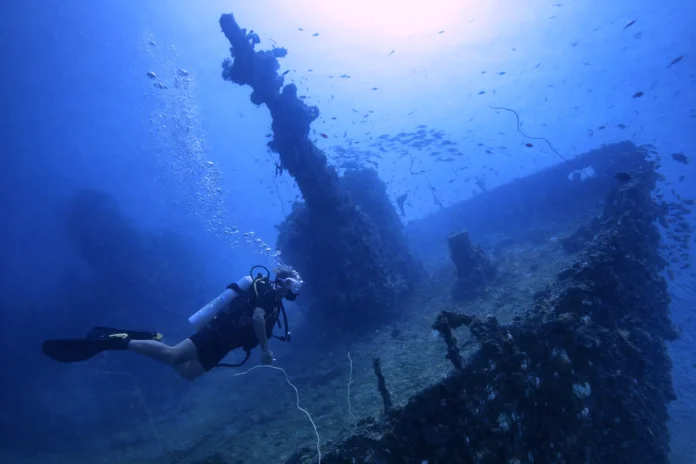
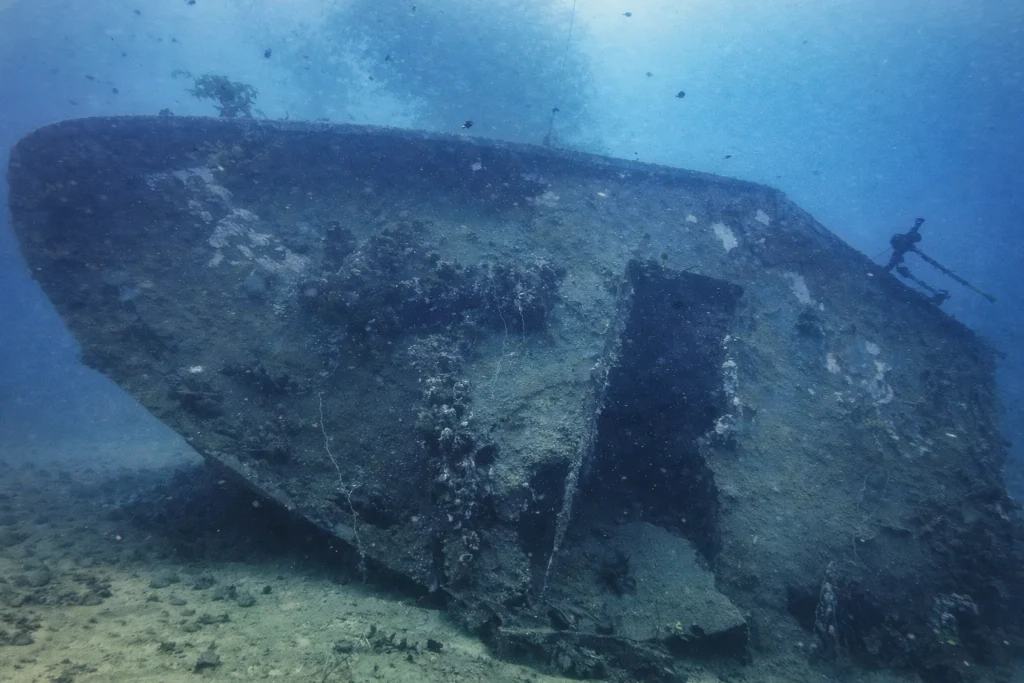
One of the highlights of diving in Diani is the MV Alpha Funguo, an artificial reef deliberately sunk to create one of the area’s premier dive sites. Sitting upright on the seabed, this former fishing vessel has transformed into a thriving habitat for marine life, with schools of jack, barracuda, and snapper circling its decks. Coral growth now decorates the railings and hull, turning it into both a photographer’s dream and an ideal training site for penetration dives.

The MV Alpha Funguo offers safe entry points, open cargo holds, and accessible cabin area, making it perfectly suited for learning wreck skills. As you descend onto the wreck, you are not only exploring a piece of local history but also experiencing firsthand how a shipwreck becomes part of the ocean ecosystem. For many divers, the Alpha Funguo is the unforgettable moment when wreck diving turns from curiosity into passion.

I Don’t Want to Penetrate the Wreck but Am Interested in Wreck Diving

Not every diver wants to go inside a shipwreck, and that is perfectly fine. The shorter SSI Wreck Diving Specialty is designed for those who prefer to explore wrecks from the outside while still gaining valuable knowledge. This course focuses on safe navigation around wrecks, understanding their history and structure, and appreciating how they develop into artificial reefs that support marine life. It is a great choice if you love the atmosphere and mystery of wrecks but want to keep your dives simple and open. Many divers take this course first and then decide later whether they want to progress to the more advanced wreck penetration training.

Ready to Take the Next Step?

If you are ready to go beyond the basics and see what lies inside the wrecks you have always dreamed of exploring, our wreck diving course is your path forward. Take the plunge, master the skills, and unlock the secrets hidden under the ocean.


FAQs About the Wreck Diving & Advanced Wreck Diving Course

Do I need to be an experienced diver to take a wreck diving course?

You should already be a certified diver with some logged dives. As our wreck sits at 30m, you will also need to be qualified to dive to that depth. Most divers complete the Deep Diving Specialty or Advanced Adventurer before moving on to the more advanced wreck training.

What is the difference between the SSI Wreck Diving Specialty and the Advanced Wreck Diving course?

The SSI Wreck Diving Specialty focuses on exploring wrecks from the outside, teaching navigation, history, and safety around wreck sites. The Advanced Wreck Diving course includes penetration skills, reels, and overhead environment training for exploring inside the wreck.

Is the wreck diving course dangerous?

Like all diving, wreck diving has risks, but the course is designed to teach you how to manage them safely. You’ll learn proper planning, buoyancy control, equipment use, and safety techniques before attempting any penetration.

Where will I dive during the wreck diving course in Diani?

One of the main sites is the MV Alpha Funguo, a purpose-sunk wreck that sits upright on the seabed. It has open cargo holds, safe entry points, and plenty of marine life, making it an ideal training site.

Does the wreck diving course count toward higher certifications?

Yes. Both the SSI Wreck Diving Specialty and the Advanced Wreck Diving course count toward your continuing education. They can be combined with logged dives and other specialties to earn SSI Specialty Diver, Advanced Open Water Diver, and Master Diver ratings.

Do I have to go inside the wreck to enjoy the course?

Not at all. Many divers prefer the shorter SSI Wreck Diving Specialty, which focuses on exploring the outside of wrecks. You can always choose later to continue on to the advanced course if you want to penetrate wrecks safely.

How far inside the wreck will I go on an Advanced Wreck Diving Course?

You will penetrate within the light zone and follow the rule of thirds. For going beyond the light zone you should get much more experience in wreck diving and also seek further training in more wreck diving techniques and extended range technical diving.

Twice the Tanks, Twice the Adventure: Try Sidemount Diving

try sidemount diving

Why Try Sidemount Diving?

If you are a certified diver looking for something new, it might be time to try sidemount diving. Instead of carrying your cylinder on your back, sidemount diving places one or two tanks at your sides. This simple change in configuration transforms your dive experience. It gives you more freedom of movement, improved trim, and a fresh sense of exploration that feels completely different from traditional scuba.

The Freedom of Sidemount

One of the biggest reasons to try sidemount diving is the comfort it provides. Without a heavy tank strapped to your back, you feel lighter, more balanced, and more flexible underwater. This makes every kick easier and every turn smoother. Divers who have back or shoulder issues especially enjoy sidemount, since the equipment is easier to carry and handle.

Another major advantage is the ability to don and doff tanks in the water. Instead of carrying the full weight of your cylinders on land, you can float your tanks in the shallows and clip them on once you are ready to descend. At the end of the dive, you can unclip them before exiting. This reduces strain on your body and makes diving more accessible for many people.

Safety and Gas Redundancy

Sidemount diving is also valued for its safety. By carrying two independent tanks and regulators, you always have a backup air source. If one tank or regulator has a problem, you can switch to the other and continue the dive safely. This redundancy is reassuring whether you are exploring deep reefs, enjoying long drift dives, or thinking about progressing into technical diving.

The gas management skills you learn while sidemount diving also make you a more disciplined diver. Switching between tanks keeps your air supply balanced and builds awareness of your gas consumption. These are skills that carry over into all your diving.

Exploration and Adventure

The streamlined profile of a sidemount diver makes exploration more exciting. You can glide smoothly through narrow coral swim-throughs, caves, or wreck passages that would be awkward or impossible with a tank on your back. Even in open water, the freedom of movement feels different. You will notice how much easier it is to position yourself for photos, hover near marine life, or enjoy long, relaxed dives without the weight pressing against you.

Sidemount is a style that encourages adventure. Every dive feels like a new way to interact with the underwater world. Many divers who start sidemount say they never want to go back.

Who Should Try Sidemount Diving?

Sidemount diving is not just for technical divers. It is for anyone who wants to expand their diving experience. If you are an Open Water diver or beyond, you can try sidemount diving as a specialty course.

It is also an excellent step if you are thinking of moving into advanced diving later, since sidemount is widely used in technical, wreck, and cave diving. But you do not need to be a future tech diver to enjoy it. Plenty of recreational divers use sidemount simply because it makes their everyday reef dives more comfortable, flexible, and fun.

Why Learn Sidemount with Ocean Tribe

At Ocean Tribe in Diani Beach, we love introducing divers to new adventures. Our experienced instructors will guide you through every stage of the process, from setting up your sidemount equipment to managing your tanks and mastering your buoyancy. You will learn how to clip on your tanks in the water, how to streamline your hoses, and how to enjoy the unique freedom that sidemount provides.

And of course, you will be doing all this training in Kenya’s warm tropical waters. You will get to practice sidemount skills while exploring vibrant coral reefs, wrecks, and swim-throughs filled with marine life. It is the perfect mix of learning and adventure.

Ready to Try Sidemount Diving?

If you are ready to shake up your diving and experience the ocean in a whole new way, it is time to try sidemount diving. Twice the tanks means twice the comfort, twice the safety, and twice the adventure every time you drop beneath the waves. Whether you are chasing freedom of movement, looking for extra security, or simply want to add a new dimension to your diving life, sidemount is the path to a whole new underwater experience.

Frequently Asked Questions: Try Sidemount Diving

What is sidemount diving?

Sidemount is a configuration where one or two cylinders are clipped along your sides instead of on your back. It started in cave and wreck diving and is now popular with recreational divers for the comfort, valve access, and redundancy it offers.

Why try sidemount diving?

You get more comfort, better trim, easier valve access, and built-in gas redundancy. Many divers find the streamlined profile more efficient and relaxing for long or adventurous dives.

Can I don and doff tanks in the water?

Yes. A key advantage of sidemount is that you can clip cylinders on and off in the water. This reduces strain on your back and makes shore entries, boat dives, and exits much easier.

Is sidemount harder to learn than backmount?

It is not harder, just different. With a specialty course you will quickly learn equipment setup, buoyancy, hose routing, and cylinder handling. Most divers adapt to it very quickly.

What equipment do I need to try sidemount diving?

You will need a sidemount harness or BCD, two regulators with hose lengths suitable for sidemount, bungees and clips to secure cylinders, and pressure gauges for each tank.

How does gas management work in sidemount?

You manage two independent cylinders and switch between regulators at set pressure intervals to keep them balanced. This builds strong gas awareness and ensures each tank has a reserve for emergencies.

Who is sidemount for?

Sidemount is for any diver who wants more comfort, safety, or flexibility. It is especially popular with divers who have back or shoulder issues, those who enjoy wrecks and swim-throughs, or anyone planning to move toward technical diving.

Does sidemount improve trim and control?

Yes. With tanks positioned at your sides, many divers find it easier to maintain perfect horizontal trim, which reduces effort and improves air consumption.

Can I do recreational sidemount with one cylinder?

Yes. Recreational courses allow you to start with a single sidemount cylinder before moving on to two, making it a flexible option for different dive situations.

Why learn sidemount with Ocean Tribe in Diani?

Ocean Tribe offers warm tropical waters, experienced instructors, and plenty of opportunities to practice in real-world conditions. You will learn how to set up and manage your gear, don and doff tanks in the water, and then take those skills straight onto the reefs, wrecks, and passages of Diani. For the sidemount rigs we use world-leading X-Deep Stealth 2.0 sidemount rigs.

Getting Your Weighting and Trim Right: A Guide for Better Diving

diver weighting and trim

Good weighting and trim are the cornerstones of enjoyable diving. If you’ve ever found yourself fighting to stay down, drifting up uncontrollably, or tilting feet-first through the water, chances are your balance between weight and body position isn’t quite right. Getting it correct changes everything. You move more efficiently, breathe easier, and look and feel like a confident diver.

This guide explains how recreational divers using single tanks and wetsuits can perfect their weighting and trim. We’ll look at practical steps for buoyancy checks, how to distribute weight, and how posture affects your position in the water. We’ll also compare different gear setups – backplate and wing, jacket-style BCDs, and sidemount – before finishing with how drysuit diving alters the picture.

Why Weighting and Trim Matter

When your weighting and trim are right, you become streamlined and hydrodynamic. You glide through the water rather than plough through it, which lowers your effort and air consumption. You also protect the environment, hovering above reefs and sandy bottoms without bumping into corals or stirring up silt clouds.

On the other hand, poor weighting and trim make dives frustrating. Overweighting forces you upright and makes you constantly add air to your BCD, increasing drag. Underweighting means fighting to descend or drifting upwards at the end of a dive. Both situations waste energy, shorten dive time, and can compromise safety.

Step 1: Getting the Weight Right

Correct weighting is the foundation. To check yours:

  • Enter the water in full gear with an empty BCD.
  • Breathe normally. On a normal inhale you should float at eye level.
  • Exhale completely. You should sink slowly and controllably.

If you sink like a stone, remove weight. If you cannot sink at all, add weight in small increments. A final test comes at the end of a dive: with only 50 bar/500 psi in your tank, you should be able to hover neutrally at 5 metres without difficulty.

Keep a log of how much lead you use with different wetsuits, tanks, and conditions. This creates a personalised reference for future dives. Many divers are surprised to learn they can safely shed several kilos once they run a proper check – improving their weighting and trim instantly.

Step 2: Distributing Weight for Better Trim

The amount of lead you carry is only part of the equation. Where you place it directly influences your trim underwater.

  • Balance weight evenly left and right to avoid rolling.
  • Use trim pockets high on your BCD or tank band to move ballast off your waist.
  • If your feet sink, shift weight upwards. If your head drops, shift it down.
  • Adjust your tank position – even a few centimetres higher or lower can rebalance you.
  • Consider your fins: heavy fins pull feet down, light fins may let them float.

Avoid stacking all the weight on a belt if possible. Spreading it out across waist, trim pockets, and tank band creates a smoother, more level posture and is key to fine-tuning weighting and trim.

Step 3: Posture and Technique

Even with perfect weight placement, poor posture can ruin your trim. Focus on body position:

  • Keep your head up, looking forward.
  • Arch your back slightly, shoulders back, chest open.
  • Bend your knees about 90 degrees with fins lifted slightly above your body line.
  • Fold arms in front rather than letting them dangle.

Test this by hovering motionless. If you tip head-up or feet-down without moving, adjust your weight placement until you stay flat. This combination of correct posture and balanced weighting results in effortless horizontal trim.

Gear Considerations for Weighting and Trim

Backplate and Wing

A metal backplate adds built-in negative buoyancy high on your back, reducing the lead you need. Trim pockets on tank bands offer flexible options for moving weight up or down. Many divers find their weighting and trim improve dramatically after switching to a backplate and wing system.

Jacket-Style BCDs

Jackets concentrate weight around the waist, which often leads to a foot-heavy position. If available, use rear trim pockets to move some lead higher. Lower or raise your tank slightly to balance. With attention to placement, you can still achieve excellent trim in a jacket.

Sidemount

Sidemount divers distribute weight along a harness and spine panel. Balancing ballast is vital to maintain symmetry and good weighting and trim, particularly with aluminum tanks that grow buoyant as they empty. Using modular weight pockets lets you adapt as needed during a dive.

Weighting and Trim in a Drysuit

Switching from wetsuit to drysuit changes everything.

  • Drysuits add buoyancy, often requiring 2–3 kg more lead.
  • Weights work best placed around the hips to counter buoyant legs.
  • Heavier fins or ankle weights can help manage floaty feet.
  • The air bubble inside the suit must be controlled – add only enough to prevent squeeze and stay warm.

Expect a learning curve. Trim may shift during the dive as the suit compresses and expands. With practice, however, you can achieve the same stable weighting and trim in a drysuit as in a wetsuit.

Final Thoughts

Mastering weighting and trim transforms your diving. Start with an accurate buoyancy check, distribute weight smartly, and perfect your body posture. Adjust for your gear – whether jacket, backplate and wing, or sidemount – and make the necessary changes if moving into drysuit diving.

The result is effortless control, lower air consumption, and a more enjoyable, environmentally friendly dive. With a little attention and practice, good weighting and trim will soon become second nature, and you’ll glide through the water with ease.

From Gap Year to Career Skills: How Diving Instructor Training Sets You Apart

GAP Year Diving

Becoming a diving instructor on your gap year sets you up for the future. It gives you a global job, real responsibility, and skills employers value. It also lets you keep diving for life. If you want purpose, adventure, and a standout CV, becoming a diving instructor on your gap year is a great idea.

Work And Travel While You Learn

As a qualified instructor, you can work around the world. You can spend your gap year in warm-water destinations and earn as you explore. Later, you can return during university breaks and pick up seasonal work. Resorts, liveaboards, island schools, and expedition programs all hire instructors. You get a flexible career you can dip in and out of as your studies allow. You also build a global network of dive pros who help you land the next role.

Turn Passion Into Purpose

If you love the ocean, teaching amplifies that passion. You will introduce new divers to a world they have never seen. Students remember the person who first took them underwater. You become the reason they travel more, care more, and protect more. That is rewarding. It also keeps you motivated to dive often and to keep learning.

Transferable Skills Employers Notice

Public speaking becomes second nature. You brief dives, explain risks clearly, and speak to mixed groups. You learn to hold attention and make complex ideas simple. That confidence carries into classrooms, interviews, and presentations at university.

First aid instruction builds authority. Many instructors also qualify to teach CPR, first aid, and oxygen administration. You learn to run structured lessons, assess learning, and coach skills that matter. These credentials are valued in outdoor education, hospitality, events, and student leadership roles.

Problem solving under pressure shows maturity. Diving teaches calm, methodical thinking. It will see you planning gas, weather, and logistics. Handling surprises in the water and on the boat. You will learn to fix issues without drama and to escalate when needed. Employers trust people who can make good decisions when it counts.

Leadership and teamwork come with the job. As a dive instructor you will direct boat crews, guide customers, and coordinate safety. You learn to manage diverse personalities and cultures. You also learn when to lead from the front and when to support quietly. That balance makes you effective in any team.

Make A Real Difference For People

Teaching diving changes lives. Starting with helping nervous beginners take their first breaths underwater. You support students as they master new skills. You watch confidence grow week by week. Many will credit you for a life milestone. That impact feels good and keeps you engaged.

Become Part Of Ocean Conservation

Becoming a diving instructor on your gap year is more than teaching skills underwater. It’s also about shaping how people interact with the ocean. Every time you brief a group of divers, you have the chance to set standards that protect fragile marine ecosystems. You’ll teach buoyancy control so students avoid damaging coral, explain why touching or collecting marine life harms the reef, and promote reef-safe sunscreen and eco-friendly diving practices.

As an instructor, you’re not just creating divers. You’re creating responsible ocean ambassadors. Your students will take these habits home with them and continue to share them long after their holiday is over. This ripple effect means the positive impact of your teaching extends far beyond one dive trip.

At Ocean Tribe, many instructors also expand their role by teaching SSI Ecology Programs, which cover sharks, turtles, manta rays, coral, fish identification, and marine conservation. These courses give divers deeper knowledge of the underwater world and help them appreciate the need to protect it. Teaching ecology specialties adds another layer of meaning to your gap year, because you’re actively helping to build awareness and action for ocean health.

Conservation also goes beyond the classroom. Instructors often join local beach clean-ups, marine park projects, or citizen science initiatives such as fish counts and coral surveys. You may find yourself working alongside NGOs, marine biologists, and local communities to make a difference. These experiences enrich your gap year and give you credible conservation experience you can showcase at university or in future careers.

The best part is that conservation becomes part of your daily work. Every dive briefing, every reef lesson, every ecology course makes a difference. By becoming a dive instructor, your gap year is not just about adventure—it’s about actively protecting the very environment that makes diving so special.

Bring Diving Back To University

Arrive at university with serious skills. Help run pool try-dives with a local dive center. Present ocean ecology talks to societies. Organise club trips and mentor new divers. You become the go-to person for underwater adventures. That builds your social circle and keeps your skills sharp between terms.

Keep A Lifelong Pastime

Diving lasts a lifetime. You can keep teaching, guiding, or just exploring for fun. To expand your skills you can branch into specialties like deep, wreck, night, or sidemount. You can travel to new regions and keep progressing. The community is welcoming and international. Once you are in, you are never short of dive buddies.

A Clear Pathway From 18+

You can start at 18 and progress quickly. The common pathway is Open Water, Advanced-level training, First Aid and Oxygen Provider, Stress & Rescue, and Divemaster. With solid dive experience logged, you move into the Instructor Training Course and the Instructor Evaluation. Many motivated gap year students reach instructor within a single season. If you are already certified, you advance faster.

Where You Can Work On A Gap Year Or During Breaks

Warm-water regions offer steady entry-level roles. Think the Red Sea, East Africa, Indian Ocean islands, Southeast Asia, the Mediterranean and the Caribbean. Summer seasons in the Mediterranean and Atlantic also work well for university breaks. Liveaboards hire for longer blocks. Resorts hire for peak months. Your instructor rating opens these doors.

What It Costs And How To Fund It

Training is an investment. You pay for courses, materials, and instructor evaluation fees. You also need insurance and basic kit. Once you start guiding or assisting, you earn while you build experience. Later, instructor work helps you recover your training costs.

Safety, Standards, And Professionalism

At 18, professionalism matters. As a diving instructor you will follow the agency training standards. You teach only what you are certified to teach, with a recognized agency. You always put safety first. This builds trust with employers and customers. It also protects your reputation and your future.

How To Get Started

Set your goal to become a diving instructor on your gap year and start building your career from day one. At Ocean Tribe in Diani Beach, Kenya, we run professional Dive Instructor Internships designed to take you from beginner or intermediate diver all the way to qualified instructor. You gain real-world teaching experience, daily mentoring from an award-winning Instructor Trainer, and the chance to live and train in one of the most vibrant marine environments in East Africa.

Our internships are flexible and tailored to your starting level, whether you are just completing your Open Water Diver or already certified as a Divemaster. As you progress, you will log dives in Kenya’s best reefs, learn to guide groups, master dive theory, and develop the teaching and leadership skills needed to succeed as an instructor anywhere in the world.

What makes this pathway perfect for a gap year is that you don’t just leave with a certification—you leave with employable experience and a job-ready qualification. By the end of your internship, you can work worldwide, pick up seasonal jobs during university breaks, or continue a long-term diving career. It’s a launchpad into both adventure and professional growth.

The Bottom Line

Becoming a diving instructor on your gap year gives you freedom, purpose, and employable skills. Learn to speak, teach, lead, and problem-solve. You earn while you travel. You bring those skills back to university and beyond. Most of all, you gain a lifelong connection to the ocean and a community that spans the world. If you want a year that changes your life and your future, start your instructor journey now.

Interacting with Marine Life: Common Mistakes and Better Practices

interacting with marine life

Snorkeling or diving in Diani brings you close to turtles, rays, colorful reef fish, and sometimes even dolphins. But many visitors don’t realize that interacting with marine life the wrong way can harm these fragile creatures. By learning what not to do and how to behave responsibly, you’ll enjoy richer, more authentic encounters under the sea.

Touching and Handling Marine Animals

One of the biggest mistakes when interacting with marine life is touching or holding it. Picking up starfish, sea cucumbers, or even turtles for photos may seem harmless, but it stresses the animal and can cause injury or death. Human hands also remove the natural protective coating of fish and rays, leaving them vulnerable to disease.

Better Practice: Admire marine animals where they belong — in the water. Keep your hands off and let your camera capture the moment without disturbing them.

Chasing Turtles, Dolphins, or Rays

Chasing after wildlife is another common error. It scares the animal, disrupts natural behavior, and often cuts the encounter short. Many snorkelers and boat operators don’t realize that this is a harmful way of interacting with marine life.

Better Practice: Be patient. Stay calm and still, and let the turtle or dolphin approach you. Respecting their space often results in longer and more natural encounters.

Feeding Fish

Offering bread or scraps to fish might sound fun, but it alters their diet and behavior, damaging the reef ecosystem. Fish that rely on being fed stop playing their natural role in reef health, and some even become aggressive.

Better Practice: Never feed fish or other animals. Instead, observe their natural feeding behaviors — they’re fascinating and far healthier for the reef.

Standing on Coral

When snorkelers or divers stand on coral to rest, they crush living animals that have taken decades to grow. It’s an easy mistake to make when people don’t realize that corals are alive.

Better Practice: Float above the reef at all times. Divers should practice buoyancy control, and snorkelers should only stand on sandy patches away from coral.

Collecting Souvenirs

Shells, corals, or “curiosities” may look like great souvenirs, but removing them harms the reef and its inhabitants. Even empty shells often provide homes for hermit crabs or other marine creatures.

Better Practice: Take only photos and memories. Leave shells, corals, and rocks in place to keep the ecosystem balanced.

Choosing Responsible Operators

Some glass-bottom boat trips and snorkel operators still handle starfish or chase dolphins to please guests. Supporting these practices encourages harm. As a visitor, your choice of operator matters.

Better Practice: Ask tour providers about their policies on interacting with marine life. Choose eco-conscious operators that protect wildlife and educate guests on responsible practices.

Learn More with Blue Oceans

Protecting the reef starts with awareness. At Ocean Tribe, our Blue Oceans Introduction shows you how to enjoy the underwater world responsibly. By understanding the right way of interacting with marine life, you help safeguard the reef for future generations.

Learn to Dive Platinum Package

COURSE PACKAGES