WELCOME TO THE OCEAN TRIBE ONLINE DIVE THEORY LEARNING CENTRE
This is your go-to hub for understanding scuba theory. We’ve gathered clear explanations, expert tips, and top videos from across the diving world. Everything is designed to help you learn faster and smarter.
Browse each category to explore detailed topics. Watch helpful videos. Review key concepts. Reinforce your dive knowledge.
Whether you’re just starting or preparing for your SSI Instructor Training Course, this is the place to build confidence and clarity.
Your path to becoming a dive professional starts here. Let’s dive in.
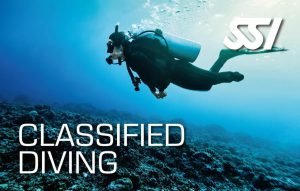
The SSI Classified Diving program has been created to enable persons with disabilities who might not be able to earn full certifications the ability to dive and get certified with different safety parameters. Learn to work with disabled divers.
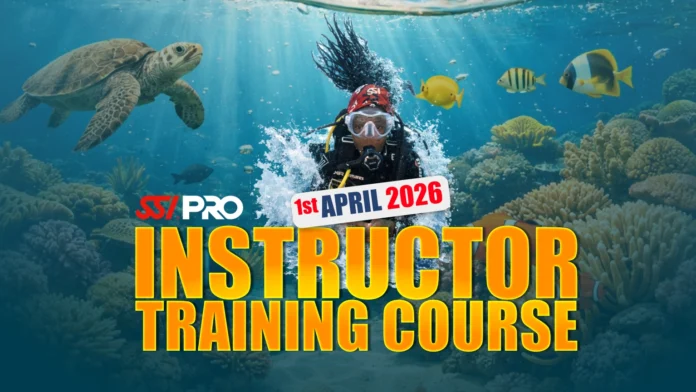
The SSI Instructor Training Course May 2026 is your opportunity to turn your passion for diving into a professional career in one of the most unique locations in the world. Starting on 30th April 2026, this program at Ocean Tribe in Diani Beach is designed to take you from Divemaster to confident, employable SSI Instructor.
This is not just a course. It is a complete career development package that prepares you to teach, lead, and succeed in the global dive industry.
Course Overview and Price
The SSI Instructor Training Course May 2026 and includes everything you need to progress from candidate to certified instructor with no hidden extras.
Before the course even begins, you will take part in a structured internship preparation phase. During this time, you will dive regularly, assist with real courses, refine your skills, and identify any gaps in your knowledge. This ensures you arrive at the ITC confident and ready to perform.
What Is Included in the SSI Instructor Training Course May 2026
This package is designed to give you maximum value and real-world readiness.
You will receive the full SSI Instructor Training Course along with the official SSI digital learning materials, ensuring you are fully prepared both academically and practically.
Your program also includes the SSI Instructor Evaluation, so there are no unexpected additional fees at the end.
You will be equipped with essential professional tools including SSI teaching wetnotes, evaluation slates, and instructor accessories.
Beyond the core program, Ocean Tribe includes a strong professional development element. You will complete multiple specialty instructor courses, including React Right, Classified Diving, Deep Diving, and Navigation Diving. These immediately expand what you can teach and increase your employability.
What You Will Be Able to Teach
After completing the SSI Instructor Training Course May 2026, you will be qualified to teach a wide range of SSI programs.
You will be able to run entry-level experiences such as Try Scuba and Basic Diver, as well as full certification programs including Open Water Diver and Advanced Open Water Diver.
You will also be able to teach continuing education courses such as Perfect Buoyancy, Enriched Air Nitrox, Diver Stress and Rescue, and Science of Diving.
In addition, your training qualifies you to teach professional-level pathways including Divemaster (Dive Guide).
Importantly, you will also gain the ability to teach Classified Diving programs, allowing you to work with divers with disabilities. This is a rare and valuable skillset that sets you apart in the industry.
Full List of What You Will be Able to Teach After Taking the Instructor Program at Ocean Tribe
Try Scuba
Basic Diver
Referral Diver
Indoor Diver
Scuba Diver
Open Water Diver
Experienced Diver Test
Scuba Skills Update
Advanced Open Water Diver
Perfect Buoyancy
Diver Stress & Rescue
React Right
Enriched Air Nitrox
Science of Diving
Divemaster (Dive Guide)
Deep Diving
Navigation Diving
Computer Diving
Marine Ecology
SSI Explorers
Classified Diving (Programs for Divers with Disabilities)
Accommodation at Stilts Treehouses
Your stay during the course is included at Stilts Treehouses, located just behind the Ocean Tribe base at the 41 Beach Club.
You will stay in a standard single private room with shared bathroom facilities, set within a beautiful wooden treehouse surrounded by forest canopy.
The accommodation is comfortable and well maintained, with mosquito nets, bedding, and towels all provided. It offers a relaxed, social environment while still giving you your own private space to rest and recharge.
Additional Professional Development Included
The SSI Instructor Training Course May 2026 goes far beyond minimum standards.
You will take part in a neutral buoyancy teaching workshop, helping you refine one of the most important skills as an instructor.
You will also benefit from video analysis and feedback sessions, allowing you to see your performance and improve quickly.
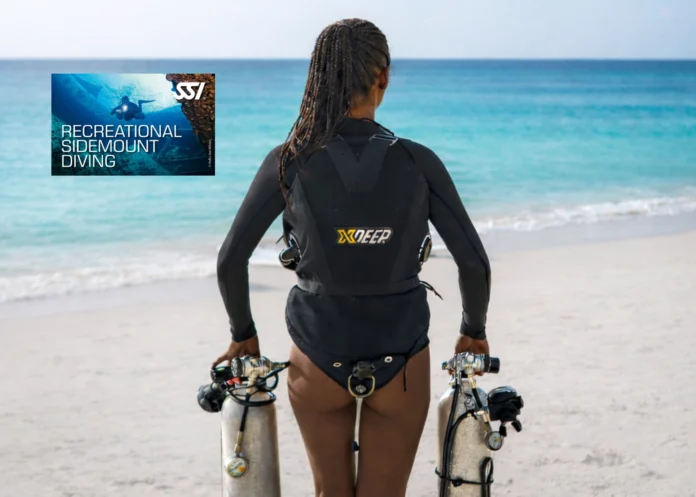
The program includes an introduction to sidemount diving, giving you exposure to modern equipment configurations.
You will gain insight into dive centre operations through the DiversDesk management system workshop, and you will receive CV preparation and job seeking assistance to help you secure employment after the course.
As part of the experience, you will also receive an Ocean Tribe T-shirt.
Optional Extras to Enhance Your Career
To help you start your career fully prepared, you can choose from two equipment packages.
The Instructor Essential Equipment Package at $1,249 includes a full professional setup featuring an XDeep Zeos wing system, regulator set, computer, wetsuit, and accessories.
For those looking for a premium setup, the Instructor Elite Equipment Package at $1,549 includes higher-end equipment such as the Mares Sirius dive computer and advanced regulator systems.
For a truly unique experience, there is an optional 2-night, 3-day African safari at Ngutuni Lodge for $250.
What Does It Cost
The SSI Instructor Training Course Full Package May 2026 is priced at $2,599, and it is designed as a complete, all-inclusive professional package rather than a basic course with hidden extras.
This price includes your SSI Instructor Training Course, digital learning materials, Instructor Evaluation, accommodation at Stilts Treehouses, and four Specialty Instructor ratings. It also covers your internship preparation, additional workshops, and career support, which are often charged separately elsewhere.
When you consider everything that is included, from training and accommodation to professional development and job preparation, this represents excellent value for anyone serious about becoming a dive instructor.
There are optional extras available such as full equipment packages, additional specialty instructor ratings, and an African safari experience. However, these are entirely optional and not required to complete the course.
If you book before April 4th 2026, you will also receive a major bonus. You can choose between a free 3-day, 2-night African safari or a Mares Puck Lite dive computer, adding even more value to the package.
If you book your place on the SSI Instructor Training Course May 2026 before April 4th 2026, you will receive an incredible bonus.
Why Choose Ocean Tribe for Your ITC
Ocean Tribe is one of the leading SSI Diamond Instructor training centres in Africa, offering a level of training and mentorship that goes far beyond the standard Instructor Training Course.
You will train in warm, clear waters with access to diverse dive sites and real students. You will be guided by experienced professionals who are actively working in the industry, not just teaching from a script.
Most importantly, you will leave not just as an instructor, but as a confident dive professional ready to work anywhere in the world.
Start Your Diving Career in May 2026
The SSI Instructor Training Course May 2026 is your next step if you are serious about becoming a dive professional.
With comprehensive training, multiple specialty instructor ratings, accommodation included, and real career support, this program offers exceptional value.
Spaces are limited, and this course is expected to fill quickly.
Take the step from diver to professional and begin your new career with Ocean Tribe in Diani Beach.
Path to diving instructor is one of the most searched questions by people who fall in love with diving and want to turn it into a career. The good news is that the route is clear, structured, and achievable. With the SSI training system, you can go from complete beginner to professional instructor step by step, building real skills along the way.
This article breaks down exactly how it works, how long it takes, and what else you should be doing if you want to succeed as a dive professional.
You will learn basic dive theory, equipment use, essential safety skills, and complete your first open water dives. This course usually takes 3 days, and once certified you can dive to 18 metres.
From here, your path to diving instructor officially begins.
Step 2: Advance Your Diving Skills
After Open Water, the next step is typically the SSI Advanced Open Water Diver course. However, it is important to understand that this course is not compulsory on the path to diving instructor.
SSI is a flexible system. You can progress by building experience through specialties instead, and in many cases this is actually the better route.
SSI Advanced Open Water Diver Course
This course is designed to build confidence and introduce you to different types of diving.
During the course, you will:
Experience different diving environments and styles
Improve buoyancy and control underwater
Build awareness, confidence, and dive planning ability
Gain an introduction to deeper diving and navigation
It typically takes 2 to 3 days and is a good way to broaden your experience early on.
Ocean Tribe Advanced Alternative Combo Package (recommended)
Instead of the standard advanced course, you can choose to complete full specialty certifications. This option is not only valid within the SSI system, it is often more valuable. To enable this Ocean Tribe actually provides a combo package as an advanced alternative.
Allows you to use nitrox for longer dives and added safety
Provides full specialty certifications that count toward higher SSI recognition levels
Most importantly, this route builds real, usable skills rather than just giving you a taste of them.
At this stage, whichever route you choose, you should be logging dives consistently and gaining experience in different environments.
Step 3: Stress and Rescue Diver
This is where your mindset shifts from looking after yourself to looking after others.
The Diver Stress and Rescue course teaches you how to identify potential problems before they happen and how to deal with them if they do. It is one of the most valuable and rewarding steps in your path to diving instructor.
You will:
Learn self-rescue techniques
Recognise and manage stress in divers
Handle emergency scenarios
Develop confidence in assisting others
The course typically takes 3 to 4 days.
It also requires React Right, which includes first aid, CPR, and oxygen administration. This is completed on the first day of the Rescue program and is also a requirement for pro levels.
Step 4: Log Dives and Gain Real Experience
Before starting professional training, SSI requires:
This is the final step before becoming an instructor.
The ITC prepares you to teach full courses, demonstrate skills to a high level, and manage students effectively.
You will develop:
High-quality skill demonstrations
Structured teaching methods
Professional-level control and awareness
The programme typically takes 10 to 12 days, followed by the Instructor Evaluation (IE).
How Long Does the Path to Diving Instructor Take?
The path to diving instructor from beginner is not something that can be completed instantly. SSI requires a minimum training and experience period of at least 6 months between your initial Open Water certification and attending an Instructor Evaluation.
This ensures that instructors are not only qualified on paper but have real diving experience and maturity in the water.
In reality:
Full-time, focused progression usually takes 6 months or more
Many divers take 6 to 12 months to build solid experience
This is a good thing. Time in the water is what creates a competent, confident instructor.
Minimum Time Periods would be:
Beginner to Instructor- 6 months
Open Water to Instructor- 4 Months
Advanced Open Water to Instructor- 3 Months
Diver Stress and Rescue to Instructor- 2 Months
Divemaster to Instructor- 2 weeks but 1 month at least better.
What Courses Are Required?
The core SSI path to diving instructor includes:
Open Water Diver
Advanced training or equivalent experience in deep, navigation and night diving.
Stress and Rescue Diver
React Right
Science of Diving
Dive Guide
Assistant Instructor
Instructor Training Course
Instructor Evaluation\
Dive Career Internship Packages
One of the most effective ways to follow the path to diving instructor is through a structured dive career internship package.
These programmes are designed to take you from beginner through to professional level in a focused and supportive environment. Instead of just completing courses, you gain daily, hands-on experience within a working dive centre.
A good internship will include:
A clear progression from Open Water through to Divemaster and Instructor
Daily diving to rapidly build experience and confidence
Real involvement in dive centre operations
Workshops such as buoyancy training, teaching techniques, and dive briefings
Mentoring from experienced instructors
At Ocean Tribe, internship packages also include additional development such as video analysis, CV preparation, and job-seeking support, helping you transition into employment after qualification.
This approach not only meets the requirements of the SSI system but produces far more capable and employable dive professionals.
What Else Makes a Great Diving Instructor?
Perfect buoyancy is essential. You must be able to demonstrate skills clearly and effortlessly.
Strong communication skills help you teach divers from all over the world.
Calm problem solving allows you to manage situations without stress.
Professionalism builds trust with both students and dive centres.
Additional specialty instructor ratings such as Enriched Air Nitrox, Deep Diving, and Perfect Buoyancy increase your employability.
Adaptability ensures you can teach a wide range of students effectively.
Why Choose the SSI System?
SSI offers a flexible and modern training system that allows divers to progress through experience and specialties rather than rigid course structures.
The MySSI app provides seamless access to learning and certifications.
The system rewards progression and focuses on producing confident, capable professionals.
Final Thoughts on the Path to Diving Instructor
The path to diving instructor is about more than certifications. It is about developing the skills and mindset to lead and teach others underwater.
You do not have to follow a single rigid route. SSI allows flexibility, and in many cases, choosing specialties over a standard advanced course will make you a stronger diver.
Take your time, build experience, and focus on quality training.
Do that, and you will not just become an instructor. You will build a career that can take you anywhere.
Choosing where to complete your Divemaster internship or Instructor Training Course is one of the most important decisions in your diving career. The right dive centre does far more than simply help you pass an exam. It prepares you for the real world of working as a dive professional.
If you are looking for Divemaster and Instructor training in Kenya, Ocean Tribe in Diani Beach offers a unique combination of professional training, real dive centre experience, and one of the most beautiful diving environments in East Africa.
Ocean Tribe is an SSI Diamond Instructor Training Centre, focused on developing confident and capable dive professionals who are ready to work in the industry.
Train in a Real Instructor Training Environment
Many dive centres offer professional courses occasionally. At Ocean Tribe, professional development is a core part of the operation.
Divemaster trainees and Instructor candidates work within an active dive centre that runs daily diving and training programmes. This means you gain genuine experience assisting courses, guiding divers, and understanding how a professional dive centre operates.
Instead of simply completing requirements, you develop the skills needed to become a trusted dive professional.
A Comprehensive Instructor Training Package
The SSI Instructor Training Course starting 1st May 2026 in Diani Beach is designed to give candidates far more than the basic instructor qualification.
The course includes:
• Full SSI Instructor Training Course
• Digital Crewpack learning materials
• Wetnotes and slate
• Mask strap cover
• Six SSI Specialty Instructor ratings
• SSI Classified Diving Instructor certification
• SSI React Right Instructor certification
These certifications immediately allow new instructors to teach a wider range of courses once they pass the Instructor Evaluation.
Additional Professional Development Workshops
Ocean Tribe also includes a range of additional workshops that help candidates become better instructors and improve their employability.
Additional Professional Development Included in the Ocean Tribe ITC
One of the things that makes the Ocean Tribe Instructor Training Course in Diani Beach different is that the programme goes beyond simply preparing candidates for the Instructor Evaluation. The goal is to develop instructors who are confident, skilled, and ready to work in real dive centre environments.
Alongside the core Instructor Training Course, candidates benefit from a series of additional workshops and seminars designed to strengthen both teaching ability and professional skills.
Below is a closer look at what each of these additional elements includes.
Neutral Buoyancy Teaching Workshop
One of the most important skills for any scuba instructor is the ability to teach buoyancy effectively. Good buoyancy is the foundation of safe, relaxed and environmentally responsible diving.
During this workshop you will learn how to:
• Demonstrate buoyancy skills clearly in the water
• Diagnose common buoyancy problems students experience
• Use simple teaching techniques to improve student control
• Help divers achieve neutral buoyancy faster and with less frustration
The workshop focuses heavily on in-water demonstrations and coaching, allowing candidates to refine their own buoyancy while learning how to teach it effectively.
This is one of the most valuable skills a new instructor can develop.
Video Analysis and Feedback Sessions
Many instructors are unaware of small habits in their demonstrations, positioning or communication that can affect their teaching.
During the course, video analysis sessions are used to review confined water and open water presentations. Candidates are filmed during their teaching exercises and then review the footage together with the Instructor Trainer.
This allows you to:
• Improve body positioning and visibility of demonstrations
• Refine communication and presentation style
• Correct small mistakes that may otherwise go unnoticed
• Develop confidence when teaching in front of groups
Seeing yourself teach on video can be one of the fastest ways to improve as an instructor.
Classified Diving Instructor Seminar
Ocean Tribe places a strong emphasis on inclusive diving. The Classified Diving Instructor seminar introduces candidates to training divers with physical, sensory or cognitive challenges.
This seminar covers:
• Understanding different types of disabilities
• Adapting teaching techniques to individual divers
• Equipment considerations and assistance techniques
• Risk assessment and safety procedures
• Creating inclusive dive centre environments
With more divers with disabilities entering the sport, this training gives instructors valuable knowledge that few new instructors possess.
React Right Instructor Seminar
First aid and emergency response training are essential skills for dive professionals.
The React Right Instructor seminar prepares candidates to teach SSI’s emergency first response programme. This includes training in:
• Primary assessment and emergency management
• CPR and AED use
• Oxygen administration for dive accidents
• First aid for injuries and medical emergencies
Being able to teach first aid courses is extremely valuable for instructors because it allows you to teach the full pathway from first aid through to Rescue Diver and professional training.
Introduction to Sidemount Diving
Sidemount diving has become increasingly popular among recreational and technical divers.
During this introduction session, candidates will learn:
• The advantages of sidemount configuration
• Equipment setup and cylinder positioning
• Basic buoyancy and trim techniques
• When sidemount is useful in recreational diving
Even if you do not immediately pursue sidemount certification, understanding the system helps instructors support divers who choose this configuration.
Basic Freediver Course
Freediving skills can significantly improve a scuba diver’s breathing control, relaxation, and water comfort.
As part of the ITC programme, candidates are introduced to freediving techniques including:
• Breath control and relaxation techniques
• Efficient finning and body positioning
• Basic breath-hold diving skills
• Safety procedures for freediving
These skills can also improve your awareness and comfort in the water as a scuba instructor.
DiversDesk Management System Workshop
Modern dive centres rely heavily on digital management systems to organise customers, courses and staff schedules.
During this workshop you will learn how dive centres manage daily operations using DiversDesk, including:
• Customer bookings and reservations
• Course scheduling and instructor assignments
• Waivers and digital paperwork
• Customer records and certifications
Understanding how these systems work helps instructors integrate quickly into professional dive centre environments.
CV Preparation and Job Seeking Assistance
One of the biggest concerns for new instructors is finding their first job in the dive industry.
Ocean Tribe provides guidance on how to present yourself professionally and improve your chances of employment.
This includes help with:
• Writing a professional dive industry CV
• Preparing a strong instructor profile
• Understanding what dive centres look for when hiring
• Job searching strategies within the global dive industry
This guidance can make a significant difference when you begin applying for instructor positions.
Training That Goes Beyond the Minimum
Many Instructor Training Courses focus only on passing the Instructor Evaluation. While that is important, Ocean Tribe believes that becoming a successful dive professional requires much more.
By including these additional workshops and seminars, the programme ensures that new instructors leave with practical skills, confidence and industry knowledge that help them stand out in the job market.
These extra elements help candidates develop the practical skills needed to succeed in the dive industry after certification.
Learn From an Experienced Instructor Trainer
Professional training is only as strong as the mentor guiding you.
At Ocean Tribe, Divemaster candidates and Instructor trainees train under a highly experienced SSI Instructor Trainer Mark Slingo with decades of industry experience. The focus is not only on passing the Instructor Evaluation but on becoming a confident teacher and leader underwater.
Training focuses on:
• Effective teaching techniques
• Professional dive centre operations
• Risk management and diver safety
• Presentation and classroom skills
• Building confidence in the water
By the end of the course, candidates are prepared not only for the Instructor Evaluation but for their first job as a scuba instructor.
Incredible Diving in Diani Beach
One of the advantages of completing Divemaster and Instructor training in Kenya is the exceptional diving environment.
Diani Beach offers warm water, good visibility, and diverse marine life throughout the year.
Training in such an environment makes every dive enjoyable and memorable.
Small Groups and Personal Attention
Ocean Tribe keeps professional training groups small to ensure every candidate receives detailed feedback and coaching.
This allows trainees to improve their skills quickly and gain confidence in both teaching and diving.
Rather than feeling like one of many candidates, you become part of a supportive team environment.
A Unique Destination for Professional Training
Many Divemaster internships take place in crowded training destinations. Diani offers something different.
Kenya combines excellent diving with incredible wildlife and adventure opportunities. During your stay you can also experience:
• Safari trips to Kenya’s famous National Parks
• Swahili culture and coastal cuisine
• Stunning white sand beaches
• A relaxed tropical lifestyle
This makes your training experience far more than just another course.
Support After Your Course
Ocean Tribe does not simply send candidates home after certification.
Instructor candidates receive guidance on CV preparation and job applications, helping them take their first steps in the dive industry.
This support helps new instructors transition from training into employment.
Start Your Professional Diving Career
Becoming a Divemaster or Instructor opens the door to a new lifestyle and career.
By choosing Divemaster and Instructor training in Kenya with Ocean Tribe, you gain the experience, confidence, and professional skills needed to succeed in the global dive industry.
You will leave not only with certifications but with the practical knowledge required to teach and lead divers safely.
Join the SSI Instructor Training Course
The next SSI Instructor Training Course begins 1st May 2026 in Diani Beach, Kenya.
If you are ready to take the next step in your diving career, Ocean Tribe would be delighted to help you become a professional.
It is one of the most common questions we hear. The world we live in today encourages us to capture and report everything we do.
You have signed up for a scuba diving course. You are excited. You are about to see a completely new world. You want to show your experience on Instagram, TikTok, Facebook, YouTube or simply share it with your friends on your phone.
We understand that. You do not want to miss the moment.
This is not helped by so-called influencers filming themselves acting irresponsibly underwater just to generate likes, clicks and shares. That content creates the impression that diving is about performance rather than skill.
GoPros, Insta360, DJI, even your phone in a housing such as Divevolk. There are many ways to capture your dive and the equipment looks simple to use.
But it is not just about pressing a button and pointing a lens.
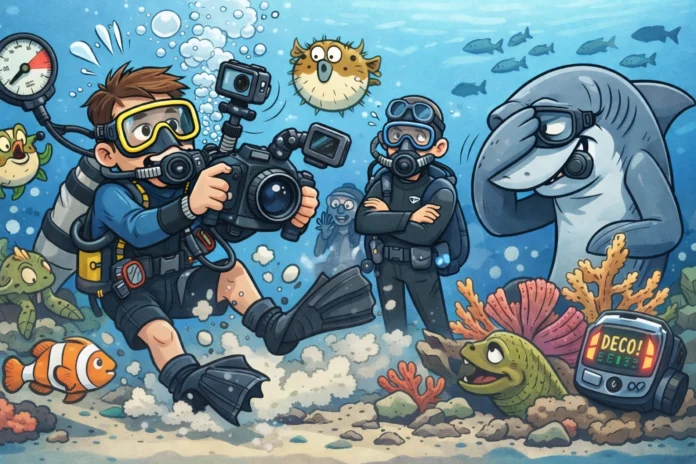
If you are asking yourself, should I use a camera during scuba training, the honest answer is no.
Why Not?
You Are There to Learn How to Dive
Your Open Water Diver course or Try Scuba session is about building solid foundations. You must master buoyancy, trim, breathing control, finning technique and equipment awareness before adding distractions. Using a camera divides your attention at the exact moment when you need focus the most. It slows your learning and reduces the quality of skill development when those early habits are being formed.
You Stop Paying Full Attention to Your Instructor
During training, your instructor demonstrates skills, gives corrections and closely monitors your progress. If you are thinking about angles and framing, you are not fully listening. You may miss a signal, a safety reminder or a depth instruction. Scuba training demands awareness and responsiveness. A camera competes directly with that focus.
Your Frame of Reference Shrinks
When you hold a camera, your world becomes the small screen in front of you. Instead of observing your surroundings, your buddy and your instructor, you concentrate on a narrow field of view. You stop seeing the bigger picture. New divers already find underwater awareness challenging. Adding a camera makes that challenge greater and can reduce situational awareness at a critical stage of your development.
Increased Breathing and Finning
Excitement naturally increases breathing rate. Adding task loading through filming increases it further. Many new divers begin finning harder to hold position while recording. That leads to instability, faster air consumption and unnecessary movement. Training dives are about learning calm, efficient control. Cameras often create the opposite effect.
Distraction From Air Gauges and Dive Computers
During training, you are learning to regularly monitor your air pressure, depth and no decompression limits. These checks must become automatic habits. If your attention shifts to filming, you will check your gauges less often. That is not a pattern you want to establish early in your diving life. Strong monitoring routines are built from the very first dives.
Buoyancy Problems and Reef Damage
One of the biggest concerns is buoyancy. When you focus on filming, buoyancy often suffers. You drift up or down without realising it. You may damage coral, disturb marine life or interfere with other divers. Perfect buoyancy takes time and repetition to develop. Training dives are where that control should be refined, not compromised.
You Lose the Use of Your Hands
During scuba training, your hands are important tools. You use them to adjust your inflator, operate dump valves, clear your mask and manage your regulator. If both hands hold a camera, you rely entirely on your fins to control position. That is difficult for new divers who are still developing finning technique and balance underwater.
Solutions
Do not treat your Open Water course or Try Scuba session as a bucket list activity. Scuba diving is a skill for life. You will have many more dives to capture the underwater world. Focus now on learning properly and experiencing it fully rather than watching it through a screen.
That being said, we do not want to ruin the fun completely. If you would like memories of your first dives, we can arrange for a photographer to accompany you and capture the moment safely. You can also ask a qualified diver who is not on the course to swim nearby and take photos or video for you.
Once you are certified, you can pursue further training before regularly using a camera underwater. Courses such as SSI Perfect Buoyancy and Photo and Video specialties help you develop the control required to film responsibly. Even after qualification, keep diving as your priority. Gain experience first. Practise camera handling in environments where you cannot damage anything, such as a swimming pool or over a sandy bottom.
Final Answer
So, should I use a camera during scuba training? No. That’s the straight answer. Learn to dive first. Master buoyancy. Build awareness. Develop safe habits. The ocean will still be there. And when you are ready, you will be able to capture it properly.
Kenya is famous for its wildlife safaris, beaches and warm Indian Ocean waters, but it’s also a fantastic place to begin an underwater adventure. If you’re looking to learn to dive in Kenya, the southern coast around Diani Beach offers ideal conditions for beginner scuba divers: warm, clear water, accessible reef environments, and an underwater world teeming with marine life. The gentle slopes of coral formations and a variety of dive sites near shore create a comfortable training environment for anyone taking their first steps into scuba diving.
When you decide to learn to dive in this part of the world, you’re choosing a destination where tropical ocean conditions help remove many of the barriers that new divers sometimes face in colder or more challenging locations. The water temperature is inviting throughout the year, and visibility is often good, helping beginners feel confident as they learn essential skills in real dive conditions.
Diani Beach itself is an inviting travel destination. With its long stretch of white sand, laid-back coastal atmosphere and easy access from Mombasa or Nairobi, combining a dive training course with a memorable holiday experience is simple. Many people find that learning to dive here turns into a broader adventure — part beach escape, part exploration of a new world beneath the waves.
What Makes Diani a Great Place for Your First Scuba Certification
For people new to the sport, one of the keys to a positive experience is the environment in which you learn. Around Diani Beach, dive sites tend to start in relatively shallow water and offer gently sloping reef terrain — perfect for practising under expert guidance.
Local conditions are also forgiving for beginners. The warm Indian Ocean reduces the need for bulky exposure suits, and many training sessions can take place within comfortable depths that let learners focus on mastering core techniques before venturing deeper. These elements make Diani an excellent choice for anyone’s first scuba course.
Learn to Dive in Diani with Ocean Tribe
Based right on the beach at the 41 Beach Club, Ocean Tribe has built a strong reputation for delivering structured scuba training and guided diving experiences. It offers courses from beginner levels — such as “Basic Diver” Try Scuba introductions and Open Water Diver certification — through to advanced and professional programmes.
Ocean Tribe’s team focuses on safety, personal attention and clear instruction to help new divers feel confident beneath the surface. Small group sizes and experienced instructors make it easier to get individual support as you learn essential dive skills. The SSI courses follow internationally recognised standards, so when you complete your training you receive a certification that’s valid anywhere in the world.
One of the advantages of training with Ocean Tribe in Diani is the combination of warm, beginner-friendly diving conditions and a welcoming learning environment. Ocean Tribe’s location on the beach makes it convenient to transition between classroom, pool or beach training and open water dives. Many learners appreciate the personalised approach that helps them progress steadily and confidently.
A Memorable Experience from First Breath to Certification
Choosing to learn to dive in Kenya — and specifically in Diani Beach — means enjoying an adventure that goes beyond a simple course. You’ll experience the thrill of your first underwater breaths, explore coral formations and colourful reef life in a supportive learning environment, and return home with a certification that opens up the world of scuba diving. The gentle training conditions, beautiful surroundings and experienced instructors come together to make Kenya a standout place to start your dive journey.
Whether you’re seeking a holiday with a difference or planning to develop a lifelong passion for diving, starting your training in Diani can be both rewarding and inspiring. Dive in, explore the underwater world and discover for yourself why so many people choose Kenya as the place to learn to dive.
Becoming a scuba diving instructor is about far more than collecting certification cards. It is about confidence in the water, experience with real students, and understanding how a professional dive centre actually works. That is why our dive instructor internship packages are designed to train more than just courses.
Based in Diani Beach, Kenya, these internships take you from any level to professional dive instructor, while immersing you in day-to-day dive centre operations. Whether you arrive as a non-diver or an experienced Divemaster, the focus stays the same: real experience, strong skills, and professional readiness.
From Any Level to Dive Instructor
Ocean Tribe offers instructor internship packages that start from multiple entry points. You do not need to be an experienced diver to begin.
Your training path is tailored to your starting level. Courses are completed in logical progression, with time to practice skills properly. There is no rush and no shortcuts.
Real Dive Centre Experience From Day One
Interns do not train in isolation. You become part of a working dive centre.
Throughout your internship you will:
Assist instructors on real courses
Support student divers in confined and open water
Help with dive briefings, logistics, and preparation
Gain experience with certified divers and fun dives
Learn safety management and professional conduct
This hands-on exposure is what separates an internship from a short professional course.
Unlimited Diving and Skill Development
Time in the water matters. Interns dive regularly throughout the program.
This includes:
Two-dive boat trips
Training dives linked to courses and specialties
Supervised fun dives outside formal training
Skill-focused dives for buoyancy, trim, and propulsion
Diving is not limited to minimum numbers. The goal is comfort, consistency, and confidence.
Instructor Internship Packages and Inclusions
Ocean Tribe offers structured internship packages depending on your starting level. All packages include training, diving, and professional mentoring.
Package 1: Zero to Divemaster Internship
Ideal for non-divers or entry-level divers
Includes:
SSI Open Water Diver
SSI Enriched Air Nitrox
SSI Navigation
SSI Deep Diver
SSI Night & Limited Visibility
React Right CPR & First Aid
SSI Diver Stress & Rescue
SSI Dive Guide/ Divemaster
SSI Science of Diving
SSI Computer Diving
SSI Marine Ecology
SSI Specialty Diver Rating
SSI Advanced Specialty Diver Rating
SSI Master Diver Rating
All SSI Materials & Fees
Instructor mentoring and skills coaching
Real dive centre assisting experience
Full set of your own scuba equipment to keep
Package 2: Zero to Instructor Internship
Complete professional pathway from beginner to instructor
Includes everything in the Zero to Divemaster package, plus:
SSI Open Water Diver
SSI Enriched Air Nitrox
SSI Navigation
SSI Deep Diver
SSI Night & Limited Visibility
React Right CPR & First Aid
SSI Diver Stress & Rescue
SSI Dive Guide/ Divemaster
SSI Science of Diving
SSI Computer Diving
SSI Marine Ecology
SSI Instructor Training Course
SSI Instructor Evaluation
SSI Specialty Diver Rating
SSI Advanced Specialty Diver Rating
SSI Master Diver Rating
All SSI Materials & Fees
Unlimited training and fun dives during internship
Instructor mentoring and skills coaching
Real dive centre assisting experience
Full set of your own scuba equipment to keep
This package is ideal for those who want a single, continuous pathway to instructor level.
Package 3: Divemaster to Instructor Internship
For certified Divemasters or equivalent
Includes:
SSI Instructor Training Course
SSI Instructor Evaluation
Internship assisting real student courses
Teaching presentations and skill circuits
Specialty instructor options
Mentoring focused on teaching confidence and professionalism
Real dive centre assisting experience
Full set of your own scuba equipment to keep
Equipment, Workshops, and Configuration
Interns have access to Ocean Tribe training and rental equipment during the program.
This includes:
Use of BCs, regulators, and exposure protection during training
Guidance on correct weighting and setup
Equipment configuration workshops
Multiple skills-circuit workshops
Introduction to backplate and wing systems and sidemount
Advice on building your own professional kit over time
Interns are encouraged to participate in Ocean Tribe’s environmental initiatives.
This may include:
Reef and beach clean-ups
SSI ecology programs
Responsible diving practices
Environmental awareness training for professionals
Why Train in Kenya?
Diani Beach offers ideal conditions for professional training:
Warm water diving year-round
Short boat rides to dive sites
Healthy coral reefs and marine life
A relaxed but professional learning environment
Training in Kenya also gives you the chance to combine your internship with wildlife safari experiences, adding a unique dimension to your journey.
What’s Not Included
To keep expectations clear, the following are not normally included unless stated in a specific package: However we can assist with sorting out all of them.
Accommodation and meals
Flights and travel costs
Visa fees or work permits
Personal dive equipment purchases
Medical exams and insurance
Safari trips unless booked as an add-on
Full details are provided before booking so you can plan accurately.
More Than a Certification
By the end of your internship, you leave with:
Recognised professional qualifications
Strong buoyancy, trim, and control
Real teaching and assisting experience
Understanding of dive centre operations
Confidence to work as a dive professional worldwide
That is why Ocean Tribe internships train more than just courses.
Start Your Dive Career with Ocean Tribe
If you want professional training that focuses on real experience, skill development, and long-term success, the Ocean Tribe dive instructor internship packages offer a proven pathway.
Dive gear can feel expensive at first. However, if you plan to dive regularly, owning your own equipment quickly makes sense.
Dive centres will always rent kit. That works well for occasional holiday divers. Yet if you love diving and want to improve, having your own setup changes the experience completely.
Here are eight clear reasons why investing in personal equipment is worth it.
1. It Saves Money Over Time
At first, renting seems cheaper. However, rental fees add up fast.
Every trip. Every weekend. Every dive day.
Many centres charge daily rental rates. In addition, some offer discounts to divers who bring their own equipment. When you calculate how often you dive each year, the numbers often surprise you.
Instead of paying repeatedly to borrow kit, you invest once in something that belongs to you.
If you dive often, the savings are real.
2. Familiarity Builds Confidence
Using the same setup each time makes a huge difference.
You know where everything sits. You understand how your inflator responds. Your hose routing feels natural. Nothing is unfamiliar.
As a result, you feel calmer underwater. In an emergency, there is less hesitation because your body already knows what to do. That muscle memory improves safety.
Most importantly, confidence grows with every dive.
3. Proper Fit Improves Comfort
Rental equipment must fit many body types. Therefore, it can never be perfect for everyone.
Personal equipment fits you.
A wetsuit that is too loose allows constant water flow. On the other hand, one that is too tight restricts movement. A poorly fitting BC affects trim. A leaking mask distracts you throughout the dive.
Because different brands fit differently, trying and choosing your own setup matters. Good fit alone can transform your enjoyment underwater.
4. You Choose the Functionality
Rental kit is designed to be durable and simple. It must survive heavy use and suit many divers. For that reason, it is usually basic.
When you buy your own equipment, you choose what suits your style of diving.
For example, you can decide between a jacket style BC or a backplate and wing. You can select a computer with the features you want. You can also choose exposure protection for the temperatures you dive in most.
Rental gear helps you discover preferences. After that, owning your own setup ensures consistency.
5. Hygiene Matters
Centres clean equipment carefully. Nevertheless, rental regulators have been used by many divers. Wetsuits are worn repeatedly. Masks and snorkels are shared daily.
With your own equipment, you know exactly who has used it.
Only you.
For many divers, that peace of mind is important.
6. You Save Time on Dive Days
Rental takes time. First, you try on wetsuits. Then you adjust straps. Sometimes you change sizes more than once.
When you arrive with your own kit, preparation becomes simple. You assemble it quickly and focus on the dive instead.
On busy days, that extra time makes a difference.
7. Maintenance Is Clear and Consistent
When equipment belongs to you, its history is clear.
You know when your regulator was serviced. You recognise small changes in performance. You decide when maintenance is due.
By contrast, rental equipment depends on centre schedules and previous users. Owning your own setup gives you continuity and reassurance.
8. It Reflects Your Style
Finally, equipment becomes part of your diving identity.
Some divers prefer a clean black look. Others like bright colours. Many enjoy coordinating their setup.
Although performance matters most, style still plays a role. Diving is an adventure, so it is natural to enjoy how you look underwater.
Smart Tips Before You Buy
You do not need to purchase everything at once. Instead, start with the items that benefit you most. Many divers begin with a mask, computer, and exposure suit. Later, they add the rest.
Choose quality where possible. Cheap equipment often needs replacing sooner.
In addition, check warranties carefully. Good brands support their products.
If possible, try equipment before buying. Your local dive centre can advise you properly and ensure correct fit. That support often matters more than a small online discount.
Owning your own dive gear is not simply about spending money.
Rather, it improves comfort, confidence, safety, and long-term value.
If diving is something you plan to continue, investing in personal equipment is a smart step forward.
Frequently Asked Questions
Is dive gear really worth buying?
Yes. While renting works for occasional holidays, frequent divers usually save money over time by owning their own dive gear. In addition, personal equipment improves comfort, confidence, and consistency underwater.
What dive gear should I buy first?
Most divers start with personal items. A well-fitting mask is usually the top priority. After that, many choose a dive computer and exposure protection. These items improve comfort and safety immediately. Later, you can invest in regulators and buoyancy systems. See for more
How often should dive gear be serviced?
Service intervals depend on the manufacturer. However, most regulators should be serviced annually or according to usage. Even if you dive infrequently, regular inspection is important. Proper maintenance keeps your dive gear reliable and safe.
Is rental equipment less safe than personal equipment?
ot necessarily. Reputable dive centres maintain their equipment carefully. However, rental gear is used frequently by many divers. Personal equipment provides familiarity and continuity, which can increase confidence and reduce stress in unexpected situations.
Can I travel easily with my own dive gear?
Yes, although weight must be considered. Many modern regulators, BC systems, and wetsuits are designed for travel. In fact, lightweight setups are popular with divers who travel often. Planning ahead helps avoid excess baggage fees.
Is it cheaper to buy dive gear online?
Sometimes online prices appear lower. However, buying from a local dive centre often includes fitting support, after-sales service, and warranty assistance. In the long run, that support can be more valuable than a small initial saving.
How long does dive gear last?
With proper care, high-quality equipment can last many years. Regulators and buoyancy systems often remain in use for a decade or more. Regular servicing and correct storage significantly extend the life of your dive gear.
Do beginners need to own dive gear?
Beginners do not need to buy everything immediately. In fact, many new divers rent while learning. Nevertheless, if you plan to continue diving after certification, gradually investing in your own setup is a smart move.
The March SSI ITC in Kenya gives you the chance to turn your diving passion into a professional career. This March, join Ocean Tribe in Diani Beach and complete your SSI Instructor Training Course in warm, clear ocean water.
If you are ready to go pro, this is the right place to do it.
Why Choose the March SSI ITC in Kenya?
First, location matters. Diani Beach offers warm water, healthy coral reefs, and year-round diving. Instead of training only in a pool, you teach and develop skills in real ocean conditions. As a result, you graduate with real confidence.
In addition, daily diving improves your buoyancy, positioning, and awareness. You do not just learn standards. You practise them in the environment where you will actually teach.
Meanwhile, marine life adds another level of experience. Turtles, rays, and reef fish are part of your classroom.
March 2026 Course Schedule
Assistant Instructor: 4–8 March
Full ITC: 4–13 March
ITC Only: 9–13 March
Instructor Evaluation: 14–15 March
Specialty Instructor: 17–18 March
Because the schedule is structured in one continuous block, you can move smoothly from Assistant Instructor through to Instructor Evaluation. Therefore, you stay focused and build momentum throughout the program.
What Is Included in the March SSI ITC?
The March SSI ITC at Ocean Tribe is designed as a complete professional package.
For example, all core packages include:
• Informal preparation program
• Full SSI Instructor Training Course
• Instructor Evaluation
• SSI Instructor Digital Learning
• Wetnotes and evaluation materials
• Six Instructor Specialties
• No hidden fees
• Pro rates on equipment
• Ocean Tribe T-shirt
• Introduction to sidemount diving
• CV workshop and job support
• Equipment rental
Because everything is clearly outlined, you avoid surprise costs. More importantly, you leave fully prepared to teach.
What Happens During the March SSI ITC?
During the March SSI ITC, you focus on three main areas.
Academic Presentations
First, you develop strong classroom teaching skills. You learn how to explain clearly, manage questions, and deliver structured sessions. After each presentation, you receive detailed feedback so you can improve quickly.
Confined Water Sessions
Next, you refine your in-water demonstrations. You practise slow, clear skills. You improve body position and control. Over time, your movements become precise and easy to follow.
Open Water Training
Finally, you teach in the ocean. Here, you manage dive briefings, student positioning, and real-time problem solving. Because you train in open water daily, your confidence grows naturally.
As the course progresses, everything links together. Therefore, by the time you reach the Instructor Evaluation, nothing feels unfamiliar.
Instructor Evaluation – Be Ready, Not Nervous
The Instructor Evaluation takes place immediately after the ITC. However, it does not feel like a shock. Instead, it feels like the next logical step.
Since you practise exam-style presentations throughout the ITC, you already understand what is expected. Consequently, most candidates feel focused rather than anxious.
Preparation removes pressure.
How to Prepare for the March SSI ITC
Before arrival, you complete your SSI Instructor Digital Learning. This covers standards, professional responsibilities, and the business of diving.
In addition, you should refresh dive theory and practise skill demonstrations. The more prepared you are, the smoother the course feels.
Ocean Tribe also offers an informal preparation period before the ITC begins. As a result, you settle in, adjust to the environment, and fine-tune your skills.
Why Train With Ocean Tribe?
Ocean Tribe is an SSI Diamond Instructor Training Centre in Diani Beach.
Importantly, you train in small groups. That means more feedback, more coaching, and more personal attention. Rather than simply passing candidates through, the focus stays on building strong, employable instructors.
Furthermore, career guidance continues after certification. You receive CV support, job advice, and professional mentoring.
The goal is simple. Not just certification. Real instructor readiness.
Optional Add-Ons
If you want to expand your training, you can include:
• Divemaster Instructor Seminar
• 2 Night / 3 Day African Safari
• Full essential or elite equipment packages
Because you are already in Kenya, many candidates choose to combine professional development with adventure.
Make March the Month You Go Pro
The March SSI ITC is more than a course. It is a career move.
Train in warm water.
Teach on coral reefs.
Qualify as an SSI Instructor.
Start working worldwide.
If you are serious about becoming a dive instructor, March is the right time to commit.
If you’ve been curious about expanding your scuba skills in a fun, flexible, and highly useful way, there’s never been a better time to take the plunge. This February, we’re proud to feature SSI Recreational Sidemount Diver as our Specialty of the Month — now available for a special rate of only $399, down from the usual $449.
Why Sidemount Diving?
Sidemount diving is one of the most versatile and comfortable ways to dive, and it’s increasingly sought after by recreational divers around the world. Rather than carrying tanks on your back, sidemount places cylinders clipped at your sides. This configuration brings a host of benefits that both new and experienced divers will love:
Improved Comfort and Streamlining– Sidemount setups sit snugly at your hips, allowing for a much more natural swimming position. Without tanks on your back, you’ll feel softer, more balanced and ready to enjoy every minute underwater.
Better Trim and Buoyancy Control– With cylinders located at your sides, you can fine-tune your trim more easily. Many divers report enhanced buoyancy control and a significantly smoother ride through the water.
Gear Flexibility– Whether you’re diving shallow reefs, caverns, or complex terrain, sidemount gives you options. Carry more gas, tailor rig setup to the dive, and reduce drag with a cleaner profile.
Equipment Confidence– Learning sidemount helps you become more confident with your equipment overall. You’ll gain solid skills in valve handling, hose routing, and problem-solving — all valuable for any diving situation.
A Natural Step Toward Technical and Overhead Diving
Another major advantage of sidemount diving is how smoothly it prepares you for technical and overhead environments. Cavern, cave, wreck penetration and decompression diving often use sidemount configurations because of the redundancy and streamlined profile. By learning sidemount now, you build familiarity with independent cylinders, advanced gas management and precise trim control. Even if you never go technical, these skills make you a more capable and confident recreational diver.
What You’ll Learn in This Course
The SSI Recreational Sidemount Diver course is designed for divers who already have some Open Water experience and want to increase their control and freedom underwater. In this speciality you’ll:
Rig and configure your sidemount equipment safely
Balance and trim properly with independent side cylinders
Improve buoyancy and streamline movement
Gain confidence in dive planning with multiple tanks
Dive with flexibility in a range of environments
All training is delivered by experienced professionals who know how to make learning effective — and fun. You’ll enjoy personalised attention, hands-on practice, and real dives that build skill and confidence.
February Special Rate — $399
This month only, take advantage of our sidemount diving specialty course for just $399, down from the regular $449. That’s a saving of $50! Whether you’re preparing for future tech training, expanding your recreational skills, or simply want to dive something new, this course is a perfect next step.
Spaces are limited — don’t miss your chance to transform the way you dive in 2026!
Kisite Marine Park (Kisite Mpunguti) lies close to the Tanzanian border, near Wasini Island. From Diani, it is a full-day excursion. You leave early in the morning and typically return mid to late afternoon.
It feels like a proper adventure day out. There is a road transfer, boat ride, marine park entry, surface interval on a sandbank or island, and often a seafood lunch.
The Diving at Kisite
Kisite is known for:
Generally shallower dive sites
Wide reef structures and coral gardens
Large schools of reef fish
Turtle sightings
Regular dolphin encounters on the way out
However, it is important to be realistic.
Many areas of Kisite have suffered significant coral bleaching in recent years. While there is still fish life and some healthy patches, you will see more bleached coral compared to certain Diani reefs.
Depths are usually moderate. Sites tend to suit Open Water level divers comfortably. You will not find deeper wrecks or more technical profiles here.
Why People Love Kisite
Despite the coral challenges, Kisite remains popular because:
Dolphin sightings are common
It is excellent for snorkellers
The reef topography is open and easy to explore
It feels like a safari on the sea
If you are travelling with non-divers, Kisite can be a better shared experience. Snorkelling there is genuinely good. The shallow reef plateaus make marine life accessible without scuba equipment.
In short, Kisite is not just a dive trip. It is a full marine adventure day.
What Are Diani Dive Trips Like?
Now let’s compare that with local Diani diving.The Advantages of Diani Diving
Half-day format You dive in the morning and still have your afternoon free. You can relax on the beach, enjoy lunch at The 41 Beach Club, or even fit in another activity.
Less travel time There is no long road transfer. You launch straight from Diani. That means more time diving and less time commuting.
Varied dive sites Diani offers coral reefs, drift dives, and deeper options like the MV Alpha Funguo wreck at around 29 metres. You can tailor dives depending on your certification level and interests.
Excellent marine life Diani’s reefs are full of life. You can expect turtles, reef sharks, rays, schools of snapper and fusiliers, moray eels, octopus, and seasonal pelagics. Macro lovers often spot nudibranchs, shrimp, and fascinating reef critters. While bleaching has affected parts of the coast, several Diani sites show strong reef recovery and support vibrant fish populations.
More dynamic diving Because some sites are slightly deeper and current can vary, dives often feel more dynamic. As a result, experienced divers may find Diani offers greater variety across multiple days.
Flexible scheduling Since trips run daily, you can dive several days in a row without committing to a full-day excursion each time.
For certified divers who want excellent marine life, varied profiles, and efficient logistics, Diani half-day trips often provide the stronger overall diving experience.
Kisite Marine Park Trip vs Diani Diving: Who Is It For?
Let’s simplify it.
Choose Kisite if:
You want a full-day adventure
You are travelling with snorkellers
Dolphin sightings are high on your list
You enjoy sandbanks and island stops
You do not mind a long day
Choose Diani diving if:
You prefer shorter, focused dive trips
You want deeper or more varied profiles
You plan to dive several days
You value convenience and flexibility
You want to combine diving with other holiday activities
So, Is It Worth Doing Both?
Yes, if your schedule allows.
Think of Kisite as a special excursion day. It adds variety to your trip. It gives you a different reef system and a strong chance of dolphin encounters. It also works well if you have mixed ability groups.
Then, use Diani diving for your core diving experience. The half-day format allows you to dive more frequently without exhausting yourself. Over several days, you will see a wide range of reef life, turtles, macro species, and possibly even seasonal pelagics.
Together, they complement each other.
Final Verdict
When comparing a Kisite Marine Park trip vs Diani diving, it is not about which is better. It is about what you want from your time in Kenya.
Kisite offers a full-day marine safari with strong snorkelling and dolphin potential. Diani delivers efficient, flexible, and often more varied scuba diving right on your doorstep.
If you have the time, do both. If you need to choose, match the trip to your priorities.
Either way, you are diving in warm Indian Ocean water on one of East Africa’s most beautiful coastlines. That is never a bad decision.