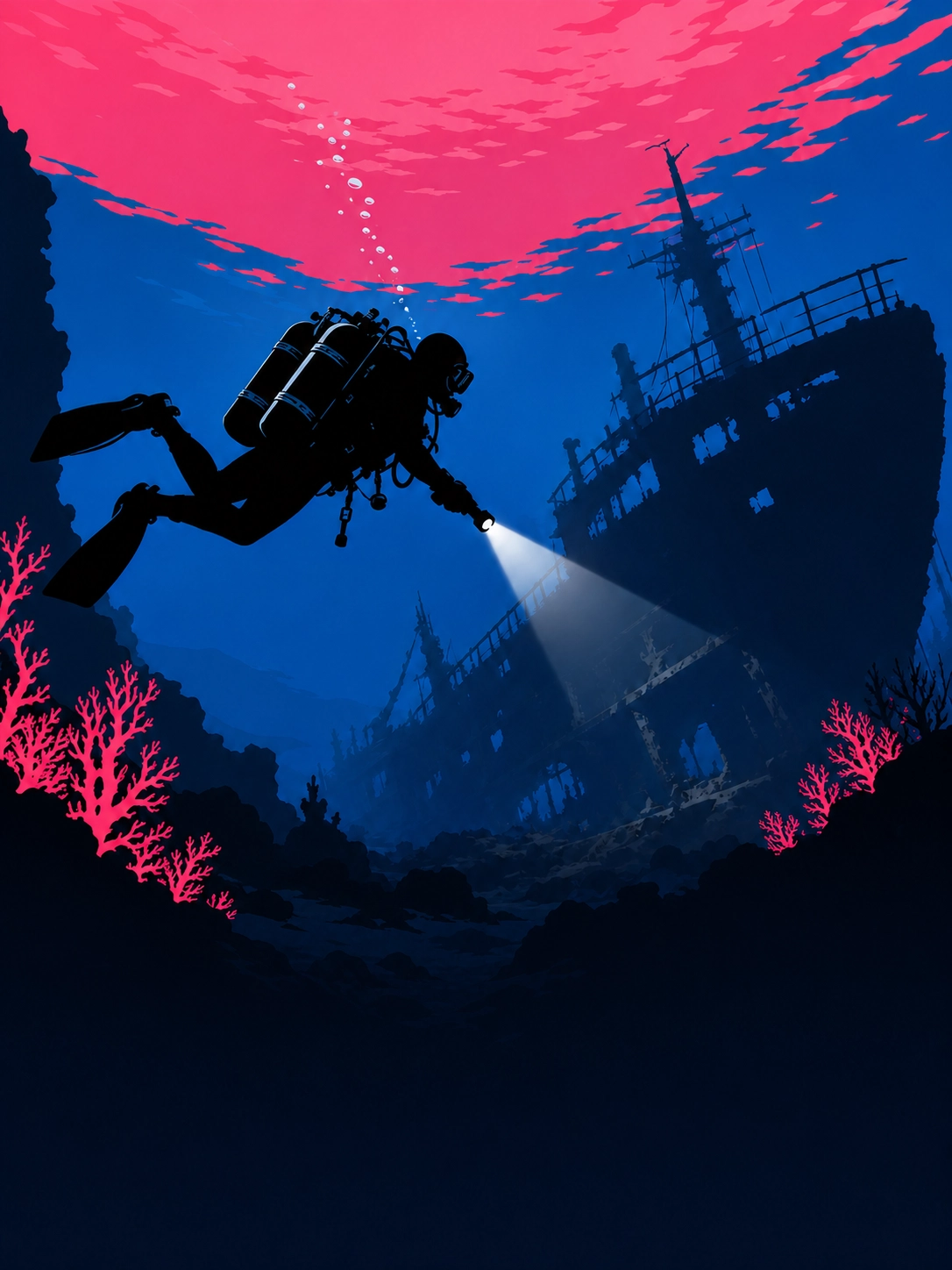
Becoming a scuba instructor is one of the most rewarding ways to live and work around the ocean. You get to share underwater experiences, teach new divers, build confidence, and guide people through life-changing moments. Many people worry that AI will replace jobs, but in scuba diving the opposite is true. The skills needed to become an instructor rely on human judgement, empathy, and real-world experience that technology cannot match.
Below is a clear look at the pathway to becoming a scuba instructor and the core skills AI will never replicate.
What It Takes To Become A Scuba Instructor
Training Pathway
The journey starts with becoming an advanced diver and then a Divemaster. From there you enter your Instructor Training Course. This is where your skills are polished, your knowledge deepens, and you learn how to teach in a professional and safe manner. At Ocean Tribe this means hands-on coaching, real scenarios, and practice in the ocean.
Real Diving Experience
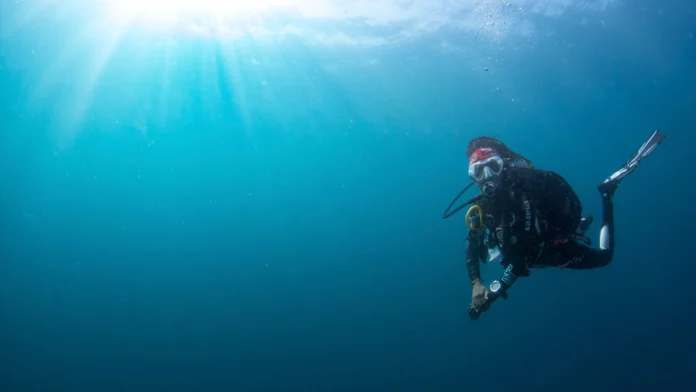
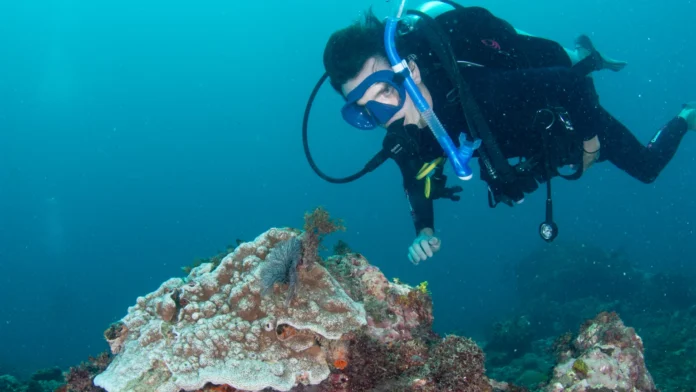
You build experience by logging dives in different environments. Waves, currents, visibility, marine life, and human behaviour change constantly. Real experience builds situational awareness and confidence. AI can list the data, but it cannot feel the water, sense the conditions, or understand the tension in a nervous student.
Safety and Problem Solving
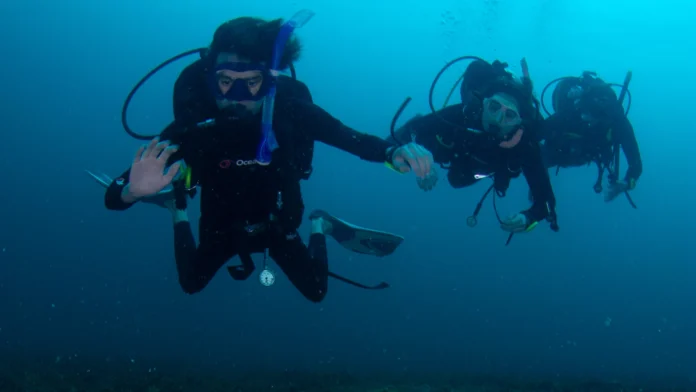
Instructor candidates learn to prevent problems before they occur. They learn how to read people, react instantly, and manage stress both in themselves and in their students. This is built through repetition, observation, and time in the water with other divers.
Teaching Ability
You learn to take complex ideas and make them simple. You learn to demonstrate skills with precision. You learn to use calm communication to guide divers through fears and challenges. These skills require tone, expression, body language, and a human presence underwater.
The Skills AI Cannot Do
Reading Human Emotion
AI can analyse words, but it cannot see fear in a diver’s eyes at 12 metres. It cannot detect when someone is breathing too fast or when their body language shows discomfort. Instructors use empathy and intuition to keep people safe.
Managing Real Emergencies
No two emergencies look the same. Current changes, entanglements, equipment failures, and unexpected human reactions require instant decisions. You need judgement, experience, and calm control. AI cannot take a regulator and give air. It cannot tow an exhausted diver back to the boat.
Demonstrating Physical Skills Underwater
Every instructor must show perfect buoyancy, clear skills slowly, and guide students’ hands when needed. No piece of technology can replicate the physical act of demonstrating a fin pivot, a controlled ascent, or mask clearing with reassuring eye contact.
Building Confidence
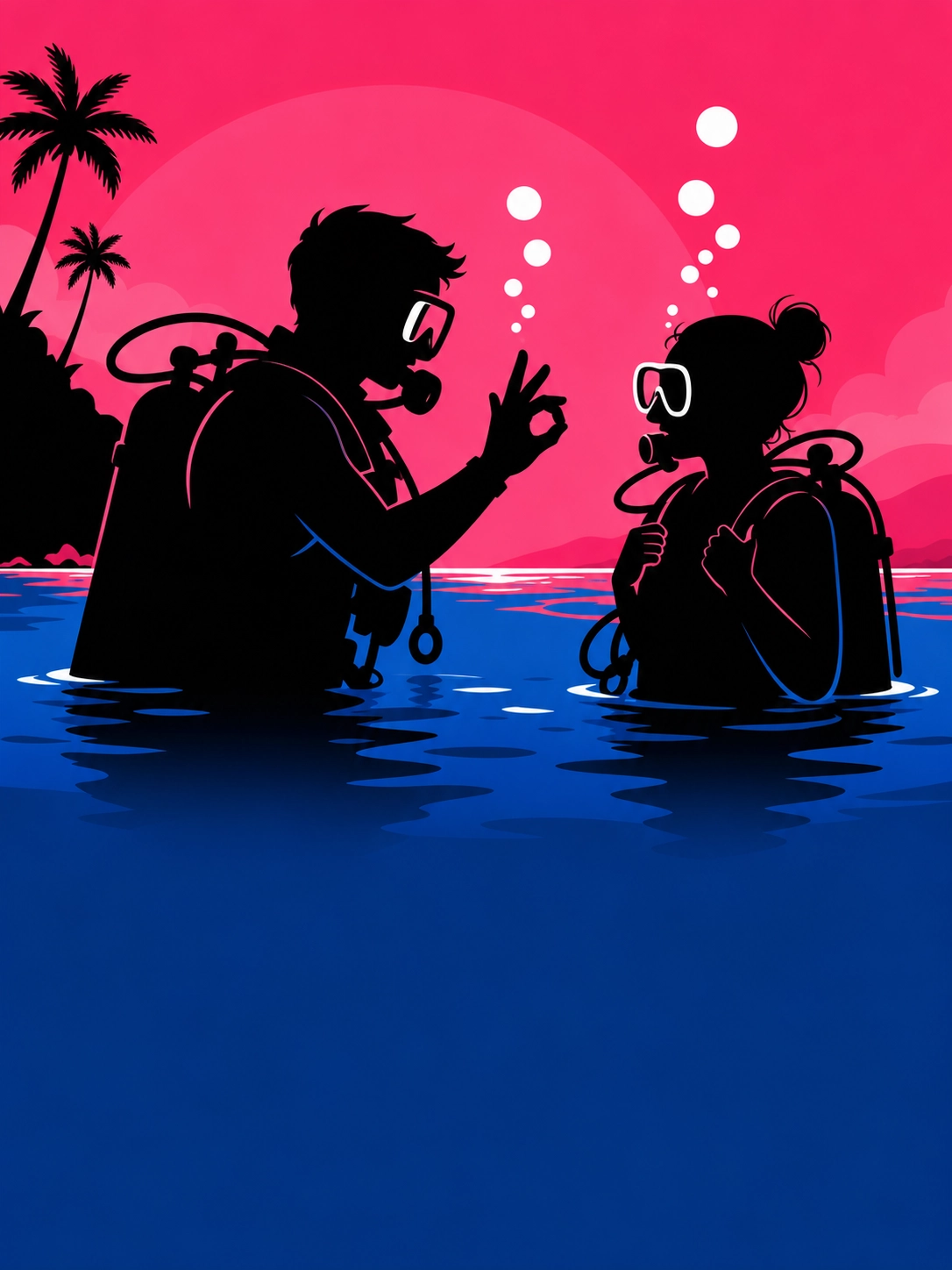
People learn to dive because a human being encourages them. Students look at their instructor for trust, steadiness, and reassurance. AI cannot put a hand on someone’s shoulder, cannot smile through a regulator, and cannot share the sense of achievement when someone takes their first breath underwater.
Leadership
Diving is about people. An instructor leads by example. They organise dive teams, build relationships with students, brief groups, assign roles, and create a positive atmosphere. Real-world leadership depends on presence, personality, and experience.
Environmental Awareness
A skilled instructor knows where the current will shift, where the turtle usually sleeps, how to avoid damaging coral, and how to read the mood of the ocean on any given day. These micro-decisions are learned over hundreds of dives and lived experience.
Why Becoming an Instructor Still Matters
Even in a world where technology is everywhere, scuba instruction remains one of the most human jobs on the planet. It blends adventure, responsibility, creativity, and heart. AI can support training with theory, translations, knowledge checks, videos and animations. But the real magic of diving happens between people. It happens underwater when someone learns to trust you. It happens on the surface when a student realises they have overcome fear. It happens when you show someone the ocean for the first time.
Becoming a scuba instructor means choosing a path that AI cannot replace. It means gaining skills that are timeless. It means joining a community where your judgement, experience, and personality matter.
If you are ready to turn your passion into a profession, your future in diving is waiting. And it is a future built on human skill, not algorithms.